Things to do and eat in Hokkaido

Overview

Hokkaido, Japan's northernmost island, is a vast expanse of natural beauty known for its dramatic landscapes, including active volcanoes, pristine hot springs, and world-class ski resorts. The Daisetsuzan National Park offers rugged hiking trails and dramatic volcanic peaks such as Mount Asahi. In the Shikotsu-Toya National Park, visitors can enjoy caldera lakes, rejuvenating geothermal springs, and Mount Yotei, often called 'Ezo Fuji' for its resemblance to Mount Fuji. The island is also famous for its seafood, particularly crab and sea urchin, and for Furano's vibrant lavender fields in summer. Winter attracts visitors to Niseko, Rusutsu, and Furano for some of the best skiing in Japan.

Areas

Sapporo_chuo

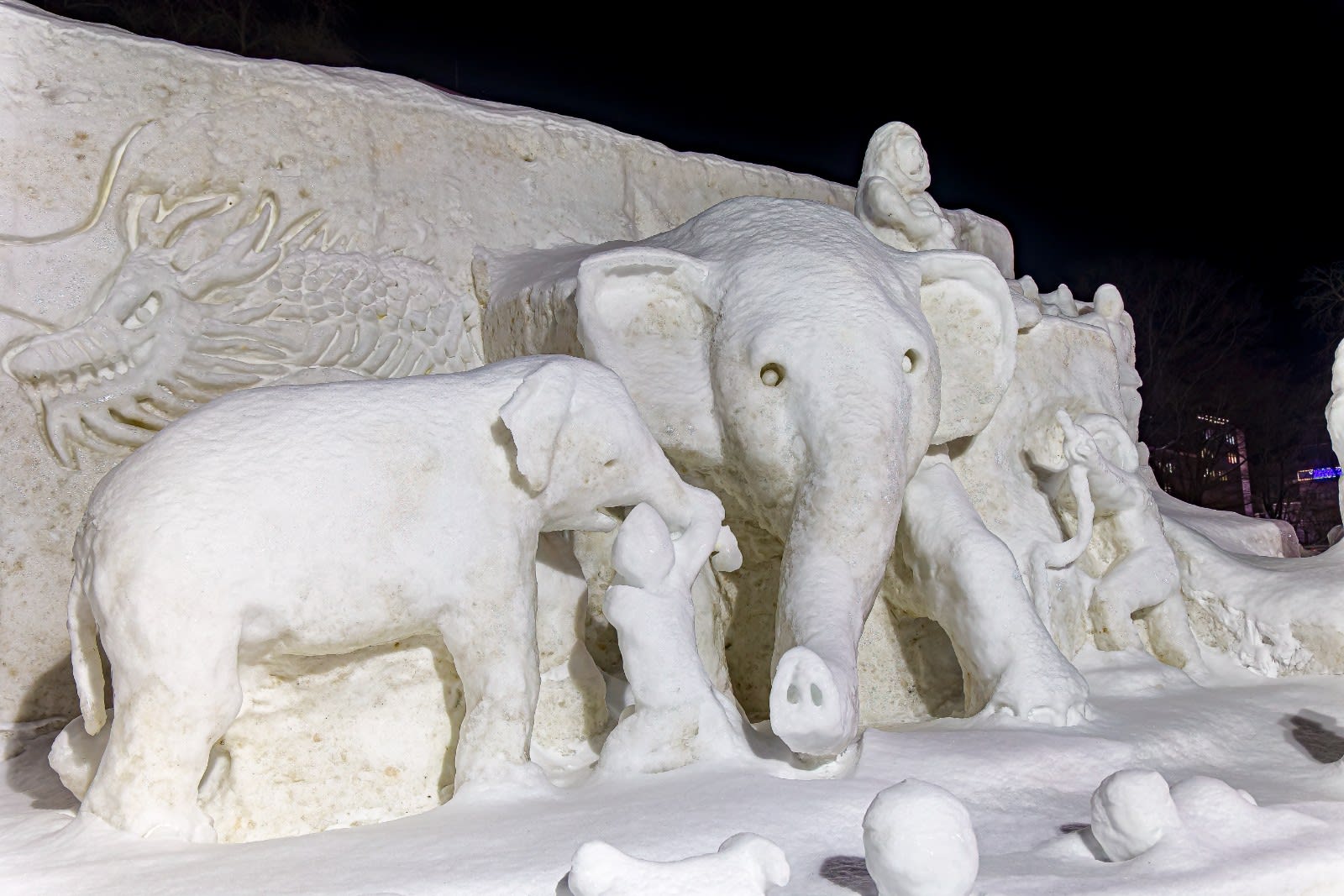
Sapporo Chuo is the vibrant heart of Hokkaido’s capital city, featuring major landmarks like Odori Park, the Sapporo TV Tower, and the city’s administrative core. It’s a balanced fusion of bustling commercial avenues, seasonal events such as the world-renowned Snow Festival, and accessible green spaces. This district is also home to underground shopping malls, local cuisine hubs, art galleries, and museums, making it a dynamic cultural and civic center throughout the year.

Sapporo

Sapporo, the capital of Hokkaido, is a vibrant city known for its beautiful winter scenery, world-famous Sapporo Snow Festival, and delicious cuisine like miso ramen and fresh seafood. Attractions like Odori Park, the Sapporo Clock Tower, and Mount Moiwa offer unique experiences throughout the seasons. In winter, the city transforms into a snowy wonderland, drawing skiers and snow lovers from around the globe. The city also boasts a thriving nightlife scene in Susukino and a deep connection to beer culture, with the Sapporo Beer Museum being a must-visit.
Hakodate

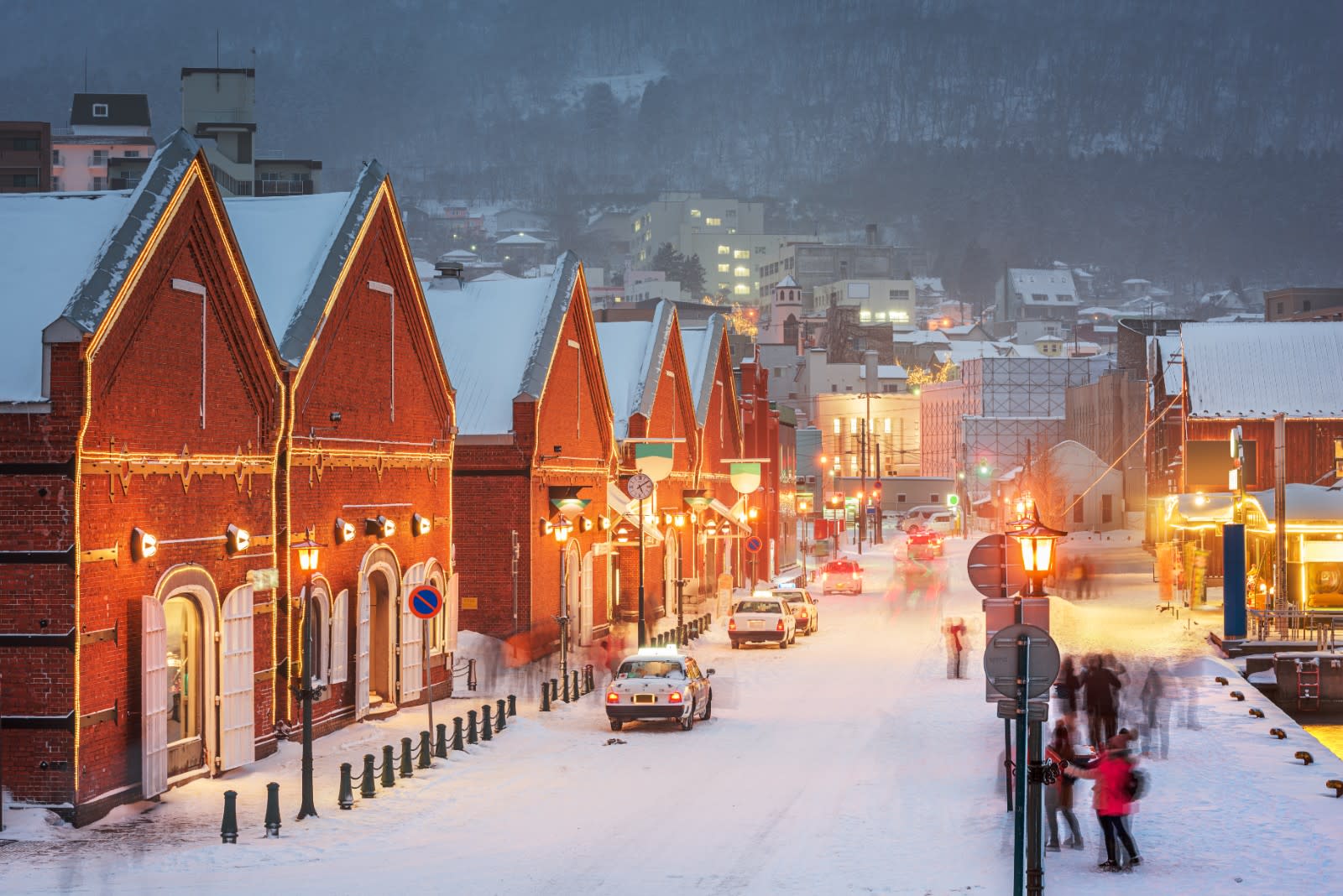
Hakodate is a historic port city in southern Hokkaido, renowned for its night view from Mount Hakodate, which is considered one of the best in the world. The city offers a blend of Japanese and Western influences, evident in places like the Motomachi district and the red-brick warehouses. Hakodate Morning Market is a foodie paradise offering fresh seafood such as uni and squid. The Goryokaku Fort and Tower present a star-shaped glimpse into the city’s samurai-era history. Hakodate’s hot springs and seasonal cherry blossoms add to its year-round appeal.

Otaru

Otaru is a picturesque harbor city along Hokkaido’s western coast, famous for its romantic canals, historical architecture, and delicious sweets. The Otaru Canal, lined with gas lamps and old stone warehouses, is especially magical at dusk and during the Snow Light Path Festival. The city is also known for its glassware craftsmanship and music box museum. Sakaimachi Street offers a delightful walk through shops selling handmade crafts, seafood, and desserts. With easy access from Sapporo, Otaru is a perfect day-trip destination offering a nostalgic and charming atmosphere.

Asahikawa

Asahikawa, located in central Hokkaido, is the island’s second-largest city and a gateway to the Daisetsuzan National Park. It is home to the popular Asahiyama Zoo, renowned for its innovative animal enclosures that allow close-up views of penguins, polar bears, and seals. The city also offers access to nearby ski resorts and hot springs, making it ideal for winter sports and relaxation. Asahikawa’s local ramen, featuring a rich soy sauce-based broth, is a must-try. Cultural attractions such as the Asahikawa Museum of Art and Tokiwa Park enhance the city's appeal.

Muroran

Muroran is a coastal city located in southwestern Hokkaido, known for its scenic cliffs, industrial beauty, and panoramic ocean views. The city’s most iconic spot is Cape Chikyu, where visitors can gaze out over the vast Pacific Ocean from dramatic cliffside vistas. Muroran is also home to unique night views from the Muroran Factory Area, blending lights and sea into an industrial art scene. The city has a rich history in steel manufacturing and is known for its local specialty: curry ramen. Visitors can also enjoy natural hot springs and nearby hiking trails.

Kushiro

Kushiro, located in eastern Hokkaido, is famed for its wetlands, fresh seafood, and romantic sunsets over the Kushiro River. The Kushiro Shitsugen (Wetlands) is Japan’s largest marshland, home to rare wildlife such as the red-crowned crane. Visitors can explore this protected area by boardwalks, trains, and observation towers. The Washo Market is a must-visit for seafood lovers, offering the unique “katte-don,” a DIY seafood rice bowl. In the evening, the riverside comes alive with warm colors, making the city's sunsets one of the most beautiful in Japan.

Obihiro

Obihiro, located in the Tokachi region of Hokkaido, is known for its agricultural richness, delicious local foods, and unique culture. It’s the birthplace of butadon (pork rice bowl), a local specialty that's a must-try for food lovers. Obihiro also features the exciting world of Ban’ei horse racing, where large draft horses race while pulling heavy sleds. The city is surrounded by fertile fields and is a hub for Tokachi’s renowned dairy products, sweets, and wine. Midwinter brings stunning snow-covered landscapes, while nearby hot springs offer relaxation year-round.

Kitami

Kitami, situated in northeastern Hokkaido, is a city surrounded by vast plains and forests, well known for its mint production, winter festivals, and warm-hearted community. Kitami once produced the majority of Japan’s mint and now celebrates this history at the Kitami Mint Memorial Museum. The city experiences some of the coldest temperatures in Japan, making it a great spot for winter events such as the Kitami Winter Festival, featuring illuminations and ice sculptures. It is also a gateway to nearby hot spring areas like Onneyu Onsen, and a base for exploring the Okhotsk region.

Yubari

Yubari is a small city in central Hokkaido, once thriving as a coal mining town and now known for its famous Yubari Melons, cultural heritage, and nostalgic scenery. Though its population has declined, Yubari retains charm through its retro streets and seasonal festivals. The Yubari International Fantastic Film Festival attracts cinephiles from around the world, while abandoned mining sites and museums tell stories of its industrial past. The region is especially beautiful in autumn when colored leaves cover the surrounding hills.

Iwamizawa

Iwamizawa, located in the Sorachi subprefecture, is a city that blends rural charm with a rich cultural background. Known for its rose gardens and music festivals, Iwamizawa serves as a hub connecting Sapporo and Furano. Its Rose Garden Park is especially popular in summer, featuring thousands of roses in bloom. The city also emphasizes arts and education, with museums and cultural events year-round. It is a peaceful destination ideal for those seeking scenic drives, local foods, and the slower pace of countryside life in Hokkaido.

Abashiri

Abashiri, on the coast of the Sea of Okhotsk, is most famous for its drift ice in winter, along with the historic Abashiri Prison Museum. The region offers stunning natural beauty year-round, including lakes, mountains, and coastal scenery. In winter, visitors can take the drift ice sightseeing icebreaker “Aurora” for an unforgettable arctic experience. The museum preserves the history of Japan’s Meiji-era penal system with real prison structures and artifacts. Abashiri is also a gateway to Shiretoko National Park and attracts nature lovers and photographers alike.

Rumoi

Rumoi is a small coastal city on Hokkaido’s Sea of Japan coast, once a thriving herring fishing port. Its history is reflected in preserved fishery buildings and local dishes featuring fresh seafood. Today, Rumoi is known for its breathtaking sunsets, quiet seaside ambiance, and scenic drives along the rugged coast. The area appeals to travelers seeking off-the-beaten-path experiences, with seasonal festivals and cycling routes offering a taste of Hokkaido’s less-traveled beauty. Community efforts to revitalize the town through tourism and cultural activities are ongoing.

Tomakomai

Tomakomai is a port city located in southern Hokkaido, serving as a major transportation and industrial hub. It offers easy access from Honshu via ferry and is known for its seafood, forestry, and the nearby Lake Utonai, a Ramsar wetland site ideal for birdwatching. The city also features the Tomakomai City Museum and a lively harbor district with fresh seafood markets. In winter, snow sports and scenic ice-covered lakes attract visitors, while its central location makes it a great base for exploring southern Hokkaido.

Wakkanai

Wakkanai is Japan’s northernmost city, located in Hokkaido’s Sōya region. It serves as a gateway to the remote Rishiri and Rebun islands and offers breathtaking views of the Sea of Japan and Sakhalin on clear days. Famous for its chilly climate, Cape Sōya and its symbolic monuments mark the northern tip of Japan. In summer, wildflowers bloom across the grassy hills, while the harsh winters bring a serene beauty. Wakkanai also features unique cultural influences due to its proximity to Russia, visible in local cuisine and architecture.

Bibai

Bibai, located in central Hokkaido, is a city that has transitioned from a coal mining hub to a center for art, nature, and birdwatching. The renowned Miyajima Marsh attracts thousands of migratory birds each year, making it a haven for nature enthusiasts. Bibai is also home to Arte Piazza, an outdoor sculpture park set amidst forests and hills, where visitors can appreciate art in harmony with nature. With a focus on regional revitalization, Bibai combines its industrial past with cultural creativity and environmental education, offering a tranquil yet inspiring setting for visitors and locals alike.

Ashibetsu

Ashibetsu is a quiet city located in central Hokkaido, once a flourishing coal mining center. Today, it's known for its scenic nature, including dense forests, mountain trails, and hot springs. Mount Ashibetsu and the nearby national parks offer opportunities for hiking and outdoor exploration. The city is also home to the quirky Canadian World theme park and various cultural festivals. With efforts toward eco-tourism and heritage preservation, Ashibetsu offers a calm and unique atmosphere, ideal for those looking to experience a lesser-known but charming side of Hokkaido.

Ebetsu

Ebetsu is a suburban city near Sapporo, known for its brick-making heritage and lush nature. The Historical Village of Hokkaido, located nearby, provides a glimpse into Hokkaido’s pioneering past with preserved buildings and cultural exhibits. The city also emphasizes education and the arts, housing several universities and public art installations. It’s surrounded by greenery, making it an ideal place for nature walks and seasonal flower viewing. Ebetsu combines the accessibility of an urban suburb with a calm, community-oriented atmosphere.

Akabira

Akabira is a small inland city in central Hokkaido, formerly a prominent coal mining town. Although its population has declined, Akabira retains a strong community spirit and actively preserves its industrial heritage. The city features a coal museum, old mining structures, and seasonal flower parks. In spring and summer, colorful fields bloom across the area, drawing nature lovers and photographers. Local revitalization initiatives include art installations and regional food events, making Akabira a quiet but creatively energized destination.

Mombetsu

Mombetsu is a coastal city in northeastern Hokkaido facing the Okhotsk Sea, famous for its drift ice in winter and maritime culture. The city is home to the Okhotsk Tower and a drift ice sightseeing icebreaker cruise that offers a rare view of floating sea ice. Mombetsu also features a fishing port, seafood markets, and a crab museum, reflecting its rich marine industry. The surrounding area provides excellent access to nature, with opportunities for hiking, birdwatching, and stargazing. Mombetsu successfully blends natural wonders with coastal living, attracting tourists throughout the year.

Shibetsu

Shibetsu is located in northern Hokkaido and is often called the “town of sheep” due to its thriving sheep farming industry. The city hosts a Sheep Festival every summer, attracting families and agricultural enthusiasts. The landscape is dotted with wide plains and low hills, offering panoramic views year-round. Shibetsu also boasts a peaceful rural atmosphere and clean air, perfect for relaxation. In winter, the city becomes a snow-covered wonderland ideal for snowshoeing and winter photography.

Nayoro

Nayoro is a city located in northern Hokkaido, known for its long winters, starry skies, and agricultural richness. It boasts some of the clearest skies in Japan, making it a favorite destination for astronomy enthusiasts. The Nayoro Observatory and star-viewing events attract visitors year-round. In winter, heavy snowfall creates ideal conditions for snow activities such as skiing and snow festivals. The fertile land supports the production of high-quality crops, including glutinous rice and asparagus. Nayoro promotes itself as a town of stars and snow, offering a peaceful lifestyle deeply connected to nature.

Mikasa

Mikasa is a historical city in Hokkaido known for its rich coal mining heritage and fossil discoveries. The Mikasa City Museum features impressive dinosaur fossils, while the Hobetsu River and Lake Katsurazawa offer scenic nature spots. The area is also part of the Ishikari coalfield, playing a key role in Japan’s industrial history.

Nemuro

Nemuro is the easternmost city in Japan, offering rugged coastal beauty, rich seafood, and unique wildlife. Cape Nosappu is known for its dramatic sunrises and its views toward the disputed Northern Territories. The city is a paradise for birdwatchers, especially during the migratory seasons. Nemuro’s port delivers fresh catches daily, including its famous Sanma (Pacific saury). It’s also historically significant with various lighthouses, churches, and Ainu heritage. The city's remote charm draws in visitors looking for untouched nature and serenity.

Chitose

Chitose is the main gateway to Hokkaido, home to New Chitose Airport. Surrounded by lakes and forests, the city offers both modern convenience and natural beauty. Lake Shikotsu, a caldera lake with crystal-clear waters, is ideal for kayaking, diving, and sightseeing throughout the year. The city also boasts hot springs, shopping outlets, and salmon-related attractions, including the Salmon Hometown Chitose Aquarium. It's a perfect base for exploring southern Hokkaido while enjoying relaxing stays.

Takikawa

Takikawa is a scenic city in central Hokkaido, famous for its vibrant canola flower fields in spring and the Takikawa Sky Park, a hotspot for paragliding. The Takikawa Museum of Art and Natural History offers insights into local culture and nature. The city also hosts the Takikawa Nanohana Festival, attracting photographers and nature lovers.

Sunagawa

Sunagawa is a peaceful city in Hokkaido, known for its confectionery culture and beautiful riverside parks. Sunagawa Highway Oasis is a popular rest stop with local snacks, sweets, and a large playground. The Sorachi River runs through the city, providing picturesque walking paths. The city's blend of small-town charm and convenience makes it a delightful stop for travelers.

Utashinai

Utashinai is the smallest city in Japan by population and is known for its serene mountain scenery and coal mining legacy. The Utashinai City Coal Memorial Museum tells the story of the town’s mining past. Nearby, the charming Kaminoyama Park and surrounding mountains provide excellent hiking opportunities. The peaceful atmosphere makes it an off-the-beaten-path retreat in Hokkaido.

Fukagawa

Fukagawa is a charming city in Hokkaido known for its fertile rice fields and peaceful rural scenery. It is also a gateway to Mount Kamui, popular for hiking and winter sports. Fukagawa Winery offers local wine tasting, while the Fukagawa Shrine and rice-themed Roadside Station are great cultural stops.

Furano

Furano is a picturesque town in central Hokkaido, widely loved for its vibrant lavender fields and dramatic landscapes. In summer, the area becomes a sea of purple as farms like Farm Tomita bloom in full color. In winter, Furano transforms into a ski paradise with soft powder snow, attracting skiers from around the world. The town also hosts wine vineyards, cheese factories, and art galleries, offering a blend of rural charm and cultural depth. It’s a top choice for travelers seeking beauty in every season.

Noboribetsu

Noboribetsu is one of Hokkaido’s most famous hot spring towns, nestled in a volcanic area rich with geothermal activity. Jigokudani (Hell Valley), with its steaming vents and bubbling sulfur pools, is a dramatic natural site that showcases the region's volcanic power. The area offers a variety of therapeutic hot springs, each with unique mineral compositions. In addition to its onsen culture, Noboribetsu features attractions like Noboribetsu Date Jidaimura (a historical theme park) and a bear park, making it ideal for both relaxation and family fun.

Eniwa

Eniwa is a peaceful city located between Sapporo and Chitose, known for its natural parks and flower gardens. Ecorin Village is one of the top attractions, featuring beautifully landscaped gardens, petting zoos, and seasonal flower displays, including tulips and sunflowers. The city also boasts clear rivers and accessible hiking trails leading to waterfalls and mountain views. With its calm environment and accessibility, Eniwa is a favorite spot for locals to enjoy leisurely weekend trips.

Date

Date City is a historic city located near Lake Toya and the scenic Mt. Usu. It was founded by samurai from Sendai, and its roots are reflected in the samurai-themed historical park Noda-Tei and the Date Historic Museum. The city also offers relaxing hot springs and access to the Toyako Onsen area.

Kitahiroshima

Kitahiroshima is a growing city located between Sapporo and Chitose, known for the Es Con Field HOKKAIDO, the home stadium of the Hokkaido Nippon-Ham Fighters. It’s a hub for sports fans and families alike. Visitors can also enjoy the Kitahiroshima Cycling Road and shopping at Mitsui Outlet Park Sapporo Kitahiroshima.

Ishikari

Ishikari is a coastal city known for its fresh seafood, scenic beaches, and the historic Ishikari Lighthouse. Visitors can enjoy Ishikari Bay New Port Marina, seafood markets, and the beautiful Hamanasu-no-Oka Park. The area is also famous for Ishikari Nabe, a local salmon hotpot dish.

Hokuto

Hokuto is a scenic city located next to Hakodate, known for its panoramic views from Mount Hakodate, and as the home of Shin-Hakodate-Hokuto Station, a gateway for the Hokkaido Shinkansen. Visitors can enjoy the Trappistine Monastery, the peaceful Onuma Quasi-National Park nearby, and historic cherry blossom sites at Hokkiji Temple.

Tobetsu

Tobetsu is a peaceful town northeast of Sapporo, known for its Scandinavian-style development “Sweden Hills,” offering unique European architecture and seasonal events. The town also features the picturesque Ishikari River, rice fields, and Mt. Tappu for light hiking. Tobetsu Shrine and nature parks make it a great day trip for those seeking tranquility.

Shinshinotsu

Shinshinotsu is a small rural village in Hokkaido, known for its tranquil atmosphere and Shinshinotsu Onsen, a lakeside hot spring with beautiful views. The village is surrounded by rice paddies and the Ishikari River, offering bird-watching, fishing, and canoeing. It is perfect for visitors looking to relax and experience rural Japan.

Matsumae

Matsumae is the only Japanese castle town in Hokkaido, home to the historic Matsumae Castle. It is famous for its stunning cherry blossoms in Matsumae Park, which features over 10,000 cherry trees. The town also offers insights into Hokkaido's samurai history through temples, heritage buildings, and the Matsumae Folk Museum.

Fukushima

Fukushima is a coastal town in southern Hokkaido, overlooking the Tsugaru Strait. It is celebrated for its dramatic natural scenery, such as the striking rock formations of Iwabe Coast, the mystical Blue Cave, and lush forested hills. The town honors its sumo heritage at the Yokozuna Chiyonoyama Chiyonofuji Memorial Hall, commemorating two grand champions born here. Visitors can also explore the Seikan Tunnel Museum, which showcases the world's longest undersea tunnel linking Hokkaido and Honshu. Additionally, Fukushima offers fresh seafood, quiet fishing villages, scenic hiking trails, and panoramic ocean views that make it a perfect retreat for nature and history lovers alike.

Shiriuchi

Shiriuchi is a coastal town in southern Hokkaido near the Tsugaru Strait, known for its fresh seafood, especially Pacific bluefin tuna and oysters. Visitors can enjoy scenic coastal drives, local seafood markets, and the peaceful Shiriuchi Onsen. It's also the hometown of Japan’s first Prime Minister, Hirobumi Ito, with a small memorial.

Kikonai

Kikonai is a gateway town in southern Hokkaido, featuring Kikonai Station on the Hokkaido Shinkansen line. It is known for the traditional festival “Fukagawa Hachiman Festival” and the historic Tachimachi Cape Lighthouse. Local delicacies like Kikonai wagyu beef and seafood are popular among visitors.

Nanae

Nanae is a nature-rich town near Hakodate, famous for Onuma Quasi-National Park, with lakes, forests, and views of Mt. Komagatake. It’s ideal for walking, canoeing, and scenic drives. Nanae is also home to the Nanae Apple, one of the first cultivated apples in Hokkaido, and several charming farms and cafés.

Shikabe

Shikabe is a coastal town on the eastern side of the Oshima Peninsula, renowned for its geothermal activity and seafood. The Shikabe Geyser Park features natural geysers and a hot spring footbath with a view of Mt. Komagatake. The town is also famous for its cod dishes, making it a hidden gem for gourmet travelers.

Mori

Mori is a historic town located along Uchiura Bay in southern Hokkaido, famous for its iconic dish "Ikameshi" (squid stuffed with rice). The town offers beautiful views of Mount Komagatake and access to nature-rich Onuma Quasi-National Park. Mori also hosts the Mori Summer Festival and features charming hot spring inns.

Yakumo

Yakumo is a unique town stretching from the Sea of Japan to Uchiura Bay, offering dual coastlines and stunning nature. It’s famous for seafood, dairy farms, and Yakumo Onsen. Outdoor lovers enjoy trekking Mt. Hakodake and relaxing by the Yakumo River. Historical spots like the old Yakumo Shrine offer cultural depth.

Oshamambe

Oshamambe is a seaside town known for its delicious crab dishes, especially "Oshamambe Kani Bento." The town is a transportation hub on the Hakodate Main Line and future Hokkaido Shinkansen route. Visitors can relax in local hot springs and enjoy beautiful sunsets along the coast.

Esashi

Esashi is a port town rich in Edo-period history and traditional culture. The historic Nakamura Residence and Esashi Oiwake Hall showcase the town’s heritage. The annual Esashi Oiwake Festival celebrates the traditional folk song “Esashi Oiwake.” With a picturesque coastline and retro townscape, Esashi offers a step back in time.

Kaminokuni

Kaminokuni is a coastal town steeped in history, known as one of the oldest settlements in Hokkaido. It features the remains of Katsuyama Date, a 15th-century fortified residence and a national historic site. Visitors can explore the scenic coast, hot springs, and the charming Tsuru-no-Mai Bridge.

Assabu

Assabu is a peaceful inland town surrounded by mountains and forests. It is known for its clean air, rich agricultural products such as potatoes and beans, and traditional local crafts. The area is ideal for forest walks, eco-tourism, and experiencing rural Hokkaido life.

Otobe

Otobe is a seaside town on the Sea of Japan known for its dramatic sea cliffs, fresh seafood, and clear spring water. The "Shirotai Skyline" offers stunning views of the coast and Mount Yotei in the distance. Local specialties include sea urchin and abalone.

Okushiri

Okushiri is a remote island town in the Sea of Japan, known for its stunning blue waters, sea caves, and unique rock formations like Nabetsuru Rock. The island is also remembered for its recovery after the 1993 earthquake and tsunami. It’s a hidden gem for nature lovers, offering peace, cycling routes, and fresh seafood.

Imakane

Imakane is a tranquil inland town in southern Hokkaido, renowned for its premium “Imakane Danshaku” potatoes, considered among Japan's best. The Shiribetsu River offers excellent fishing and kayaking opportunities. Surrounded by mountains and fields, it’s ideal for rural tourism and scenic nature drives.

Setana

Setana is a coastal town on the Sea of Japan, offering spectacular cliffs, sea stacks, and ocean views. It's known for wind power, fresh seafood, and sunset vistas. Cape Kamui Lighthouse and Mt. Kariba hiking trails attract nature lovers. Local cuisine includes abalone and kelp.

Suttsu

Suttsu is a port town with a long fishing history, famous for fresh oysters and sea urchins. The Suttsu Bay offers calm waters ideal for kayaking and fishing. The town has a laid-back charm, historic buildings, and a revitalized market selling local delicacies.

Kuromatsunai

Kuromatsunai is a rare ecological treasure in Hokkaido, home to the northernmost beech forest in Japan. It’s popular for eco-tours, trekking, and gourmet cheese made from local dairy. The Kuromatsunai River and quiet countryside create a peaceful environment ideal for nature retreats.

Rankoshi

Rankoshi is a tranquil town near Niseko, known for its hot springs and the clear Shiribetsu River. The town is home to Niseko Konbu Onsen and is surrounded by mountains, ideal for hiking, fishing, and river rafting. It’s a great spot for relaxing and enjoying Hokkaido’s natural beauty.

Niseko

Niseko is a world-renowned ski destination in Hokkaido, famous for its powder snow and international atmosphere. The area offers a mix of four connected ski resorts that form one of Japan’s largest winter sports zones. In summer, Niseko becomes a lush green playground for rafting, mountain biking, and hot spring relaxation. With stylish accommodations, farm-to-table restaurants, and breathtaking views of Mount Yotei, Niseko is a year-round escape for both adventure seekers and luxury travelers.

Makkari

Makkari is a charming village at the foot of Mt. Yotei, known for its pure spring water and fresh produce. The area is famous for growing quality potatoes and vegetables, and for Makkari Onsen. It also has ties to singer Masashi Sada, with a museum dedicated to him.

Rusutsu

Rusutsu is a large resort town just south of Niseko, known for its expansive ski terrain and family-friendly atmosphere. With over 37 trails and modern lift systems, it’s ideal for both beginners and seasoned skiers. Rusutsu also features an amusement park, golf courses, and luxurious accommodations like the Westin Rusutsu Resort. In the green season, the area becomes a hub for hiking, horseback riding, and scenic drives. It’s a balanced destination combining fun, relaxation, and great hospitality in a mountain setting.

Kimobetsu

Kimobetsu is a scenic town nestled between Mt. Yotei and Mt. Shiribetsu. It offers beautiful views and fresh local produce, especially melons and potatoes. The town is popular among cyclists and outdoor enthusiasts, and serves as a gateway to the Rusutsu and Niseko areas.

Kyogoku

Kyogoku is famed for its Fukidashi Park, where pristine spring water flows from Mt. Yotei. The park is a popular spot for sightseeing and collecting fresh drinking water. Kyogoku also offers views of Mt. Yotei, agricultural produce, and quiet rural charm, making it ideal for day trips.

Kutchan

Kutchan is a small town in the heart of the Niseko region, often considered its cultural and logistical center. The town is close to major ski areas and offers easy access to Mount Yotei, known as the “Mount Fuji of Hokkaido.” Kutchan is famous for its local potato dishes, especially "Jaga-ryori", and its cozy izakayas that reflect regional charm. Though small, the town hosts events like the Yukitopia Snow Festival and provides a blend of outdoor adventure and warm local culture.

Kyowa

Kyowa is a farming town near Niseko, famous for its fertile soil and high-quality melon and watermelon production. It is also home to the scenic Niseko Panorama Line, which offers stunning views of Mount Yotei. The town’s quiet rural charm and fresh produce attract many visitors during the harvest season.

Iwanai

Iwanai is a historic port town on the Sea of Japan, known for its seafood, onsen, and views of the Shakotan Peninsula. Visitors can explore the Iwanai Onsen, local sushi restaurants, and the Iwanai Kannon Temple. It’s also a gateway to ski resorts like Niseko Moiwa in winter.

Tomari

Tomari is a coastal village known for the Tomari Nuclear Power Plant and its fishing culture. The coastline offers dramatic cliffs and ocean views, and the local seafood—especially sea urchin—is a highlight. The town maintains a peaceful, small-town feel with rich marine traditions.

Kamoenai

Kamoenai is one of the smallest and most remote villages in Hokkaido, nestled between steep cliffs and the Sea of Japan. It’s famous for its pristine coastline, abalone diving, and local seafood cuisine. The village’s remoteness makes it a hidden gem for those seeking untouched nature and tranquility.

Shakotan

Shakotan is a coastal town famous for its dramatic cliffs, crystal-clear blue sea—known as “Shakotan Blue”—and sea urchin (uni). Cape Kamui and the rugged coastlines of the Shakotan Peninsula offer breathtaking views. It's a paradise for divers, seafood lovers, and scenic road trippers.

Furubira

Furubira is a quiet fishing town known for its fresh seafood, particularly squid and sea urchin. The Furubira River and coastal cliffs create a picturesque landscape. The town is also home to historical sites like the Furubira Shrine and offers a peaceful atmosphere for slow travel.

Niki

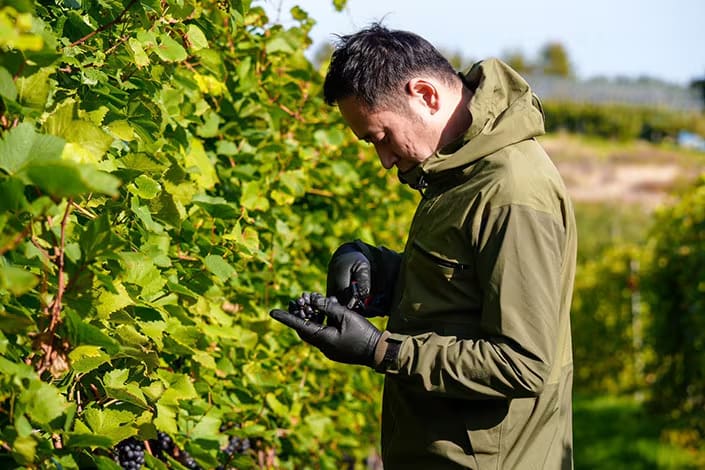
Niki is a fruit paradise in Hokkaido, best known for its cherry and grape picking experiences. Located near Yoichi and Otaru, it features scenic orchards, direct farm sales, and peaceful rural views. In autumn, the area transforms into a colorful mosaic of foliage and fruit.

Yoichi

Yoichi, located in Hokkaido, is a charming coastal town known for its whisky distillery, fresh seafood, and scenic landscapes. The Nikka Whisky Yoichi Distillery is a major draw, offering tours and tastings. Visitors can also explore the Fugoppe Cave, one of Japan's oldest archeological sites with mysterious petroglyphs. With beautiful coastal views, orchards, and local seafood markets, Yoichi is perfect for travelers seeking both nature and culture.

Akaigawa

Akaigawa is a quiet mountain village in a volcanic caldera, often called a “village in a crater.” It’s home to Kiroro Resort, a popular destination for skiing and outdoor activities year-round. With beautiful forests, fresh air, and local produce, it offers an idyllic rural escape.

Namporo

Namporo is a peaceful farming town located near Sapporo, known for its vast cabbage fields and the popular "Namporo Cabbage Ramen." Visitors can enjoy hot springs at Namporo Onsen and cycling through the rural landscape. It’s an ideal spot for experiencing Hokkaido’s agricultural charm.

Naie

Naie is a small town along the Sorachi River, known for its serene rural atmosphere and seasonal flower fields. The Naie History Museum offers a glimpse into the region’s coal mining past. Its central location in Sorachi makes it a great stop for road trips through central Hokkaido.

Kamisunagawa

Kamisunagawa is a former mining town surrounded by nature, offering a quiet retreat and a look into Hokkaido’s industrial past. The Kamisunagawa Coal Mine Memorial Park and local walking trails provide insight and relaxation. It’s a peaceful place ideal for slow-paced travel.

Yuni

Yuni is a picturesque town famous for Yuni Garden, a large English-style flower garden with seasonal blooms. The town also features Yuni Onsen, fruit farms, and rolling hills perfect for scenic drives. It’s a relaxing destination for families and nature lovers.

Naganuma

Naganuma is a peaceful rural town near Sapporo, known for its hot springs, local produce, and cycling routes. Naganuma Onsen offers stunning views of Mt. Yubari, and visitors can enjoy seasonal vegetables, sweets, and cafes. It’s perfect for a relaxing countryside day trip.

Kuriyama

Kuriyama is a peaceful town in central Hokkaido, best known for its rich agricultural land and the Kitanoyatai Kuriyama Market, a local favorite for seasonal produce and dishes. The town is also home to the Hoppy Street, where visitors can experience local brewing culture. During spring, cherry blossoms line the streets, especially around Kuriyama Park, creating picturesque scenes. With its laid-back vibe and regional cuisine, Kuriyama offers a refreshing countryside retreat from urban life.

Tsukigata

Tsukigata is a historical town known for its unique heritage as the site of Hokkaido’s first prison. The Tsukigata Prison Museum tells the story of its pioneering past. The town is also surrounded by beautiful rice fields, wetlands, and the Mukawa River, making it great for nature walks.

Urausu

Urausu is a quiet town known for its pristine nature and wine production. Urausu Winery offers local wines made from Hokkaido-grown grapes. The town also hosts a famous crane-watching spot in spring, and the hilly terrain is ideal for agricultural tourism and cycling.

Shintotsukawa

Shintotsukawa is a charming town named after Totsukawa Village in Nara Prefecture. It features Shintotsukawa Onsen, rice paddies, and sake brewed from local water and rice. The former Shintotsukawa Station is a nostalgic photo spot, and the town celebrates its historical ties with Nara.

Moseushi

Moseushi is a peaceful farming town known for its rice fields and hot springs. Moseushi Onsen “Peperu” is a local favorite, offering relaxation with a rural view. The town also hosts local festivals and is great for travelers seeking off-the-beaten-path experiences.

Chippubetsu

Chippubetsu is a small town with a big charm, known for its family-friendly parks and gardens. The Rose Garden in Chippubetsu Park blooms beautifully in summer. The town also features a popular roadside station with local produce and fun play areas for children.

Uryu

Uryu is known for the Uryunuma Wetlands, a registered Ramsar site and alpine paradise in summer. Hiking trails lead through the wetlands, offering views of wildflowers and unique ecosystems. The town also promotes rice farming and eco-tourism.

Hokuryu

Hokuryu is home to one of Japan’s largest sunflower fields, with over 1.5 million blooms each summer at Sunflower Village (Himawari no Sato). The town also features sunflower-themed products, hot springs, and cycling paths through rolling hills and farmlands.

Numata

Numata is a scenic town known for its sunflower fields and the Numata Lantern Festival, where 3,000 lanterns light up the night sky each August. It also features forest parks, rice fields, and snow activities in winter, making it a year-round destination.

Takasu

Takasu is a tranquil town near Asahikawa, known for apple orchards, dairy farming, and scenic countryside. It offers farm tours, cycling, and fresh local produce. The town also promotes wellness through nature walks and community events, making it perfect for slow travel.

Higashikagura

Higashikagura is a nature-rich town near Asahikawa Airport, known for the large Forest Park, hot springs, and outdoor activities. The town also features lavender fields in summer and easy access to nearby mountains and ski areas. It’s ideal for families and nature lovers.

Toma

Toma is famous for its giant garlic and the unique Toma Kamui Ryujin (Dragon God) legend. The town features the Toma Kamui Park, hiking trails, and a science museum. Its local tofu and soft serve are also popular. Great for a cultural and nature-filled stop.

Pippu

Pippu is a charming town north of Asahikawa, famous for its strawberries and ski resort. In summer, visitors enjoy strawberry picking and cycling through rice fields. In winter, Pippu Ski Resort offers family-friendly slopes and hot springs nearby.

Aibetsu

Aibetsu is a quiet rural town known for its mushrooms and rich forests. It offers forest walks, mushroom festivals, and access to hiking trails in the nearby Daisetsuzan area. Local products like mushroom curry and sauces are popular souvenirs.

Kamikawa

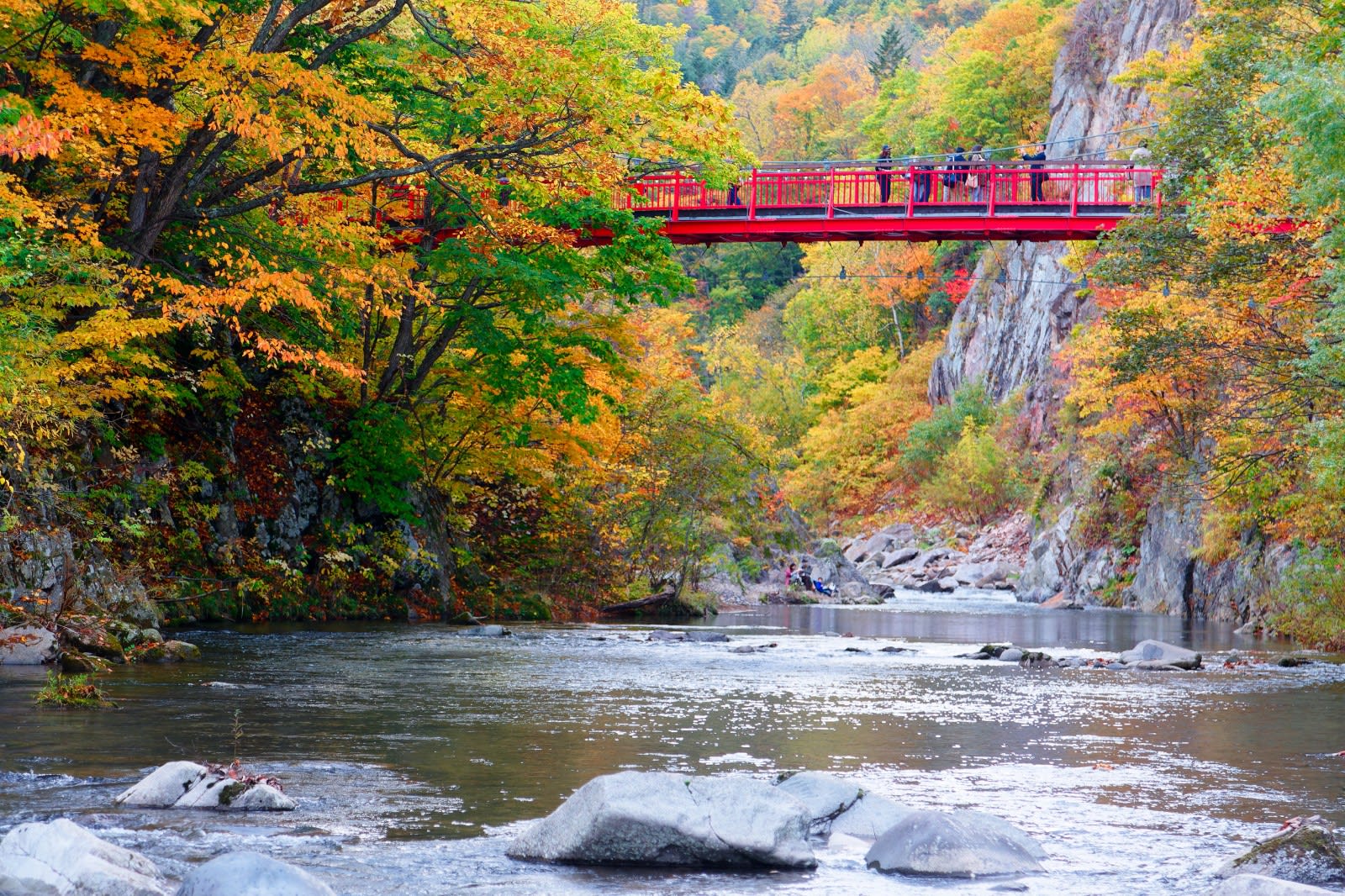
Kamikawa is the gateway to the Daisetsuzan National Park and the Sounkyo Gorge, famous for dramatic cliffs, waterfalls, and hot springs. The town is perfect for hiking, autumn foliage, and relaxing at Sounkyo Onsen after exploring Mt. Kurodake.

Higashikawa

Higashikawa is a stylish and nature-rich town at the base of Mt. Asahidake, the tallest peak in Hokkaido. Known for its water purity and design culture, the town offers galleries, cafes, and access to hiking, Asahidake Ropeway, and hot springs.

Biei

Biei is one of Hokkaido’s most scenic towns, renowned for its rolling hills, colorful flower fields, and the iconic Blue Pond. The town is perfect for photography, especially around the Patchwork Road and Panorama Road, where seasonal landscapes shift dramatically. Biei also offers cozy cafes and art galleries that blend seamlessly with nature. Whether you're cycling through its hills or admiring the lavender blooms, Biei provides a serene and unforgettable experience year-round.

Kamifurano

Kamifurano is known for its breathtaking lavender fields at Hinode Park and its scenic views of the Tokachidake Mountains. It also offers relaxing hot springs like Hakuginso Onsen and outdoor activities such as hiking and cycling.

Nakafurano

Nakafurano is famous for Farm Tomita, one of Japan’s most iconic lavender farms. Visitors flock in summer to see colorful flower fields, taste lavender soft-serve, and enjoy panoramic views of Furano’s rolling hills.

Minamifurano

Minamifurano is a nature lover’s haven, with the serene Lake Kanayama offering canoeing, camping, and seasonal cherry blossoms. The town also has hiking trails, forests, and scenic drives through central Hokkaido.

Shimukappu

Shimukappu is a mountainous village home to Hoshino Resorts TOMAMU, a year-round luxury resort offering skiing, Unkai Terrace (Sea of Clouds), and forest adventures. Surrounded by untouched nature, it’s a premium destination in central Hokkaido.

Wassamu

Wassamu is a quiet agricultural town known for its high-quality horseradish and snowy winters. The area is great for winter sports and scenic drives along Route 40. The town also features peaceful countryside views and local roadside markets.

Kembuchi

Kembuchi is known as the “Town of Picture Books,” home to the Picture Book Museum and annual children’s book festivals. Visitors can enjoy art, nature, and farm experiences. The nearby Lake Shumarinai offers camping and fishing in a serene setting.

Shimokawa

Shimokawa is a forestry town committed to sustainable living and eco-tourism. It is surrounded by rich forests and offers nature-based experiences like snowshoeing, woodcraft, and eco-lodges. The town has received recognition for its environmental initiatives.

Bifuka

Bifuka is known for its beautiful river valleys, the Toyonuka River, and the Bifuka Railway Park. The town is a gateway to the Teshio Mountains and is popular for canoeing, trout fishing, and stargazing. Local cheese and meat products are also worth trying.

Otoineppu

Otoineppu is Hokkaido’s smallest village by population, known for its deep forests, traditional black soba, and the Otoineppu Art & Craft High School. It is also a railway lover’s spot on the JR Soya Line, offering scenic and remote travel experiences.

Nakagawa

Nakagawa is a tranquil town along the Teshio River, ideal for nature lovers. Visitors can enjoy canoeing, camping, and stargazing at the Nakagawa Astronomical Observatory. Its serene landscape offers a perfect escape from city life.

Horokanai

Horokanai is Japan’s top soba-producing town, hosting the annual Horokanai Soba Festival. The town is surrounded by vast hills, snowfields, and Lake Shumarinai, a famous ice-fishing and stargazing destination in winter.

Mashike

Mashike is a charming port town on the Sea of Japan, rich with history from the herring fishing era. Visitors can explore the historic Mashike Station, Meiji-era sake breweries, and scenic coastal roads. Local seafood and fruit, especially apples, are must-tries.

Obira

Obira is a coastal town rich in history, especially from the herring fishing era. The Former Hanada Family Residence and the Herring Palace offer a glimpse into this past. Visitors can enjoy scenic coastal drives, seafood, and beautiful sunsets over the Sea of Japan.

Tomamae

Tomamae is known for its strong winds, wind power generation, and scenic cape views. The Wind Hill Park (Kaze-no-Oka) features wind turbines and panoramic ocean vistas. The town also has brown bear folklore, with a memorial for the Sankebetsu bear incident.

Haboro

Haboro is the gateway to the beautiful Teuri and Yagishiri Islands, known for birdwatching and relaxing island time. The town also features the Haboro Rose Garden and fresh seafood. Ferries depart regularly, offering access to untouched island nature.

Shosambetsu

Shosambetsu is a peaceful seaside village known for its natural beauty and star-filled skies. The Shosanbetsu Observatory is a highlight for stargazers, and the Misakidai Park offers ocean views and camping. The area is ideal for quiet coastal retreats.

Embetsu

Embetsu is a peaceful town with sweeping plains and proximity to the Sarobetsu Wetland. It’s known for its rice farming, wild birds, and wide skies. A great stop along the Ororon Line for travelers exploring northern Hokkaido by car or bike.

Teshio

Teshio lies along the Teshio River, one of Japan’s longest rivers. The town offers access to river cruises, birdwatching, and the gateway to the Sarobetsu Wetland. Local specialties include salt and seafood, and the sunsets over the sea are stunning.

Sarufutsu

Sarufutsu is Japan’s northernmost village and is famous for its premium scallops. With vast pastures, quiet beaches, and the Sarufutsu Park Campground, it’s a great base for outdoor lovers traveling to Wakkanai or Rishiri.

Hamatombetsu

Hamatombetsu is home to Lake Kutcharo, a Ramsar-designated wetland attracting thousands of swans and waterfowl. The town is a sanctuary for birdwatchers and features natural hot springs, quiet countryside roads, and local dairy products.

Nakatombetsu

Nakatombetsu is a quiet inland town surrounded by forests and hills. The town is ideal for eco-tourism, with camping spots, trekking routes like Mt. Pinneshiri, and limestone caves. It’s a haven for stargazers and nature lovers.

Toyotomi

Toyotomi is known for the unique Toyotomi Onsen, a rare petroleum-based hot spring said to benefit skin conditions. The town is also home to wild horses and wetlands like Toyotomi Marshland, part of the Sarobetsu Wetland system.

Rebun

Rebun Island is Japan’s northernmost inhabited island, famous for its alpine flowers and coastal hiking trails like the “Rebun Flower Road.” Visitors enjoy panoramic ocean views, wildflower meadows, and seafood like uni (sea urchin).

Rishiri

Rishiri Island is home to Mt. Rishiri, a striking extinct volcano featured on the Shiroi Koibito cookie box. The island offers hiking, cycling, and hot springs with ocean views. Rishiri kombu (kelp) and sea urchin are prized local delicacies.

Rishirifuji

Rishirifuji is located on Rishiri Island and is known for Mt. Rishiri (also called Rishirifuji), a symbol of the region. The area offers hiking, scenic drives, hot springs, and spectacular views of the Sea of Japan. Sea urchin and kelp are local delicacies.

Horonobe

Horonobe is a quiet town in northern Hokkaido, home to the Horonobe Wetlands and wild reindeer habitat. The town also features the Horonobe Deep Underground Research Center and an observatory perfect for stargazing.

Bihoro

Bihoro is known for the Bihoro Pass, which offers one of Hokkaido’s most scenic views of Lake Kussharo and surrounding mountains. Outdoor lovers enjoy hiking, paragliding, and soaking in nearby hot springs.

Tsubetsu

Tsubetsu is a forest-rich town near Lake Kussharo, famous for the Tsubetsu Pass and Tsubetsu Forest Therapy trails. Visitors can experience deep forest walks, seasonal wildlife, and rejuvenating nature.

Shari

Shari is the gateway to Shiretoko National Park, a UNESCO World Natural Heritage site. Visitors can explore the Shiretoko Five Lakes, waterfalls, and wildlife like brown bears and eagles. The Shiretoko Pass and drift ice in winter offer spectacular views.

Kiyosato

Kiyosato offers stunning views of Mt. Shari and access to quiet hiking trails and waterfalls like Kaminoko Pond. The town is also known for its agricultural produce, especially potatoes and dairy, and offers peaceful countryside experiences.

Koshimizu

Koshimizu is home to the Koshimizu Genseikaen (wildflower garden), located along the Okhotsk Sea. It’s a paradise for flower lovers in summer and offers views of both mountains and sea. The town also has fresh seafood and hot springs.

Kunneppu

Kunneppu is a small agricultural town in inland Hokkaido, known for its onion production and tranquil rural charm. It hosts seasonal festivals and local food events, offering an authentic slice of Hokkaido’s farming culture.

Oketo

Oketo is a quiet inland town surrounded by forests, known for its woodcraft traditions. The Oketo Forest Museum and wood art workshops attract visitors interested in handmade furniture and crafts. The area also offers peaceful nature trails and clear rivers.

Saroma

Saroma is home to Lake Saroma, Japan’s third-largest lake and a stunning brackish water body. Visitors can enjoy kayaking, cycling along the lakeside, and views of drift ice in winter. Local scallops and oysters are culinary highlights.

Engaru

Engaru is known for the beautiful Cosmos Park, which showcases millions of flowers in late summer. The town also features Maruseppu Forest Park, ski resorts, and local culture centers. It’s a hub for outdoor and family-friendly tourism.

Yubetsu

Yubetsu offers access to both the Sea of Okhotsk and scenic farmland. The Kamiyubetsu Tulip Park is a major attraction in spring, with vast fields of colorful tulips. Local seafood and dairy products also attract food lovers.

Takinoe

Takinoe is renowned for its vast fields of pink moss (shibazakura) that bloom every spring, creating a vivid carpet of color at the Takinoe Shibazakura Park. The sight draws thousands of flower lovers from all over Japan. The town is also home to the majestic Ryūhō Waterfall and offers scenic forest walking paths, ideal for those seeking tranquility and natural beauty. Visitors can also enjoy local products like honey and herb-based goods.

Okoppe

Okoppe is a dairy-rich town surrounded by gentle hills and expansive pastures. It is especially famous for its fresh milk, cheese, and delicious soft-serve ice cream made on local farms. Visitors can tour cheese factories, take part in farm experiences, and relax in a peaceful countryside setting. The town also celebrates food through local festivals and seasonal events, making it a warm and welcoming stop for travelers seeking a taste of rural Hokkaido. 興部町は、なだらかな丘と広がる牧草地に囲まれた酪農が盛んな町で、新鮮な牛乳やチーズ、濃厚なソフトクリームが特産として有名です。チーズ工房の見学や農場体験ができるほか、四季折々の地元食材を楽しむイベントも多く、北海道の農村の温かさと豊かさを感じることができます。穏やかな風景と共に、のんびりとした時間が過ごせます。

Nishiokoppe

Nishiokoppe is a hidden gem tucked into the forests of northern Hokkaido. This small village is deeply connected to the forestry industry and offers unique experiences such as woodcraft workshops and visits to the Forest Art Museum. The area is also rich in wildlife and provides peaceful nature trails ideal for forest bathing and eco-tourism. With its quiet atmosphere and strong local culture, Nishiokoppe is perfect for travelers looking to disconnect from busy urban life.

Omu

Omu is a coastal town where the mountains meet the Sea of Okhotsk, offering a unique combination of rugged nature and healing hot springs. The town is known for its scenic ocean views, fresh seafood such as sea urchin and salmon, and peaceful countryside atmosphere. Visitors can enjoy seasonal events like the drift ice in winter or coastal cycling in summer. Omu is a perfect destination for those seeking both outdoor adventure and quiet relaxation.

Ozora

Ozora is located near Memanbetsu Airport and serves as a gateway to eastern Hokkaido. It offers easy access to Lake Abashiri and Lake Notoro, famous for their drift ice in winter. Ozora also features the Sky Earth science museum and scenic rural landscapes. The town is a perfect stopover for travelers heading to Shiretoko or the Taisetsu mountain range, with relaxing onsen and local agricultural products like potatoes and dairy.

Toyora

Toyoura is a coastal town facing Uchiura Bay, known for its strawberry farms and beautiful seaside hot springs. The town is surrounded by lush hills and volcanic formations, and offers spectacular views of Mt. Yotei and the Pacific. Tourists can enjoy picking strawberries, soaking in Toyoura Onsen, and visiting historical sites such as the Toyoura Shell Mound. The town’s seafood, including scallops and abalone, is also highly regarded.

Sobetsu

Sobetsu lies on the southern shore of Lake Tōya and is known for its hot springs and volcano tourism. The town is home to Mt. Usu, an active volcano with ropeway access and observation decks offering views of past eruptions and Lake Tōya. Visitors can enjoy fruit picking, especially apples and cherries, in local orchards. The Toyako Volcano Science Museum provides insight into Japan’s volcanic activity.

Shiraoi

Shiraoi is a coastal town with a rich Ainu heritage, home to the Upopoy National Ainu Museum and Park. The town also features Shiraoi Wagyu beef, natural hot springs, and scenic beaches. Visitors can learn about indigenous culture, relax in nature, and enjoy premium cuisine. With easy access from Sapporo and New Chitose Airport, it’s a popular stop on the way to Noboribetsu or Lake Shikotsu.

Atsuma

Atsuma is a peaceful town in southern Hokkaido, surrounded by hills and rivers, offering scenic beauty and agricultural charm. After the 2018 earthquake, Atsuma has become a symbol of resilience, rebuilding with eco-friendly initiatives. The town is known for rice farming, sake production, and its open-air Atsuma Furusato Park. Visitors can experience local community festivals and nature-based activities such as river trekking and forest walks.

Toyako

Toyako is centered around the stunning Lake Tōya, a caldera lake formed by volcanic activity. The town is part of the Shikotsu-Toya National Park and offers hot springs, lake cruises, and access to Mt. Usu, an active volcano. Visitors can explore the Toyako Onsen area, visit the Toyako Volcano Science Museum, and enjoy summer fireworks over the lake. Local specialties include vegetables grown in volcanic soil and freshly caught smelt.

Abira

Abira is a historical and agricultural town known for its horse breeding industry and modern dairy farming. The Northern Horse Park is a major attraction offering horseback riding, carriage tours, and interaction with horses. Abira also preserves cultural sites from the early Hokkaido pioneer days. Seasonal flower fields and fresh local produce such as milk, melons, and asparagus make it a great family destination close to New Chitose Airport.

Mukawa

Mukawa is a coastal town facing the Pacific Ocean, renowned for its shishamo fish, which is a seasonal delicacy enjoyed throughout Japan. The town also features beautiful estuary landscapes and dinosaur fossil sites, including the Mukawa Town Hobetsu Museum. Visitors can savor fresh seafood, take part in shishamo festivals, and explore paleontological exhibits. With hot springs and scenic riverside drives, Mukawa offers a rich blend of gastronomy, science, and nature.

Hidaka

Hidaka is known for its stunning mountain ranges, especially the Hidaka Mountains, which are a paradise for hikers and nature lovers. The town is also home to the historic Hidaka Shrine and the tranquil Saru River, ideal for canoeing and fishing. Visitors can enjoy rural landscapes, onsen facilities like Mitsuishi Onsen, and seasonal festivals showcasing local traditions. It’s a peaceful base for exploring the beauty of inland Hokkaido.

Biratori

Biratori is deeply connected to the Ainu culture and is home to the Nibutani Ainu Culture Museum and Nibutani Dam. Visitors can learn about indigenous history, see traditional crafts, and enjoy nature along the Saru River. The area is also famous for its sweet tomatoes and highland beef. Biratori offers a rich mix of cultural heritage, scenic beauty, and rural hospitality, making it an educational and refreshing travel destination.

Niikappu

Niikappu is a town famous for thoroughbred horse breeding, with lush pastures and world-class ranches. It is also home to the Niikappu Art Village and the Red Brick Museum, which blend art, architecture, and culture. The Pacific coastline provides dramatic views, and the town is known for marine delicacies such as surf clams and kelp. Whether you love horses, art, or seafood, Niikappu offers a serene and enriching visit.

Urakawa

Urakawa is a port town with a strong connection to the equestrian world, offering a unique mix of horse culture and coastal charm. The town is home to the JRA Training Center, and visitors can see racehorses in training. The coastlines are dotted with scenic beaches and fishing ports. Urakawa is also a gateway to Mt. Apoi Geopark, a UNESCO site with rare alpine plants. Horseback riding, seafood, and mountain adventures await in this diverse destination.

Samani

Samani is a coastal town located at the southern edge of the Hidaka Mountains, offering stunning ocean cliffs and geological beauty. It is the gateway to Mt. Apoi Geopark, a UNESCO Global Geopark known for its rare alpine plants and unique serpentinite rock formations. Visitors can hike scenic trails, explore the coastlines of Cape Enrumu, and enjoy fresh seafood including sea urchins and abalone. Samani combines rugged nature, marine life, and geological wonder.

Erimo

Erimo, located at the southern tip of Hokkaido, is famous for Cape Erimo, where dramatic cliffs meet the roaring Pacific Ocean. It’s a paradise for nature lovers, with strong winds, wild seals, and panoramic ocean views. The Cape Erimo Wind Museum offers insight into the area's unique weather and environment. In summer, visitors can witness the vibrant green pastures and encounter local wildlife. Erimo’s rugged beauty and remoteness make it a hidden gem for those seeking raw natural experiences.

Shinhidaka

Shinhidaka is a town born from the merger of Mitsuishi and Shizunai, blending horse culture, coastal beauty, and historic charm. It is known for the Nijikken Road lined with cherry blossoms, one of the best sakura viewing spots in Hokkaido. Shinhidaka is also part of the “Thoroughbred Kingdom,” home to numerous racehorse farms and the Hidaka Training Center. With hot springs, beaches, and delicious seafood, it's an ideal spot for a relaxed yet enriching experience.

Otofuke

Otofuke is a vibrant town just north of Obihiro, part of the Tokachi Plain, one of Japan’s most fertile agricultural regions. The town is known for Tokachigawa Onsen, a moor hot spring rich in plant-based organic matter, believed to beautify the skin. Visitors can also explore flower fields, farm cafes, and local specialties like Tokachi cheese and sweets. With scenic farmland views and warm local hospitality, Otofuke is perfect for rural relaxation and food lovers.

Shihoro

Shihoro is a quiet agricultural town in the Tokachi region, known for its vast potato fields and dairy farms. It offers scenic rural landscapes and unique experiences like visiting smart farms that use AI and drones. The Shihoro Onsen provides a peaceful soak with countryside views. The town also promotes agri-tourism, allowing visitors to take part in planting, harvesting, and local cooking. Shihoro is a great destination for families and those interested in sustainable farming.

Kamishihoro

Kamishihoro is a highland town at the foot of the Daisetsuzan Mountains, known for its balloon festival, remote hot springs like Nukabira Onsen, and the Taushubetsu River Bridge—a scenic relic of the old railway. The area is perfect for cycling, hiking, and star-gazing under clear skies. It also offers agri-tourism with local dairy farms, and smart agriculture using technology. Kamishihoro is a gateway to natural serenity and innovation.

Shikaoi

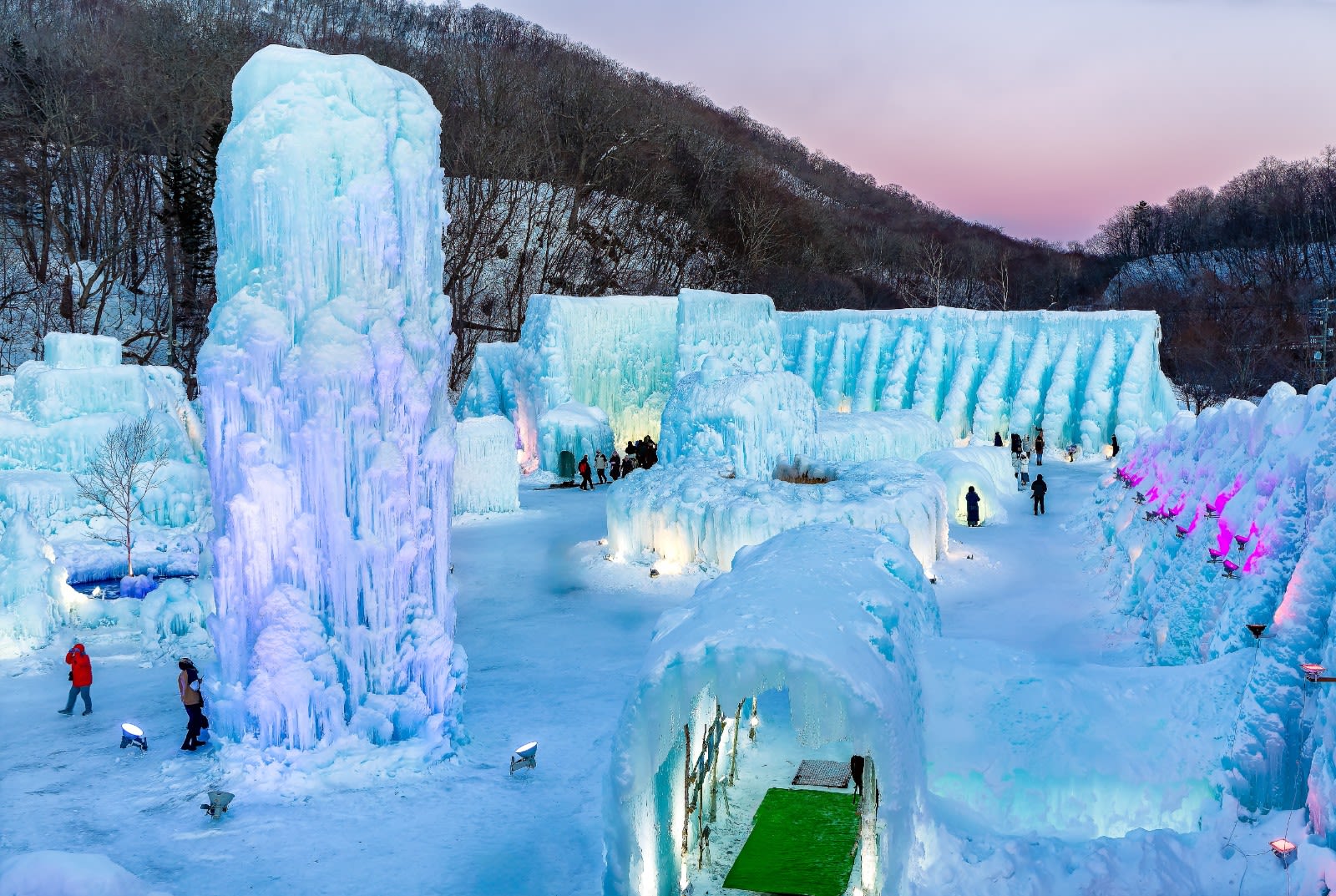
Shikaoi is a scenic town near Lake Shikaribetsu, famous for the winter-only Ice Village and the lake’s rare natural beauty. Visitors can enjoy canoeing, snowshoe trekking, and exploring Mount Hakuun or Tokachi Mountains. The town also features art museums, farm stays, and traditional soba noodle workshops. With clear air and a peaceful rural setting, Shikaoi is ideal for both active adventures and slow travel experiences.

Shintoku

Shintoku is the gateway to central Hokkaido’s mountainous terrain, known for soba (buckwheat noodles), horseriding, and easy access to the Tokachi-dake and Hidaka Mountains. It is home to the Tokachi Shintoku Farm, where visitors can enjoy horseback riding and interact with animals. The town also hosts soba festivals and has hiking trails leading to waterfalls and alpine vistas. It’s a great destination for food, farms, and outdoor adventures.

Shimizu

Shimizu is a peaceful town with rich dairy farming traditions, located near Obihiro and Tokachi’s wide plains. It is known for Shimizu Wagyu, a brand of premium beef raised in clean air and water. Visitors can tour farms, taste fresh milk and cheese, and enjoy views of the Tokachi Mountains. The town also offers golf courses, flower gardens, and access to the Tokachi Millennium Forest, an eco-tourism destination blending art and landscape.

Memuro

Memuro is a key agricultural town in the Tokachi region, known for its large-scale farms, especially for potatoes, beans, and corn. Visitors can enjoy hands-on farm experiences, local food markets, and the annual Memuro Agricultural Festival. The Tokachi Hills offer stunning panoramic views and seasonal flower displays. Memuro is also close to hot springs and ski areas, making it attractive year-round for both food lovers and outdoor enthusiasts.

Nakasatsunai

Nakasatsunai is a picturesque village famous for its pristine natural beauty, delicious edamame, and thriving arts scene. The Hanabatake Bokujo (Flower Garden Farm) is a popular stop offering soft-serve ice cream and picturesque gardens. The village also features the Nakasatsunai Art Village, where local and national artists exhibit their work. With cycling paths, forest walks, and quiet countryside vibes, Nakasatsunai is ideal for peaceful, artful rural exploration.

Sarabetsu

Sarabetsu is a small but innovative village that blends traditional agriculture with advanced farming technologies. Known for its rice and vegetables, Sarabetsu also promotes smart farming initiatives. The Sarabetsu Agricultural Park allows visitors to experience farming hands-on and learn about sustainable practices. Surrounded by scenic farmlands and close to Tokachi’s southern travel routes, Sarabetsu is a great stop for eco-conscious travelers and families seeking rural charm.

Taiki

Taiki is a forward-thinking town known for both its dairy industry and its growing reputation as a hub for space and aerospace development. The town collaborates with private space companies such as Interstellar Technologies, drawing interest from science and innovation enthusiasts. Visitors can also enjoy the peaceful Rekifune River, local onsen, and agricultural products like milk and yogurt. Taiki offers a rare mix of natural tranquility and futuristic ambition.

Hiro

Hiroo is a coastal town known for its rich fishing grounds and as the historic gateway for the Christmas reindeer delivery tradition from Finland to Japan. The town is famous for its annual Hiroo Santa Land Festival, the only official "Santa Land" outside of Norway. Visitors can explore Cape Erimo, where cliffs meet roaring seas, visit the Hiroo Fish Market, and enjoy fresh seafood like salmon and scallops. Hiroo blends festive charm with dramatic nature.

Makubetsu

Makubetsu is a lively town near Obihiro, famous for its beautiful parks, local hot springs like Yuu-yu Onsen, and unique cultural sites. It’s also known as the birthplace of "park golf," a casual and fun outdoor sport. The Chiyoda Park and botanical gardens offer colorful seasonal beauty, while the agricultural products, including beans and wheat, highlight Tokachi’s fertile land. Makubetsu blends leisure, nature, and local lifestyle in perfect harmony.

Ikeda

Ikeda is widely recognized as Hokkaido’s wine town, home to the famous Tokachi Wine Castle (Ikeda Wine Castle), where visitors can tour the winery, learn about wine-making, and sample local vintages. The town also features the Ikeda Railway Museum and vibrant autumn foliage. With Tokachi beef and rich cheese production, Ikeda offers a flavorful journey for gourmets. Set against rolling hills and vineyards, it’s perfect for relaxing and cultural exploration.

Toyokoro

Toyokoro is a tranquil coastal town known for its iconic Harunire Tree—a pair of elm trees fused into one, symbolizing strength and unity. The town is also famous for the mystical "jewel ice" phenomenon, where chunks of drift ice sparkle like crystals on the beach in winter. Visitors can enjoy the Tokachi River scenery, fresh seafood, and agricultural products like sugar beets. Toyokoro is perfect for those seeking beauty in nature and seasonal wonder.

Hombetsu

Hombetsu is a charming town in northern Tokachi known as the “Town of Beans,” due to its leading production of high-quality legumes. The Hombetsu Bean Museum introduces the history and varieties of local beans, while visitors can enjoy unique dishes like bean-based sweets and curry. The town also features the picturesque Hombetsu River and peaceful parks, making it ideal for slow travel and regional cuisine lovers seeking authenticity and calm.

Ashoro

Ashoro is the largest town by area in Japan and is surrounded by vast forests and mountains. It is home to the Ashoro Museum of Paleontology, showcasing dinosaur fossils and ammonites. The town also features Lake Onneto, a mysterious lake known for its ever-changing colors, located in Akan-Mashu National Park. Ashoro Onsen and scenic forest drives make this town ideal for nature lovers, geology fans, and those seeking tranquility.

Rikubetsu

Rikubetsu is famously known as the coldest town in Japan, with temperatures reaching below -30°C in winter. The town embraces its identity with the Mid-Winter Festival and the "Shibare Museum," which showcases life in extreme cold. It is also home to the Rikubetsu Space and Science Museum, featuring a planetarium and astronomy programs. With clear night skies and star-gazing events, Rikubetsu is a unique destination for science enthusiasts and winter adventurers.

Urahoro

Urahoro is a peaceful town located between Tokachi and Kushiro, offering access to both forests and coastline. It’s known for the “Urahoro Shrine” and “Urahoro Theater,” a restored historical movie house now used for cultural events. The town emphasizes sustainability and community-based tourism. With rich wildlife, camping areas, and locally grown produce like pumpkins and wheat, Urahoro is ideal for those seeking meaningful, rural escapes with cultural depth.

Akkeshi

Akkeshi, located in Hokkaido, Japan, is a quaint seaside town known for its historical sites and vibrant seafood culture. The town is famous for its oyster farming, which has been practiced for centuries. Visitors can explore the Akkeshi Oyster Museum, enjoy fresh oysters, and visit the scenic Akkeshi Bay. Additionally, Akkeshi is home to historical sites like the Akkeshi District Court and the Old Akkeshi Prison. It is an excellent destination for seafood lovers and those seeking a relaxing, coastal experience.

Hamanaka

Hamanaka is a coastal town famous as the hometown of the creator of “Detective Conan” and for its spectacular nature, including Cape Kiritappu and Kiritappu Wetland. The wetlands are a haven for birdwatching, especially in spring and summer when migratory birds arrive. The town also produces high-quality kombu (kelp) and seafood. Hamanaka offers a quiet, off-the-beaten-path experience for nature lovers and anime fans alike.

Shibecha

Shibecha is a town that blends vast grasslands, dairy farms, and part of the Kushiro Wetlands National Park. It's home to the famous Kottaro Wetland Observatory and the JR Senmo Line's "Moo Station." Visitors can enjoy horseback riding, local cheese, and canoeing on the Kushiro River. With its wide horizons and relaxing pace, Shibecha is ideal for rural escapes and nature photography.

Teshikaga

Teshikaga is a famous hot spring town home to Lake Mashu and Lake Kussharo, two of Hokkaido’s most scenic caldera lakes. Lake Mashu is known for its mysterious mist and deep blue water, often called the clearest lake in Japan. Lake Kussharo offers outdoor onsen, including the Sunayu beach hot spring. Teshikaga also has hiking trails through volcanic landscapes and local soba noodles made with pure water. It’s a perfect blend of geothermal wonders and cultural charm.

Tsurui

Tsurui is world-renowned as one of the best places to observe red-crowned cranes in the wild, particularly in winter. The village is part of the Kushiro Wetlands and provides protected habitats for wildlife. Tsurui-Ito Tancho Sanctuary is a must-visit for bird lovers and photographers. The quiet countryside, dairy farms, and eco-lodges make it ideal for sustainable travel and nature immersion.

Shiranuka

Shiranuka is a coastal town in eastern Hokkaido known for its premium local seafood, especially shishamo (smelt) and salmon. The town also offers panoramic views of the Pacific Ocean and access to the Akan foothills. Visitors can enjoy the Shiranuka Onsen, which provides a peaceful atmosphere with sea views. Local specialties like shiranuka wagyu beef and handmade cheese also draw gourmet travelers. With a blend of ocean and countryside, Shiranuka is perfect for slow travel.

Betsukai

Betsukai is one of Japan’s largest dairy-producing towns, famous for its sprawling pastures and high-quality milk. Visitors can tour dairy farms, sample rich soft serve, and visit the Notsuke Peninsula—Japan’s largest sand spit—known for its wild scenery and roaming deer. The town also borders Lake Furen and is a popular birdwatching destination. With vast horizons and a strong agricultural identity, Betsukai is a must-visit for eco-tourism and rural charm.

Nakashibetsu

Nakashibetsu is a central hub of eastern Hokkaido known for the breathtaking Kaiyodai Observatory, which offers 330-degree panoramic views of rolling hills and dairy pastures. It’s a gateway to Shiretoko and the Nemuro region, and visitors can explore nature trails, scenic drives, and the Nakashibetsu Airport for easy access. Nakashibetsu also offers local gourmet delights, such as fresh milk, yogurt, and pork. A great destination for driving, nature, and delicious countryside cuisine.

Rausu

Rausu, located on the Shiretoko Peninsula in Hokkaido, Japan, is a UNESCO World Heritage site known for its untouched natural beauty and abundant wildlife. Rausu is a gateway to the Shiretoko National Park, famous for its rugged mountains, pristine lakes, and diverse ecosystems. Visitors can enjoy hiking, wildlife watching, and sightseeing tours around the stunning landscapes, including the Shiretoko Five Lakes. The town is also well-known for its seafood, especially its fresh crab and fish, making it a must-visit destination for nature enthusiasts and food lovers.

What to Eat in Hokkaido

Things to Do in Hokkaido