Things to do and eat in Okinawa

Overview

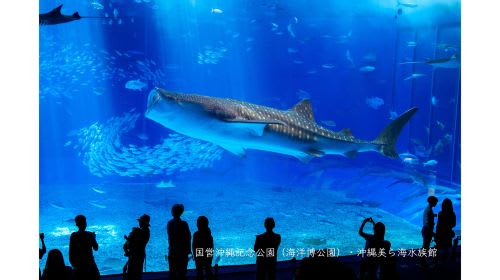
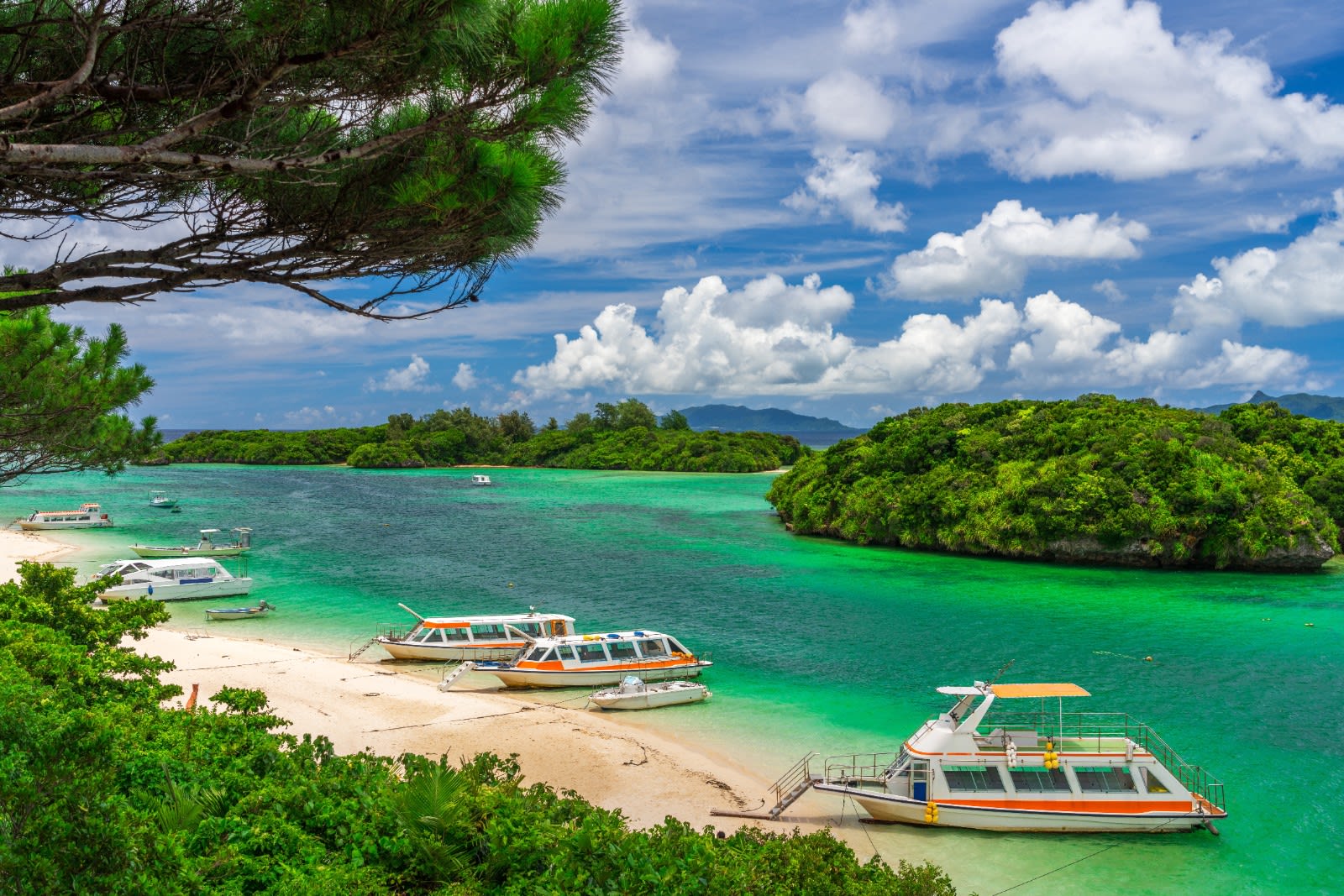
Okinawa, Japan’s southernmost prefecture, is a tropical paradise with a unique culture. The Okinawa Churaumi Aquarium, one of the largest in the world, is home to giant whale sharks and vibrant coral reefs. The Shuri Castle, a UNESCO World Heritage site, reflects the rich history of the Ryukyu Kingdom. Okinawa’s pristine beaches, such as Kabira Bay on Ishigaki Island, offer snorkeling and diving opportunities in crystal-clear waters. Traditional Ryukyuan cuisine, including goya champuru and umibudo (sea grapes), provides a taste of Okinawa’s distinct culinary heritage. Visitors can also explore the peaceful forests of Iriomote Island and learn about Okinawa’s World War II history at the Peace Memorial Park.

Areas

Naha

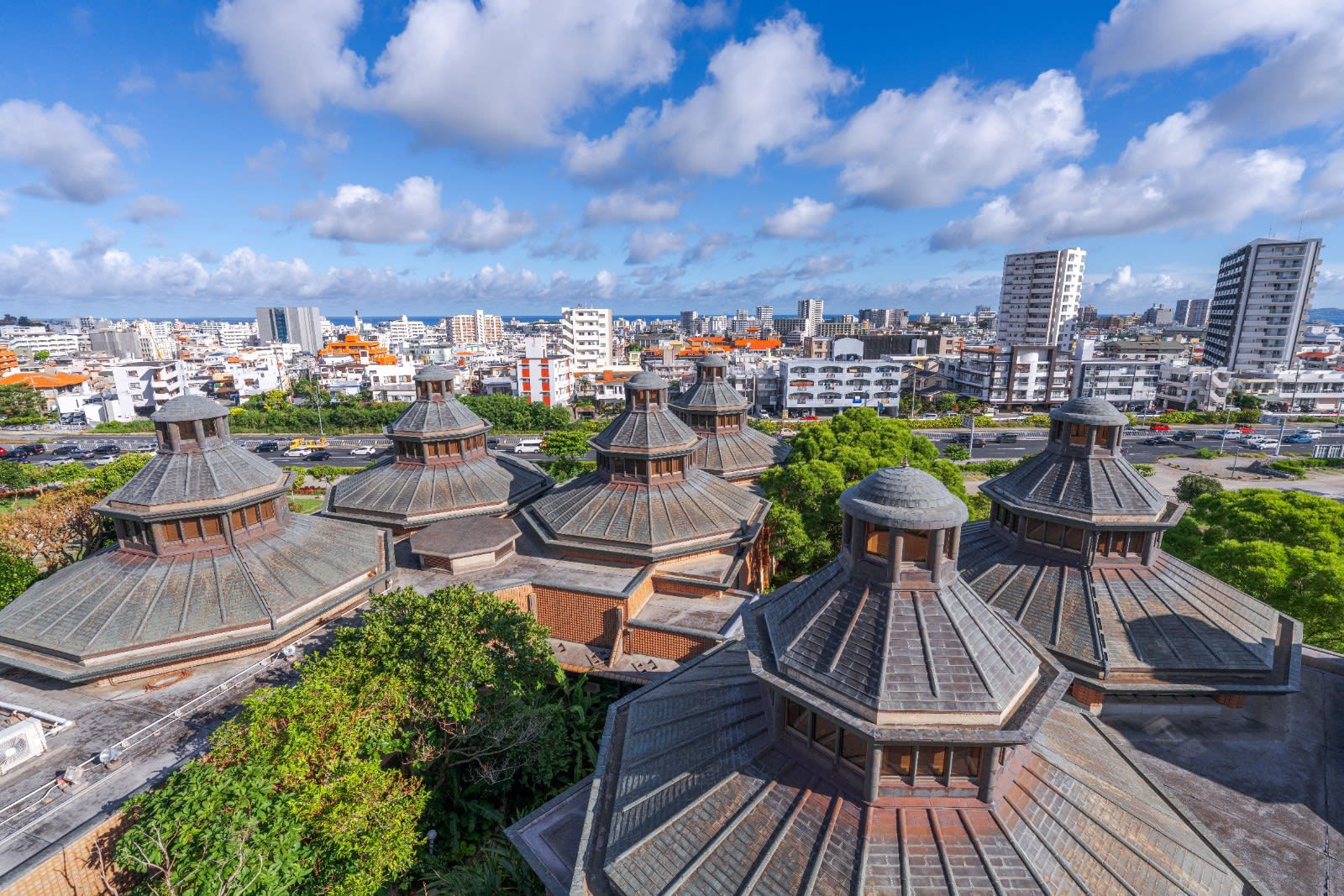
Naha is the capital city of Okinawa Prefecture and serves as a major cultural and economic center of the region. Known for its rich history, Naha is home to the iconic Shurijo Castle and vibrant markets like Kokusai Dori. The city offers a mix of modernity and tradition, with historic sites, shopping districts, and excellent restaurants offering local Okinawan cuisine.
Ginowan

Ginowan is a city located in Okinawa Prefecture, Japan, known for its proximity to Okinawa’s military bases and its vibrant residential areas. The city offers a mix of modern living with beautiful beaches like Araha Beach, perfect for those who want a blend of urban and coastal life. It also hosts a number of parks and recreational facilities.

Ishigaki

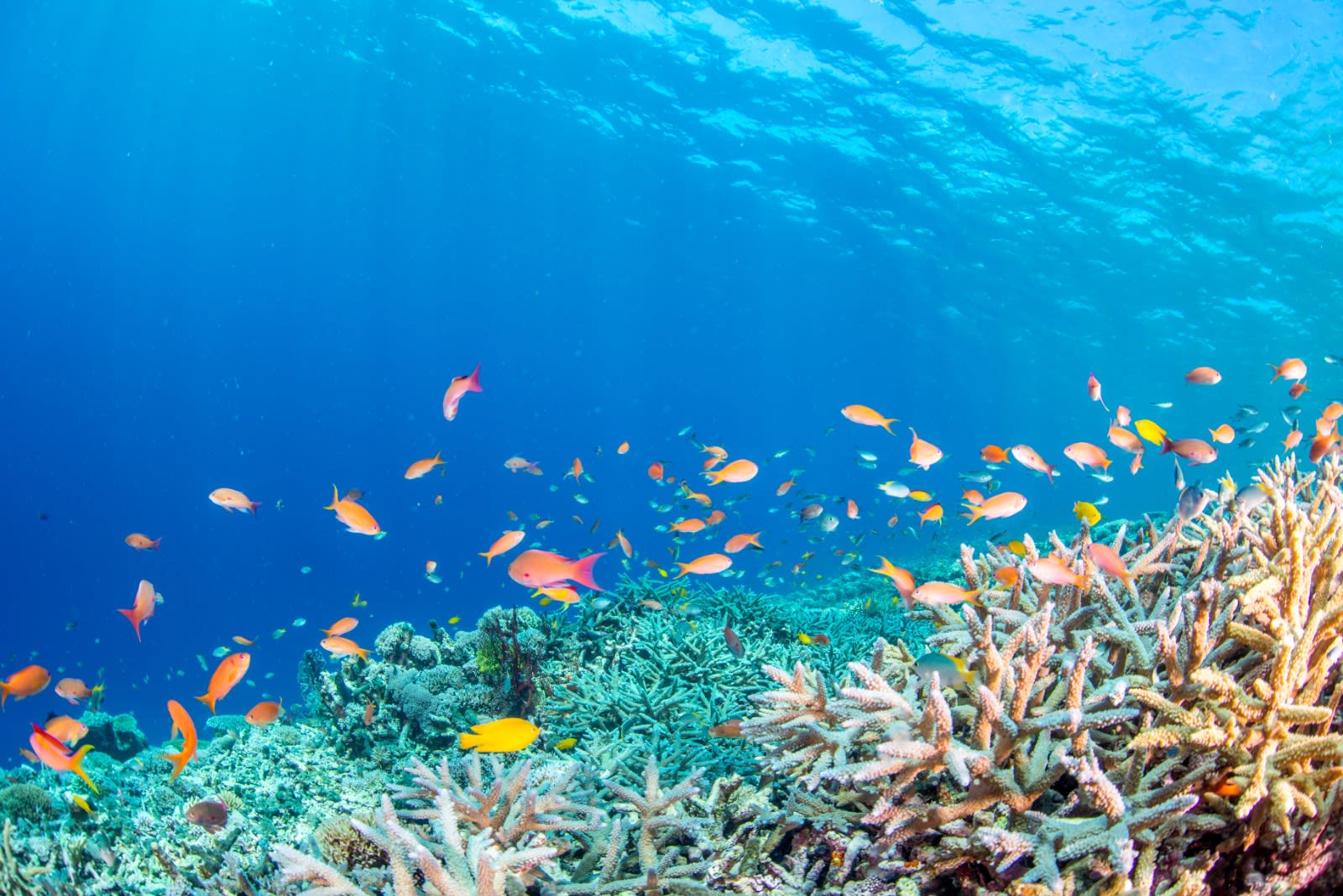
Ishigaki is an island city in Okinawa Prefecture, renowned for its stunning beaches, crystal-clear waters, and rich natural landscapes. As the main island of the Yaeyama Islands, it serves as a gateway to explore other nearby islands like Taketomi and Kohama. Visitors often come to Ishigaki for diving, snorkeling, and exploring the unique coral reefs.

Urasoe

Urasoe is a city located on the island of Okinawa, Japan. It is known for its rich history, particularly the Urasoe Castle ruins, and its proximity to the capital, Naha. The city has a perfect balance of urban convenience and natural beauty, with parks, shopping areas, and stunning coastal views. Urasoe also hosts a number of cultural festivals throughout the year.

Nago

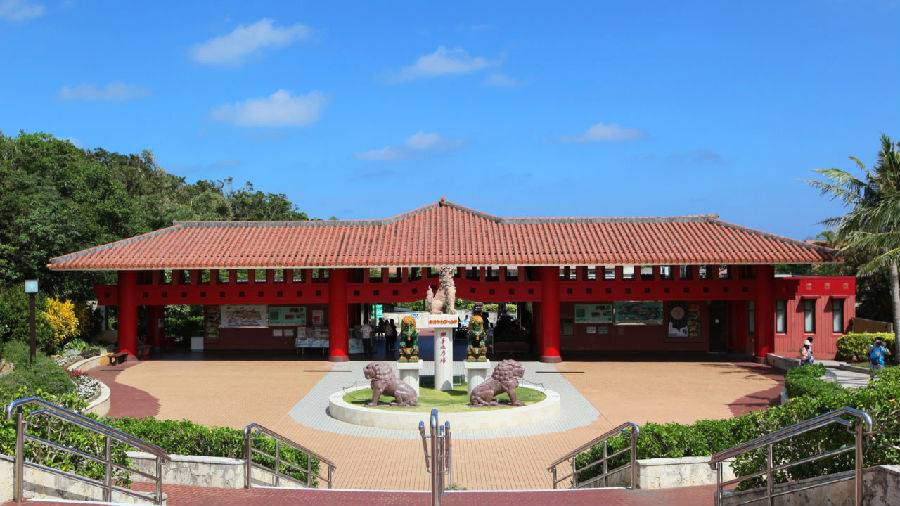
Nago is a city located in the northern part of Okinawa Island, Japan. Known for its beautiful beaches, including the famous Nago Pineapple Park, the city offers a mix of nature and modern amenities. Nago is a popular spot for travelers looking to explore the scenic northern part of Okinawa, with opportunities for outdoor activities such as hiking, swimming, and diving.

Itoman

Itoman is a city located at the southern tip of Okinawa Island. It is known for its rich history, including the Battle of Okinawa, with the Peace Memorial Park being a significant site. The city is also famous for its fishing industry and fresh seafood, especially tuna.

Okinawa

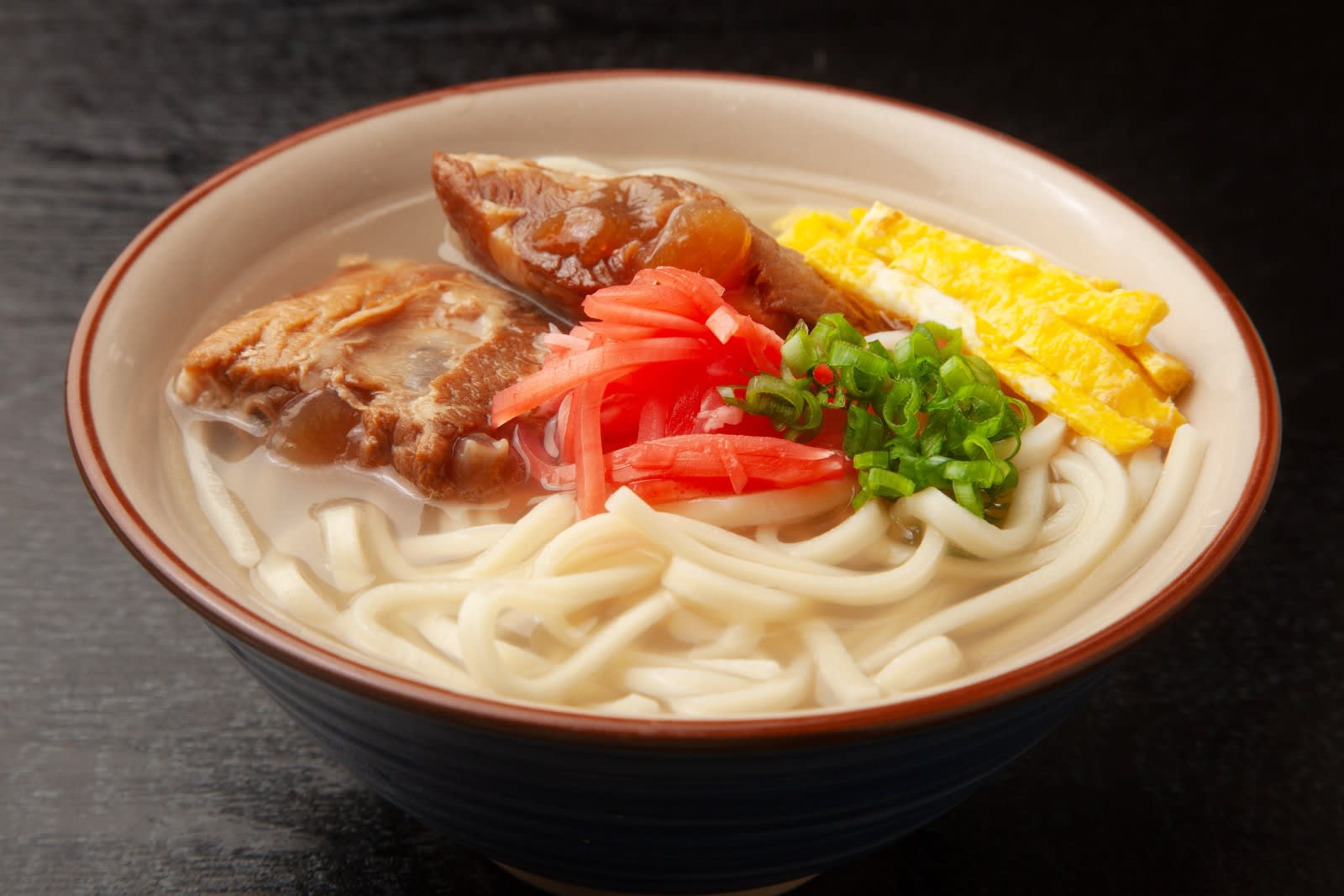
Okinawa is a prefecture consisting of several islands, known for its subtropical climate, beautiful beaches, and rich cultural heritage. The main island offers diverse activities such as historical tours, water sports, and nature exploration. Okinawa is also famous for its cuisine, including dishes like Okinawa soba.

Tomigusuku

Tomigusuku is a city located in the southern part of Okinawa Island. It is a residential area with a mix of modern developments and traditional Okinawan culture. The city is also home to the Okinawa World theme park and the Gyokusendo Cave, which showcases Okinawan history and culture.

Uruma

Uruma is a city located in the central part of Okinawa Island, offering a peaceful environment and beautiful natural landscapes. The city is known for its scenic coastline, with beaches like Sun Marina Beach and scenic spots such as the Katsuren Castle ruins. It is also home to the famous Churaumi Aquarium.

Miyakojima

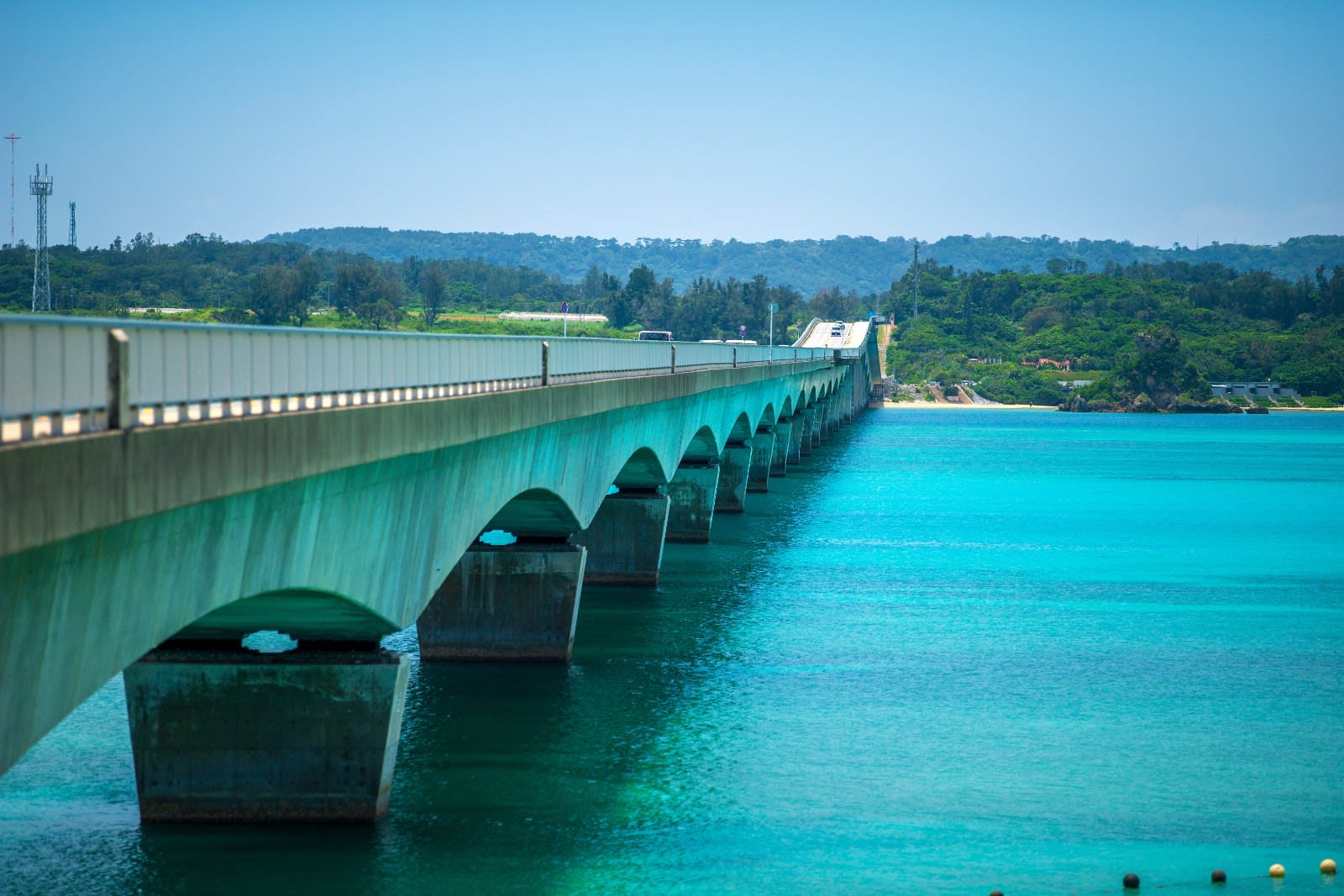
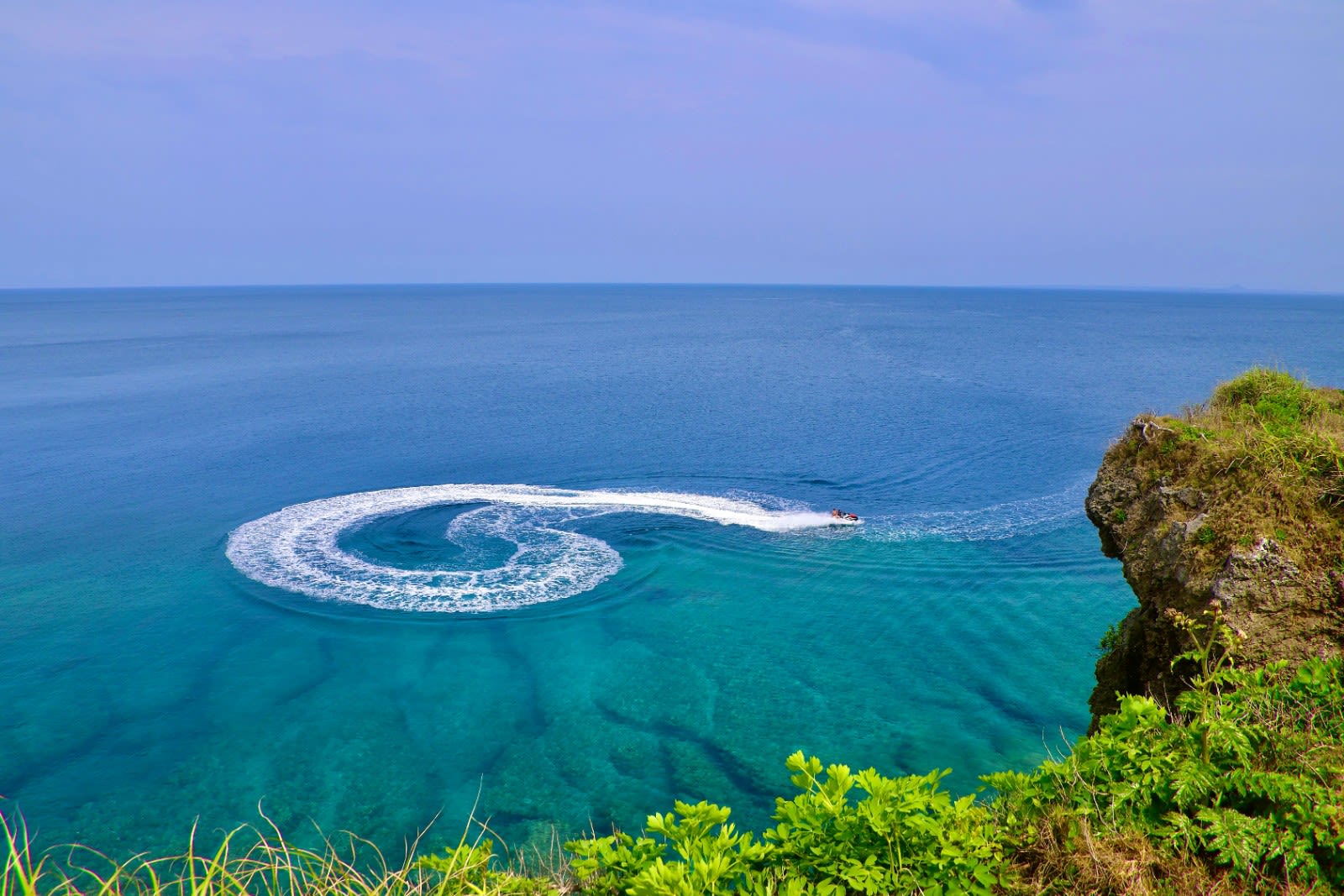
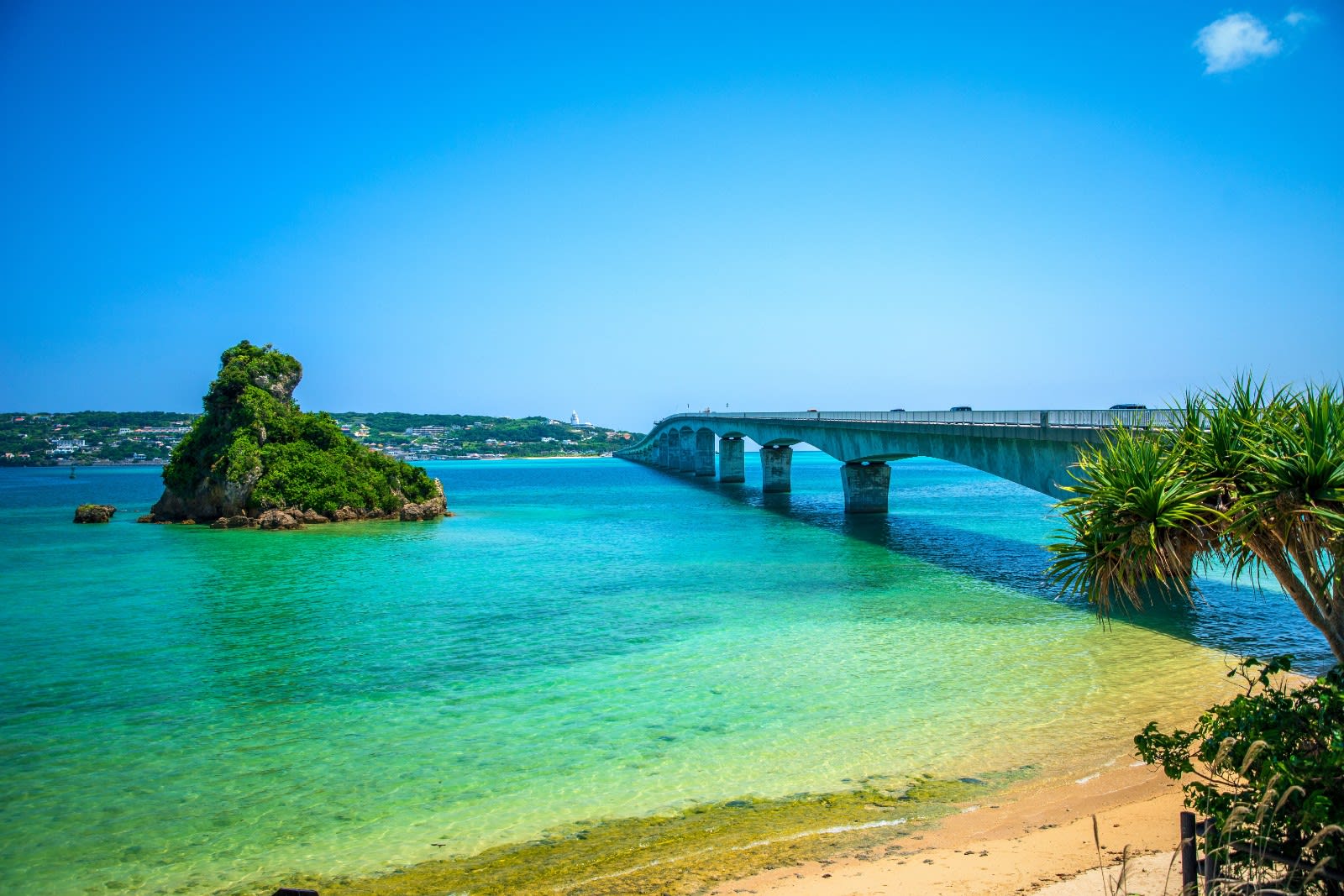
Miyakojima is a picturesque island city located in Okinawa Prefecture, famous for its clear turquoise waters, white sand beaches, and coral reefs. It's a paradise for diving, snorkeling, and marine sports. The island is also home to the stunning Irabu Bridge and rich cultural traditions such as traditional sugar cane farming and folk festivals.

Nanjo

Nanjo is a peaceful city in southern Okinawa, known for its sacred sites like Sefa Utaki, a UNESCO World Heritage Site. The area is rich in spiritual culture and offers tranquil nature spots, coastal views, and wellness experiences. It's a great place for those seeking calm and a connection to traditional Ryukyu heritage.

Kunigami

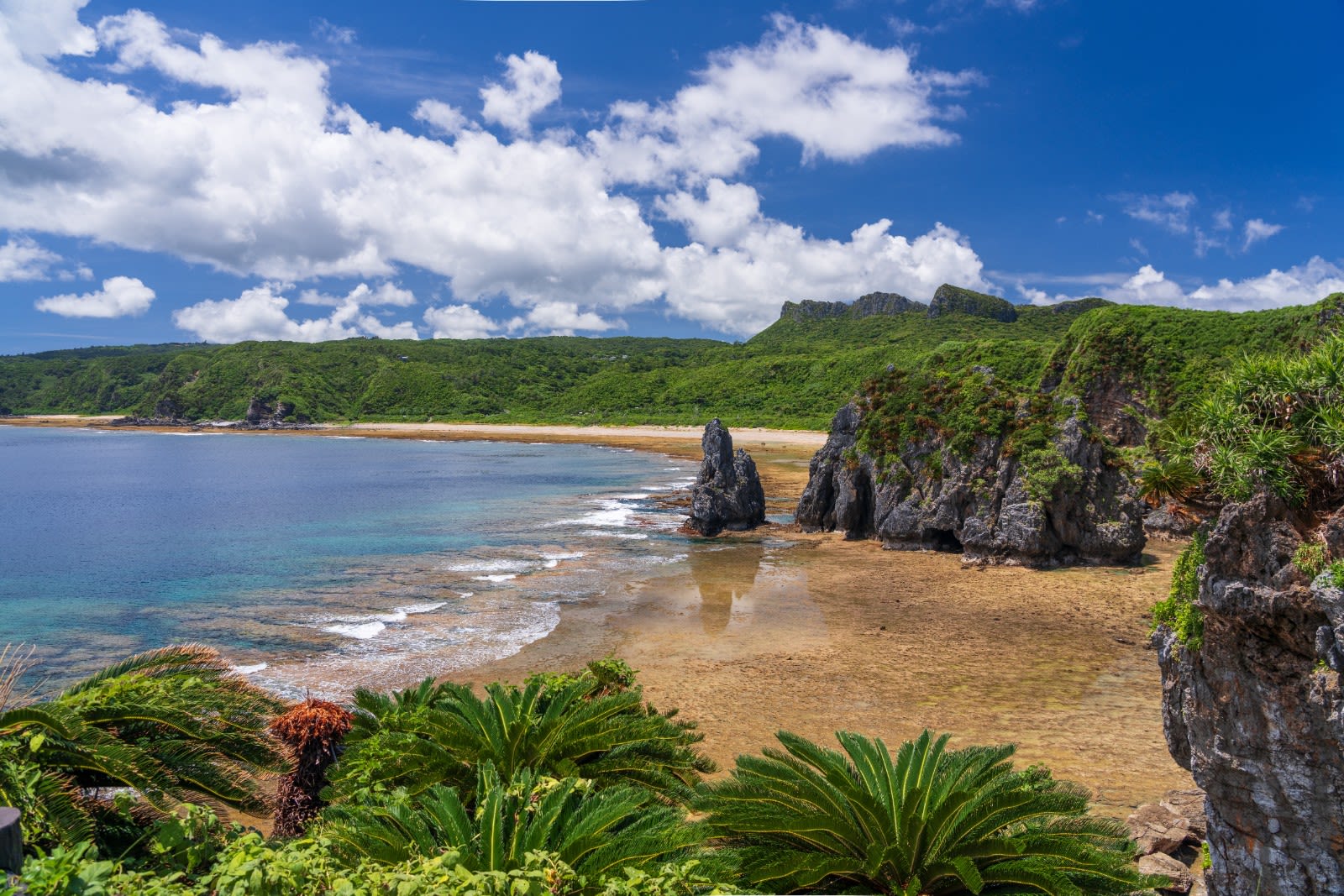
Kunigami is the northernmost village on Okinawa’s main island, famous for its vast subtropical forests, endemic wildlife, and eco-tourism. The village is part of Yanbaru National Park, home to the endangered Okinawa Rail (Yambaru Kuina) and countless hiking trails. Cape Hedo offers breathtaking ocean views where the East China Sea meets the Pacific. Visitors can kayak through mangroves, camp in nature, and immerse themselves in the rich biodiversity of Okinawa’s “forest of life.

Ogimi

Ogimi is a peaceful coastal village in northern Okinawa, celebrated for its longevity culture and lush greenery. Often called the “Village of Longevity,” Ogimi is home to some of the world’s longest-living people. Visitors can experience traditional Okinawan lifestyle through local cuisine, bashofu weaving, and interactions with elders. The serene coastal roads and mountain trails offer scenic beauty, while festivals like Shishimai (Lion Dance) add cultural depth. Ogimi is a rare place where nature, health, and wisdom coexist.

Higashi

Higashi is a quiet village on the east coast of northern Okinawa, offering deep forests, clear rivers, and the serene Fukuji Dam Lake. Known for its pineapple farming and eco-tourism, the village is ideal for kayaking, birdwatching, and forest therapy. The Azalea Festival in spring paints the hills in color and attracts thousands of visitors. Higashi’s untouched nature, small community charm, and commitment to conservation make it a hidden gem for nature lovers.

Nakijin

Nakijin is a historic and picturesque village in northern Okinawa, best known for the Nakijin Castle Ruins, a UNESCO World Heritage Site offering panoramic views and cherry blossoms in early spring. The village also features peaceful beaches like Nagahama Beach and Imadomari Beach, which are ideal for snorkeling and sunset viewing. With its mix of Ryukyuan heritage, scenic beauty, and slower rural lifestyle, Nakijin provides a deeply immersive Okinawan cultural and natural experience.

Motobu

Motobu is a coastal town in northern Okinawa, best known for the Okinawa Churaumi Aquarium, one of Japan’s largest and most impressive aquariums. The area features beautiful beaches, scenic drives, and access to nearby islands such as Sesoko and Minna. It’s a favorite destination for families and ocean lovers.

Onna

Onna is a scenic resort village on the west coast of Okinawa’s main island, popular for its upscale beach resorts, snorkeling spots, and dramatic cliffs like Cape Manzamo. The village blends natural beauty with luxury and tradition, offering both cultural experiences and modern amenities.

Ginoza

Ginoza is a coastal village on the eastern side of Okinawa’s main island, known for its rich natural environment and family-friendly attractions. The Ginoza Roadside Station offers fresh local produce, tropical fruit desserts, and panoramic sea views. Nearby, visitors can enjoy Kanna Dam Park, forest walking trails, and seasonal flower fields. The village is also active in baseball tourism, hosting pro teams’ spring training. Ginoza offers a mix of nature, leisure, and local charm.

Kin

Kin is a culturally rich town in Okinawa, Japan, known for its deep-rooted traditions and unique blend of local and American influences due to the nearby Camp Hansen. Visitors can explore Kin Kannon-ji Temple, relax at Kin Cape Park with stunning ocean views, or try the town’s famous taco rice, which originated here. The town also offers access to caves, scenic coastal drives, and Okinawan craft shops, offering an immersive experience of island culture.

Ie

Ie is a charming island village located off the northwest coast of Okinawa’s main island. Easily accessible by ferry from Motobu, Ie is known for Ie Island Lily Festival, held every spring on a hilltop park filled with over one million lilies. The island features striking landmarks like Mount Gusuku, a unique, rocky hill with sweeping ocean views. With pristine beaches, local culture, and laid-back island vibes, Ie is perfect for a peaceful retreat from the mainland.

Yomitan

Yomitan is a coastal village in Okinawa famous for its traditional Okinawan culture, pottery, and stunning seaside landscapes. The village is home to Yachimun no Sato, a pottery village where visitors can see local artisans at work. Other highlights include Zakimi Castle Ruins, a UNESCO World Heritage Site, and Nirai Beach, perfect for snorkeling and sunset viewing. Yomitan also offers local craft workshops, peaceful resorts, and a laid-back atmosphere ideal for slow travel.

Kadena

Kadena is widely known for Kadena Air Base, the largest U.S. Air Force base in the Far East, but the town also offers a unique blend of modern military presence and local Okinawan charm. Visit the Kadena Air Base Viewpoint for a rare glimpse of military aircraft operations. The town also features Kaneku Seaside Park and Kadena Marina, both popular for water sports and seaside relaxation. Kadena gives travelers a rare view into Okinawa's postwar transformation and peaceful coexistence of cultures.

Chatan

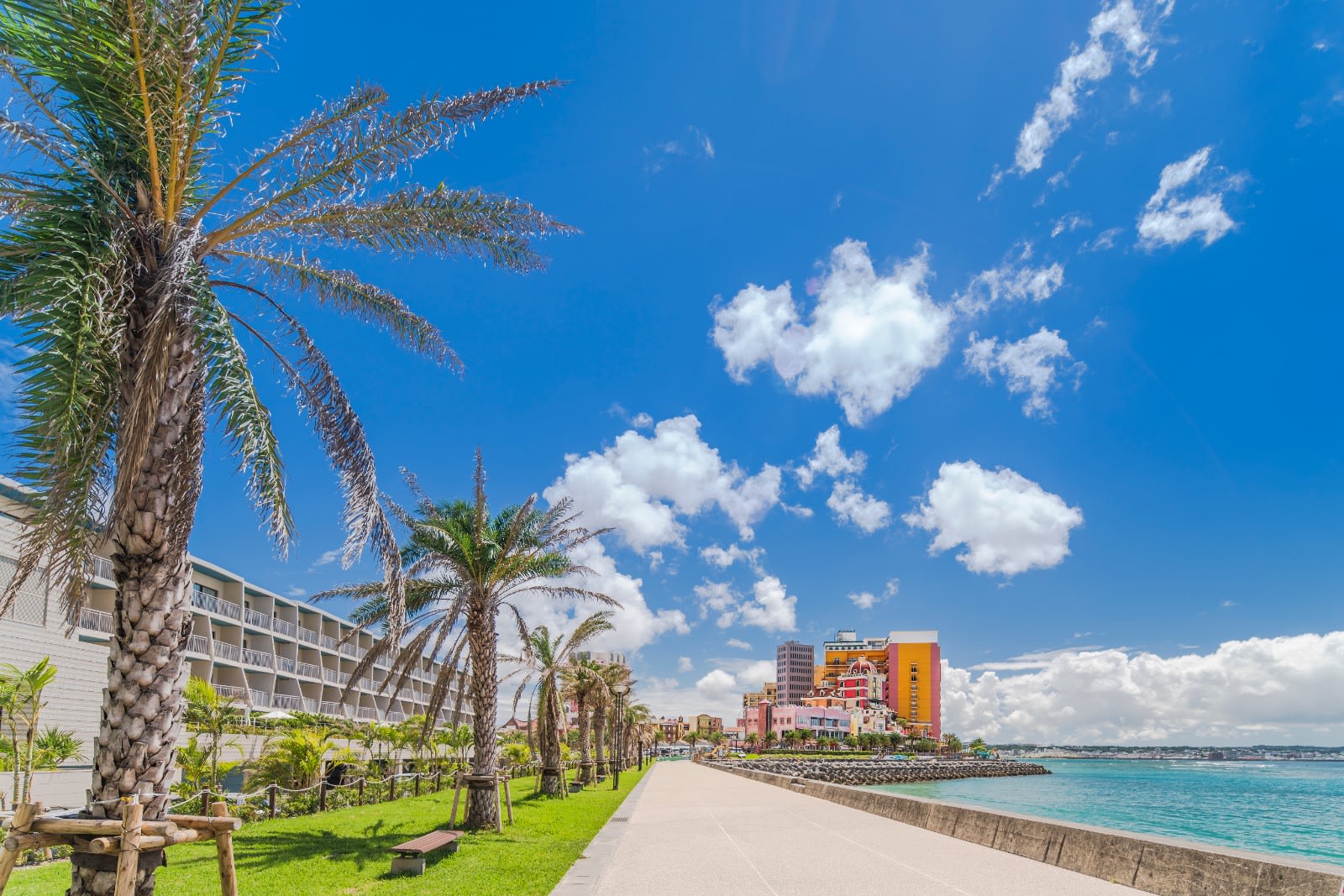
Chatan is a trendy seaside town in Okinawa best known for American Village, a vibrant shopping and entertainment complex filled with colorful buildings, cafes, and nightlife. Sunset Beach is a favorite for locals and tourists alike, offering picture-perfect ocean views. Chatan also features Mihama Ferris Wheel, Araha Beach, and gourmet burger joints. The town combines beachside leisure with a cosmopolitan flair, making it ideal for young travelers and families alike.

Kitanakagusuku

Kitanakagusuku is a culturally rich village in central Okinawa, known for the majestic Nakagusuku Castle Ruins, another UNESCO World Heritage Site. The village blends historical significance with modern wellness, offering experiences like hot springs, Okinawan cuisine, and traditional crafts. The Nakagusuku Park Area also features scenic walking trails and seasonal flower festivals. Kitanakagusuku’s mix of castle heritage, local hospitality, and accessible location makes it a rewarding cultural stop near Naha.

Nakagusuku

Nakagusuku is a village steeped in history and elevated coastal views, located in central Okinawa. Its highlight is the Nakagusuku Castle Ruins, a UNESCO World Heritage Site offering panoramic views of the Pacific Ocean and East China Sea. The village blends Ryukyuan heritage with modern wellness, featuring resorts, spas, and local food spots. It’s also home to traditional homes and shrines tucked into lush hillsides, perfect for cultural walks and photography.

Nishihara

Nishihara is a vibrant and youthful town in southern Okinawa, often referred to as an academic hub due to the presence of University of the Ryukyus. The town blends urban convenience with scenic beauty, offering parks, cultural centers, and views of the coastline. Events like local Eisa dance performances and seasonal festivals reflect its active community. Nishihara’s easy access to Naha and educational institutions make it a lively base for both cultural tourism and student life.

Yonabaru

Yonabaru is a small coastal town with a long maritime history and a strong sense of local identity. Located southeast of Naha, it is known for the Yonabaru Tug-of-War Festival, one of Okinawa’s oldest traditional events. The town’s seaside area is perfect for cycling and walking, offering views of Nakagusuku Bay. Local markets, craft shops, and traditional eateries give visitors a chance to experience daily island life at a relaxed pace.

Haebaru

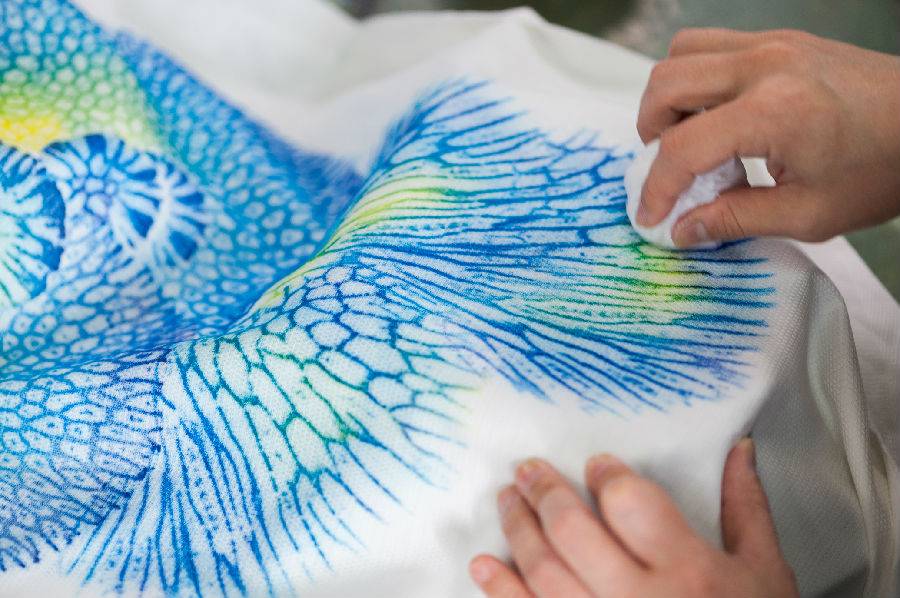
Haebaru, located just southeast of Naha, is a vibrant town known for its rich textile heritage and deep wartime history. The Haebaru Town Museum offers exhibits on Okinawan traditional crafts and World War II underground tunnels. The town is also famous for Haebaru Hanaori, a delicate woven textile unique to the region. With a strong sense of community, cultural festivals, and its proximity to the capital, Haebaru provides both cultural depth and convenient access for travelers.

Tokashiki

Tokashiki Island, part of the Kerama Islands, is renowned for its crystal-clear waters and thriving coral reefs. Accessible by ferry from Naha, it's a paradise for snorkelers and divers. Aharen Beach is the main attraction, offering white sands and vibrant marine life. Tokashiki also has scenic hiking trails, breathtaking viewpoints, and cozy guesthouses for a perfect island escape. Its laid-back charm and ecological richness make it a hidden gem of Okinawa.

Zamami

Zamami Island is another jewel of the Kerama Islands, offering pristine beaches like Furuzamami and Ama, famous for snorkeling, swimming, and seasonal whale watching. The island's turquoise waters are part of the Kerama Shoto National Park, known for exceptional biodiversity. Visitors can enjoy local seafood, hiking trails with ocean panoramas, and cozy island accommodations. Zamami combines unspoiled nature with a warm community vibe, making it a must-visit for nature lovers.

Aguni

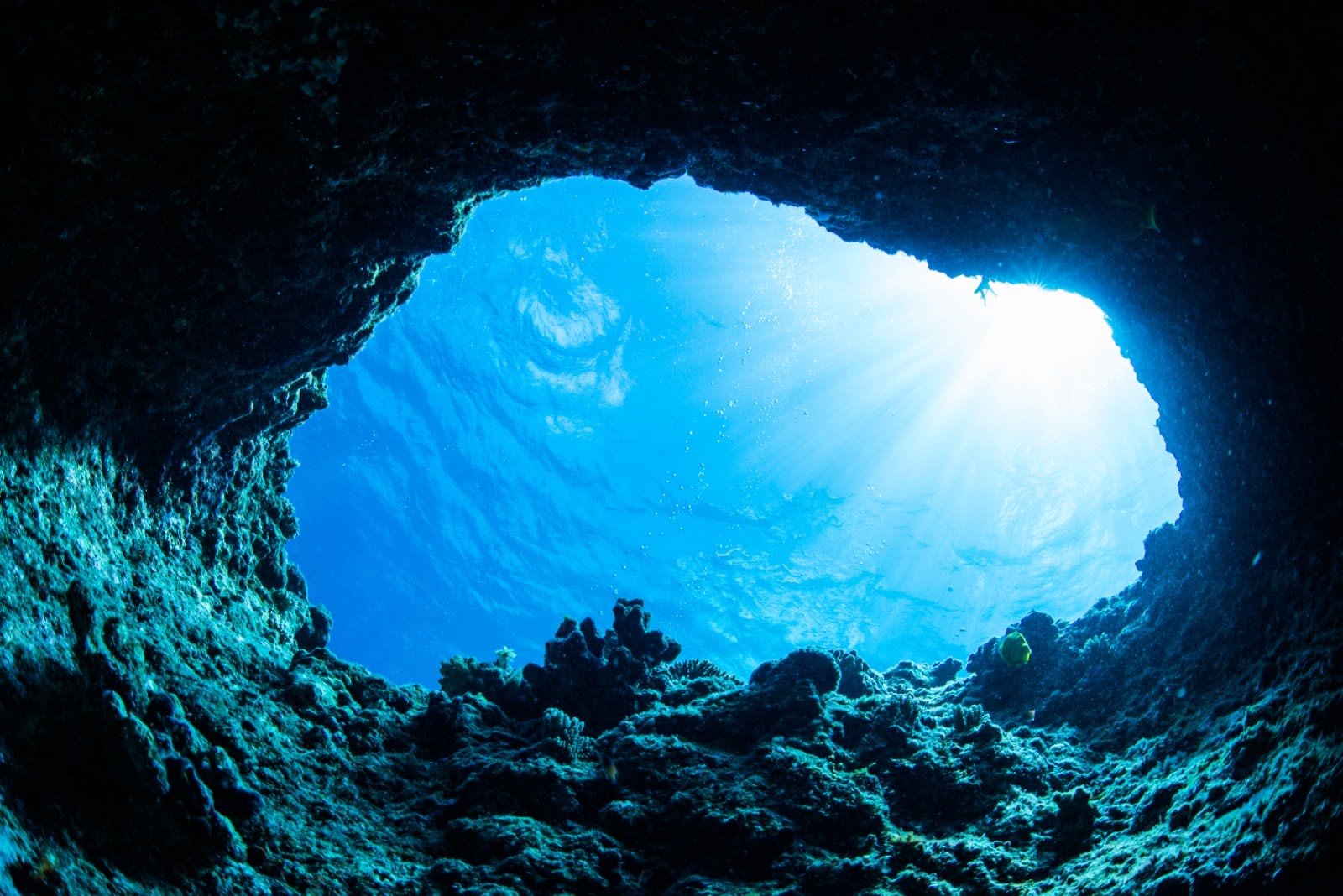
Aguni is a remote island village located about 60 km northwest of Naha. With a small population and untouched natural surroundings, it is a haven for divers, hikers, and those seeking a quiet escape. The island’s Aguni Diving Spots are famous for clear visibility, sea turtles, and untouched coral reefs. The Aguni Island Festival showcases local traditions and hospitality. With dramatic cliffs, wild goats, and star-filled skies, Aguni offers a deep connection to Okinawa’s rural island soul.

Tonaki

Tonaki is a tiny, remote island west of Okinawa’s main island, known for its perfectly preserved traditional Okinawan village layout, whitewashed walls, and coral-stone fences. With crystal-clear waters and vibrant coral reefs, the island is a paradise for snorkeling and kayaking. As part of Kerama Shoto National Park, Tonaki offers untouched nature, peaceful beaches, and stargazing opportunities. With limited tourism and a strong preservation ethic, Tonaki is ideal for travelers seeking quiet beauty and authentic island culture.

Minamidaito

Minamidaito is a remote island in the Pacific Ocean, located over 360 km east of Okinawa’s main island. Formed from an ancient coral reef, the island features steep sea cliffs, unique sinkholes, and dramatic landscapes. Unlike other Okinawan islands, Minamidaito has no natural beaches, but its geological beauty is striking. The village hosts the annual Daito Festival, a vibrant showcase of dance, music, and agricultural culture. This isolated island offers a rare, off-the-beaten-path adventure into Okinawa’s frontier spirit.

Kitadaito

Kitadaito is the sister island of Minamidaito and shares a similar dramatic landscape formed from ancient coral. It is known for its sea cliff coastlines, salt pans, and sugarcane farming. Historically settled by pioneers from Hachijojima in the Meiji era, the island retains a unique cultural identity blending Ryukyuan and Japanese traditions. Attractions include Kitadaito Observatory, offering views of the surrounding sea, and cultural archives documenting its pioneering history. It’s a remote and resilient island full of quiet stories.

Iheya

Iheya is Okinawa’s northernmost inhabited island, renowned for its emerald-blue waters, Iheya Beach, and sacred sites connected to ancient Ryukyuan legends. The island’s rural charm is enhanced by its rice paddies, limestone cliffs, and friendly islanders. Visitors can enjoy fishing, cycling, and learning about local spiritual customs at sites like Kumaya Cave and Ufudaki Sacred Peak. With limited tourism infrastructure, Iheya offers a pure, peaceful island escape deeply rooted in tradition and nature.

Izena

Izena is a tranquil island village northwest of Okinawa’s main island, known as the birthplace of King Sho En, the first king of the Ryukyu Dynasty’s Second Shō dynasty. The Izena Castle Ruins and Sho En’s Mausoleum are key historical landmarks. Surrounded by turquoise seas, coral reefs, and green hills, the island is also ideal for snorkeling, diving, and cycling. Visitors can experience rural Ryukyu culture and hospitality through homestays and local festivals such as the Izena Fire Festival.

Kumejima

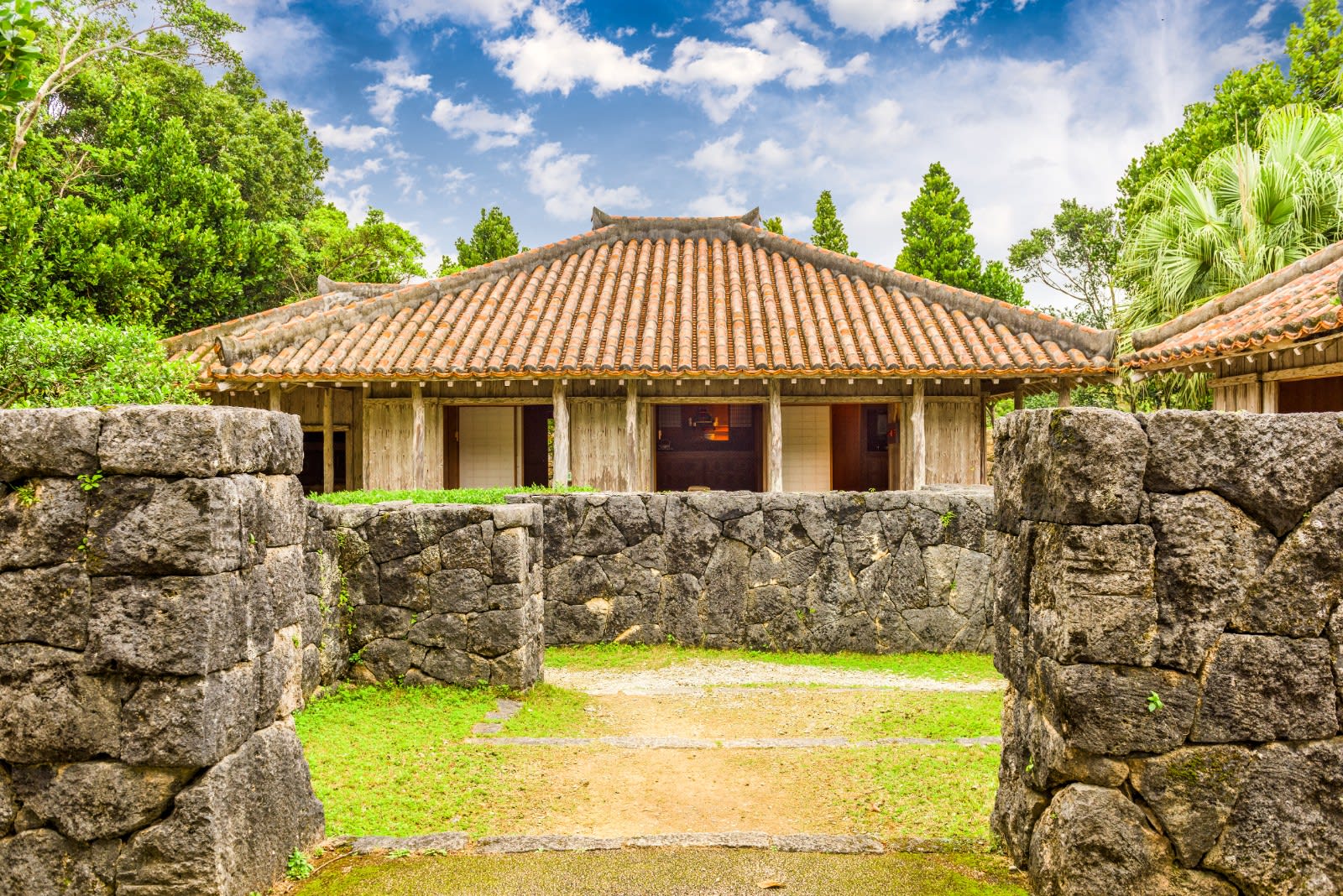
Kumejima is a serene island west of Okinawa Main Island, celebrated for its stunning nature and historical heritage. The most iconic spot is Hatenohama, a long stretch of pure white sandbar floating in emerald waters. Visitors can explore the Tatami-ishi rock formation, Uezu House (a preserved samurai residence), and Eef Beach. Kumejima is also known for sea salt production and the traditional Kumejima Tsumugi silk. A perfect destination for peaceful retreats and cultural experiences.

Yaese

Yaese is a town in southern Okinawa that blends history, nature, and community spirit. It is home to ancient ruins like Gusuku Sites, traditional tombs, and scenic places such as Hanashiro-no-Taki waterfall and the Yaese Park, offering panoramic views of the southern coast. The town is also known for local festivals including Yaese Festival, which showcases Eisa dancing and Okinawan performing arts. Its balance of residential life and cultural richness makes it a calm yet interesting stop for visitors.

Tarama

Tarama is a remote island village located between Miyako and Ishigaki Islands. Comprising Tarama and Minna Islands, it is famous for its strong cultural traditions, sugarcane fields, and pristine nature. The highlight is the Ungami Festival, a UNESCO-designated intangible cultural heritage that features ritual sea voyages and traditional performances. The island also offers peaceful beaches, crystal-clear waters, and stargazing with minimal light pollution. Tarama provides a unique insight into the spiritual and agricultural life of the Ryukyus.

Taketomi

Taketomi Island is a picturesque destination in the Yaeyama Islands, known for its traditional Ryukyu-style red-tile houses, sandy streets, and preserved village scenery. Water buffalo cart rides offer a nostalgic experience through the charming townscape. The island also boasts pristine beaches such as Kondoi and Kaiji, famous for their clear turquoise waters and star-shaped sand. Taketomi offers a glimpse into old Okinawan life, with a peaceful atmosphere that makes it a timeless escape.

Yonaguni

Yonaguni Island is Japan’s westernmost point, offering dramatic coastal cliffs, wild horses, and mysterious underwater ruins. Famous for the Yonaguni Monument, a submerged rock formation resembling ancient architecture, it attracts divers from around the world. The island’s rugged nature, including Cape Irizaki and the Tindabana cliffs, along with local culture and unique dialect, give it a remote, adventurous charm unlike anywhere else in Japan.

What to Eat in Okinawa

Things to Do in Okinawa