Nagano

Overview

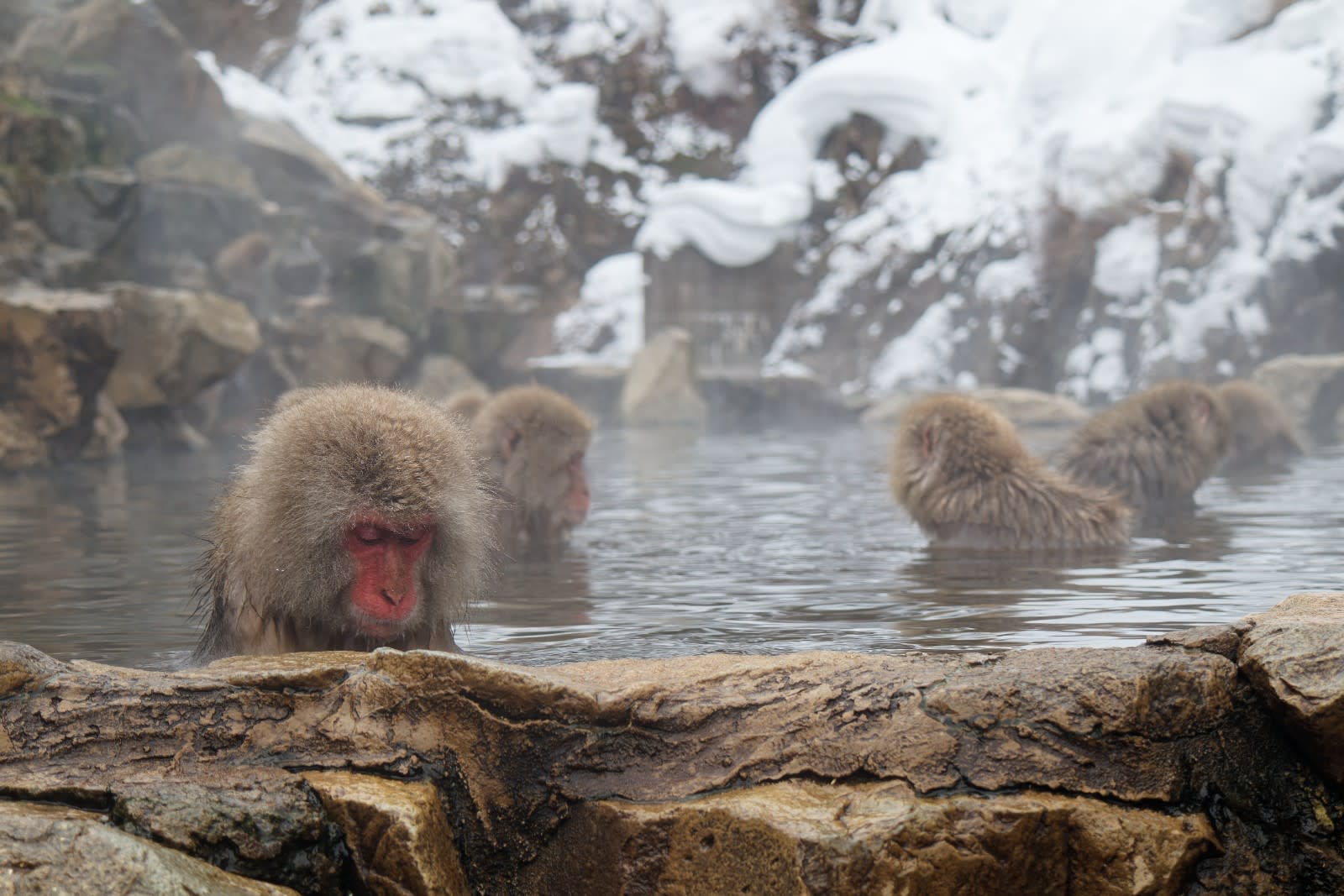
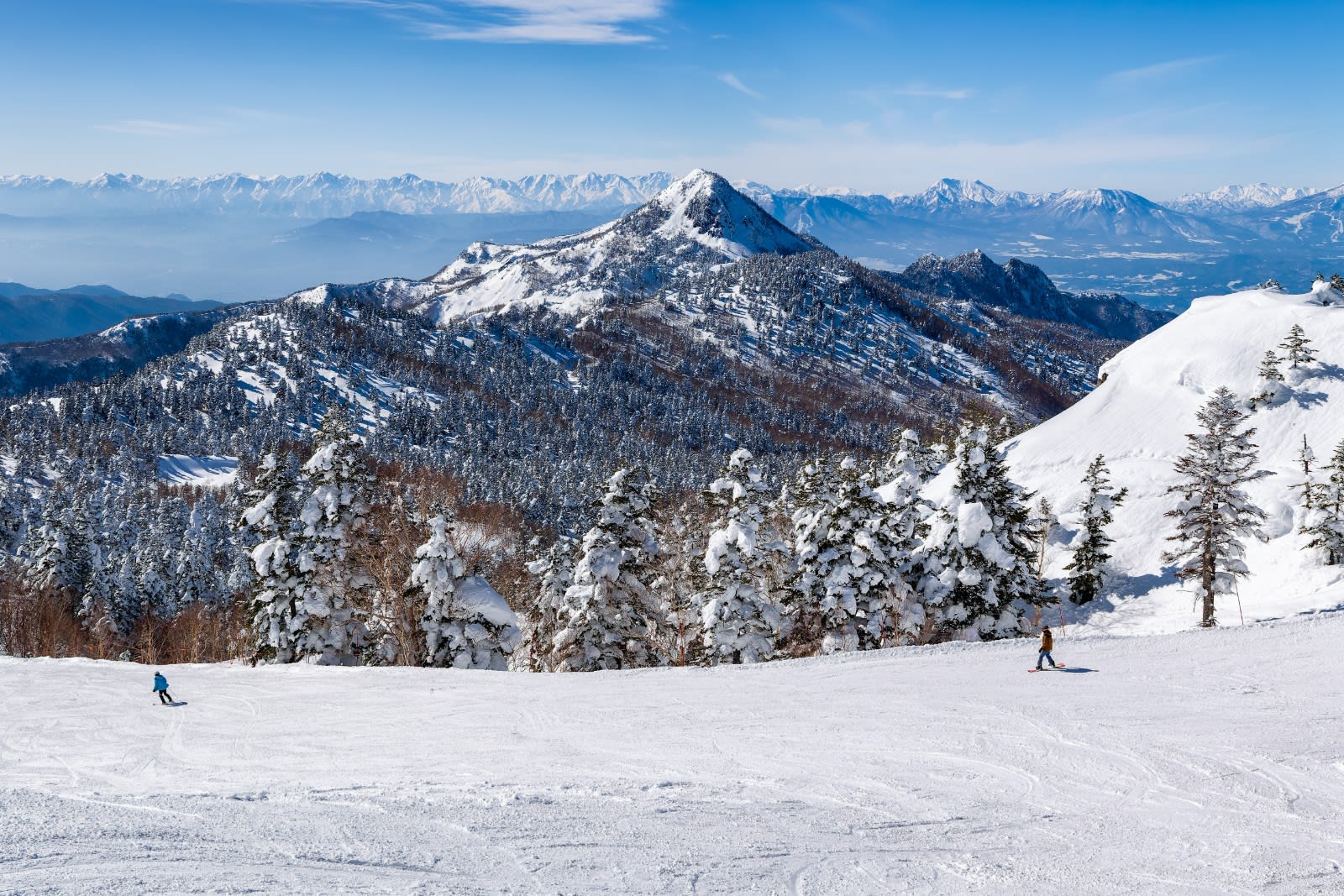
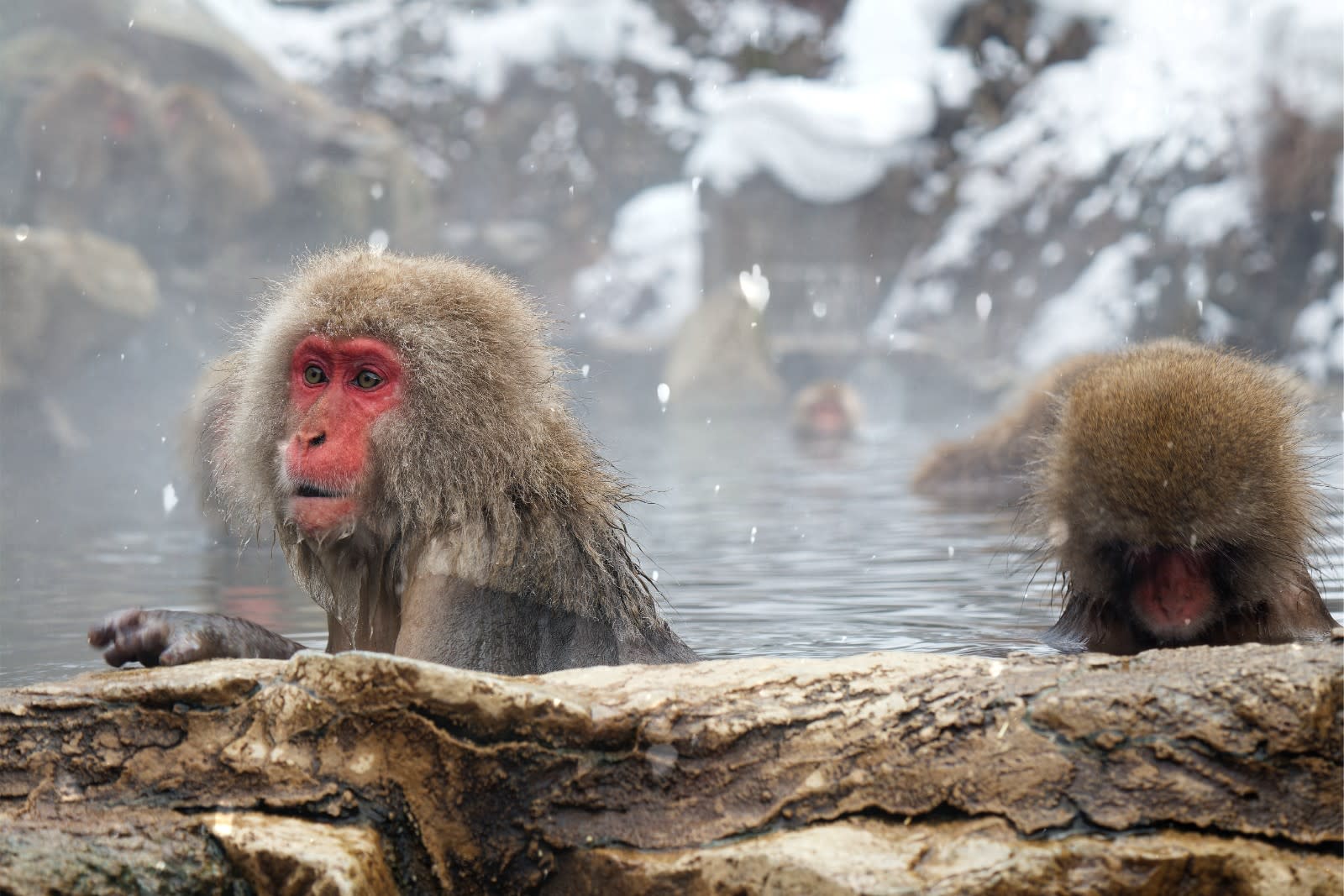
Nagano, surrounded by majestic mountains, is a year-round destination for nature lovers and history enthusiasts. The Zenko-ji Temple, one of Japan’s oldest and most important temples, is a spiritual hub. Winter sports fans flock to the Hakuba Valley and Shiga Kogen for world-class skiing, while summer hikers explore the Japanese Alps. Jigokudani Monkey Park offers the unique sight of snow monkeys bathing in hot springs. The Kiso Valley, with its historic post towns of Magome and Tsumago, transports visitors back to the Edo period. Nagano is also renowned for its fresh produce, including apples and soba noodles.

Areas

Nagano City

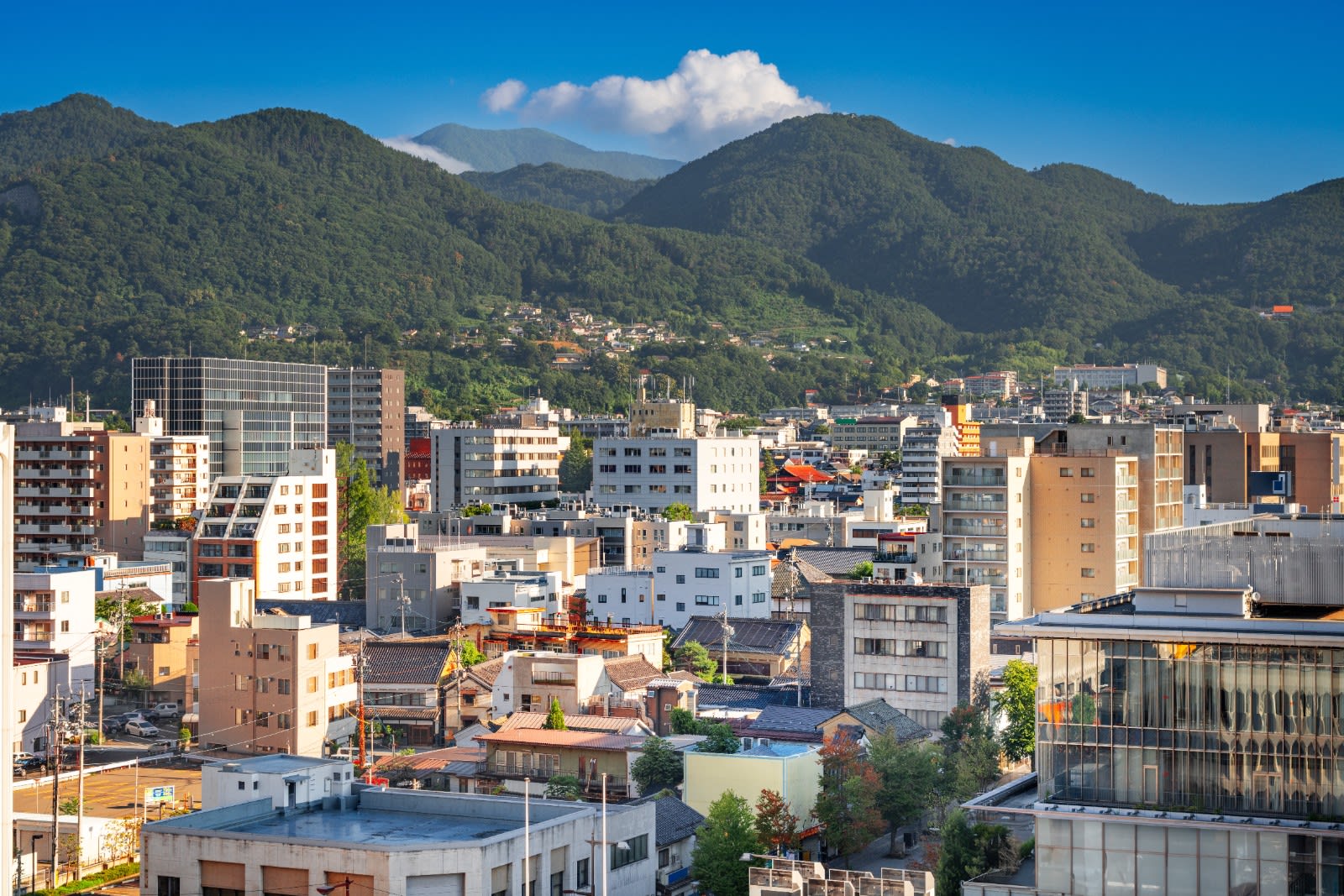
Nagano, the capital of Nagano Prefecture, is a city that blends urban energy with deep spiritual roots. It is best known for Zenkoji Temple, a historic pilgrimage site attracting millions of visitors yearly. The city also played a major role in the 1998 Winter Olympics, offering world-class facilities and access to nearby ski resorts. Surrounding the city are the Japanese Alps, ideal for hiking and hot spring retreats. Seasonal festivals, soba noodle culture, and local crafts contribute to its vibrant atmosphere. Nagano is both culturally rich and naturally majestic.
Matsumoto

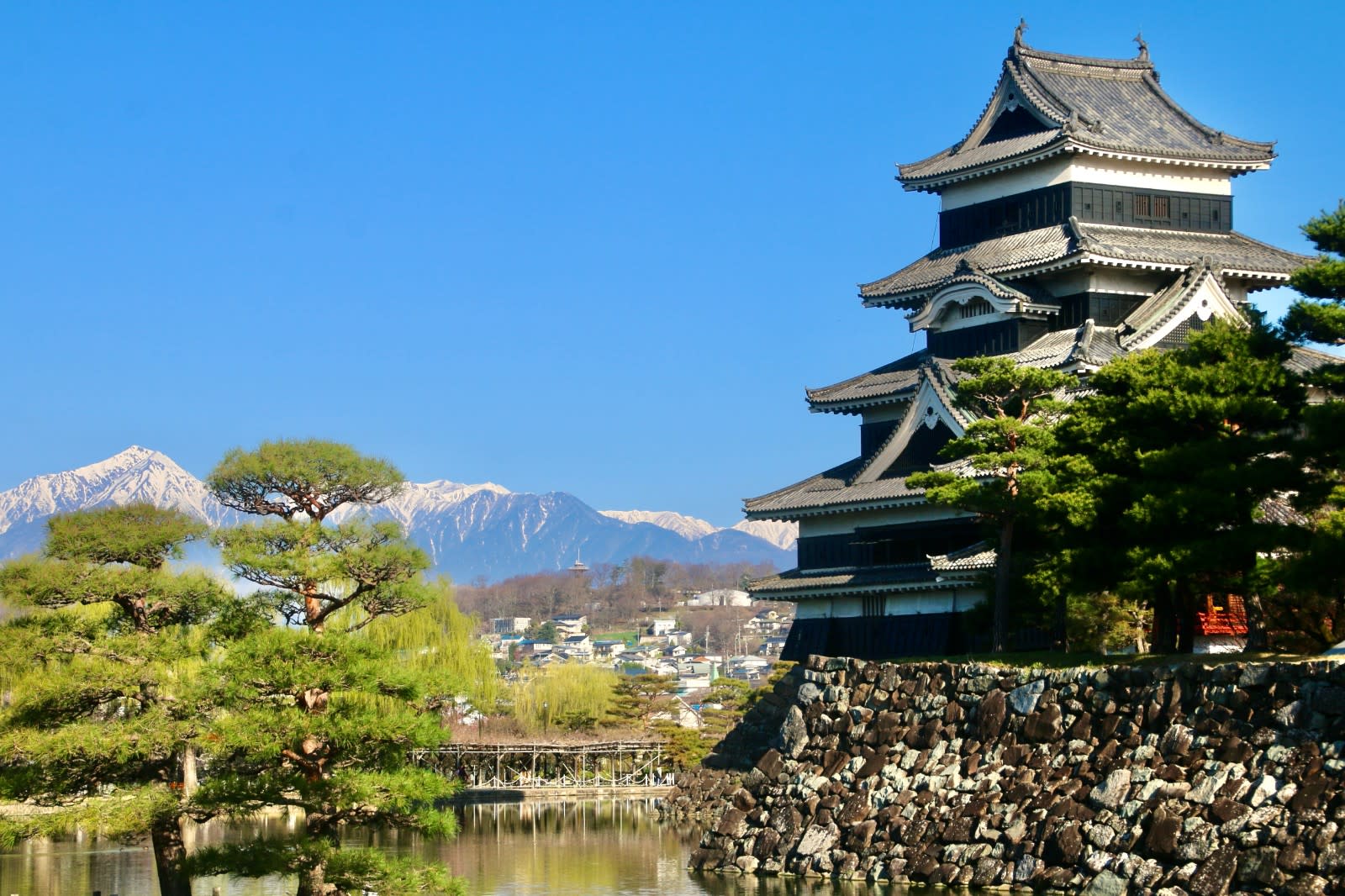
Matsumoto, nestled in the Japanese Alps, is one of Nagano’s most popular cultural destinations. Its centerpiece is Matsumoto Castle, a national treasure known for its black exterior and wooden interiors. The city is also a gateway to the Northern Alps for mountaineers and hikers. Matsumoto thrives with art, music, and crafts, including the renowned Saito Kinen Festival and local woodworking traditions. The old Nakamachi and Nawate Streets offer Edo-period charm, with preserved warehouses, cafes, and shops. Matsumoto offers a refined balance of historical elegance, nature, and creativity.

Ueda

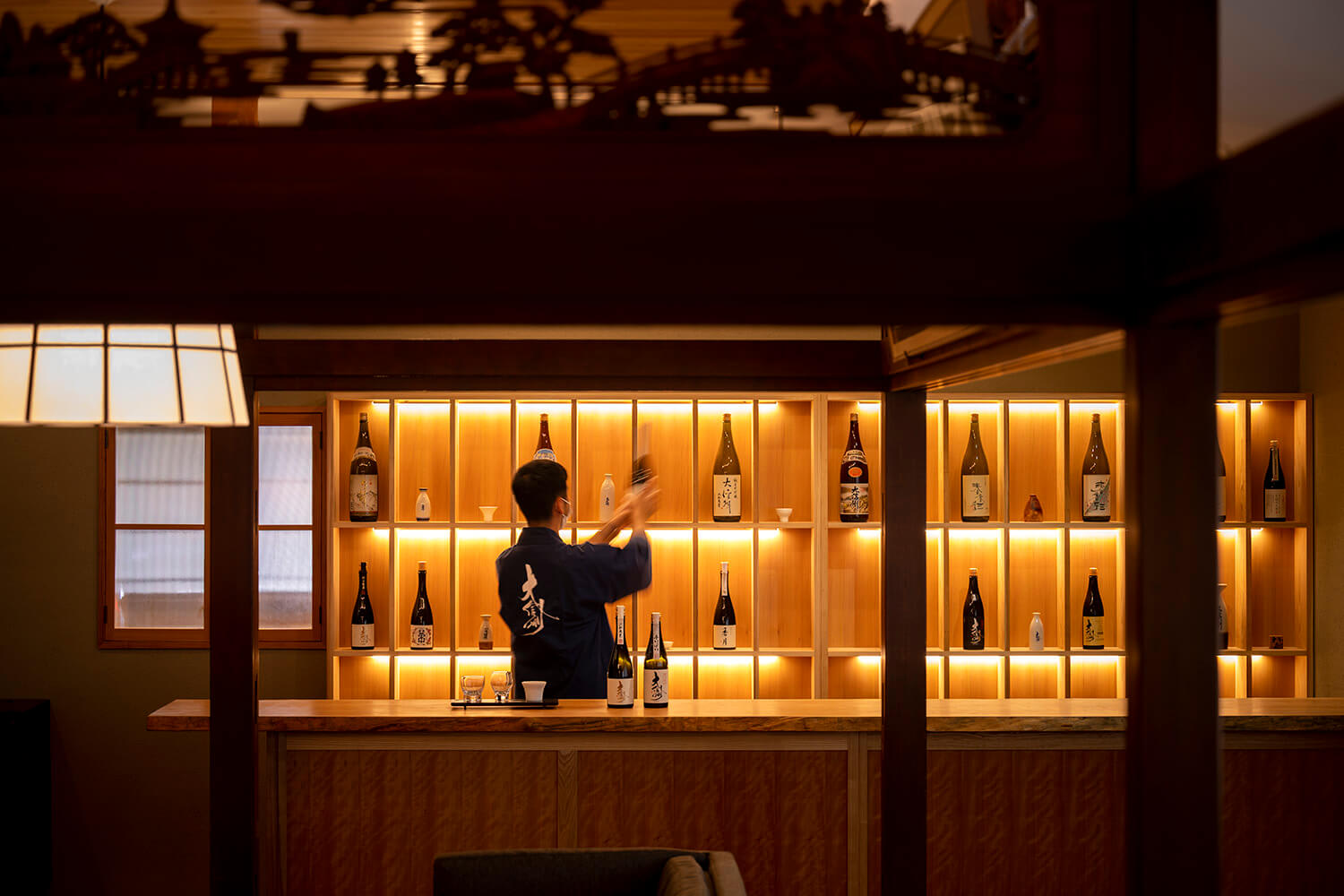
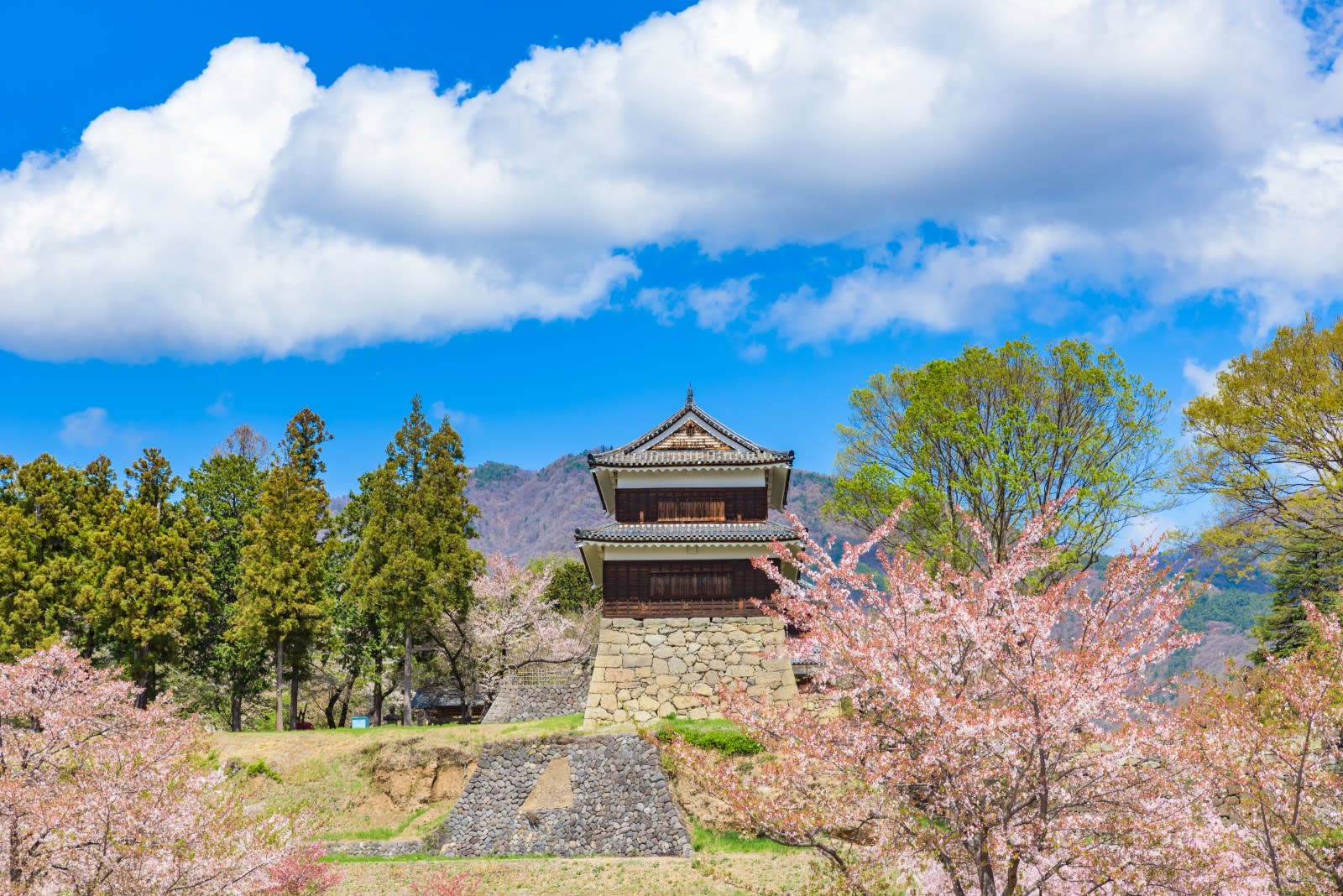
Ueda is a historically rich city in eastern Nagano Prefecture, known for Ueda Castle and its samurai heritage tied to the Sanada clan. The city blends history with modernity through museums, traditional streets, and festivals celebrating local legends. Its natural surroundings include the Chikuma River and nearby mountains, offering hiking, hot springs, and seasonal foliage. Ueda is also home to cultural centers and sake breweries, reflecting its deep-rooted traditions. Its convenient Shinkansen access makes it a popular destination for both cultural tourism and nature escapes.

Suwa

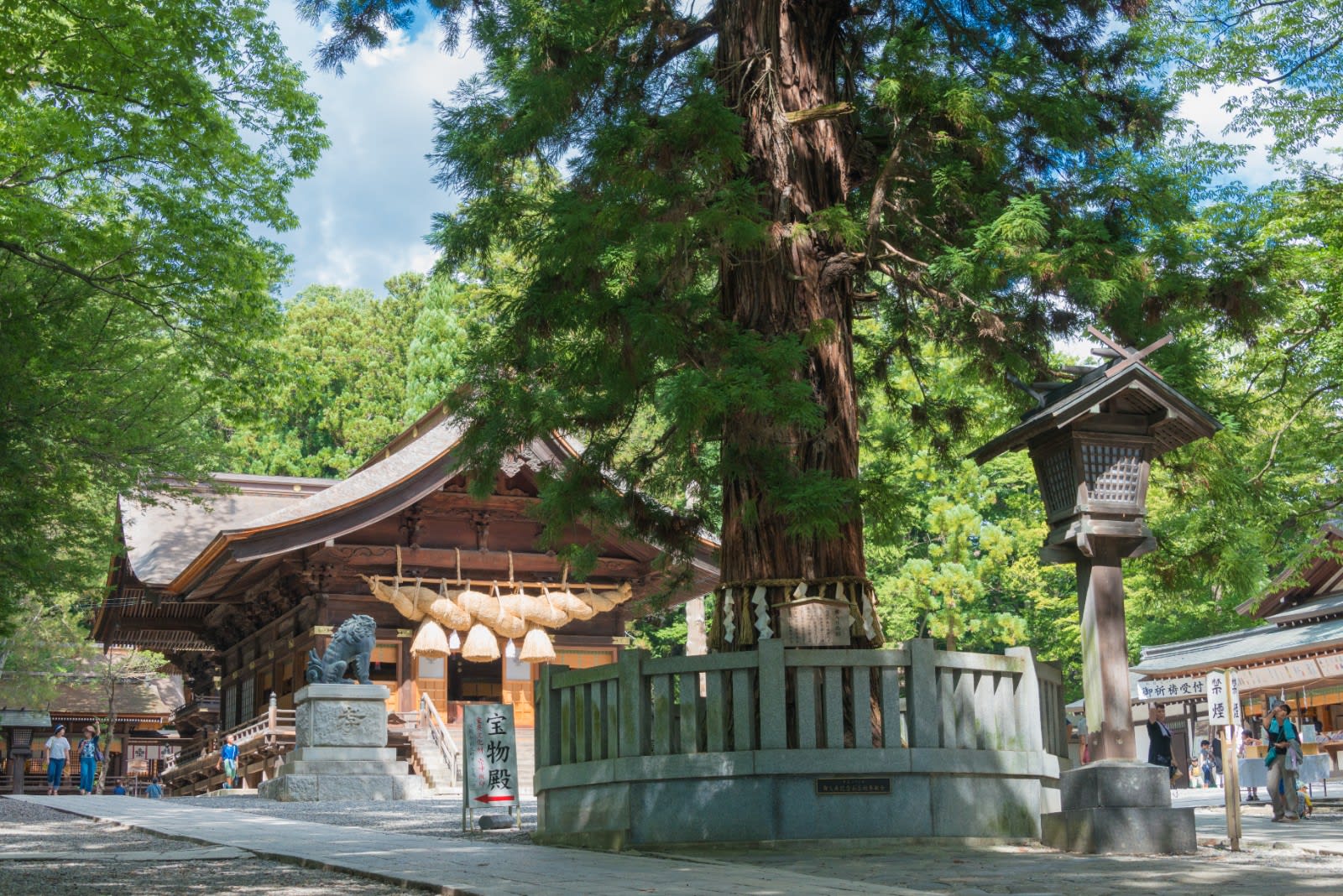
Suwa, located in central Nagano Prefecture, is famed for Lake Suwa and its spiritual and cultural significance. The city is home to Suwa Taisha, one of Japan’s oldest Shinto shrines. The lake area features hot spring resorts, walking paths, and scenic cruises. Suwa is also known for its traditional fireworks festivals and the Onbashira Festival, held every six years. The surrounding highlands and mountains offer ski resorts and alpine views. Additionally, Suwa has a rich history in sake brewing and watchmaking, reflecting its industrial and cultural diversity.

Nakano

Nakano, located in northern Nagano Prefecture, is a quiet city with a strong agricultural base, particularly known for its apples, grapes, and flowers. The city is also a gateway to Shiga Kogen, one of Japan’s largest ski and hiking areas. In spring, tulip fields and fruit blossoms attract many visitors, while autumn offers vibrant foliage. Nakano also preserves traditional culture through temples, historic sites, and rural festivals. With access to hot springs and natural scenery, Nakano is perfect for slow-paced travel and experiencing local life.

Shiojiri

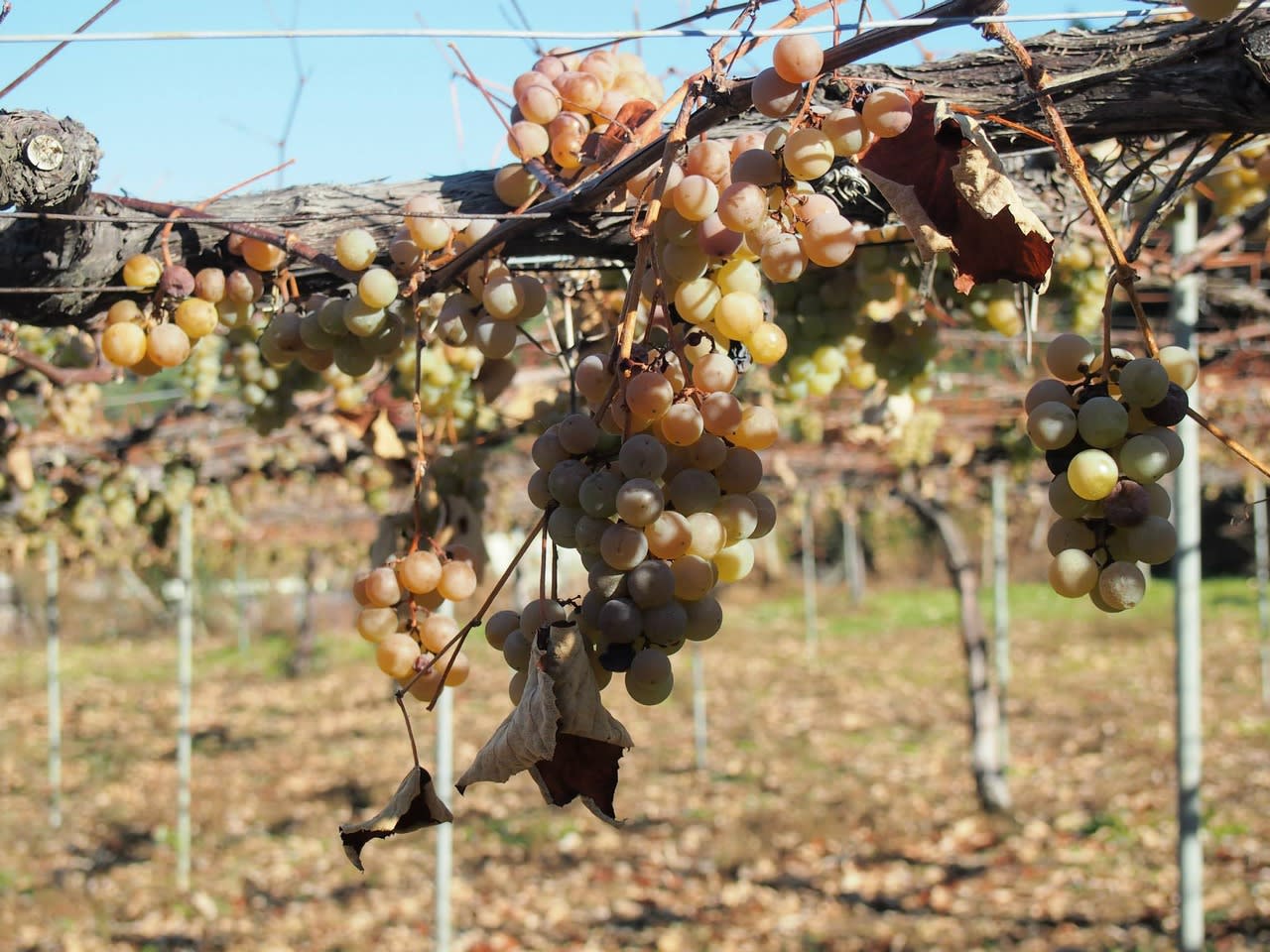
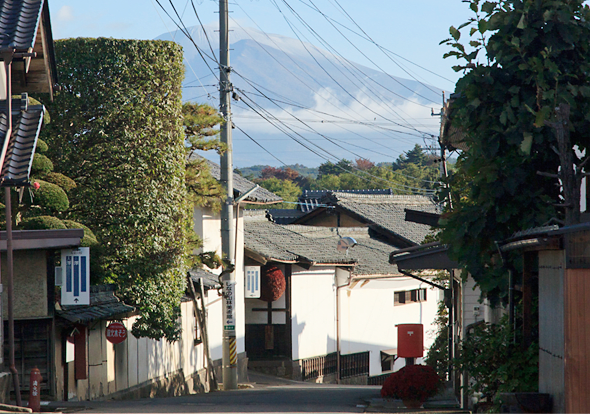
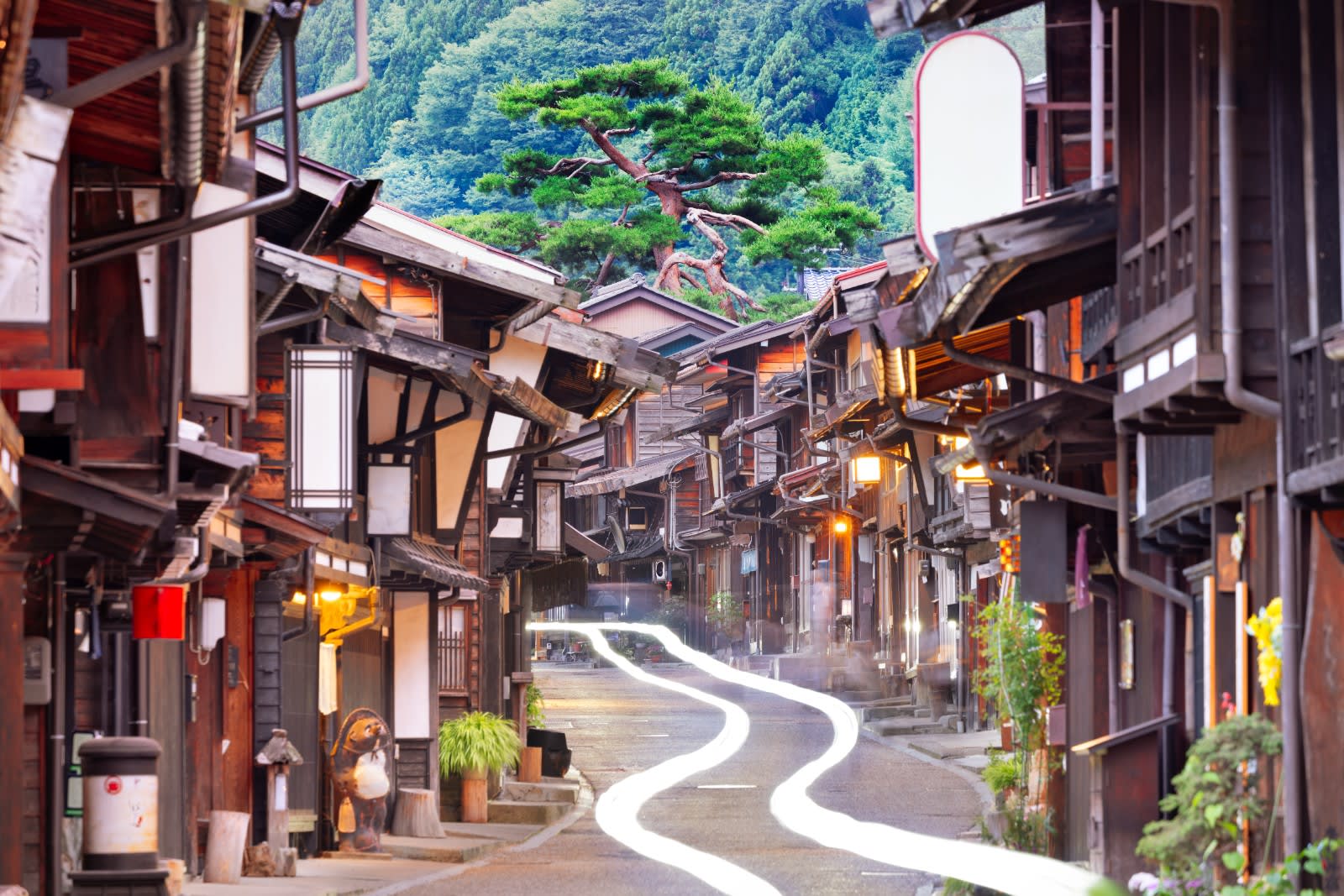
Shiojiri is a city in central Nagano known for its wineries, historic post towns, and scenic countryside. The city is home to the famous Narai-juku, a well-preserved Edo-period post town along the Nakasendo route. Shiojiri is also at the heart of the Nagano wine region, producing award-winning wines with locally grown grapes. The city blends cultural history with modern agriculture, offering experiences such as wine tasting, farm visits, and local crafts. Surrounded by mountains, it’s a peaceful base for exploring rural Japan and tasting authentic regional flavors.

Saku

Karuizawa

Karuizawa is a prestigious resort town in eastern Nagano, renowned for its cool climate, elegant shopping streets, and natural beauty. Historically a summer retreat for foreign diplomats and Japanese elites, the town now features high-end boutiques, cafés, and art galleries. Surrounded by forests and volcanic scenery, it offers outdoor activities such as hiking, cycling, golf, and skiing in winter. Karuizawa Station is on the Hokuriku Shinkansen, making it a quick getaway from Tokyo. The area also includes historic churches, villas, and natural spots like Shiraito Falls.

Obuse

Obuse is a charming town in northern Nagano known for its rich cultural heritage, chestnut delicacies, and connection to the famous ukiyo-e artist Katsushika Hokusai. The town blends historical ambiance with modern creativity, featuring art museums, old sake breweries, and elegant gardens. Strolling through its well-preserved streets, visitors can enjoy seasonal floral displays, traditional sweets, and scenic cafés. The atmosphere of Obuse is both refined and inviting, offering a deep sense of history and artistic inspiration.

What to Eat in Nagano

Things to Do in Nagano