Things to do and eat in Osaka

Overview

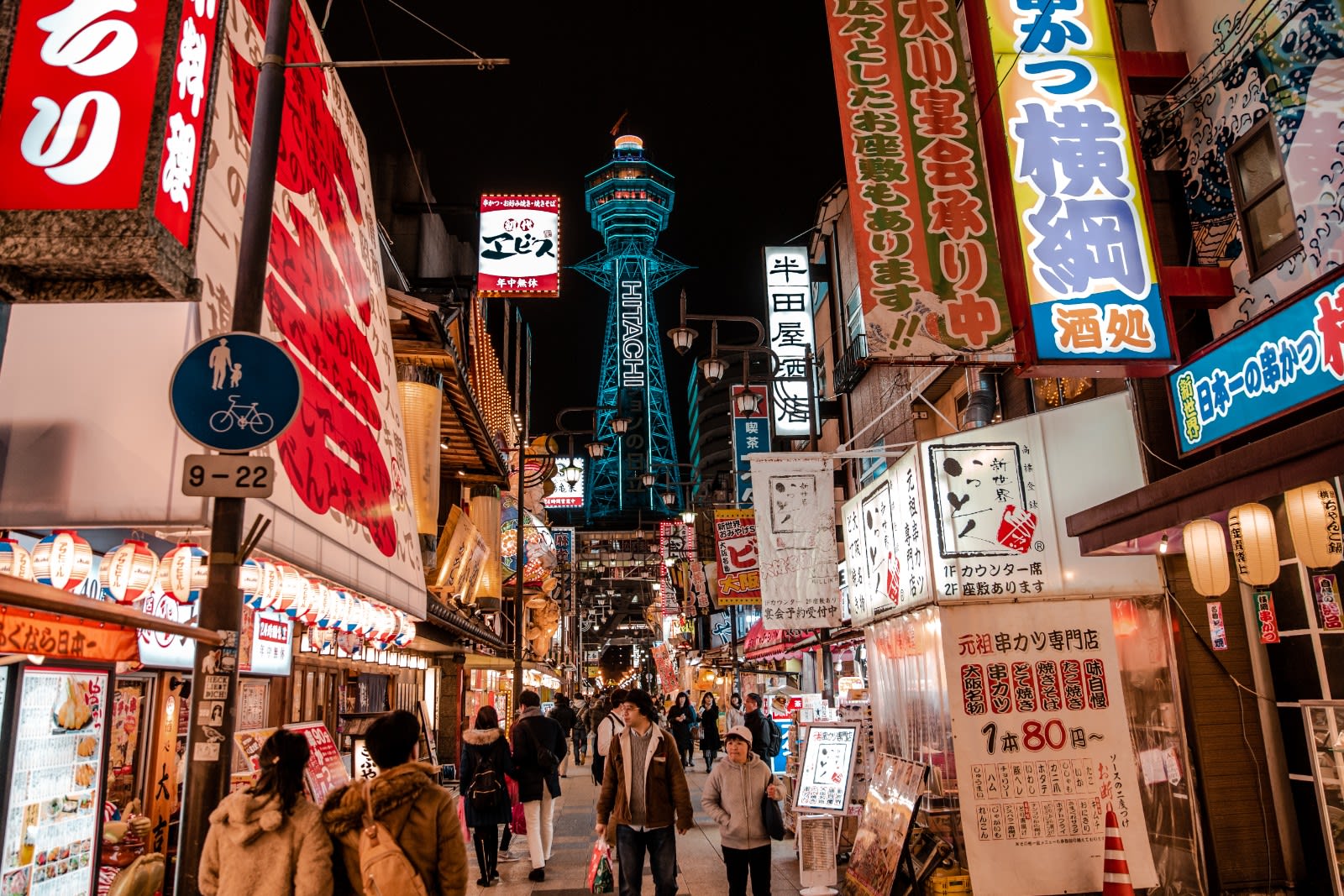
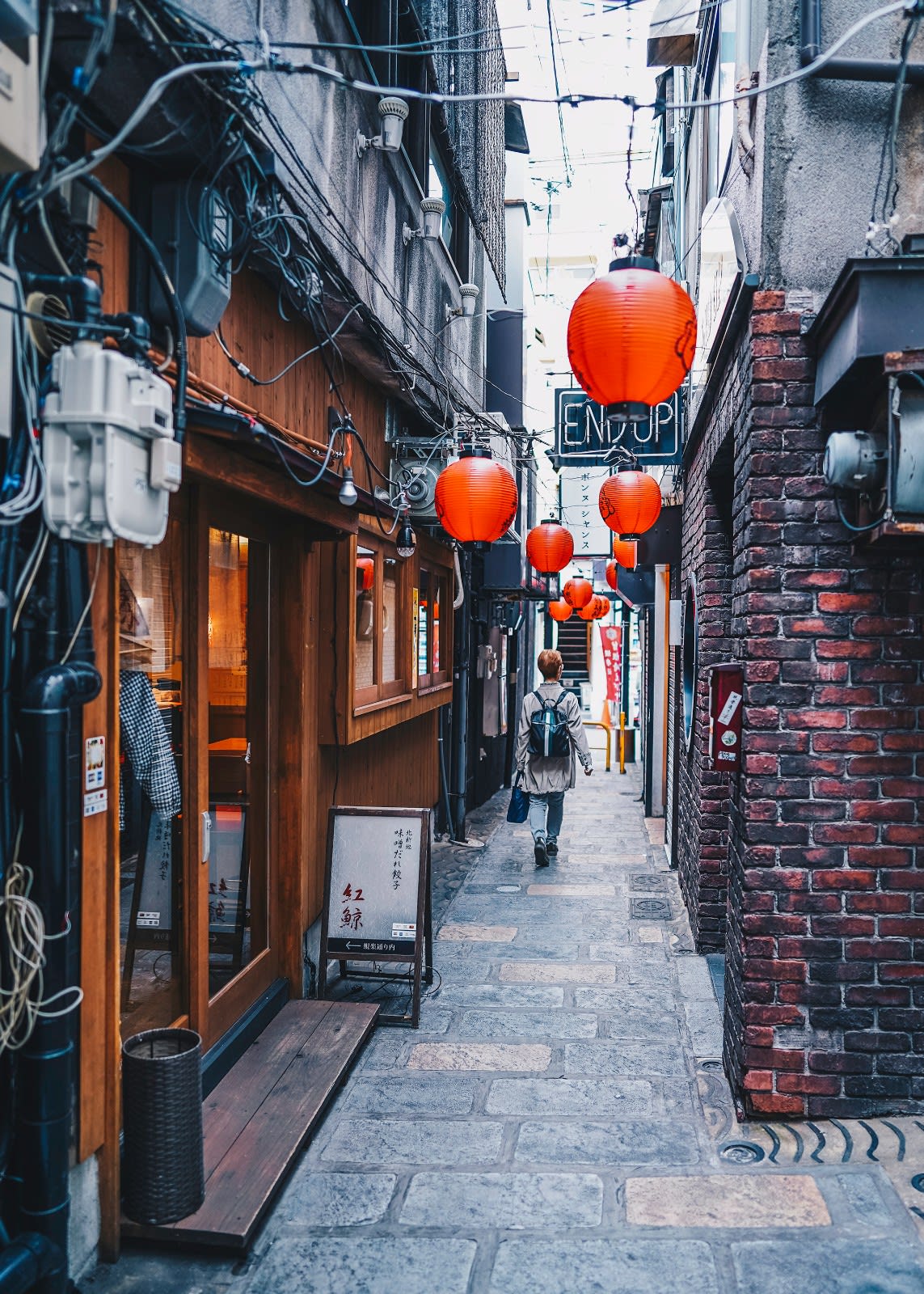
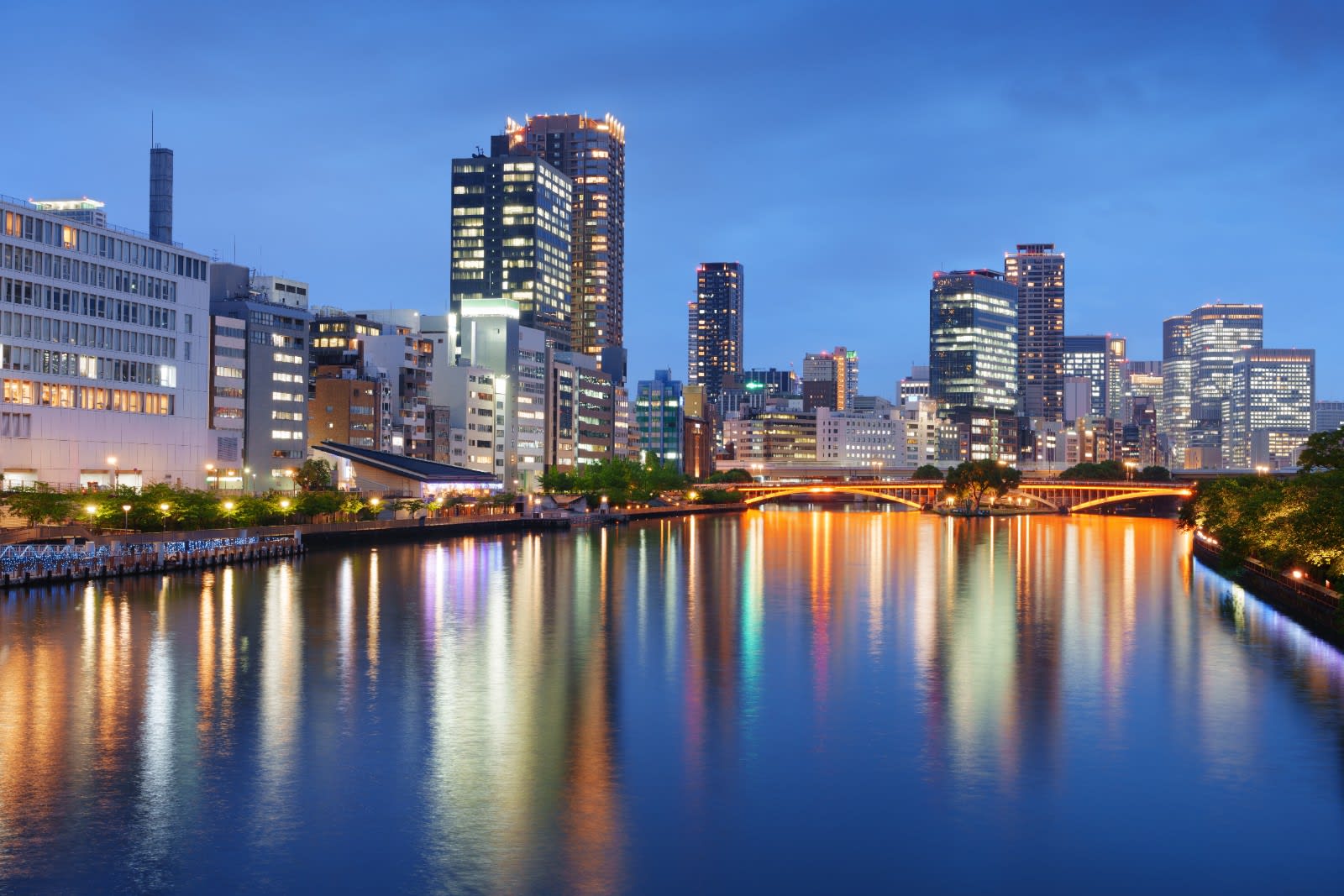
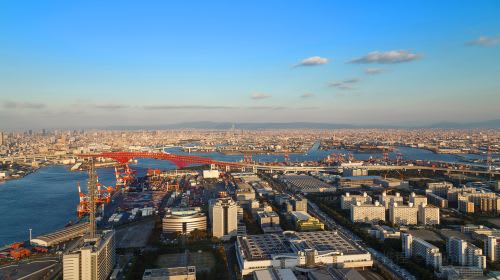
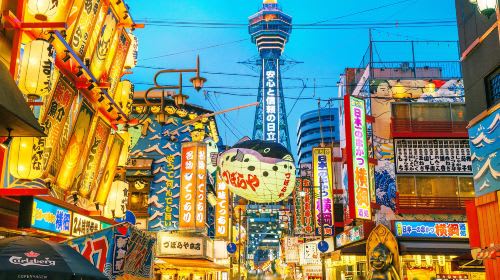
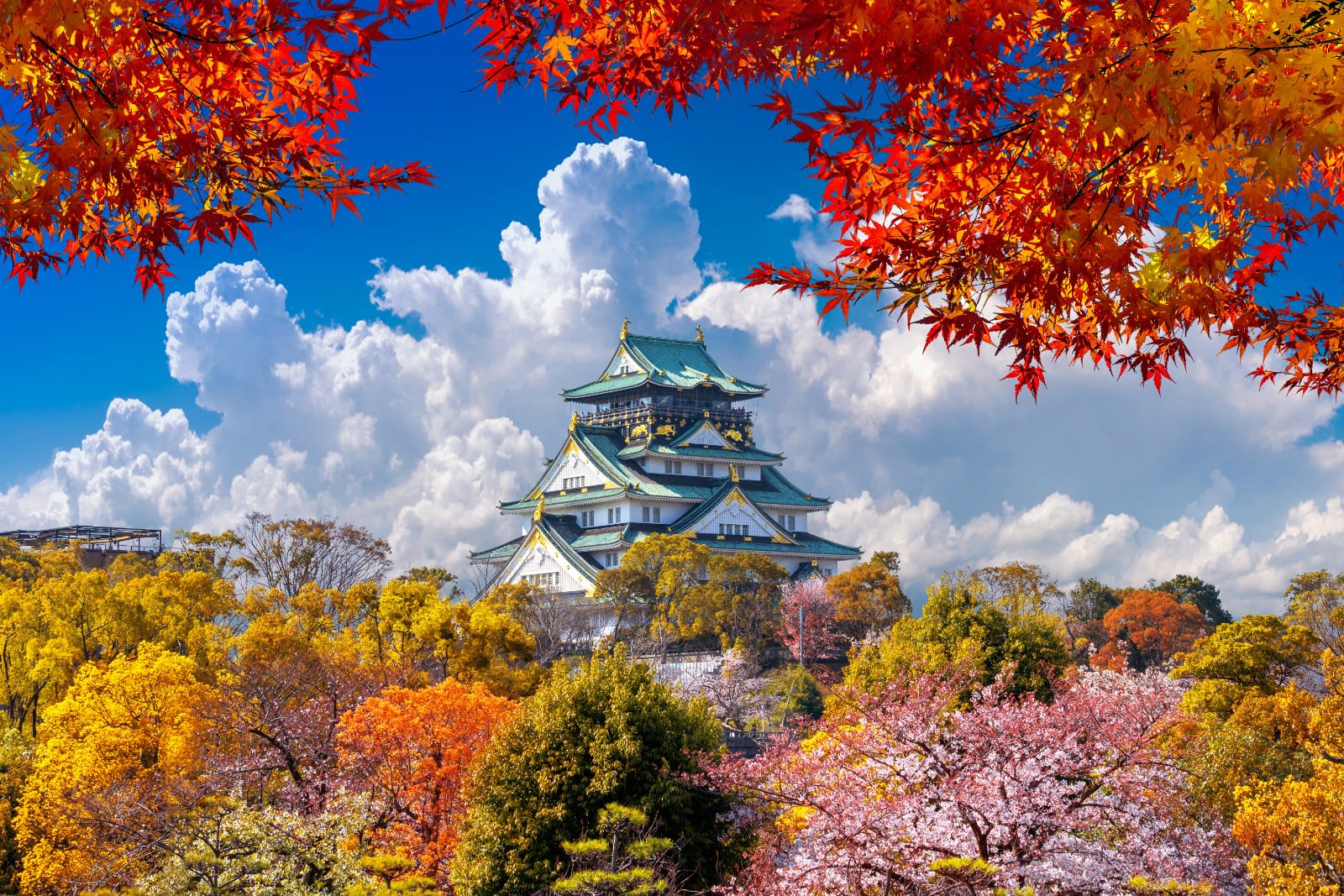
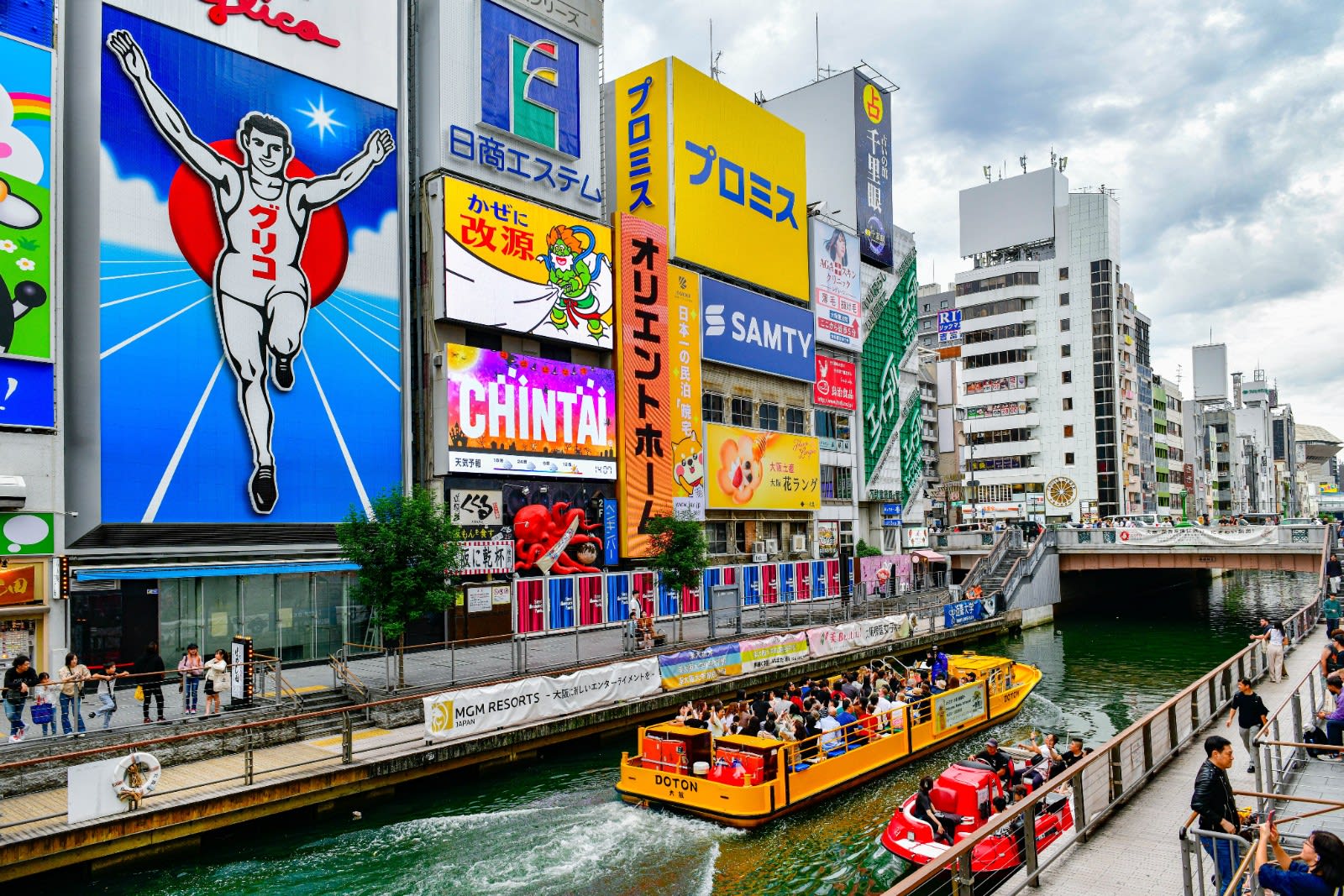
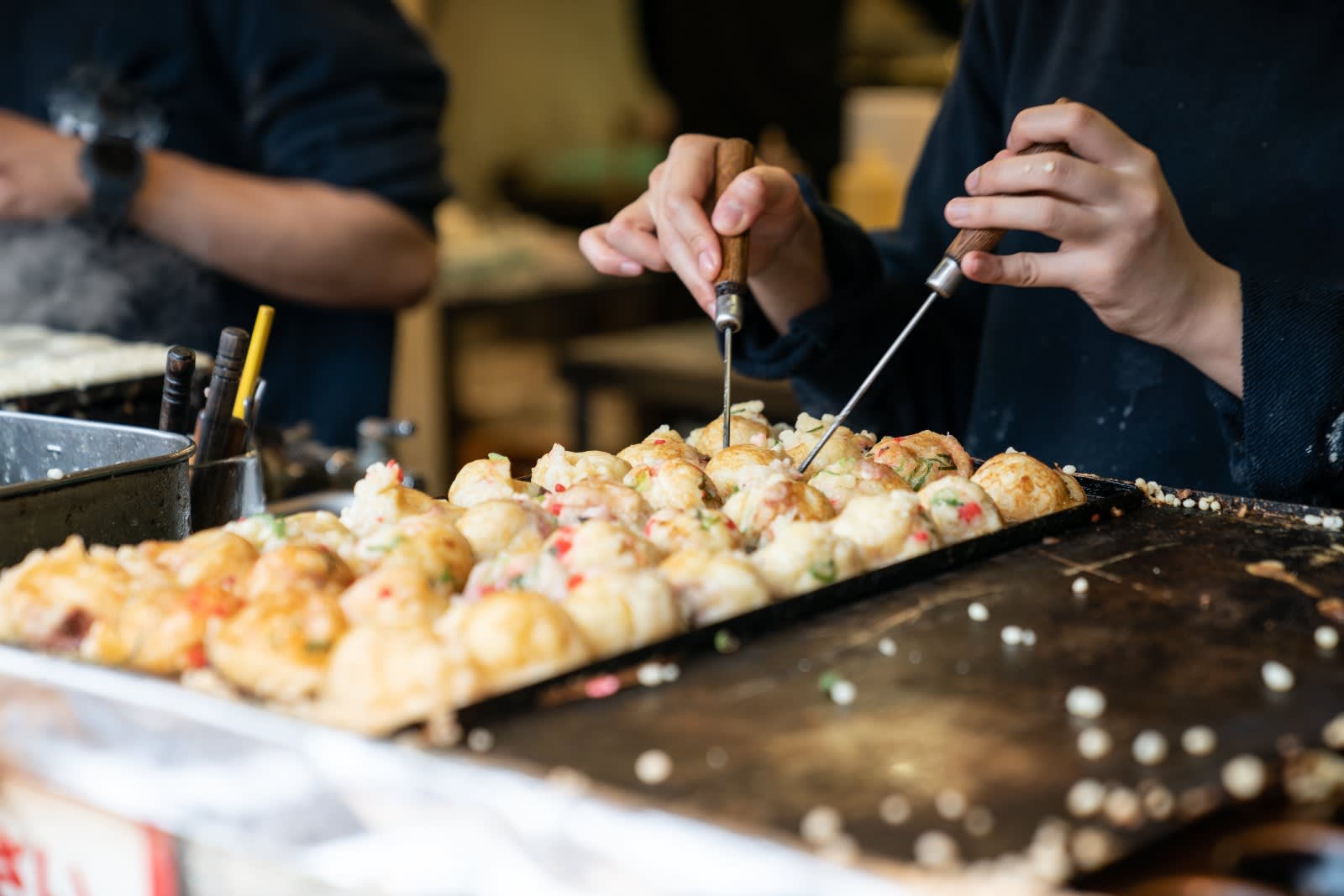
Osaka, Japan’s third-largest city, is a vibrant metropolis known for its modern architecture, street food, and nightlife. The iconic Osaka Castle, surrounded by a sprawling park, is a symbol of the city’s history. Dotonbori, with its neon lights and bustling atmosphere, is the place to savor local specialties like takoyaki and okonomiyaki. Universal Studios Japan is a major attraction for families and theme park enthusiasts. Osaka’s friendly locals and lively entertainment districts, such as Namba, make it a favorite among domestic and international travelers.

Areas

Sakai

Sakai is a city located in Osaka Prefecture, Japan. It is historically significant for being the center of the ancient maritime trade in the region and has a rich cultural heritage. The city is famous for its production of high-quality cutlery and ancient tombs, such as the Daisen Kofun, one of the largest burial mounds in the world. Sakai also offers a mix of modern shopping districts and tranquil parks, making it an attractive destination for both cultural exploration and relaxation.

Osaka_kita

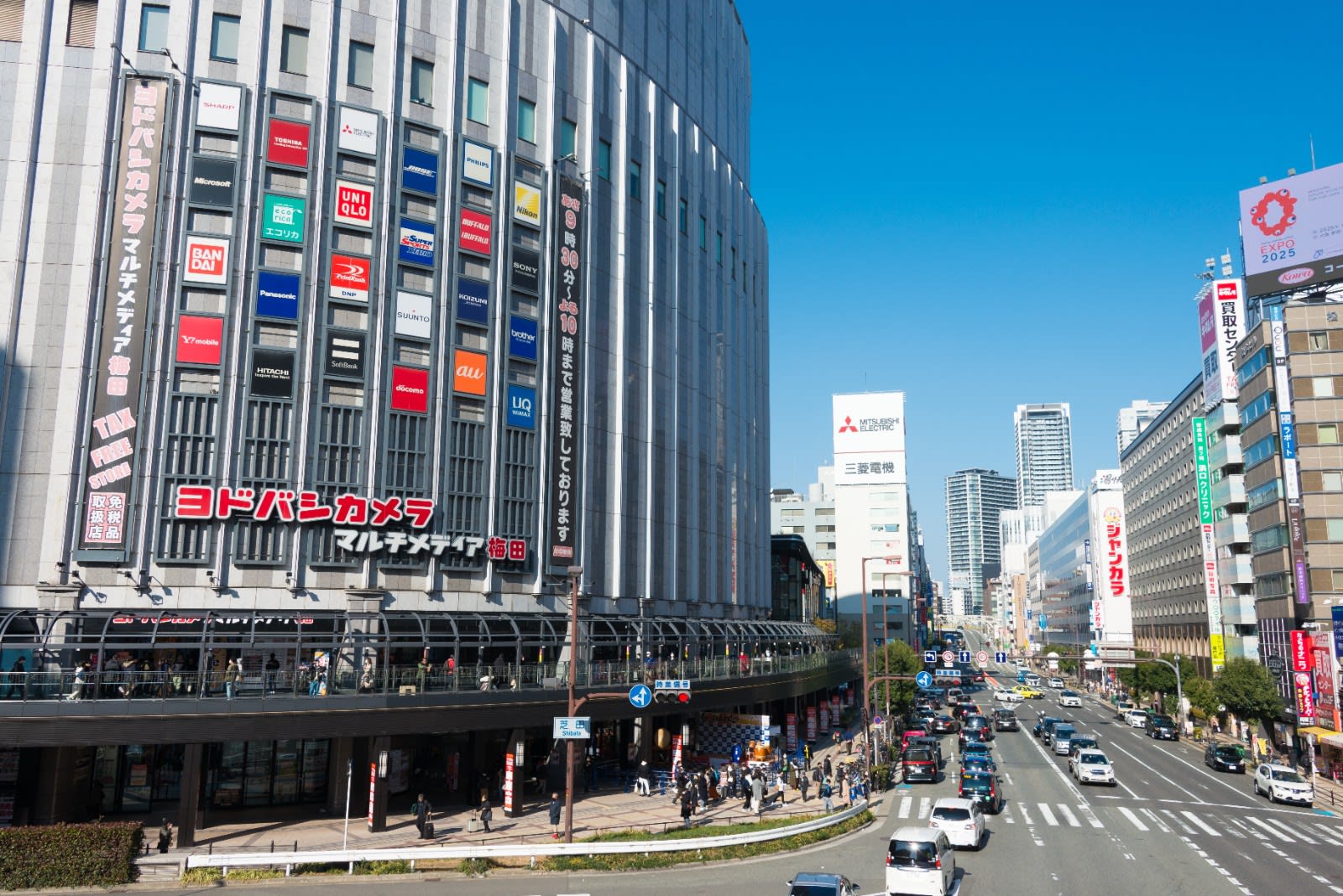
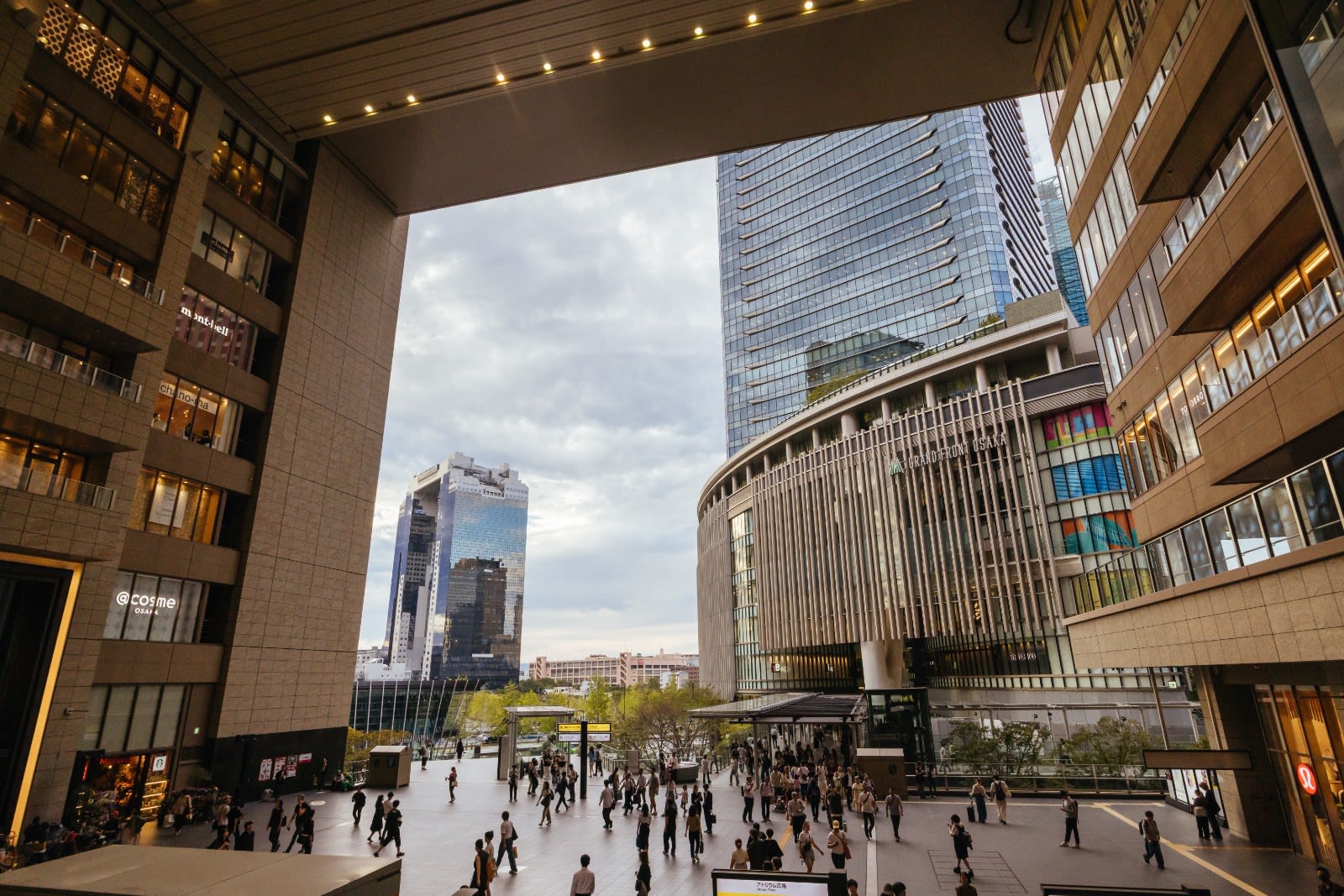
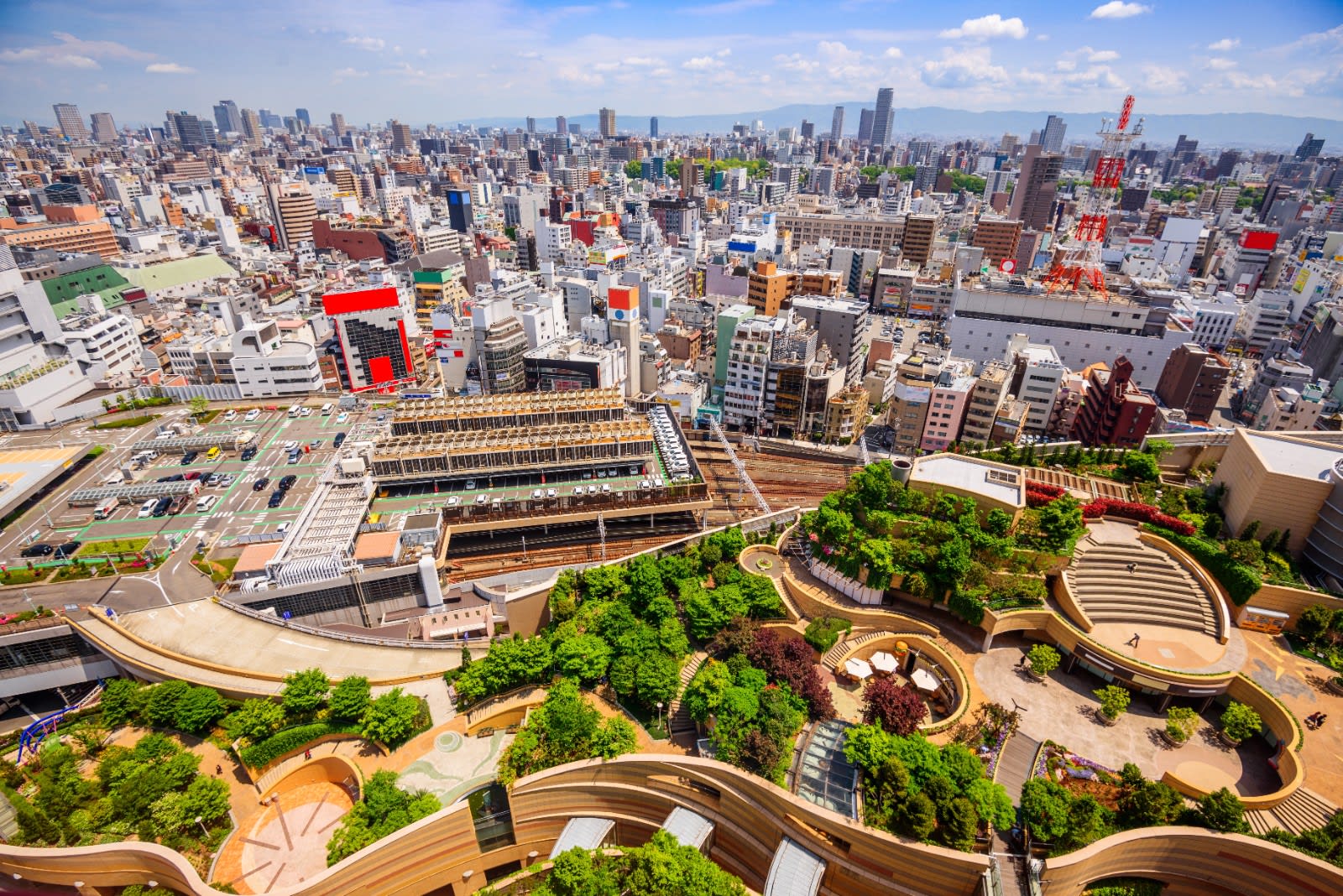
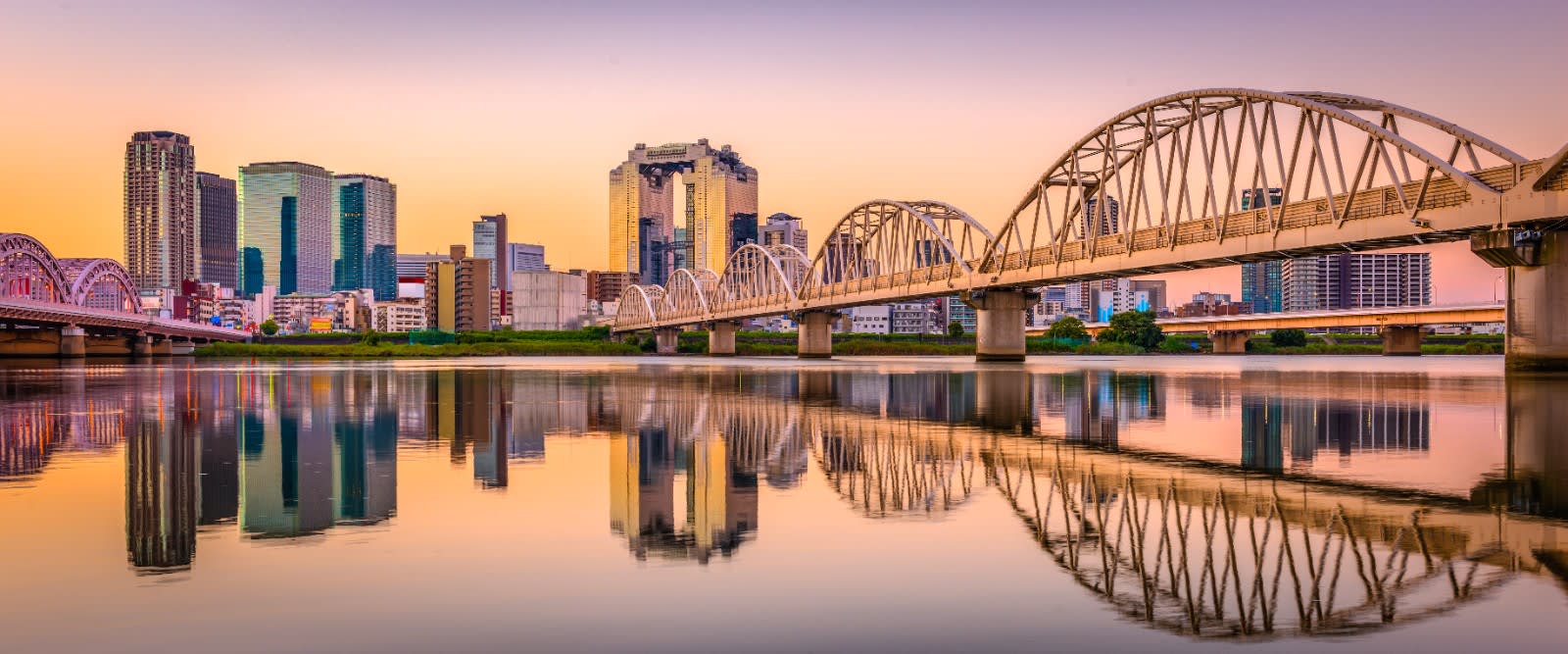
Kita is Osaka’s northern central district known for the bustling Umeda area, which serves as a major commercial and transportation hub. With high-rise buildings, department stores, and cultural venues, it blends business with lifestyle. It's a vibrant zone where modern Osaka's pulse is most palpable.

Osaka_miyakojima

Miyakojima is a residential district in northeastern Osaka, known for its quiet neighborhoods and family-friendly atmosphere. It offers local shopping streets, parks, and access to the Osaka Castle Park area. The district provides a peaceful urban lifestyle with good connectivity to city centers.

Osaka_fukushima

Fukushima is a dynamic area close to Umeda, known for its gourmet scene, including izakayas, small bistros, and upscale dining. The district has a youthful energy and is popular among food lovers. Its convenient location makes it a great base for exploring both business and leisure areas.

Osaka_konohana

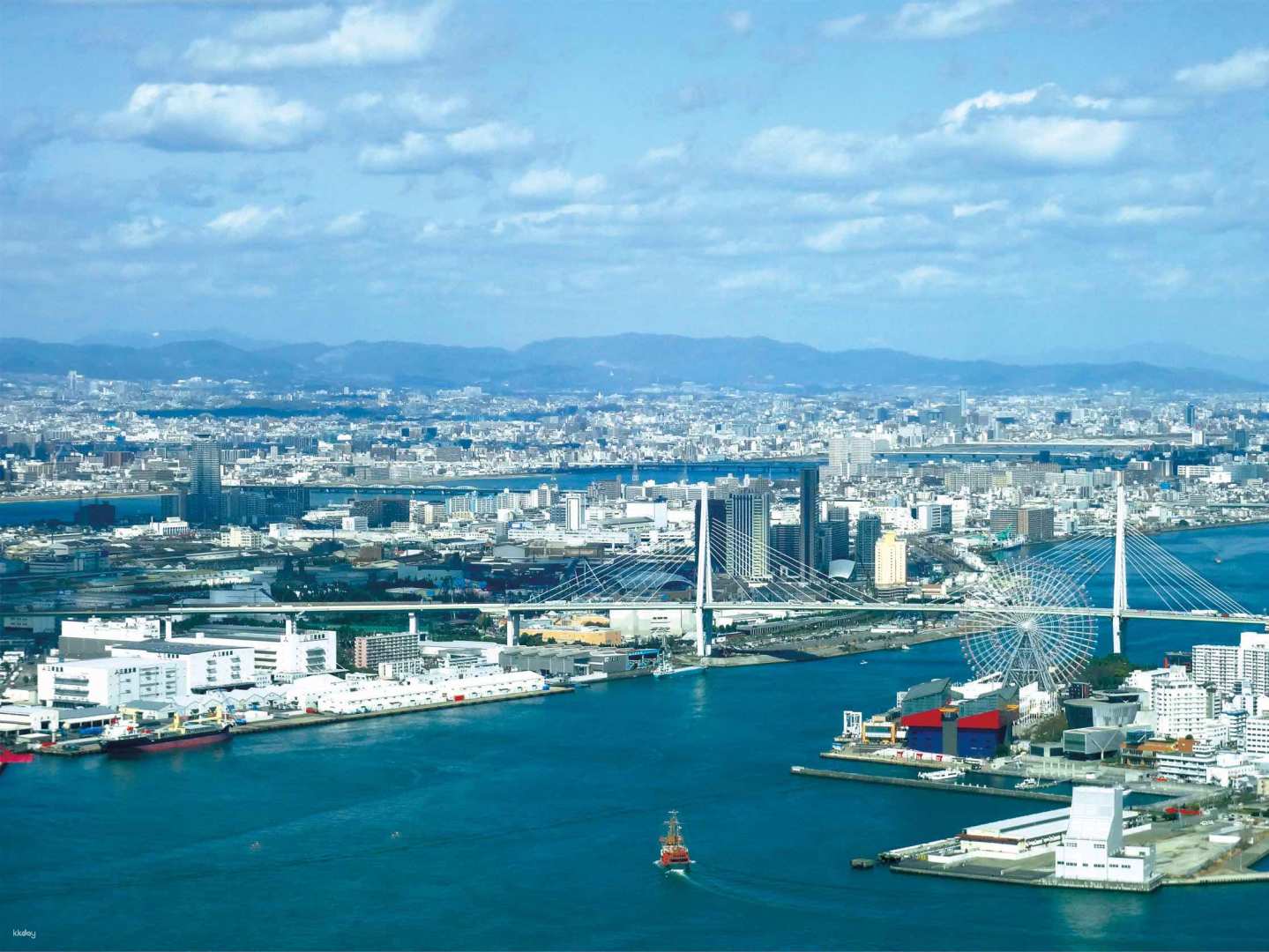
Konohana, located near Osaka Bay, is home to Universal Studios Japan and the Tempozan Harbor area. The district mixes residential zones with major attractions, offering family-friendly entertainment alongside ocean views. It's a unique blend of fun and everyday life.

Osaka_chuo

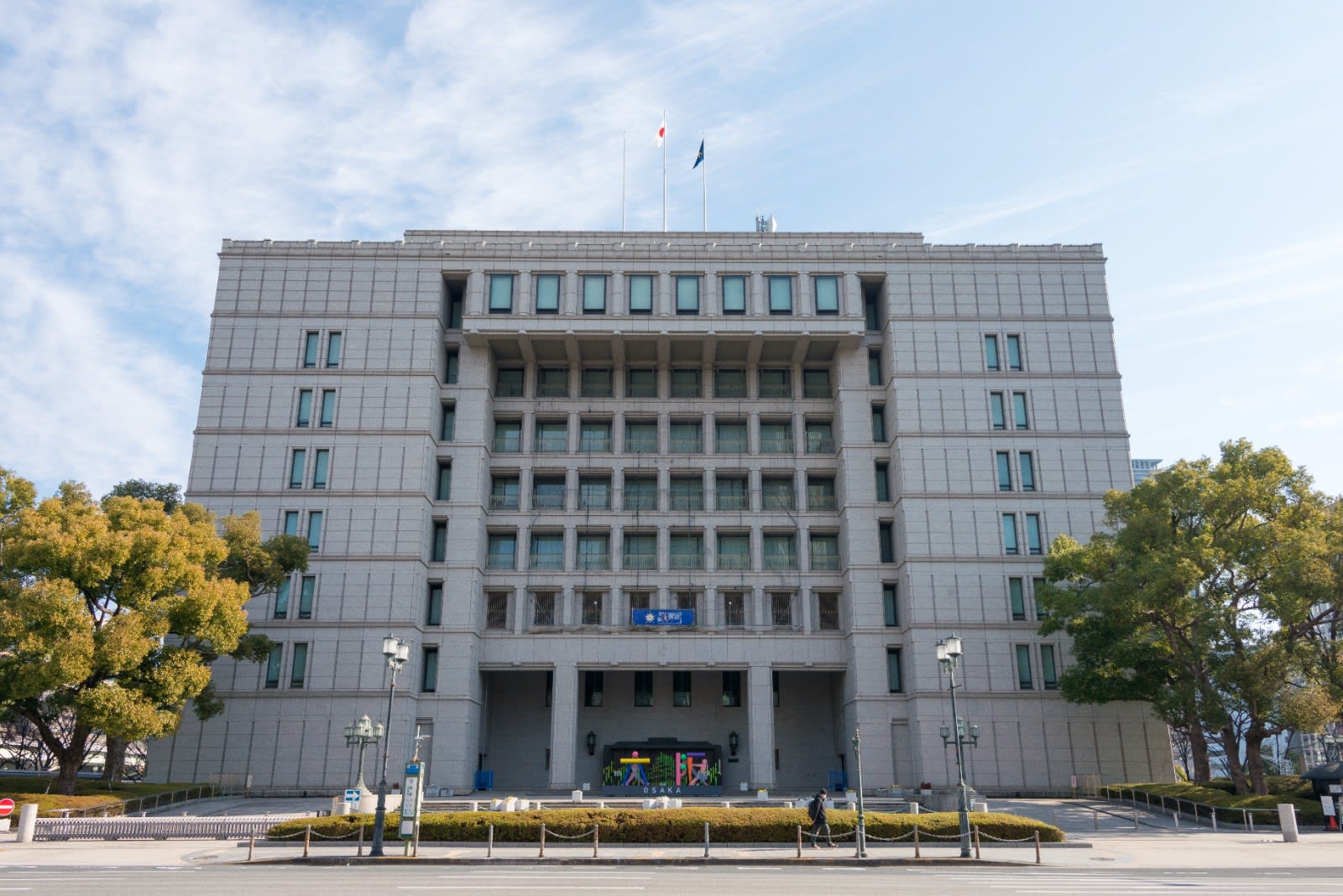
Chuo is the heart of Osaka, encompassing the famous Dotonbori, Shinsaibashi, and Osaka Castle. It’s a lively commercial and cultural center where traditional and modern elements merge. The area thrives with shops, entertainment, and historical landmarks.

Osaka_nishi

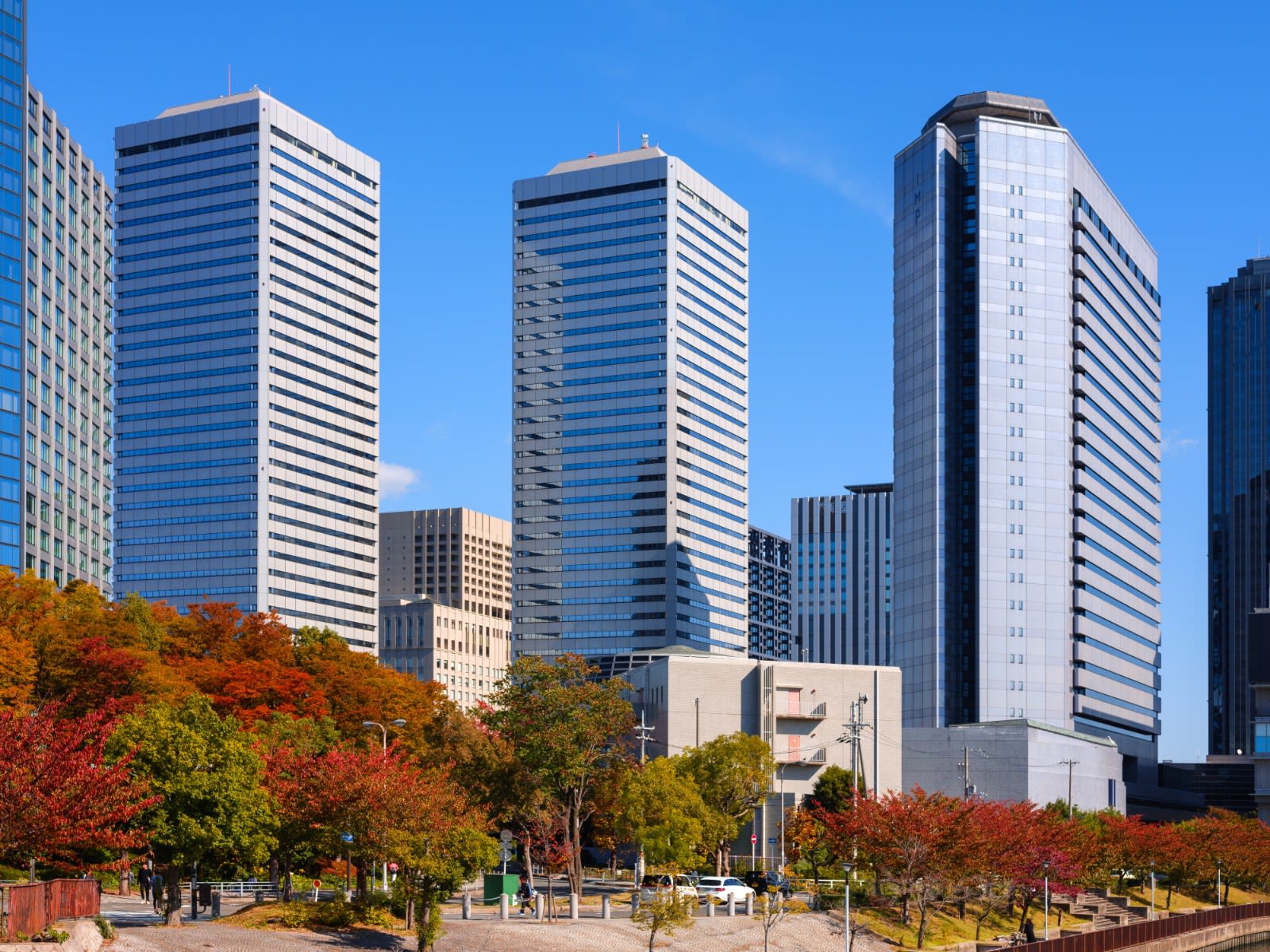
Nishi is a vibrant district located just west of central Osaka, known for its modern urban atmosphere, creative spaces, and easy access to both business and entertainment areas. With riverside parks, stylish cafés, and a mix of residential and commercial zones, Nishi is ideal for professionals and young creatives seeking a dynamic yet livable environment.

Osaka_minato

Minato is a coastal area in Osaka with a strong maritime heritage, home to Osaka’s iconic Tempozan Harbor Village and the popular Kaiyukan Aquarium. It features oceanfront promenades, bay cruises, and a family-friendly atmosphere. Minato blends industrial history with leisure facilities, offering a unique combination of waterfront living and tourism.

Osaka_taisho

Taisho is a culturally rich area in Osaka known for its deep ties to Okinawan heritage. The district has a laid-back atmosphere with many traditional eateries, old-style shopping streets, and small music venues. It's also surrounded by canals and bridges, giving it a unique island-like charm within the city.

Osaka_tennoji

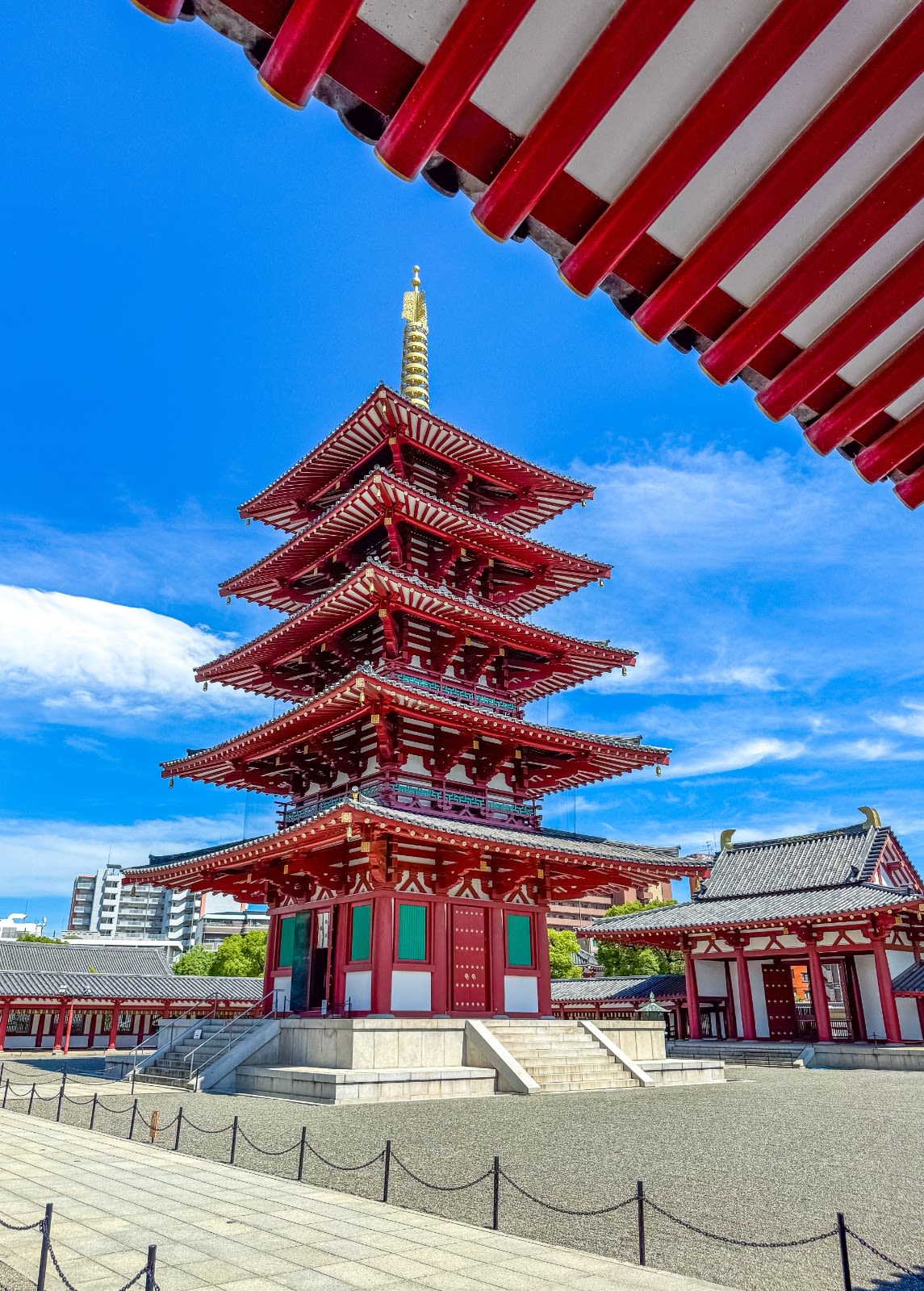
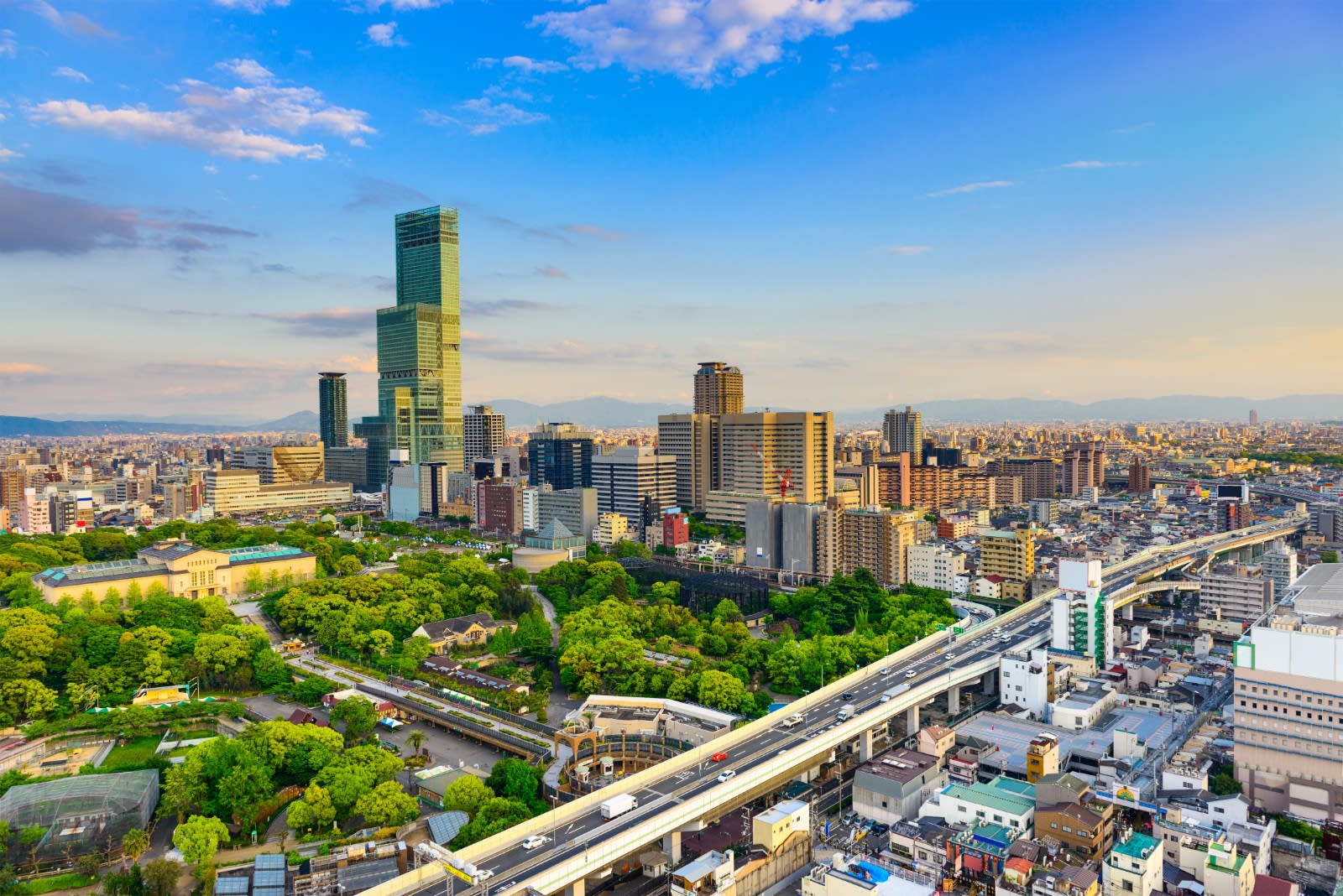
Tennoji is one of Osaka’s historical and cultural hubs, featuring landmarks such as Shitennoji Temple, Tennoji Park, and Abeno Harukas, Japan’s tallest skyscraper. The area offers a mix of heritage, modern shopping, and greenery, making it a favorite among tourists and locals alike. Its excellent transportation links also make it a convenient base for exploring the city.
Osaka_naniwa

Naniwa is a lively district in Osaka known for its bustling shopping streets, entertainment venues, and rich cultural heritage. It offers a blend of traditional charm and modern city life, attracting locals and tourists alike.

Osaka_nishiyodogawa

Nishiyodogawa is an industrial and residential area in Osaka, known for its factories as well as peaceful neighborhoods. It combines working-class history with developing community spaces and parks.

Osaka_yodogawa

Yodogawa is a major ward in Osaka named after the Yodo River. It is a vibrant residential and commercial district with riverside parks, shopping areas, and a strong community atmosphere.

Osaka_higashiyodogawa

Higashiyodogawa is a residential ward in Osaka with a good balance of urban convenience and green spaces. It is known for family-friendly neighborhoods, schools, and local markets.

Osaka_higashinari

Higashinari is a compact yet culturally vibrant area located in eastern Osaka. Known for its historical roots and close-knit neighborhoods, it offers an authentic look into the everyday life of Osaka locals. The district is filled with traditional homes, small shops, and local eateries. Despite its size, Higashinari maintains a strong community spirit and is easily accessible by public transit. It's perfect for those looking to explore Osaka’s grassroots charm.

Osaka_ikuno

Ikuno is a diverse and historically significant district in Osaka, known for its large Korean community and international atmosphere. The area features a vibrant mix of cultures, with Korean markets, eateries, and cultural festivals. Ikuno is also home to local temples and historical architecture. Its multicultural character and accessibility to central Osaka make it an intriguing destination for both tourists and residents seeking cultural variety.

Osaka_asahi

Asahi is a residential district located in northeastern Osaka, appreciated for its peaceful neighborhoods, local shopping arcades, and family-friendly environment. The area offers various public parks, schools, and cultural facilities. Asahi balances the convenience of urban life with a slower suburban rhythm. It's well connected to other parts of the city, making it suitable for commuters who seek calm surroundings without leaving the city.
Osaka_joto

Joto is a well-developed and accessible area in eastern Osaka that blends residential convenience with vibrant commercial zones. Known for its grid-like urban layout and efficient transit options, the district features apartment complexes, shopping centers, and local amenities. Joto is popular among working professionals and families alike, offering a stable and practical urban lifestyle within easy reach of downtown Osaka.

Osaka_tsurumi

Tsurumi is a residential area in northeastern Osaka known for its greenery, wide streets, and family-oriented atmosphere. The district is home to Tsurumi Ryokuchi Park, one of Osaka’s largest parks, which features botanical gardens, ponds, and recreational areas. Its clean and spacious environment, combined with convenient transportation access, makes it a favored location for those seeking peaceful urban living while remaining connected to the city's core.

Osaka_abeno

Abeno is a dynamic district in southern Osaka that combines cultural landmarks with modern development. It is home to Abeno Harukas, Japan’s tallest skyscraper, offering shopping, dining, and panoramic views of the city. The area also includes traditional attractions like the Abe no Seimei Shrine and proximity to Tennoji. With excellent transit connections and a blend of the historical and contemporary, Abeno appeals to a wide demographic.
Osaka_suminoe

Suminoe is a southern waterfront district in Osaka known for its mix of residential areas, port facilities, and leisure spots. The area features ATC (Asia & Pacific Trade Center), Intex Osaka, and seaside parks that cater to both business and tourism. Suminoe offers a spacious and relaxed environment with access to Osaka Bay, making it ideal for those looking for a balance between urban life and coastal serenity.

Osaka_sumiyoshi

Sumiyoshi is a historic and residential district in southern Osaka, best known for the iconic Sumiyoshi Taisha Shrine, one of Japan’s oldest Shinto shrines. The area preserves a traditional atmosphere with narrow streets, old houses, and community temples, while also offering a calm suburban lifestyle. With its deep cultural roots and easy access to central Osaka, Sumiyoshi attracts residents who appreciate a slower pace with cultural richness.

Osaka_higashisumiyoshi

Higashisumiyoshi is a tranquil residential area in southeastern Osaka that blends quiet neighborhoods with convenient urban access. Known for its family-friendly environment and abundant green spaces, such as Nagai Park with its botanical garden and stadium, the area offers a peaceful living experience. It also features local shopping streets and traditional eateries that contribute to a warm community atmosphere. With good transportation connections and a slower pace of life, it’s ideal for families and older residents who value comfort and accessibility.

Osaka_hirano

Hirano is a historic district in southeastern Osaka, deeply rooted in local culture and tradition. It’s characterized by a blend of old townscapes, narrow alleyways, and numerous temples and shrines. The area also offers spacious residential zones and family-oriented services. Hirano's community-oriented lifestyle is supported by traditional markets, local festivals, and educational institutions. Despite being somewhat removed from Osaka's commercial hubs, it has strong transport links that provide easy access to other parts of the city.
Osaka_nishinari

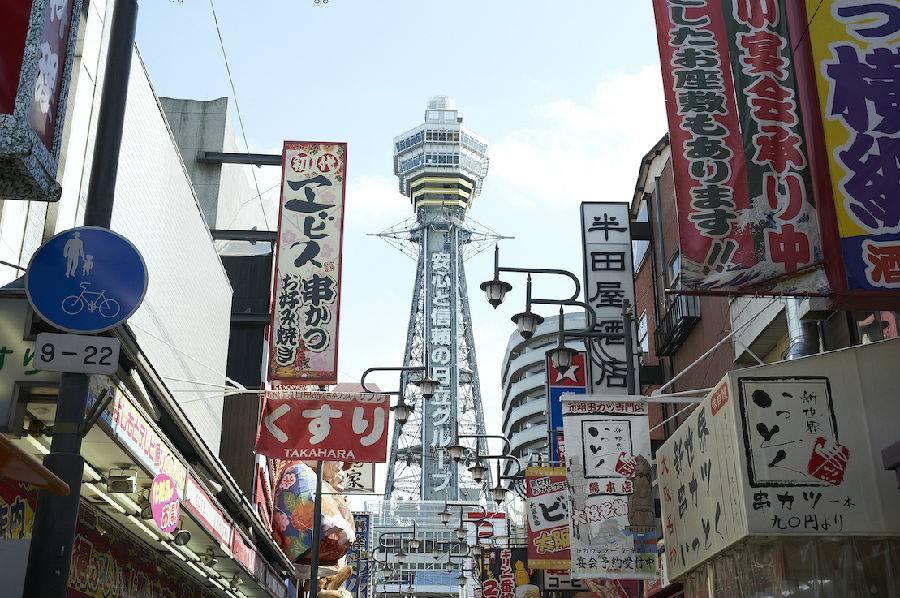
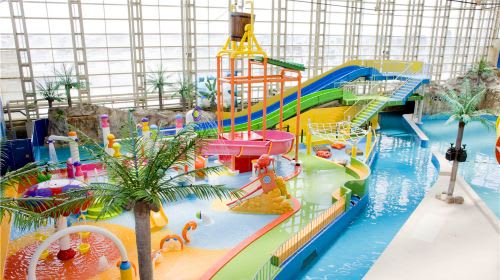
Nishinari is a complex and evolving district in southwestern Osaka, long known for its working-class roots and affordability. In recent years, it has been undergoing transformation with the emergence of hostels, cafes, and cultural spaces catering to budget travelers and artists. The area includes landmarks like Spa World and Tsutenkaku, and offers access to the vibrant Shinsekai neighborhood. While it retains a gritty edge, Nishinari’s character, resilience, and deep community ties make it one of the most unique and honest representations of Osaka’s urban tapestry.

Sakai

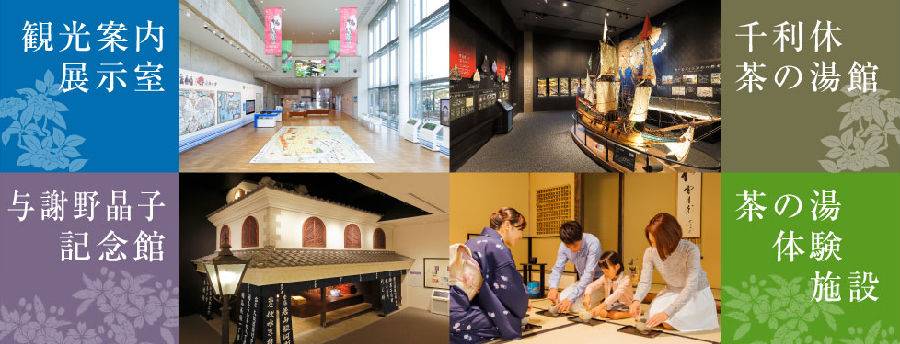
Sakai is a historic and industrial city in Osaka Prefecture, famed for its samurai heritage, cutlery craftsmanship, and ancient burial mounds known as kofun. The Daisen Kofun, the mausoleum of Emperor Nintoku, is one of the world’s largest tombs and a UNESCO site. The city blends historical pride with a modern economy centered on precision manufacturing. Sakai’s tea culture, rooted in the legacy of Sen no Rikyū, adds to its cultural richness. Today, the city offers museums, shopping areas, and green spaces that attract both history buffs and families.

Kishiwada

Kishiwada, situated in southern Osaka, is best known for its energetic and dramatic Danjiri Festival, where large wooden floats are pulled at high speeds through narrow streets. This centuries-old event reflects the city’s vibrant community spirit and draws huge crowds each autumn. Beyond the festival, Kishiwada features a historic castle, traditional streetscapes, and easy access to the coast. The city offers a mix of cultural charm and urban comfort, making it a lively yet relaxed place to visit throughout the year.

Toyonaka

Toyonaka, a northern suburb of Osaka City, is a residential and academic hub known for its high quality of life, green spaces, and accessibility. It hosts several universities and cultural facilities like the Toyonaka Performing Arts Center. The city has a well-developed infrastructure and proximity to Itami Airport, making it convenient for travelers. Toyonaka balances peaceful living with urban convenience, offering parks, local markets, and a variety of dining options. It’s a refined, family-friendly city with cultural depth and modern amenities.

Ikeda

Ikeda is a suburban city in northern Osaka Prefecture, best known as the birthplace of instant ramen and the home of the Cup Noodles Museum. Surrounded by natural beauty, including the nearby Mount Satsuki and various riverside parks, Ikeda offers a tranquil lifestyle with a touch of cultural uniqueness. The city has a strong educational reputation and provides a well-balanced mix of residential serenity and suburban convenience. With direct train access to Osaka’s urban centers, Ikeda is popular among families and commuters seeking both peace and accessibility.

Suita

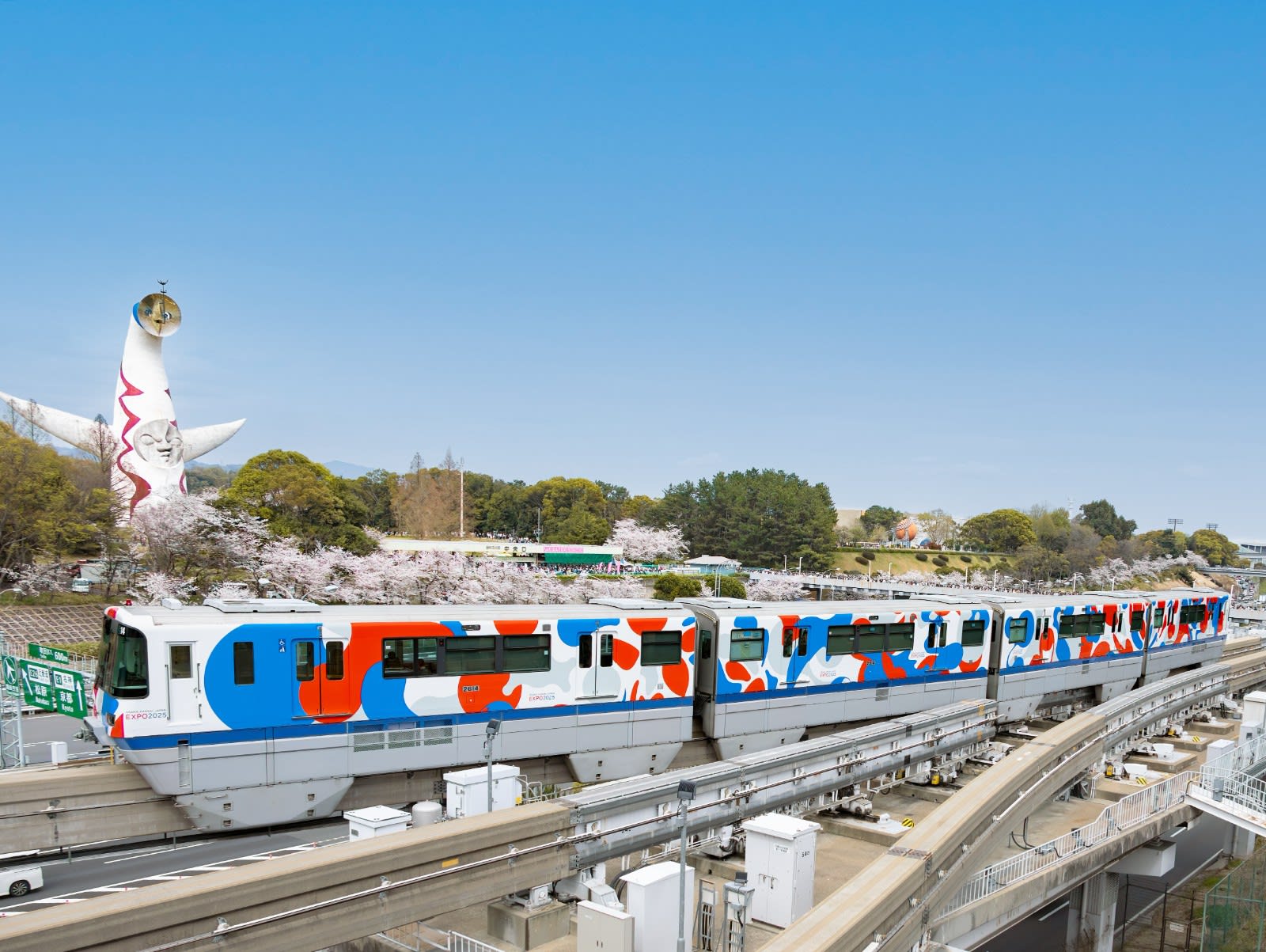
Suita is a dynamic city in northern Osaka, known for its modern urban planning, historical legacy, and rich green spaces. The city gained prominence as the site of Expo ’70, Japan’s first World Expo, and is home to the iconic Tower of the Sun. Today, the Expo ’70 Commemorative Park is a vast recreational area filled with museums, gardens, and event spaces. Suita is also an educational hub, housing Osaka University’s main campus. With a blend of futuristic design, natural beauty, and cultural depth, Suita offers an engaging city experience close to Osaka’s urban core.

Izumiotsu

Izumiotsu is a coastal city in southern Osaka known historically as a center of textile production, especially wool and blanket manufacturing. Today, it retains its legacy through museums and local industries while developing modern residential and commercial areas. The city’s location along Osaka Bay offers scenic waterfronts and access to ferry routes, creating a pleasant maritime atmosphere. Izumiotsu combines a peaceful lifestyle with industrial heritage, attracting families and those seeking a balance between urban proximity and suburban charm.

Takatsuki

Takatsuki lies between Osaka and Kyoto, offering excellent transportation access and a balance between urban convenience and natural surroundings. The city features historic shrines, temples, and castle ruins, such as Akutagawayama Castle, along with hiking trails and riverbanks perfect for outdoor recreation. Known for its music festivals and community events, Takatsuki has a lively cultural scene. With a high standard of living, family-friendly amenities, and educational institutions, it is a popular residential area for commuters and those seeking a peaceful yet connected lifestyle.

Kaizuka

Kaizuka is a historic city in southern Osaka, known for its cultural heritage, including ancient burial mounds and traditional festivals. Located near Kansai International Airport and the coastline, it serves as both a residential area and a transit-friendly hub. Kaizuka offers a blend of history and convenience, with charming townscapes, local crafts, and proximity to nature trails and hot springs. The city’s atmosphere reflects a rich sense of place, making it appealing to residents seeking cultural depth in daily life.

Moriguchi

Moriguchi is a compact city directly bordering Osaka City to the northeast, serving as a convenient residential hub for commuters. Despite its proximity to the metropolis, Moriguchi maintains a relaxed, community-focused feel with local parks, public facilities, and long-standing neighborhoods. It is known for its role in electronics manufacturing and is home to facilities from major corporations like Panasonic. The city balances industrial vitality with livable urban comfort, offering easy access to downtown Osaka via multiple rail lines.

Hirakata

Hirakata is a well-developed suburban city along the Yodo River, known for its spacious residential zones and strong family appeal. A key attraction is Hirakata Park, a long-running amusement park loved by locals for generations. The city also has a variety of educational facilities, making it a popular choice for families with children. Its location between Osaka and Kyoto allows for easy commuting, and the area is dotted with historic temples and nature spots that add to its charm. Hirakata offers the comforts of suburban life with cultural and recreational variety.

Ibaraki

Ibaraki is a growing city in northern Osaka with a mix of historical sites, academic institutions, and suburban tranquility. The city is home to ancient temples like Sojiji and cultural centers that highlight its rich heritage. Ibaraki also benefits from proximity to Osaka University and advanced research facilities, drawing students and professionals alike. Its modern shopping centers, transportation hubs, and planned residential areas make it a desirable location for urban commuters. The balance of tradition, education, and convenience makes Ibaraki a quietly vibrant place to live.

Yao

Yao is a historically significant city in eastern Osaka, blending centuries-old traditions with contemporary suburban development. It’s known for its historical shrines, traditional crafts like dyeing and textiles, and a strong sense of local pride. The city hosts various festivals and cultural events throughout the year, maintaining its identity despite urban expansion. With its accessible transportation and family-friendly amenities, Yao offers a rich cultural environment for residents who value both heritage and modern living.

Izumisano

Izumisano is a coastal city in southern Osaka located near Kansai International Airport, making it a key gateway to Japan. It has a long history as a trading hub and continues to thrive with a mix of logistics, tourism, and seafood markets. The area offers scenic views of Osaka Bay, accessible beach parks, and cultural sites such as traditional temples and shrines. With well-developed infrastructure and a blend of old and new, Izumisano provides both convenience and a sense of heritage.

Tondabayashi

Tondabayashi is a city in eastern Osaka renowned for its historical preservation district, Jinaimachi, which features well-preserved Edo-period townhouses and stone-paved streets. The city emphasizes traditional culture while offering modern amenities for families and residents. Nature is close by, with access to countryside trails, rivers, and green parks. Tondabayashi offers a serene atmosphere with a strong historical identity, making it ideal for those interested in cultural immersion.

Neyagawa

Neyagawa is a residential city located northeast of central Osaka, known for its balance of urban convenience and suburban comfort. It has a high population density and offers extensive shopping areas, public parks, schools, and medical facilities. The city is connected by multiple rail lines, making it a popular choice for commuters. Neyagawa also places emphasis on community events and safety, creating a family-friendly atmosphere ideal for long-term living.

Kawachinagano

Kawachinagano is a scenic city in southern Osaka, located at the base of the Kongo Mountain Range. Known for its natural beauty, it offers lush forests, hiking trails, and rivers, making it popular among outdoor enthusiasts. The city also has significant cultural landmarks, including ancient temples such as Kanshinji. Kawachinagano strikes a rare balance between nature, tradition, and accessibility, ideal for those seeking a peaceful lifestyle near nature while staying within reach of Osaka’s urban areas.

Matsubara

Matsubara is a residential city in the southeastern part of Osaka Prefecture, offering a peaceful and well-connected environment. It is characterized by a mix of traditional neighborhoods and newer housing developments. The city values community and education, with many parks, schools, and cultural events throughout the year. Its strategic location near main expressways and train lines makes it convenient for commuters while retaining a relaxed, small-town charm. x

Daito

Daito is a mid-sized city in northeastern Osaka known for its educational institutions and urban-suburban balance. It is home to Osaka Sangyo University and several high schools, creating a youthful and academic atmosphere. While it has developed residential and commercial zones, Daito also preserves areas of historical and cultural interest. Parks and sports facilities support active lifestyles, and the city’s transit connectivity enhances its appeal for both students and families.

Izumi

Izumi is a spacious city in southern Osaka that blends historical charm with modern living. Known for its traditional ceramic production and cultural heritage, it also has residential neighborhoods with modern amenities. The city emphasizes greenery and sustainability, with ample parks and forested areas like Mount Izumi Katsuragi nearby. It serves as a relaxing environment for families and nature lovers, while also maintaining accessibility to urban hubs.

Mino

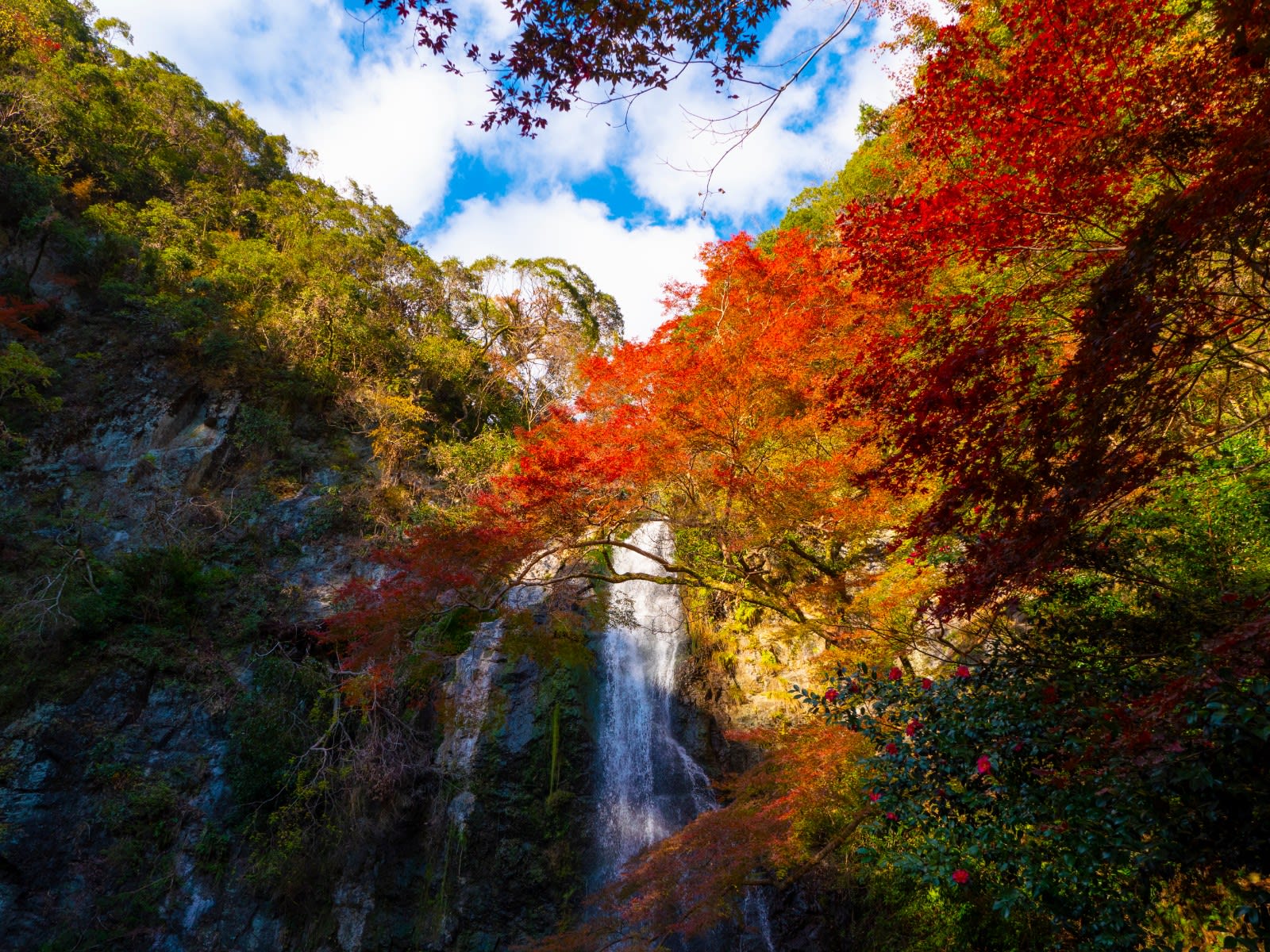
Mino is a scenic and affluent area in northern Osaka, famous for its natural attractions like Minoh Waterfall and Minoh Park. Surrounded by mountains and forests, it is a popular destination for hiking and autumn foliage. The city also offers high-quality residential zones, reputable schools, and a tranquil lifestyle, attracting professionals and families. Mino's blend of nature, safety, and culture makes it one of the most desirable suburban communities in the region.

Kashiwara

Kashiwara is a historically rich city in southeastern Osaka, nestled along the Yamato River and surrounded by scenic hills. It is renowned for its archaeological sites, such as the Konda Hachimangu shrine and ancient kofun burial mounds. The city combines a quiet, small-town feel with convenient transportation to central Osaka and Nara. With its peaceful residential areas, agricultural traditions, and cultural heritage, Kashiwara offers a unique blend of history and everyday living.

Habikino

Habikino is a green and residential city in southern Osaka, known for its extensive ancient tombs that form part of the Mozu-Furuichi Kofun Group, a UNESCO World Heritage site. The area is peaceful yet culturally significant, with historical temples, shrines, and a strong community presence. It offers suburban comfort with a touch of historical charm, making it ideal for families and history enthusiasts alike. Its accessibility to central Osaka enhances its residential appeal.

Kadoma

Kadoma is a compact yet vital city in the Osaka metropolitan area, serving as the headquarters of Panasonic Corporation. It has a strong industrial and technological identity, with urban infrastructure supporting both business and residential life. The city features excellent public transportation and convenient shopping centers, making it a practical and accessible area for professionals, students, and families. Despite its urban setting, Kadoma also offers parks and cultural spots for leisure.

Settsu

Settsu is a smaller, well-organized city located in northeastern Osaka, known for its efficient urban planning and strong community atmosphere. While compact in size, it offers excellent transportation links to Umeda and Kyoto, making it an attractive residential option for commuters. The city emphasizes environmental sustainability, with clean streets, community gardens, and educational programs. Settsu also preserves its historical roots while looking toward a modern, livable future.

Takaishi

Takaishi is a small coastal city in southern Osaka Prefecture, known for its industrial base and scenic ocean views along Osaka Bay. Despite its compact size, Takaishi maintains a balance between manufacturing facilities and residential areas. The city has a strong local community, and its parks, marinas, and coastal walking paths provide relaxing escapes. With easy access to central Osaka and Kansai Airport, Takaishi offers convenient living for those who value a quiet coastal lifestyle close to the city.

Fujiidera

Fujiidera is a city rich in historical and cultural heritage, located in the southeastern part of Osaka. It is home to the ancient Fujiidera Temple, which gave the city its name, and several other kofun (ancient burial mounds) that mark it as a significant site in Japanese history. The city features a mix of modern residential areas, local businesses, and serene historical landmarks. Fujiidera also offers excellent access to central Osaka, making it a peaceful yet convenient place for daily life.

Higashiosaka

Higashiosaka is a dynamic and industrially prominent city located just east of Osaka City. Known as a hub for small- and medium-sized manufacturers, it plays a critical role in Japan’s precision manufacturing sector. The city is also home to educational institutions and Kintetsu Hanazono Rugby Stadium, adding a sports and academic atmosphere. Despite its industrial roots, Higashiosaka has many parks, cultural venues, and residential neighborhoods, making it a well-rounded urban area with both productivity and livability.

Sennan

Sennan is a coastal city in southern Osaka Prefecture, offering a more relaxed lifestyle with beautiful sea views and open green spaces. It is known for its beaches, flower gardens, and proximity to Kansai International Airport. The city has made efforts to develop tourism and wellness initiatives, creating a balanced community that welcomes both residents and visitors. With a blend of rural tranquility and modern infrastructure, Sennan provides a serene alternative to busier urban centers while remaining well connected.

Shijonawate

Shijonawate is a suburban city nestled on the border of Osaka and Nara prefectures, known for its historical shrines and scenic natural environment. The city offers a quiet residential setting with lush greenery, including the Ikoma Mountains. It is home to Shijonawate Shrine and several ancient burial mounds, making it appealing to those interested in history and nature. The blend of historical ambiance and suburban comfort, combined with convenient rail access to both Osaka and Nara, makes it a favored choice for families and history enthusiasts.

Katano

Katano is a tranquil city in northeastern Osaka, surrounded by rolling hills and natural beauty. Famous for its role in Japanese mythology and as part of the ancient capital region, Katano maintains a peaceful character with attractions like the Hoshida Enchi Park and Mount Iimori. The city blends suburban living with access to hiking trails, riverside leisure spots, and cultural sites. This balance of serenity and accessibility to Kyoto and Osaka makes Katano ideal for outdoor lovers, families, and those seeking a slower pace of life.

Osakasayama

Osakasayama is a compact city located in the southern part of Osaka Prefecture, known for its residential neighborhoods and family-friendly atmosphere. The city is well-developed yet surrounded by greenery, with Sayama Pond—a historic reservoir—being one of its main attractions. With a strong emphasis on education and safety, Osakasayama is popular among families. The community offers peaceful living while maintaining quick access to larger urban centers, making it a practical and pleasant choice for those seeking balance between convenience and tranquility.

Hannan

Hannan is a seaside city in southern Osaka known for its quiet residential areas, rich natural surroundings, and coastal charm. Facing Osaka Bay, it features beaches, parks, and panoramic ocean views. Hannan is popular with those seeking a more relaxed pace of life while still enjoying access to urban amenities. The city is also close to Wakayama Prefecture, offering extended travel and lifestyle options. Its warm community feel, combined with nature and convenience, makes it attractive to retirees, families, and anyone desiring a slower lifestyle by the sea.

Shimamoto

Shimamoto is a peaceful town nestled between Osaka and Kyoto, offering a perfect blend of rural tranquility and urban accessibility. Surrounded by lush forests and the scenic Yodo River, it’s known for its clean environment, rich groundwater, and sake breweries. The area is historically linked to poet Matsuo Bashō, and cultural references still resonate today. Its relaxed pace, proximity to nature, and excellent train access make it a hidden gem for commuters, families, and those looking to balance city life with a quiet retreat.

Toyono

Toyono is a quiet mountainous town located in the northern part of Osaka Prefecture, surrounded by forested hills and valleys. The area is known for its scenic beauty, clear air, and starry night skies. It offers outdoor activities such as hiking, camping, and stargazing, making it a haven for nature lovers. While the population is small, the community is tight-knit and welcoming. Despite its rural feel, Toyono is within commuting distance of urban Osaka, providing a rare mix of countryside living with metropolitan convenience.

Nose

Nose is a scenic and historic town located in the far northern reaches of Osaka Prefecture. Characterized by its pastoral landscapes, traditional farmhouses, and seasonal beauty, Nose offers an authentic countryside experience. It is home to hot springs, hiking trails, and cultural festivals that showcase local heritage. The area is especially popular during autumn for its colorful foliage. Despite being part of Osaka, Nose retains a rural identity, making it a unique escape for those seeking a deep connection with nature and tradition.

Tadaoka

Tadaoka is the smallest municipality in Osaka Prefecture but offers a strong sense of community and convenience. Located along Osaka Bay, it has a mix of residential and industrial zones, and is appreciated for its compactness and accessibility. Tadaoka's proximity to Sakai and central Osaka makes it ideal for commuters, while its quiet streets and local charm give it a close-knit, livable feel. Despite its size, the town is proactive in community engagement and urban planning, maintaining a pleasant living environment for all generations.

Kumatori

Kumatori is a serene town in southern Osaka, known for its green hills, historical shrines, and proximity to Kansai International Airport. Despite its location near major transport hubs, Kumatori retains a rural charm with rice fields, natural trails, and community gardens. The town also emphasizes education, being home to several academic institutions, and it fosters a safe, family-oriented atmosphere. Seasonal festivals and a strong local identity make Kumatori a pleasant and culturally rich place to live.

Tajiri

Tajiri is a small coastal town located next to Kansai International Airport, offering a unique blend of seaside tranquility and international accessibility. Known for its fishing port and fresh seafood markets, Tajiri has a distinct maritime identity. Despite its size, the town has developed attractions like seaside parks and yacht harbors, providing residents and visitors with ocean-side recreation. It’s a great base for those who enjoy coastal living without straying far from urban conveniences.

Misaki

Misaki is a scenic coastal town at the southwestern tip of Osaka Prefecture, known for its rugged coastline, calm beaches, and panoramic ocean views. Rich in natural beauty, the town is ideal for outdoor activities such as fishing, hiking, and marine sports. It also features historical temples and lighthouses, adding cultural depth. Though small in population, Misaki offers a peaceful lifestyle rooted in its seaside traditions, and it's a popular weekend getaway for Osaka residents.

Taishi

Taishi is a culturally significant inland town in southern Osaka, deeply connected to Prince Shōtoku, a key figure in Japanese history. The town is home to ancient temples and burial mounds, including Eifuku-ji and the legendary tomb of the prince himself. Surrounded by gentle hills and farmland, Taishi maintains a tranquil, historical atmosphere that contrasts with urban Osaka. It actively preserves its heritage through museums, guided tours, and educational events, making it ideal for history lovers seeking a quiet yet meaningful place to explore.

Kanan

Kanan is a tranquil town in southeastern Osaka, characterized by its gentle rural landscape and a deep sense of tradition. Surrounded by low mountains and farmland, it offers a peaceful lifestyle away from urban bustle. The area is dotted with ancient temples and burial mounds, reflecting a rich historical heritage. Kanan is also committed to sustainable living, promoting local agriculture and eco-conscious practices. Families and individuals seeking a slower, community-oriented lifestyle often find this town appealing, as it balances proximity to major cities with a serene environment.

Chihayaakasaka

Chihayaakasaka is the only village in Osaka Prefecture, nestled in the verdant mountains along the prefecture’s southeastern border. Known as the birthplace of the samurai Kusunoki Masashige, the village holds deep historical and cultural significance. It offers hiking trails through the Kongō mountain range, terraced rice fields, and seasonal festivals celebrating rural traditions. Despite its small size, Chihayaakasaka is actively engaged in promoting heritage conservation and eco-tourism. Visitors can experience traditional Japanese countryside living while enjoying panoramic views and local hospitality.

What to Eat in Osaka

Things to Do in Osaka