
Overview
Restaurant Overview and Charm: A Taste of Authenticity at Cotton Pot
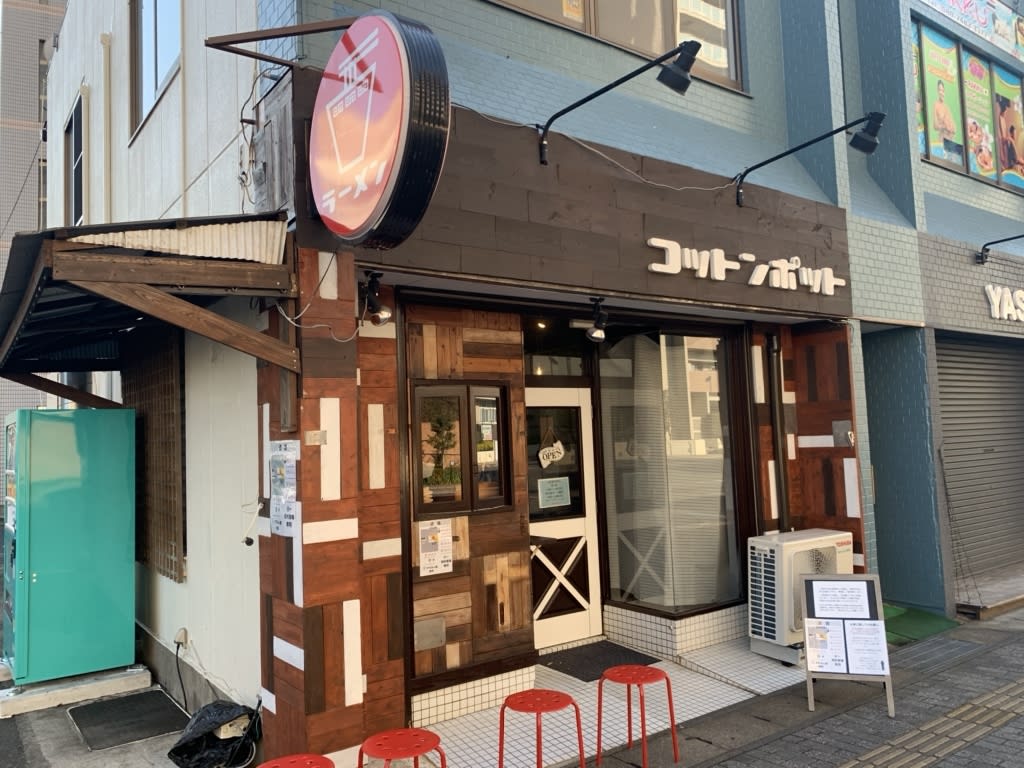
Cotton Pot is a well-regarded ramen restaurant nestled in Mito, Ibaraki. The inviting atmosphere and carefully curated menu draw visitors to explore its authentic flavors. One of the striking aspects of Cotton Pot is its focus on crafting a unique ramen experience, particularly through its diverse broth options and artisanal ingredients. The establishment is noted for the warm and welcoming service provided by the staff, which adds to the overall charm of visiting this cozy spot.
Culinary Appeal and Recommended Menu: Rich Flavors and Unique Combinations
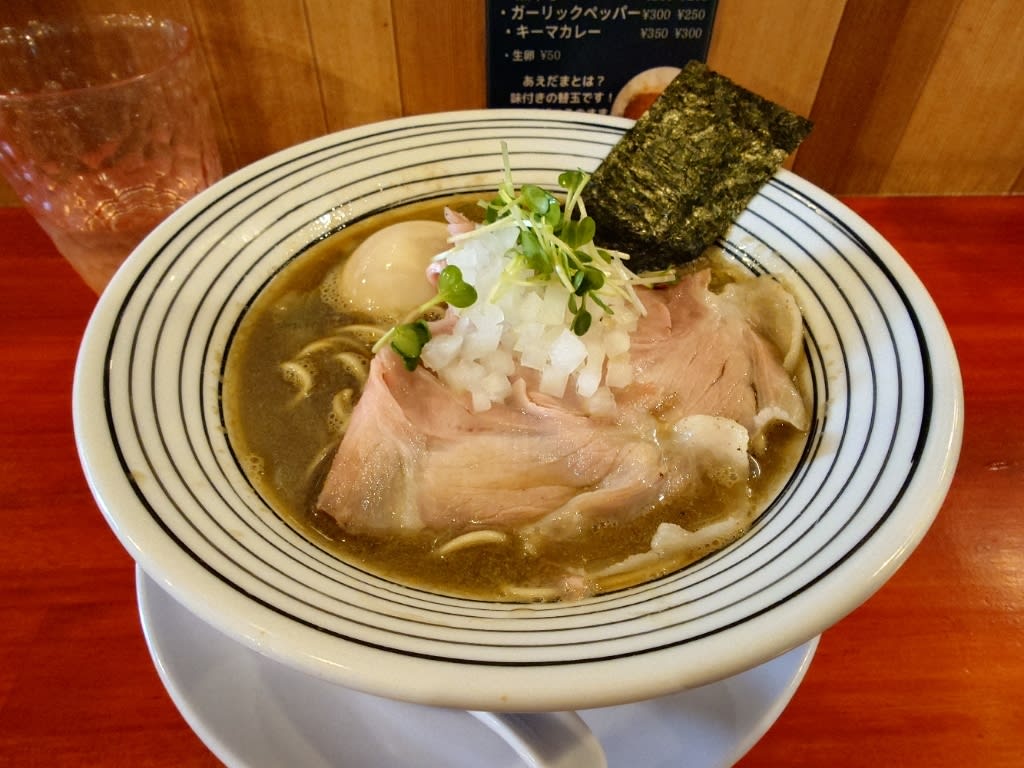
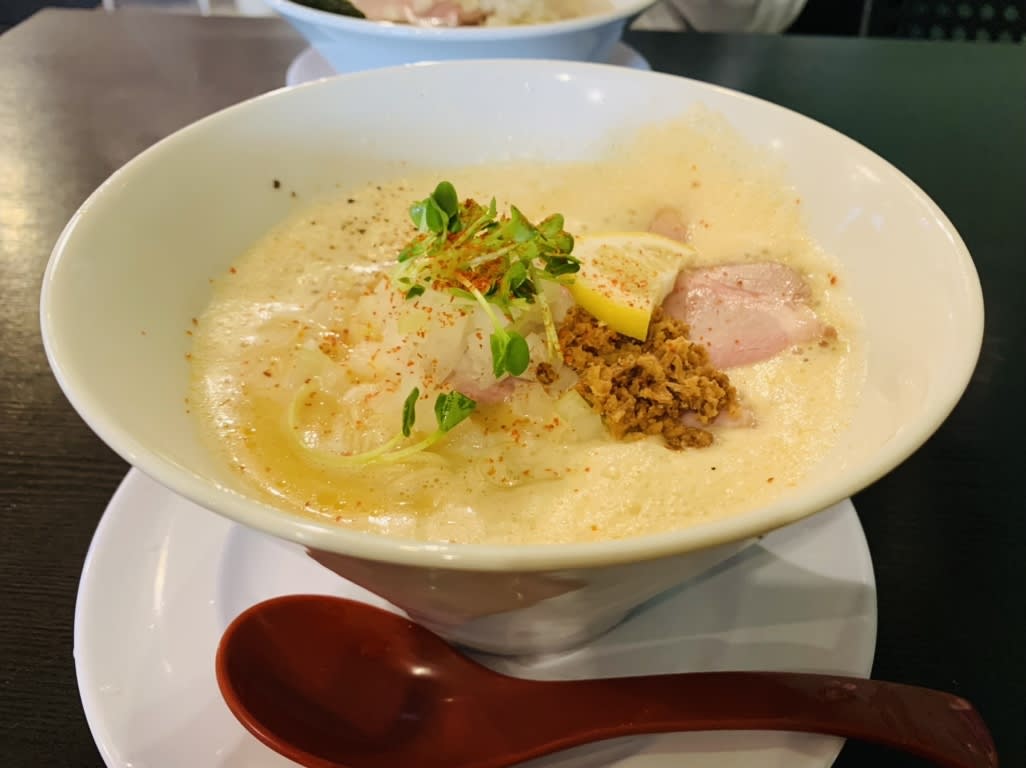
The culinary appeal of Cotton Pot lies in its expertly prepared dishes that highlight the balance of flavors. The standout items on the menu include the nitamago niboshi shoyu ramen, known for its light yet rich broth made from dried sardines, and the pure chicken paitan ramen, which captures the essence of traditional Japanese ramen with its creamy and comforting texture.
Recommended selections also encompass:
- Nitama Niboshi Shoyu Ramen: This dish features a fragrant broth with a delicate sardine flavor, complemented by toppings such as a soft-boiled egg and luxurious slices of chashu.
- Pure Chicken Paitan Ramen: Distinctively creamy without being oily, this dish is combined with lemon for a refreshing touch that enhances the overall flavor.
- Aemodama with Keema Curry: An innovative choice that showcases the restaurant’s commitment to creative presentation and satisfying flavor profiles.
The interplay of textures and well-thought-out flavor combinations creates delightful culinary experiences that are especially appreciated by ramen lovers.
Cuisine Genres: Embracing Tradition with a Modern Twist
Cotton Pot specializes in Japanese ramen, offering a fusion of both traditional and contemporary styles. Diners can indulge in both shoyu-based and paitan (white chicken) ramen, each showcasing a commitment to high-quality ingredients. The ramen selections are often prepared with fresh toppings that enhance their comforting nature, making each bowl a feast for the senses. For those curious to explore the world of ramen, Cotton Pot serves as a great introduction to the rich tapestry of flavors that this beloved dish can provide.
Reviews
"Visited during lunch and tried the fish broth ramen. The quality was outstanding and the atmosphere was pleasant. I'll definitely return for more!"
"Arrived around 11:30 during the week, and was seated quickly. The chicken broth was rich and paired well with the thin noodles, creating a delightful experience."
"Located just a few minutes from the station, I enjoyed the beautifully presented chicken broth ramen. The flavors were gentle and the noodles were a perfect match."
"The variety of ramen options was impressive, and I loved the rich flavor of the shrimp cream soup. The staff was accommodating, making my experience very enjoyable."
"Had a wonderful time stopping by this popular spot after work. The chicken broth was creamy yet light, and the onions added a nice crunch, enhancing the overall taste."
Opening Hours
Monday: 11:00 AM – 2:30 PM
Tuesday: 11:00 AM – 2:30 PM
Wednesday: 11:00 AM – 2:30 PM, 6:00 – 8:30 PM
Thursday: 11:00 AM – 2:30 PM, 6:00 – 8:30 PM
Friday: 11:00 AM – 2:30 PM, 6:00 – 8:30 PM
Saturday: 11:00 AM – 2:30 PM, 6:00 – 8:30 PM
Sunday: 11:00 AM – 2:30 PM
Tuesday: 11:00 AM – 2:30 PM
Wednesday: 11:00 AM – 2:30 PM, 6:00 – 8:30 PM
Thursday: 11:00 AM – 2:30 PM, 6:00 – 8:30 PM
Friday: 11:00 AM – 2:30 PM, 6:00 – 8:30 PM
Saturday: 11:00 AM – 2:30 PM, 6:00 – 8:30 PM
Sunday: 11:00 AM – 2:30 PM
How to Get There
Train / Subway
550m (0.34mi) from Mito Station South Exit - about a 9-minute walk
1.9km (1.16mi) from Mito Station
1.9km (1.16mi) from Mito Station
1.9km (1.16mi) from Mito Station
1.9km (1.16mi) from Mito Station
Bus stop
343m (0.21mi) from Godo Chosha Entrance (Mito) - about a 6-minute walk
353m (0.22mi) from Godochoshairiguchi - about a 6-minute walk
416m (0.26mi) from Sangyo Kaikan Mae - about a 7-minute walk
353m (0.22mi) from Godochoshairiguchi - about a 6-minute walk
416m (0.26mi) from Sangyo Kaikan Mae - about a 7-minute walk
Map
2-chōme-5-7 Sakuragawa, Mito, Ibaraki 310-0801, Japan
<div class="maps_inPage"><iframe src="https://www.google.com/maps/embed/v1/place?q=Cotton%20Pot%202-ch%C5%8Dme-5-7%20Sakuragawa%2C%20Mito%2C%20Ibaraki%20310-0801%2C%20Japan¢er=36.3691435,140.4797942&language=en&key=AIzaSyDSXnuFxE3B1oprM7fhXpI0Zj7dMr4BYtY" allowfullscreen></iframe></div>
Things to Do in the Area
Ibaraki - A Region Rich in Nature and Tradition
Ibaraki is a picturesque area known for its lush landscapes, historical sites, and cultural heritage. Visitors can enjoy beautiful gardens, ancient shrines, and vibrant festivals that encapsulate the spirit of Japan.
- Hitachi Seaside Park: This vast park features stunning seasonal flower displays, including the iconic nemophila blossoms in spring and vibrant red kochia in autumn, making it a perfect destination for nature lovers.
- Kairakuen Garden: Renowned for its collection of over 3,000 plum trees, Kairakuen is one of Japan's top three gardens, offering spectacular views and a tranquil atmosphere ideal for leisurely strolls.
- Tokugawa Museum: This museum showcases the history of the renowned Tokugawa family through various artifacts and fine art, allowing visitors to delve into a significant era of Japanese history.
Mito - The Heart of Ibaraki’s Cultural Heritage
Mito, the capital of Ibaraki Prefecture, is celebrated for its historical significance, beautiful parks, and art galleries. It offers a blend of tradition and modernity, attracting those interested in experiencing Japanese culture firsthand.
- Kairakuen Park: Aside from being in Ibaraki, Mito's Kairakuen is famous for its stunning plum blossoms, particularly during the plum blossom festival in late February to March. The park also offers beautiful strolls along scenic paths and views of the local landscape.
- Mito Art Museum: This museum is a hub for modern and contemporary art, featuring a commendable collection of works by both Japanese and international artists, making it a place for art enthusiasts to explore creativity and inspiration.
- Aizuwakamatsu Castle: Known as Tsuruga Castle, this historical castle offers visitors a glimpse into Japan’s samurai era, complete with a reconstructed donjon and picturesque views of the surrounding area, especially beautiful during cherry blossom season.