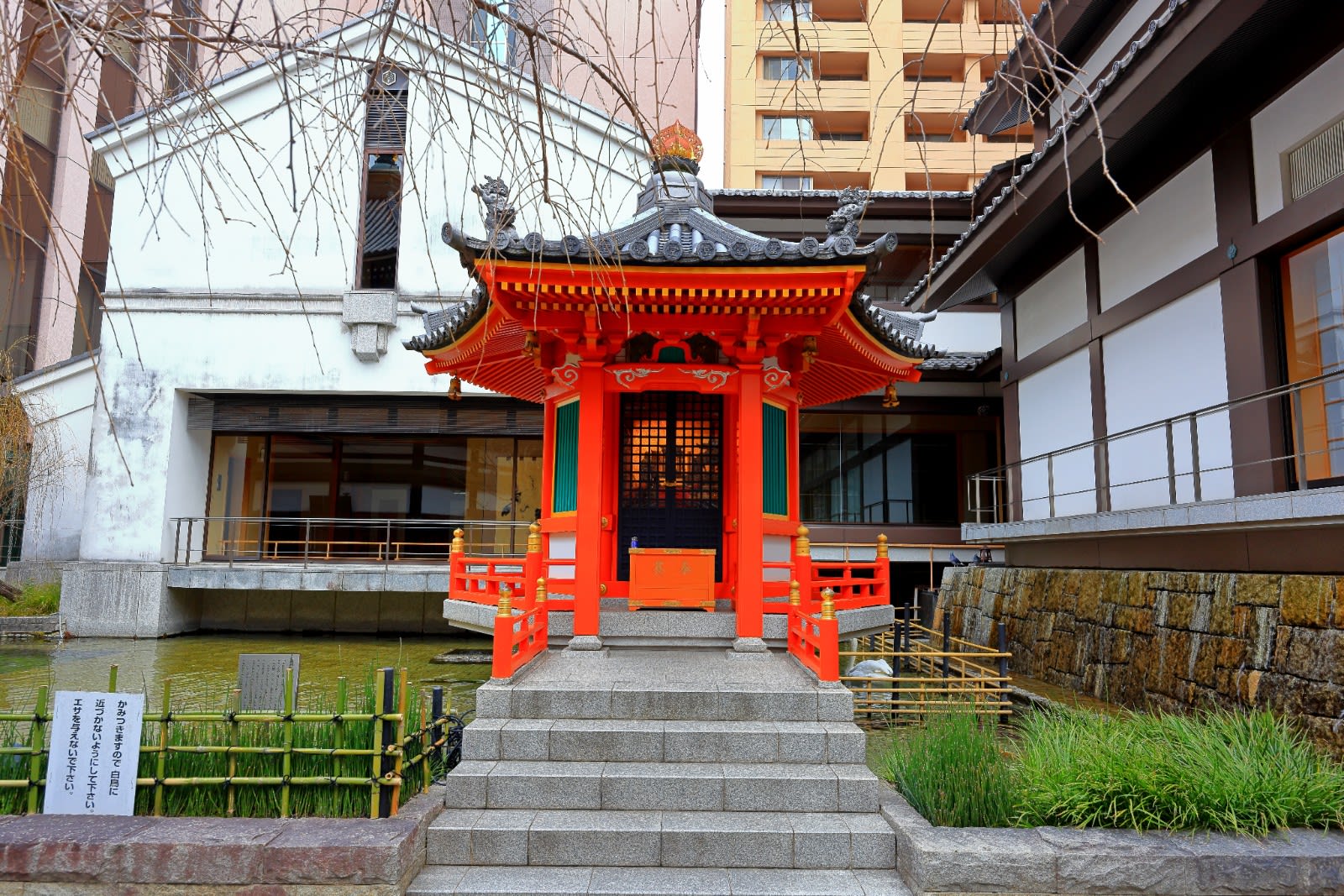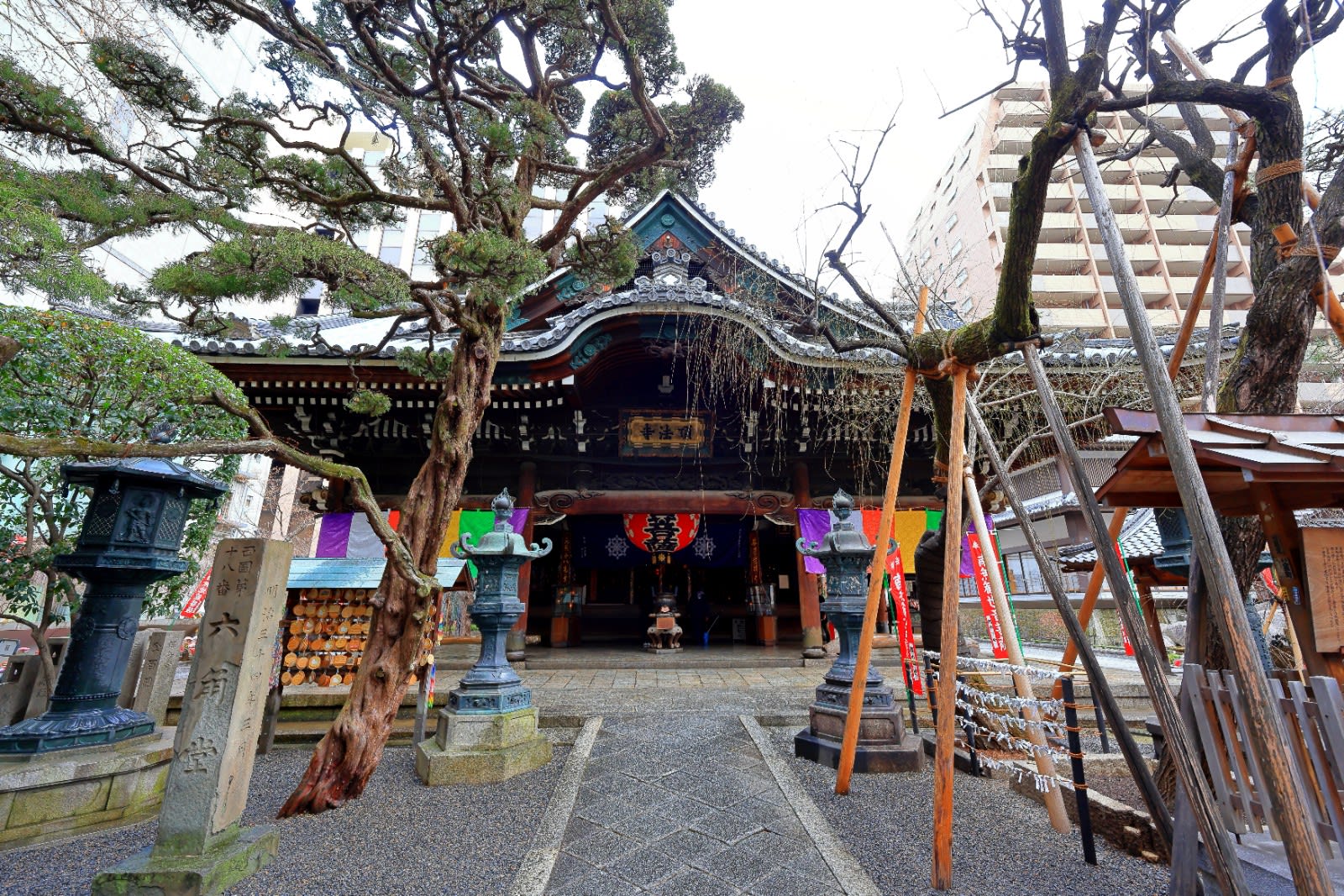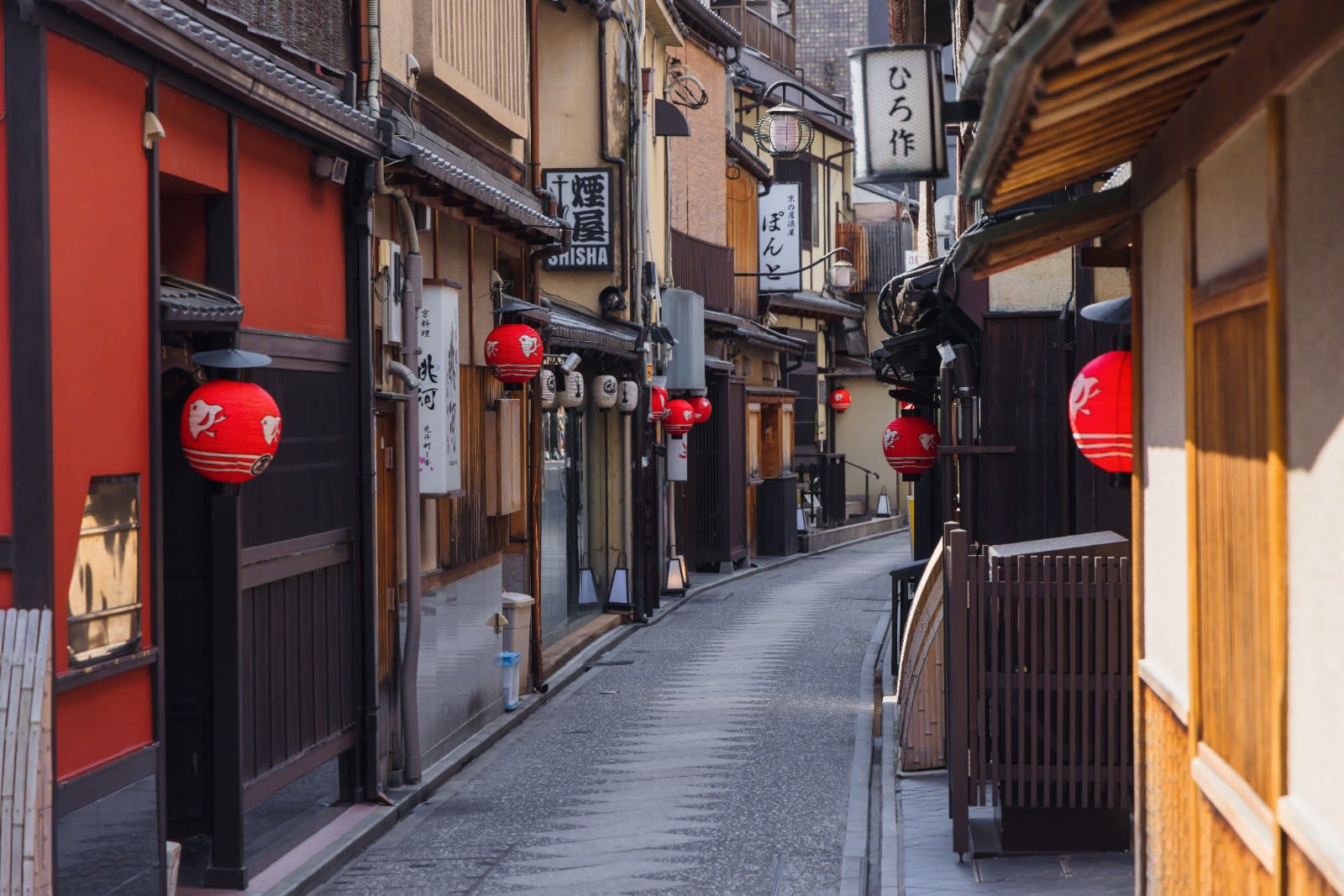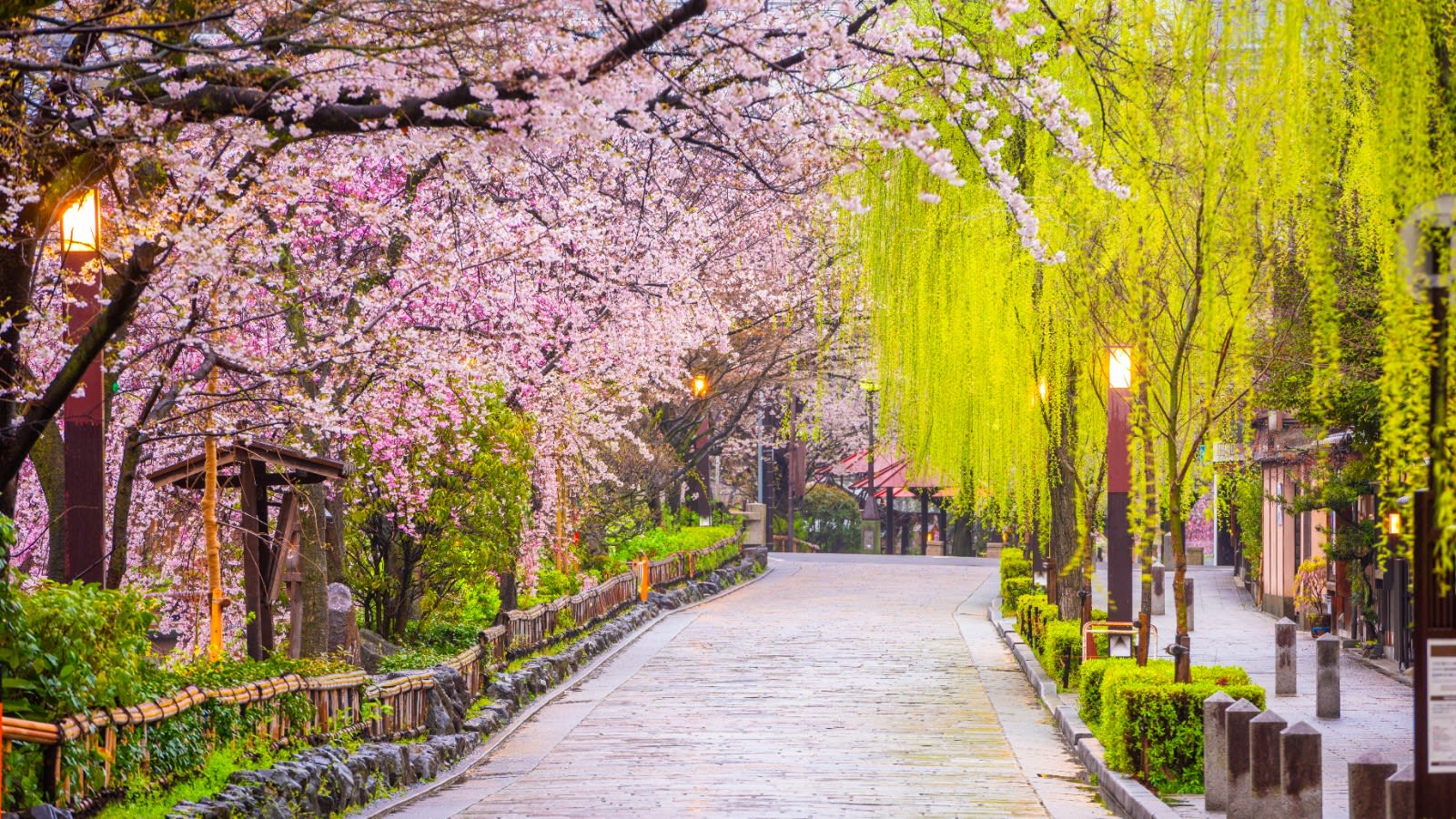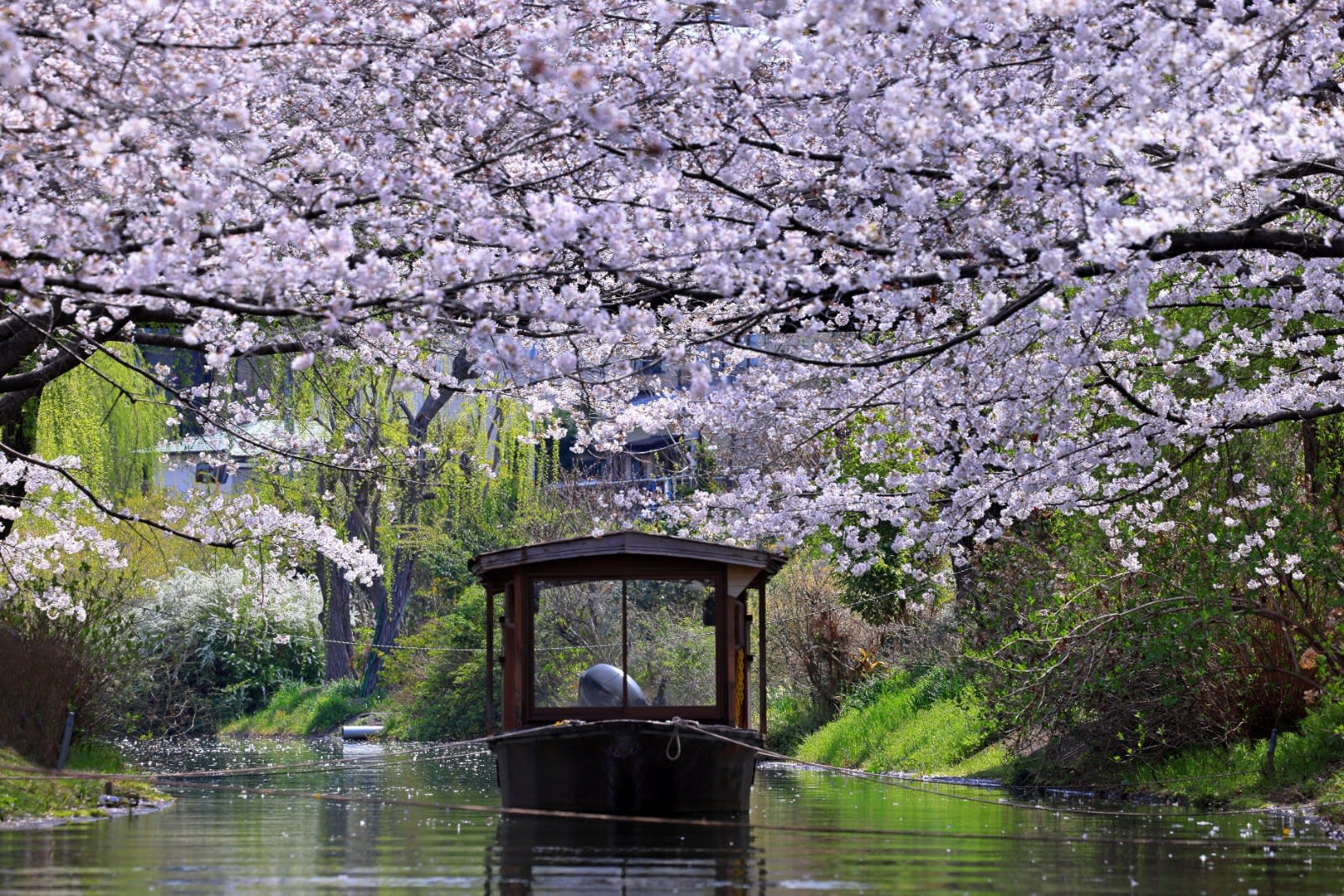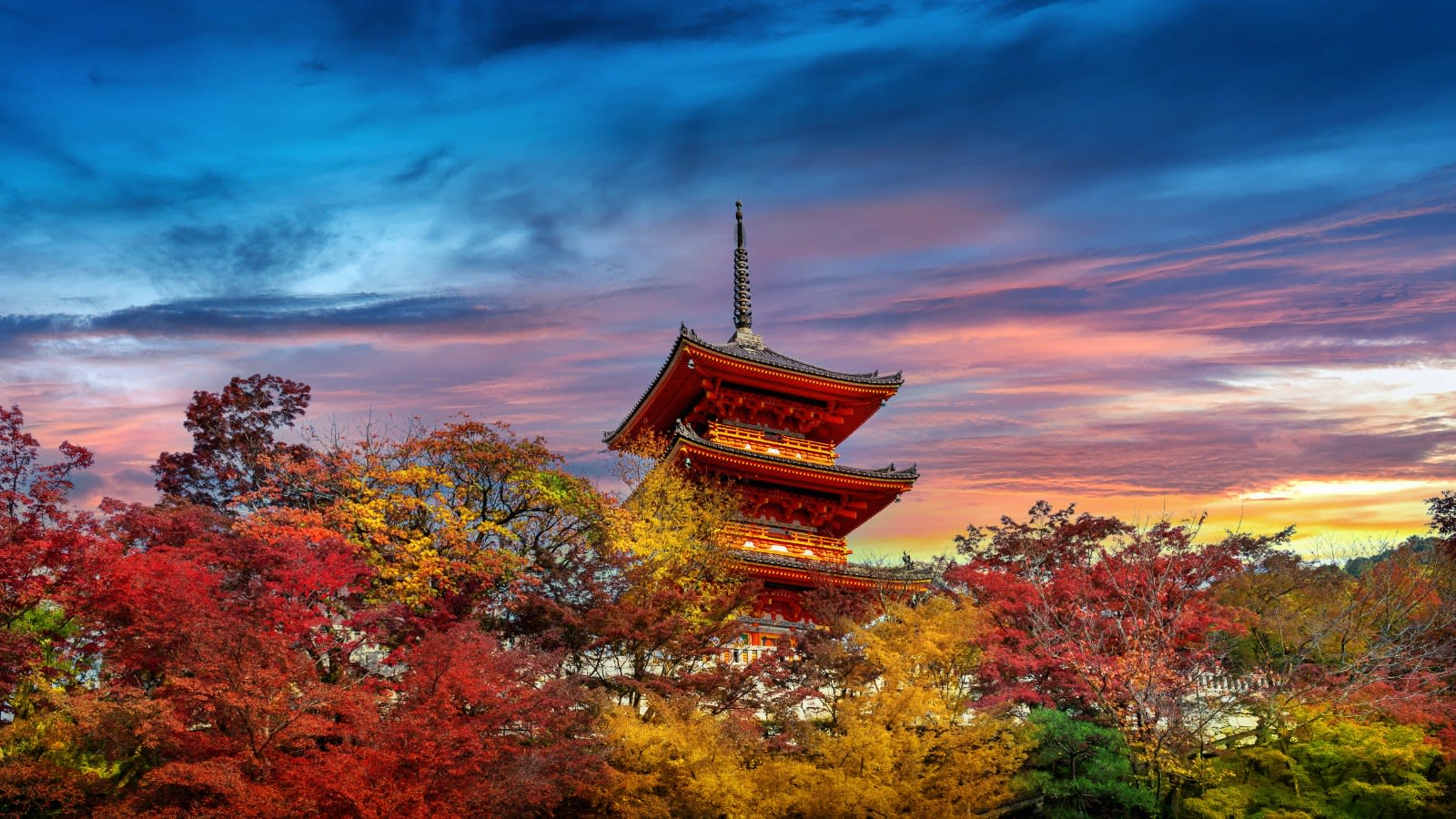
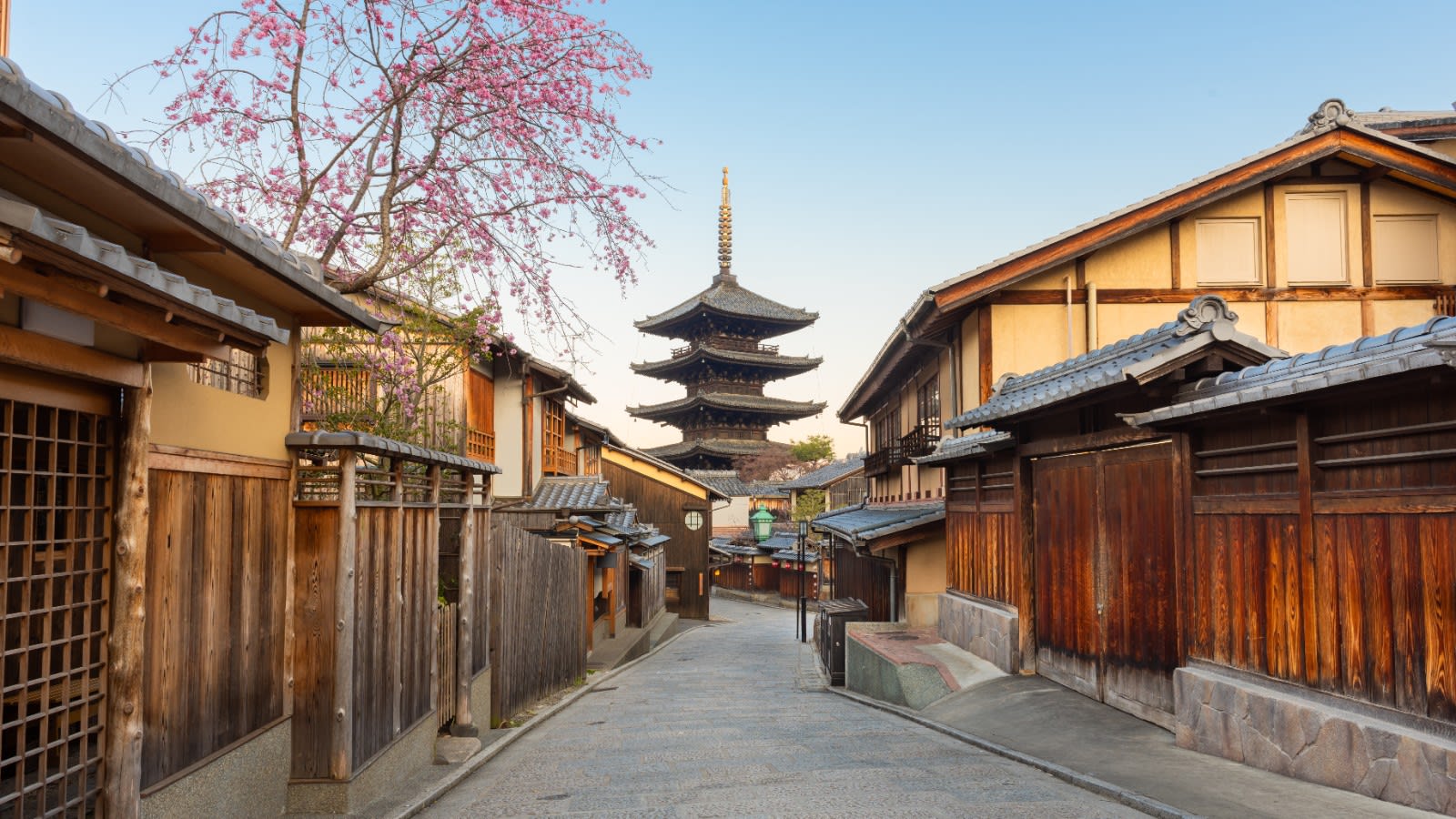
Higashiyama is one of Kyoto’s most iconic and photogenic areas, featuring Kiyomizu-dera, Gion, and narrow lanes lined with traditional wooden townhouses. The district exudes old Kyoto charm, where geisha culture still thrives and seasonal beauty—especially cherry blossoms and autumn foliage—draws visitors year-round.
Best Things to Do in Kyoto: Top Attractions & Dining Guide
Overview
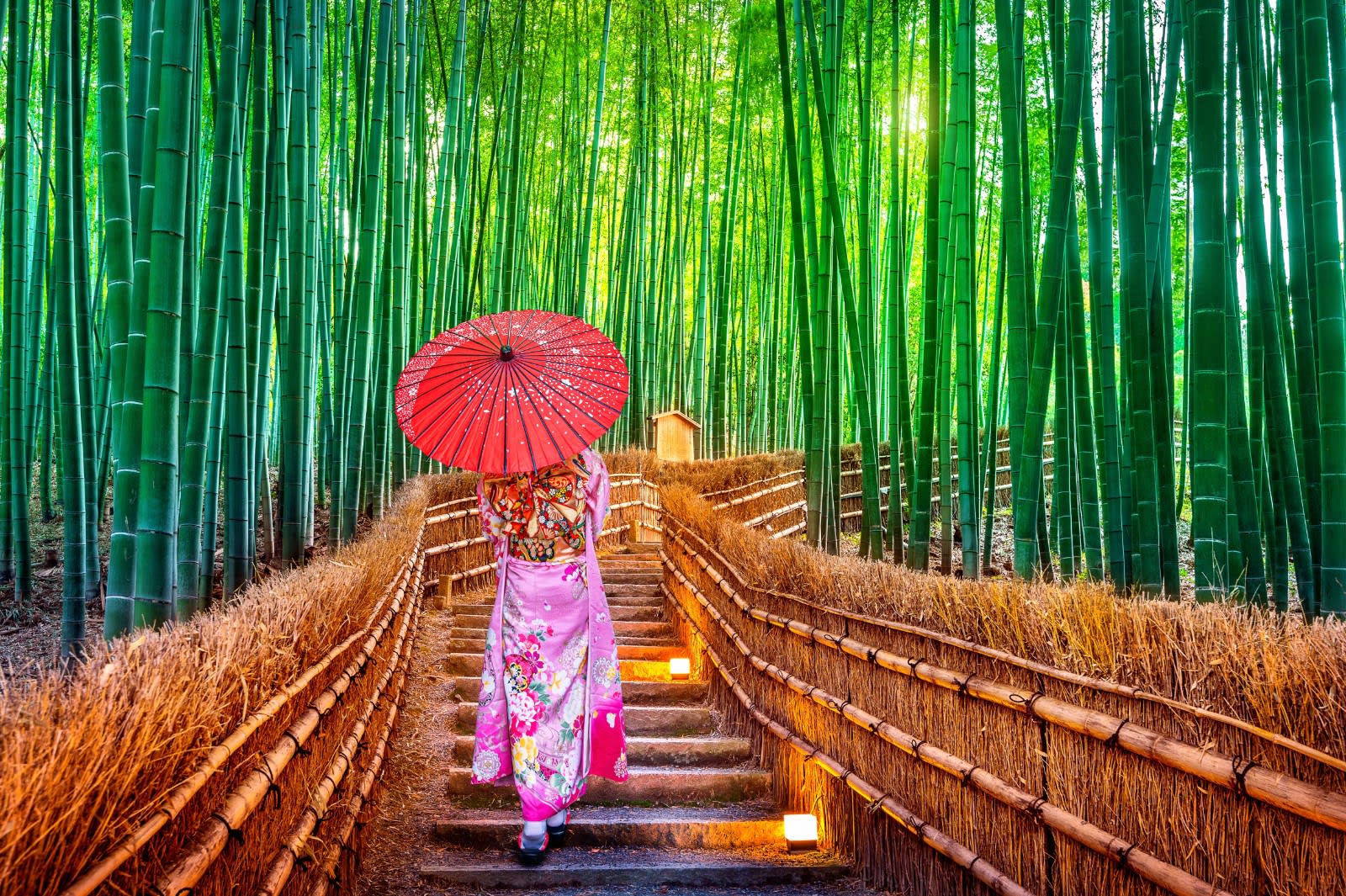
Kyoto, the cultural heart of Japan, is renowned for its historic temples, gardens, and geisha districts. Iconic landmarks include Kinkaku-ji (Golden Pavilion), Fushimi Inari Taisha with its thousands of red torii gates, and the bamboo groves of Arashiyama. The city’s Gion district offers glimpses of traditional tea houses and geiko culture. Kyoto’s seasonal beauty is unmatched, from cherry blossoms in spring to vibrant autumn leaves. Visitors can also indulge in kaiseki cuisine and matcha desserts while exploring the city’s charming streets and historic sites.
Areas
Uji, south of Kyoto, is famous for its world-class green tea and historic sites. It is home to the UNESCO World Heritage Byodo-in Temple, whose Phoenix Hall appears on the Japanese 10-yen coin. The Uji River and surrounding tea plantations offer a tranquil, picturesque setting. Uji is deeply tied to classical literature as the setting for the final chapters of "The Tale of Genji." Tourists can participate in tea ceremonies, visit museums, and enjoy seasonal events. It’s a city that celebrates refinement and tradition.
Kameoka is a scenic city west of Kyoto, surrounded by rolling hills and lush forests. It’s known for the Hozugawa River boat rides and as a gateway to the Tanba region. The city has a rich cultural atmosphere with traditional events like the Kameoka Festival, and its agricultural products, especially vegetables, are highly regarded. Kameoka blends rural charm with easy access to Kyoto City, making it an attractive destination for both tourists and residents.
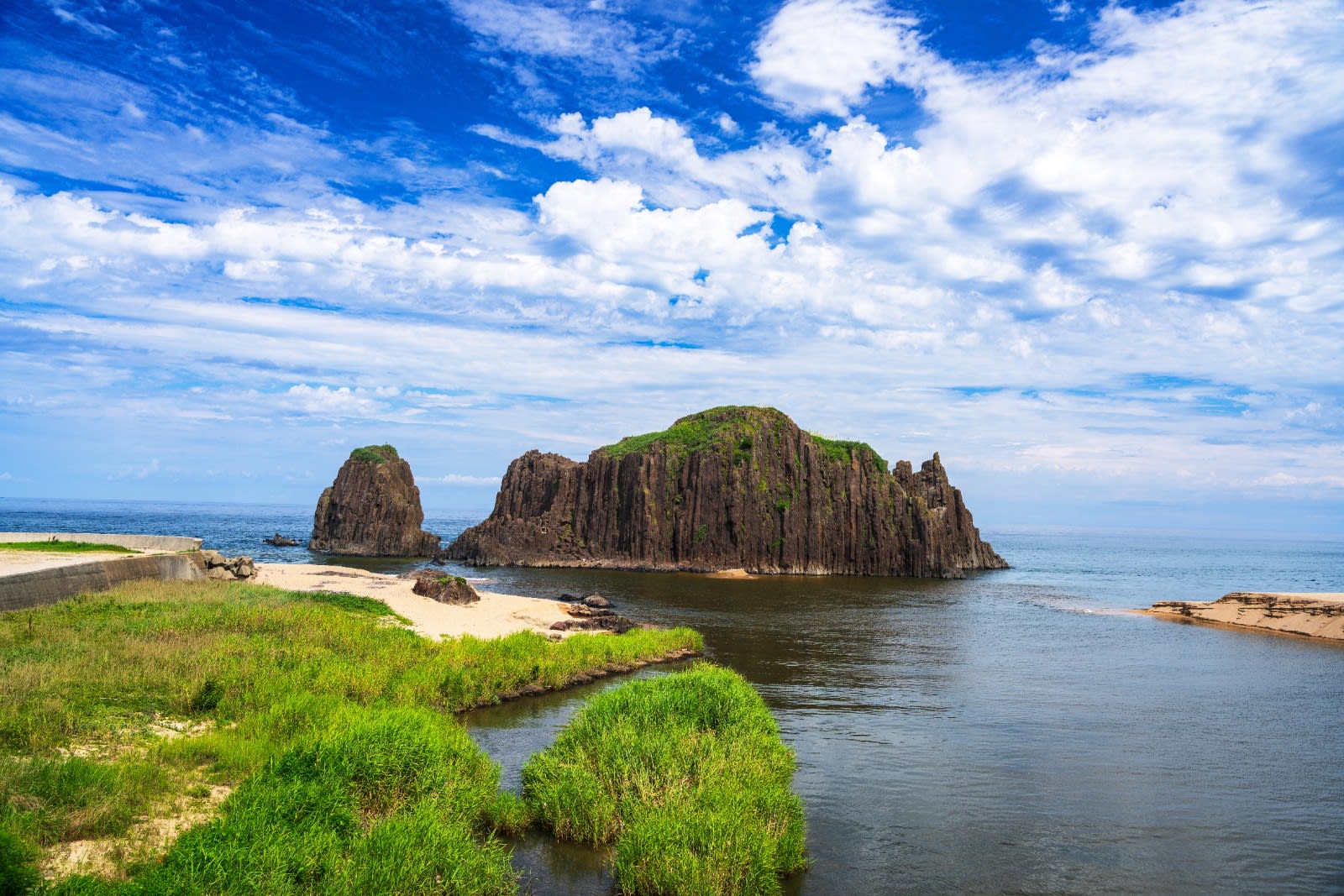
Kyotango, located in the northernmost part of Kyoto Prefecture, is a coastal city known for its serene beaches, lush countryside, and rich folklore. The area is part of the San’in Kaigan Geopark and offers geological wonders, scenic capes, and hot springs. Visitors can explore traditional thatched-roof houses, enjoy seafood like crab and squid, and experience rural Japanese hospitality. Seasonal events and the tranquil rhythm of rural life make it a relaxing escape. The city’s natural beauty and deep-rooted traditions provide an authentic and enriching experience of coastal Japan.
Kurama and Kibune are picturesque mountainous areas north of Kyoto, famous for their natural beauty, hiking trails, and spiritual sites including Kurama Temple and Kibune Shrine.
Heian Jingu is a grand Shinto shrine in Kyoto, built to commemorate the city's 1100th anniversary. It features iconic large torii gates, beautiful gardens, and hosts many traditional festivals.
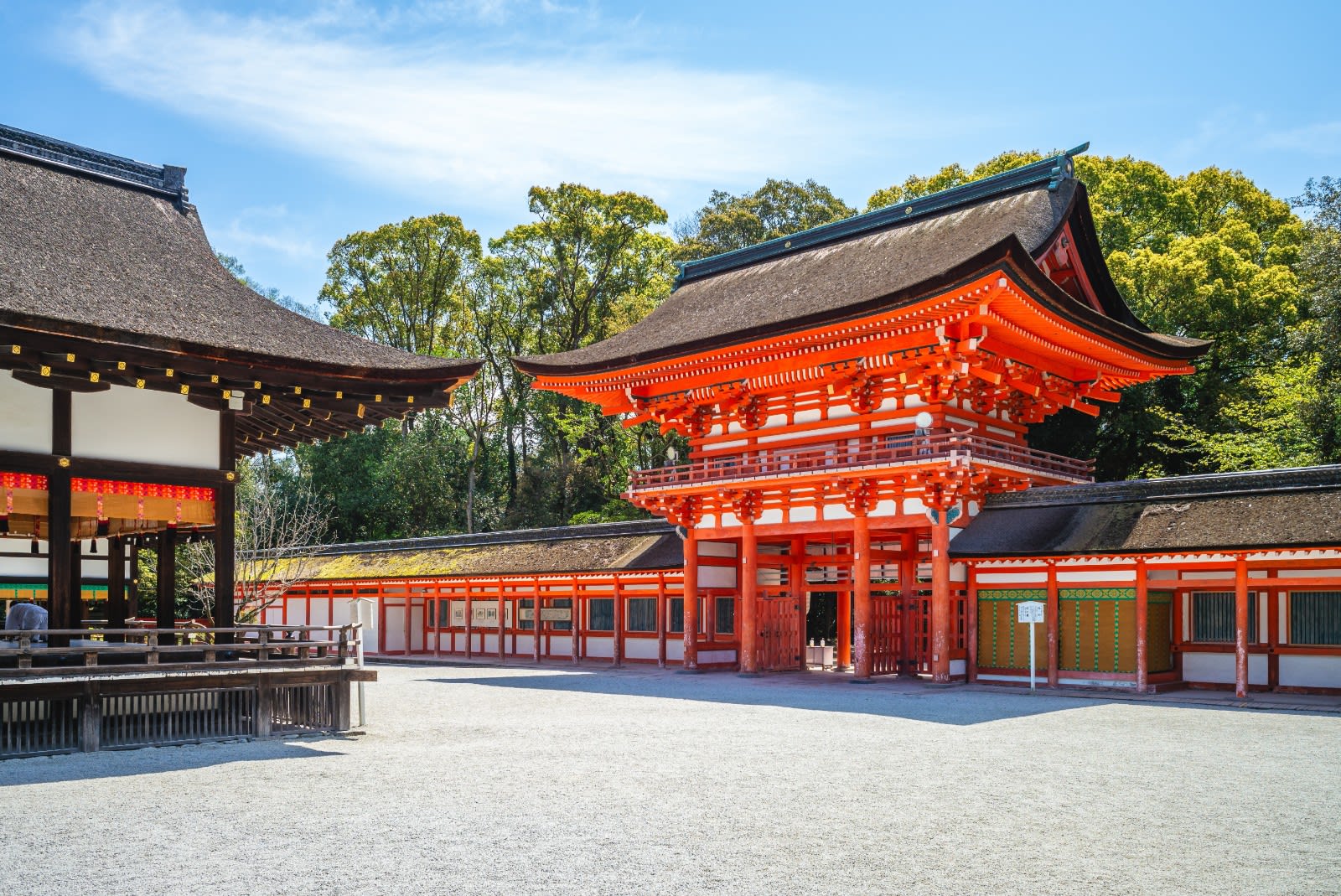
Shimogamo is a historic area in Sakyo known for the famous Shimogamo Shrine and lush forested surroundings along the Kamo River. It is a peaceful spot blending nature and tradition.
Nanzenji is a renowned Zen temple in Sakyo, famous for its beautiful gardens, historic aqueduct, and serene atmosphere that attracts visitors seeking spiritual calm.
Marutamachi is a sophisticated area just north of Kyoto’s downtown core, blending political and cultural significance. Close to the Kyoto Imperial Palace and government buildings, it also offers stylish cafés, small galleries, and a quieter, local lifestyle. Great for travelers who want to stay near central Kyoto without the bustle, while still having access to historical depth and creative energy.
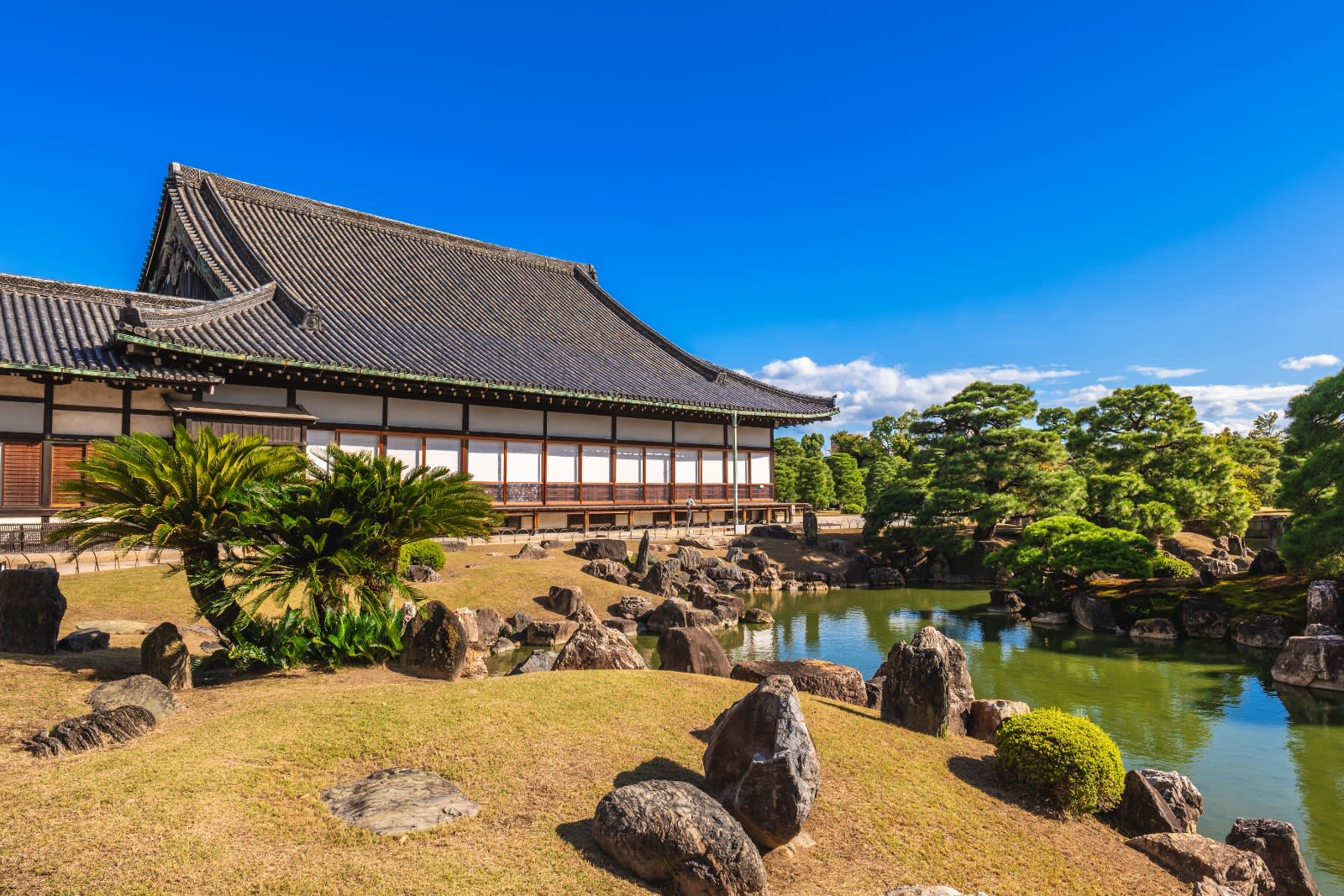
Karasuma Oike is the business and administrative heart of Kyoto, where tradition meets modern design. Surrounded by modern architecture, hotels, and metro access, it’s close to Kyoto International Manga Museum and Nijo Castle. With chic cafés, co-working spaces, and design shops, this area is perfect for business travelers and creatives wanting culture and convenience in equal measure.
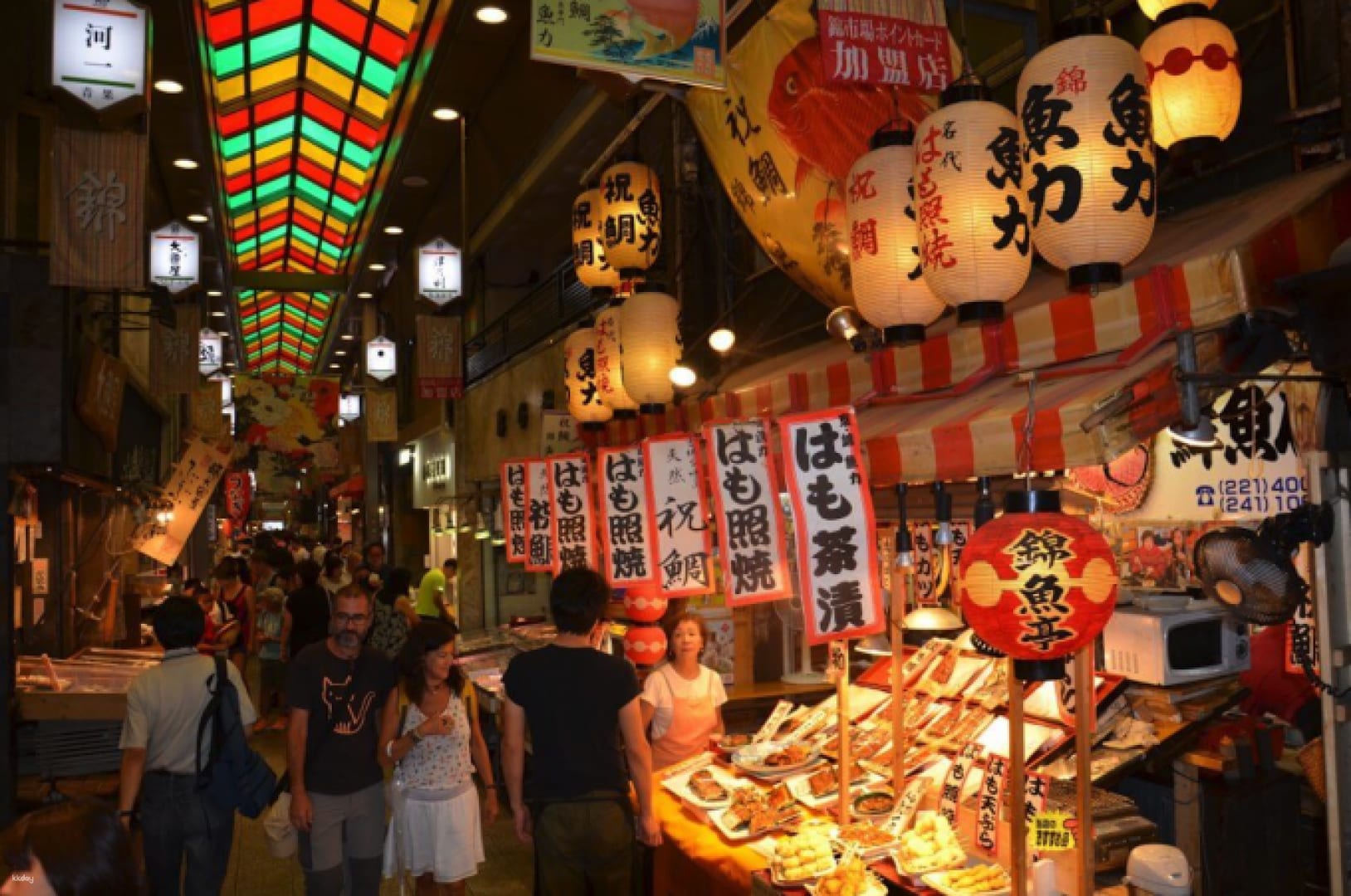
Shijo Kawaramachi is the beating heart of Kyoto’s shopping and nightlife scene. From Nishiki Market to department stores and Pontocho Alley, this area buzzes with energy day and night. It’s the gateway to both Gion’s traditions and Kyoto’s modern flair. With easy access to buses, subways, and riverside walks, it’s an ideal base for first-time visitors and seasoned Kyoto explorers alike.
Shijo Karasuma is Kyoto’s modern business and shopping hub, where tradition and convenience meet. The area is filled with department stores, office buildings, and stylish cafés, all framed by Kyoto’s refined urban aesthetic. It's also a gateway to Nishiki Market and within walking distance to Gion and Kawaramachi. Perfect for travelers who want a mix of old and new Kyoto with great access to everything.
Pontocho is one of Kyoto’s most atmospheric alleys, running along the Kamogawa River and known for its geisha culture, kappo restaurants, and narrow stone-paved lanes. At night, the lantern-lit path creates a magical setting, perfect for fine dining or a romantic walk. Pontocho is where Kyoto’s elegance and mystique truly come alive, especially in the evening hours.
Nijo is an important historic district in Nakagyo, home to Nijo Castle, a UNESCO World Heritage site. The area blends cultural heritage with urban life and offers many shops and restaurants.
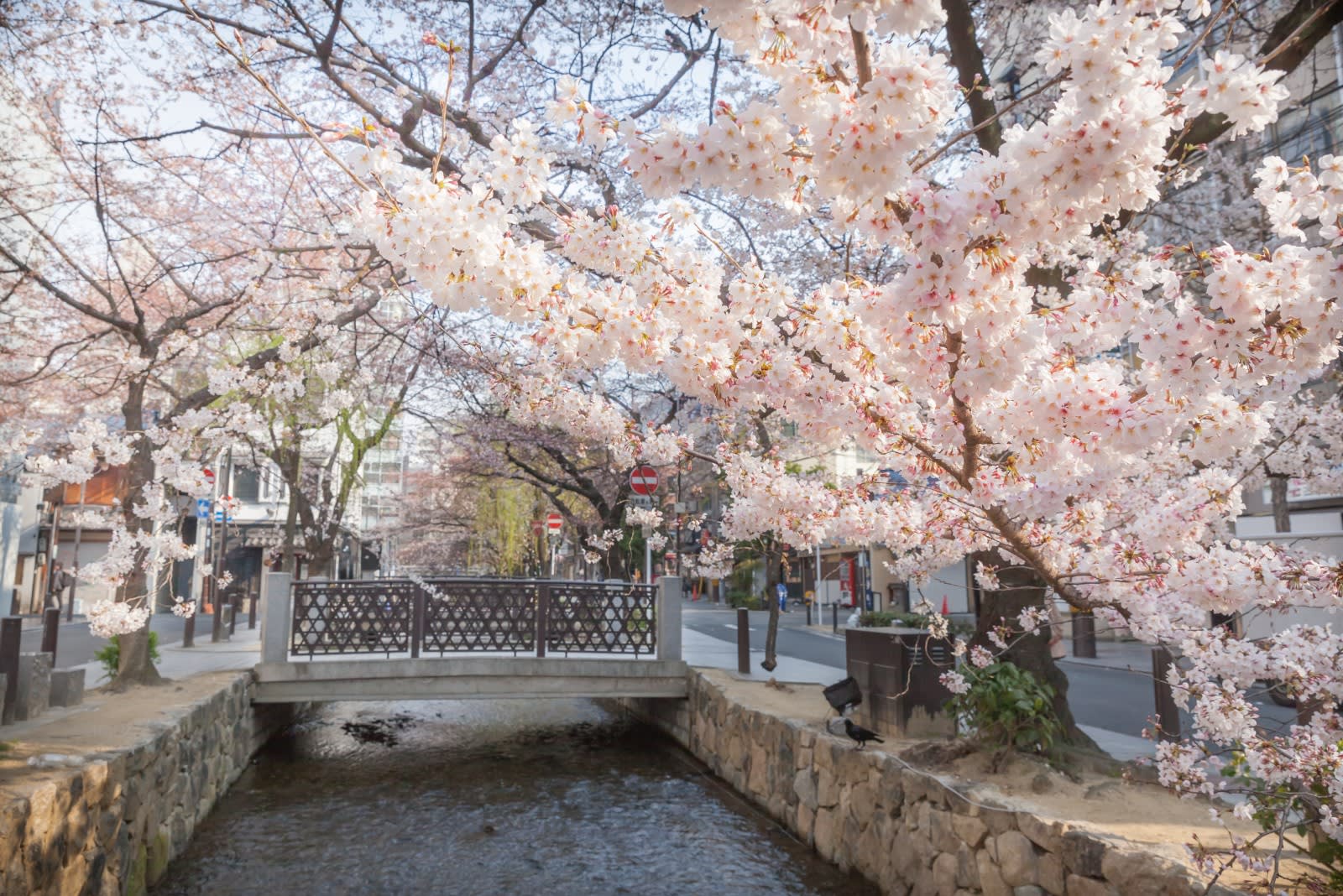
Kiyamachi is a lively nightlife district parallel to the Kamogawa River, known for its mix of izakayas, bars, and cafés set along a canal lined with cherry trees. By day, it’s a pleasant walking route; by night, it turns into one of Kyoto’s most vibrant party spots. Kiyamachi offers a more casual alternative to Pontocho, while still retaining a unique Kyoto charm.
Gion is Kyoto’s most iconic geisha district, where cobblestone streets, machiya townhouses, and traditional teahouses preserve the refined elegance of old Kyoto. In the evening, you may catch a glimpse of a maiko or geiko heading to an engagement. Landmarks like Yasaka Shrine, Hanamikoji Street, and Gion Corner showcase Kyoto’s living traditions. A must-visit for those wanting to experience the soul of classical Japan.
Fushimi is a historic district in southern Kyoto, famed for its Fushimi Inari Taisha with thousands of vermilion torii gates. The area is also known for its sake culture, being home to legendary breweries like Gekkeikan and scenic canals that once supported trade. Visitors can explore the Fushimi Sake District, take boat rides, and enjoy deep-rooted Shinto and brewing traditions.
What to Eat in Kyoto
-
Eel (unagi/anago)
Kyoto
Reservation for Midori Jujo in Kyoto
-
Yakiniku
Kyoto
Reservation for YAKINIKU MAFIA KYOTO Kawaramachi in Kyoto
-
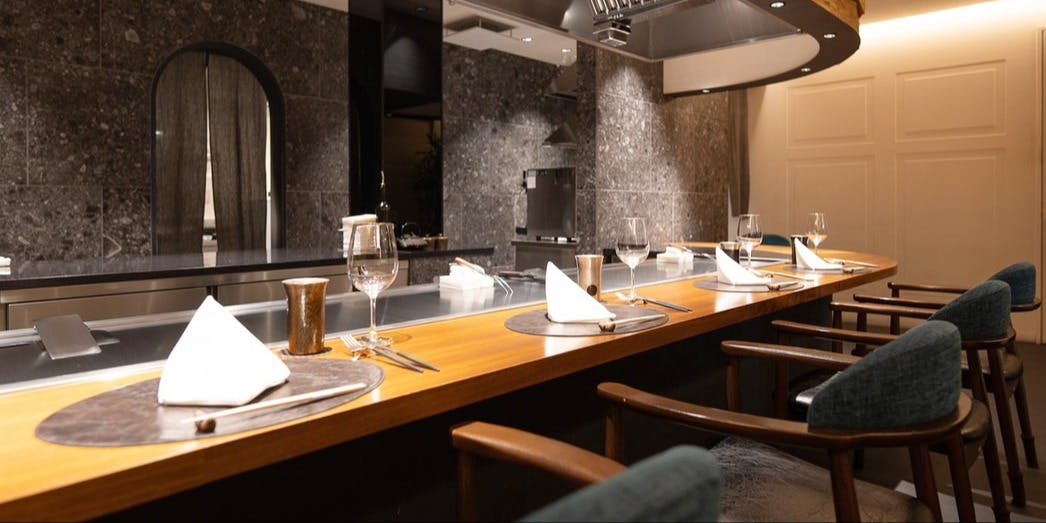
Teppanyaki
Kyoto
Reservation for Teppanyaki grow Kawaramachi in Kyoto
-
Teppanyaki
Kyoto
Reservation for Teppanyaki Teppan Sosaku Lien Shijo in Kyoto
-
Teppanyaki
Kyoto
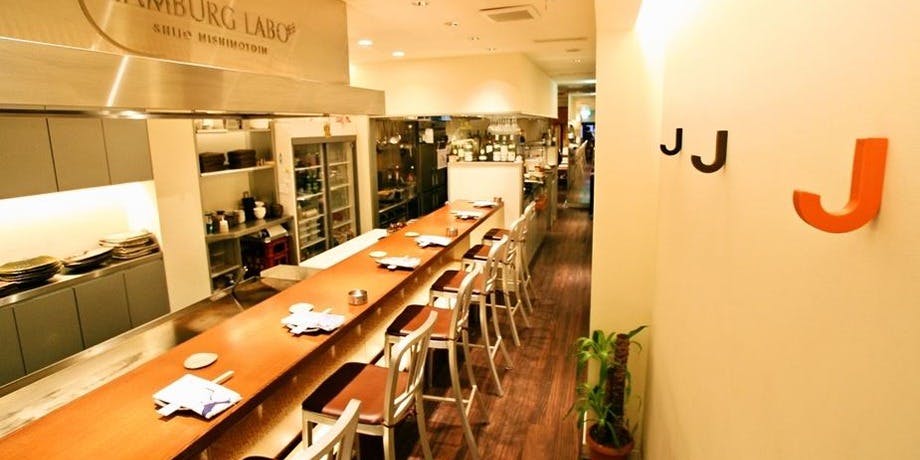
Reservation for Teppanyaki HAMBURG LABO Shijo Nishinotoin in Kyoto
-
Japanese cuisine
Kyoto
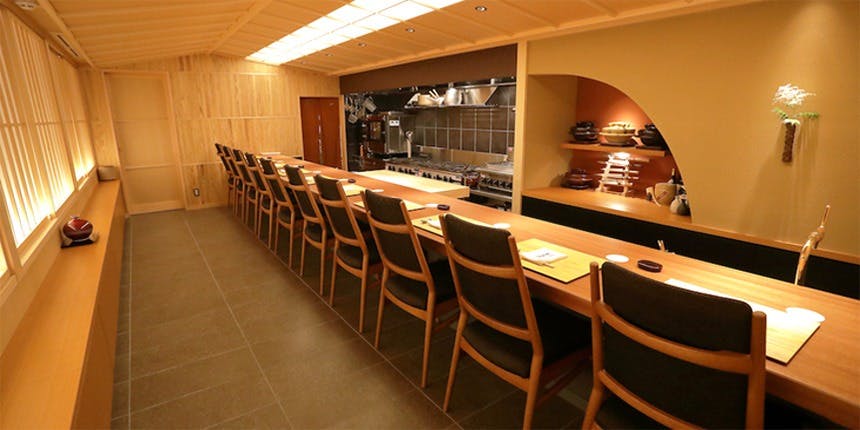
2024 Michelin Kyoto Japanese Restaurant : Ryoriya Maekawa (1 star)
Things to Do in Kyoto
-
Entertainment
Kyoto
10% OFF FUTURE TRAIN KYOTO DINER & CAFE Tickets | Umekoji, Kyoto
-
Sake tasting
Kyoto
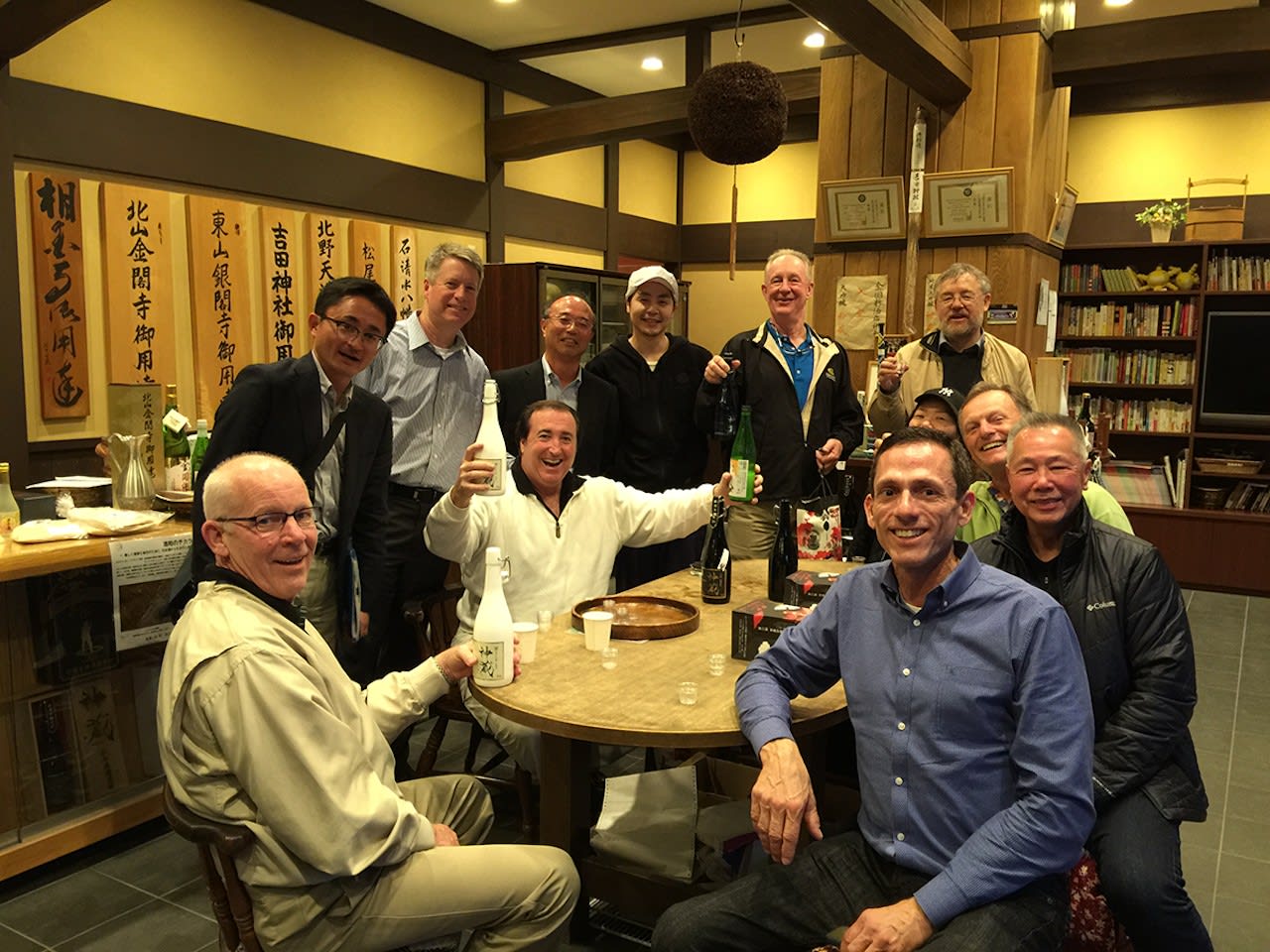
Matsui Sake Brewery Tasting Tour | Kyoto, Kyoto
-
Food tour
Kyoto
Tour Reservation for Nishiki Market Culinary Food Tour in Kyoto (Japan)
-
Museum
Kyoto
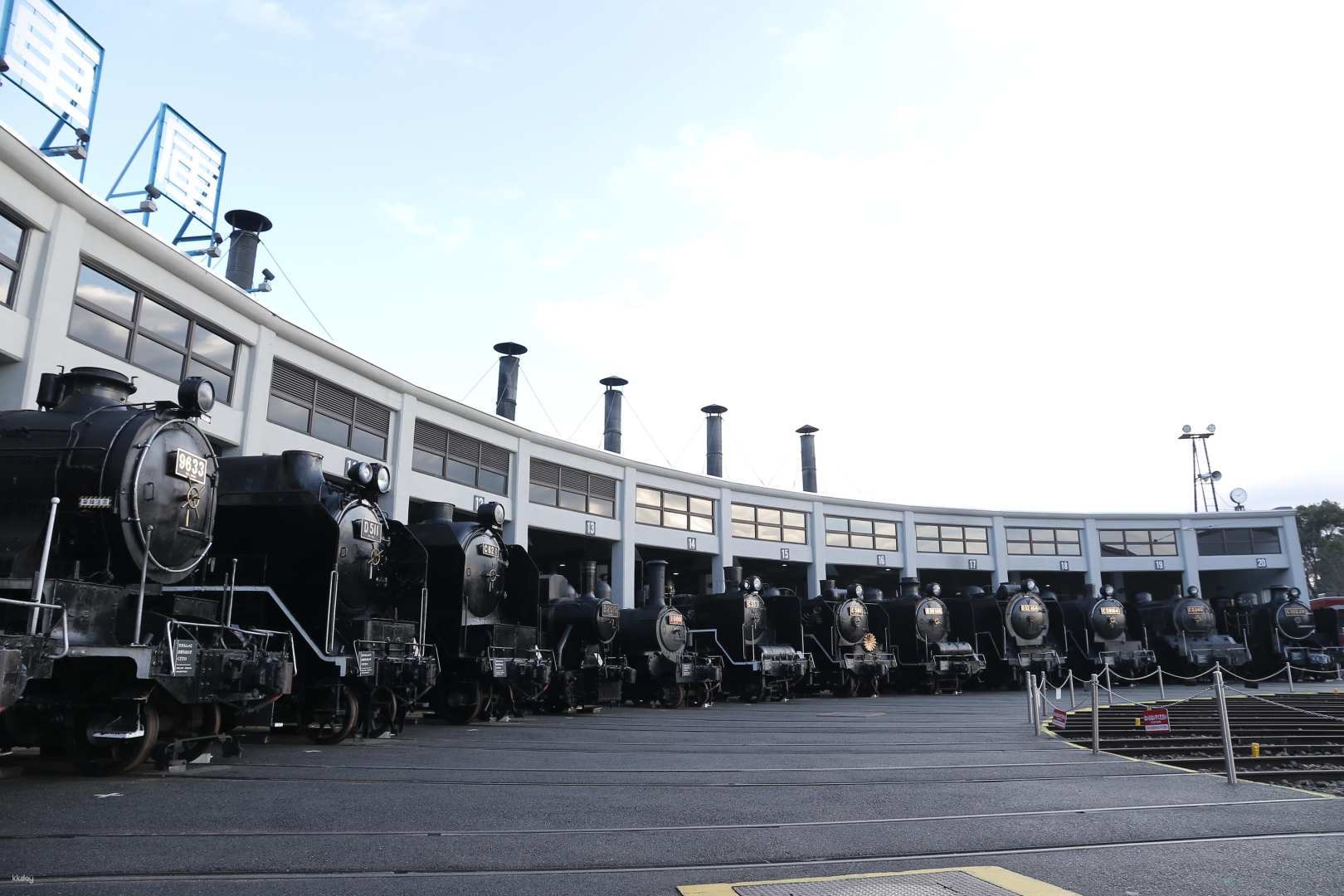
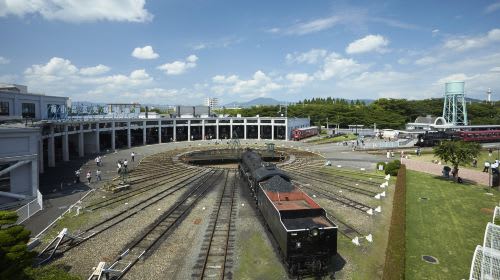
Admission Ticket for Kyoto Railway Museum in Kyoto (Kyoto)
-
Museum
Kyoto
Admission Ticket for Kyoto Railway Museum in Kyoto (Kyoto)
-
Museum
Kyoto
Admission Ticket for Kyoto International Manga Museum in Kyoto (Kyoto)