
OverviewWhat is Kinsai Brewery? A Gateway to Traditional Japanese Sake
Kinsai Brewery is a storied sake brewery located in Shibata, Niigata Prefecture, Japan, with roots tracing back to 1822. This charming establishment offers visitors a unique glimpse into the traditional art of sake brewing, nestled in an ambiance that reflects the essence of Japanese heritage. As you enter its premises, the elegant architecture set against the natural beauty of the surrounding landscape captivates the imagination, promising an enriching experience that harmonizes history, culture, and community.
What to Expect on the Kinsai Brewery Tour: A Journey Through Sake Craftsmanship
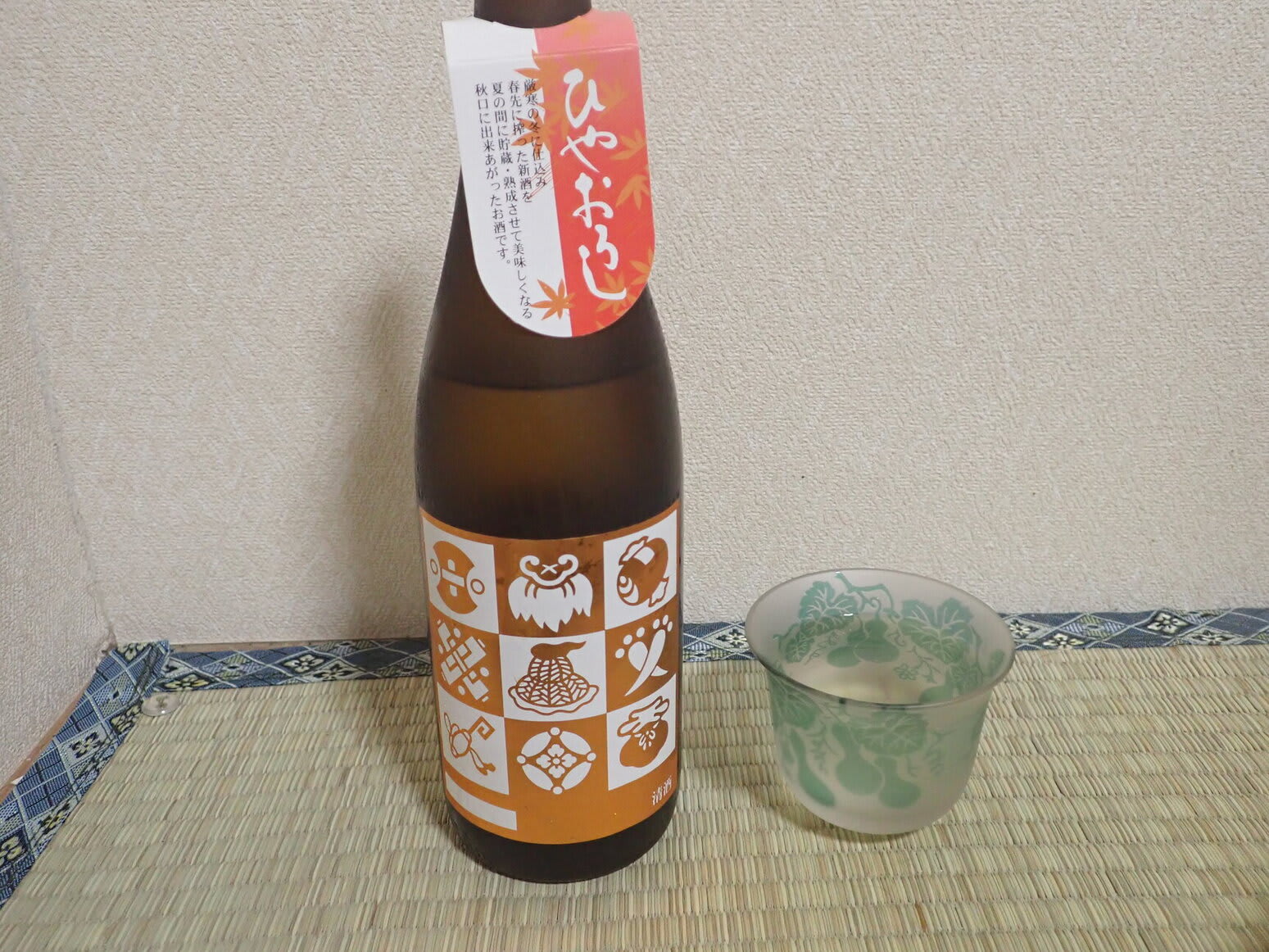
The Kinsai Brewery tour begins with a guided exploration of the brewery facilities, where you’ll delve into the intricate processes involved in sake production. Participants can witness the meticulous craftsmanship and age-old techniques that transform rice into the delicate beverages enjoyed around the world. Throughout the journey, you will learn about various sake styles, including Junmai and Ginjo, as well as the significance of local ingredients sourced from the region.
Additionally, the tour often includes tastings of freshly brewed sake, allowing guests to appreciate the unique flavors and aromas crafted by skilled brewmasters. From aromatic notes to expertly balanced textures, each sip tells a story of dedication and tradition. Visitors might also have the opportunity to pair their tastings with local delicacies, creating harmonious flavor experiences.
Tour Details: What’s Included in Your Brewery Experience
Participation in the Kinsai Brewery tour typically includes a knowledgeable guide who will lead you through the brewing process, along with sake tasting sessions. Guests can expect to sample a variety of sakes, offering a rich tapestry of flavors that showcase the brewery’s specialties. While the tour fee encompasses the guide service and tastings, it’s important to note that additional beverages beyond the scheduled tastings are often not included. Transportation costs to and from the brewery may also be the responsibility of the participant. Please be aware that guided tours may not operate during inclement weather, and reservations are advisable for the brewery tours.
Important Points Before Visiting Kinsai Brewery: Preparation Tips
To make the most of your visit to Kinsai Brewery, consider bringing a camera to capture the serene beauty of the aesthetics and the brewing process. Comfortable clothing and shoes are recommended, as you may be walking through the brewery and surrounding garden areas. First-time visitors will find that the guided tour provides a safe and informative environment, allowing for an enjoyable exploration of Japan’s renowned sake culture. Always remember to drink responsibly, and take the time to savor the rich history embodied in each bottle of sake.
Reviews
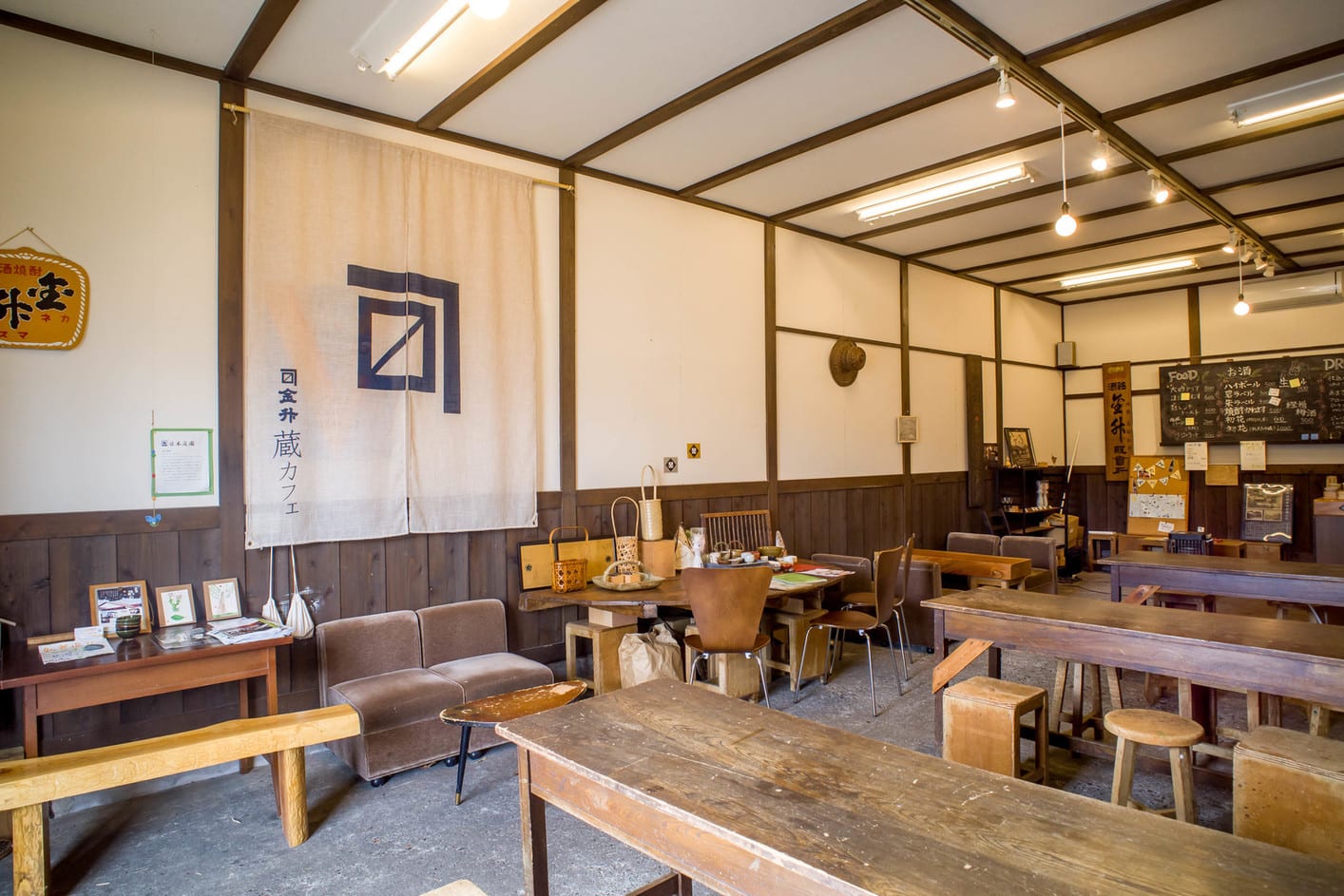
“Visiting this brewery cafe in a nostalgic setting was a delightful experience, with unique menu items to try.”
“My trip to the brewery was rewarding, with lovely sake and the beautiful Japanese garden adding charm to my visit.”
“I truly enjoyed the refined flavors of the sake I purchased and the peaceful ambiance of the surrounding gardens.”
“The delicate sake I sampled beautifully complemented lighter dishes, showcasing the artistry behind its creation.”
“Exploring this historic brewery and its café was enjoyable, and trying their unique offerings was a treat for the senses.”
Opening Hours
Monday: 8:30 AM – 5:00 PM
Tuesday: 8:30 AM – 5:00 PM
Wednesday: 8:30 AM – 5:00 PM
Thursday: 8:30 AM – 5:00 PM
Friday: 8:30 AM – 5:00 PM
Saturday: Closed
Sunday: Closed
Tuesday: 8:30 AM – 5:00 PM
Wednesday: 8:30 AM – 5:00 PM
Thursday: 8:30 AM – 5:00 PM
Friday: 8:30 AM – 5:00 PM
Saturday: Closed
Sunday: Closed
How to Get There
Train / Subway
983m (0.61mi) from Shibata Station - about a 15-minute walk
3.2km (2.00mi) from Nishi-Shibata Station
4.6km (2.83mi) from Nakaura Station
3.2km (2.00mi) from Nishi-Shibata Station
4.6km (2.83mi) from Nakaura Station
Bus stop
1.0km (0.63mi) from Shibata Station East Exit
Map
1-chōme-9-30 Yutakachō, Shibata, Niigata 957-0016, Japan
<div class="maps_inPage"><iframe src="https://www.google.com/maps/embed/v1/place?q=%E9%87%91%E5%8D%87%E9%85%92%E9%80%A0%28%E6%A0%AA%29%201-ch%C5%8Dme-9-30%20Yutakach%C5%8D%2C%20Shibata%2C%20Niigata%20957-0016%2C%20Japan¢er=37.9384687,139.33200259999998&language=en&key=AIzaSyDSXnuFxE3B1oprM7fhXpI0Zj7dMr4BYtY" allowfullscreen></iframe></div>
Things to Do in the Area
Niigata - A Coastal Gem of Nature and Culture
Niigata, located on the western coast of Honshu, is renowned for its stunning landscapes, delicious cuisine, and rich cultural heritage. This vibrant city offers visitors a unique blend of natural beauty and historical significance.
- Bandai Bridge: A symbol of Niigata, this picturesque bridge provides stunning views of the Shinano River and the surrounding cityscape, making it a perfect spot for photography enthusiasts.
- Niigata City Art Museum: Showcasing a vast collection of both contemporary and traditional Japanese art, this museum also hosts rotating exhibitions that highlight local talent and international works.
- Iwamuro Onsens: Famous for its healing hot springs, these onsens offer visitors a relaxing retreat with scenic views, making it a popular destination for those looking to unwind in nature.
Shibata - A Treasure Trove of History and Scenic Wonders
Shibata, a charming city situated in Niigata Prefecture, is known for its historical landmarks and breathtaking natural surroundings. Here, traditional Japanese culture coexists harmoniously with stunning vistas.
- Shibata Castle: This historic site, surrounded by beautiful moats and cherry trees, provides visitors with a glimpse into feudal Japan while offering panoramic views of the city from its tower.
- Higashikuninuma Lake: A serene spot perfect for nature lovers, this lake features tranquil waters and scenic walking trails, ideal for spring cherry blossom viewing and autumn foliage.
- Ishida’s House: A well-preserved Edo-period merchant house, this attraction allows visitors to step back in time and explore the architecture and lifestyle of wealthy samurai families during the Edo era.