
Overview
What is the National Archaeological Museum of Florence? Access, Highlights, and Must-Try Experiences Explained
The National Archaeological Museum of Florence offers a captivating journey through ancient civilizations, presenting a significant collection that extends beyond the city's celebrated Renaissance heritage. Housed in the historic Palazzo della Crocetta, this museum is recognized as one of Italy's oldest institutions dedicated to archaeology, providing a rich context for understanding the ancient roots of the region. Its collections encompass artifacts from the Etruscan, Roman, and Greek eras, alongside an extensive Egyptian Museum, which is the second largest of its kind in Italy. Visitors can explore diverse exhibits featuring ancient sculptures, intricate pottery, and historical relics that collectively narrate the stories of these foundational cultures. The museum's focus on Etruscan art and civilization is particularly notable, offering one of the most important collections for the study of this ancient people.
Highlights and Recommended Exhibits
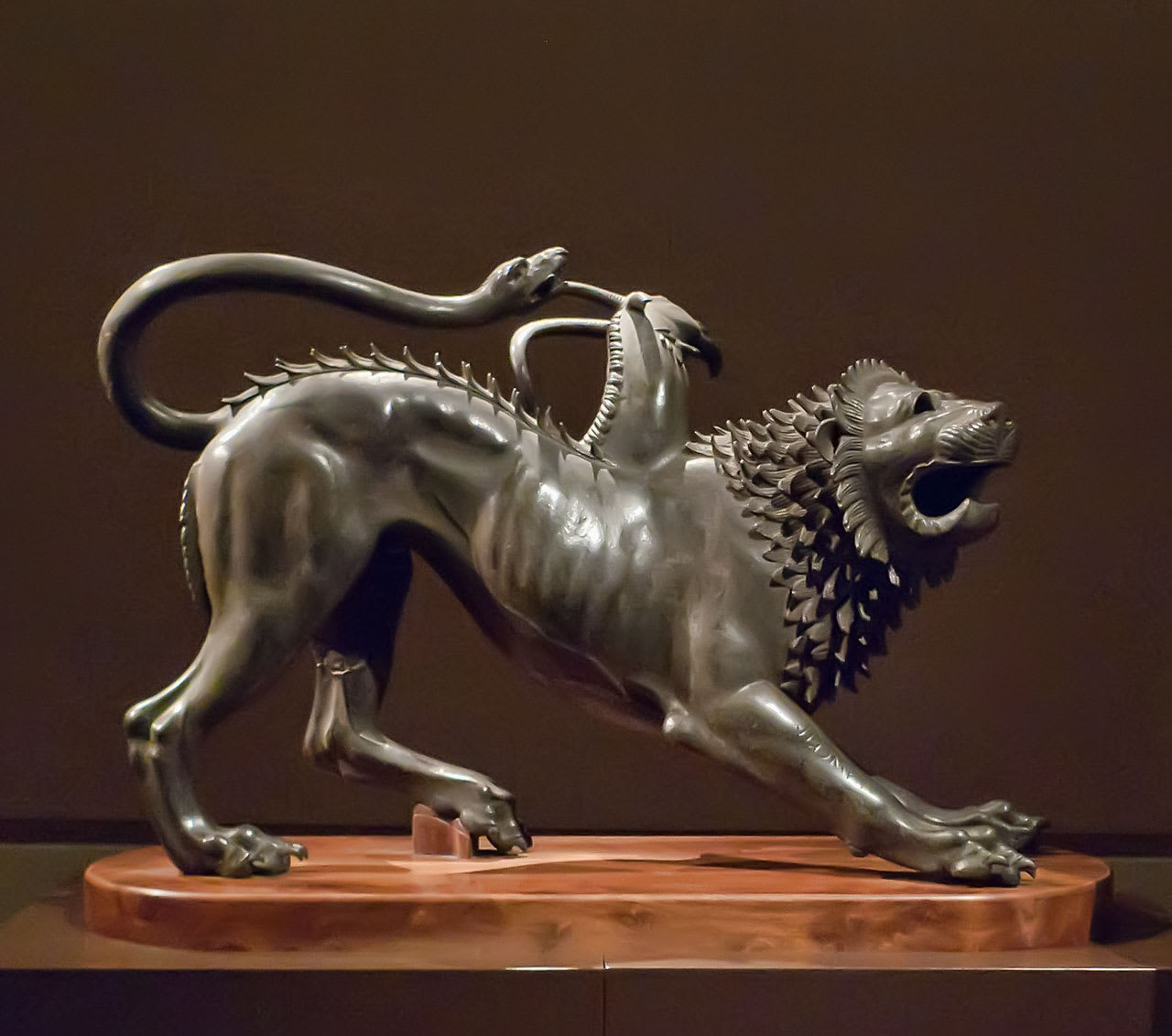
Exploring the National Archaeological Museum of Florence unveils a wealth of ancient treasures, each piece a window into a bygone era. A significant portion of the museum is dedicated to Etruscan artifacts, providing a comprehensive look at their sophisticated art and daily life. Here, visitors can admire a range of sarcophagi, intricate statues, and various sculptural works, including the iconic Chimera of Arezzo and the Arringatore statue. Many Etruscan funerary monuments are displayed within the museum's garden, creating a unique outdoor exhibition space that allows for reflection on ancient burial practices.
The Egyptian Museum within the complex presents a vast array of over 14,000 pieces, inviting contemplation of one of the world's oldest civilizations. This collection includes delicate vases, symbolic amulets, and bronze artifacts, alongside remnants of ancient Egyptian life such as clothing, textiles, and wooden furniture. A notable highlight in this section is a chariot from the 14th century BC, offering a tangible connection to ancient military and transport. Beyond these, visitors can encounter fascinating Greek free-standing sculptures known as kouroi, and an assortment of Roman and other classical artifacts, each contributing to the museum's layered narrative of human history. The meticulous preservation of these collections allows for close examination, revealing the artistry and craftsmanship of ancient cultures.
Recommended Experience Programs
For those seeking a deeper engagement with the collections, the museum provides specific opportunities to enhance the visit. Educational activities and guided tours are available, often tailored for groups or special events, which offer deeper insights into the artifacts and their historical context. Visitors interested in such specialized experiences should inquire about current offerings.
Points to Know Before Visiting
To fully appreciate the vast collections within the National Archaeological Museum of Florence, a visit duration of at least two to three hours is recommended. This allows sufficient time to explore the diverse exhibits from Etruscan, Roman, Greek, and Egyptian civilizations without feeling rushed. The museum accommodates visitors with accessibility needs: the ground floor, which houses parts of the Etruscan section, and the first floor, featuring exhibits like the Chimera, Arringatore, Etruscan funerary sculpture, and the Egyptian Museum, are wheelchair accessible. Throughout the museum, various seating areas are available, providing comfortable spots for visitors to rest and absorb the ancient surroundings.
Reviews
"Our visit was wonderful, filled with fascinating local and Etruscan artifacts. It's truly a rewarding experience." "This unique museum boasts an impressive, well-preserved art collection. It's educational, informative, and beautifully presented for a truly worthwhile visit." "The museum is committed to enhancing visitor arrival for a seamless experience. Its captivating collections inside ensure a truly enriching and memorable visit." "A marvelous museum, featuring superb Etruscan and extensive Egyptian collections. The well-preserved artifacts offer a truly enriching visit." "This spacious museum boasts diverse, captivating exhibitions and a calm atmosphere. Exhibit details are continually being enhanced for deeper understanding, ensuring a wonderful, enriching extended visit."
Opening Hours
Monday: 8:30 AM – 2:00 PM Tuesday: 8:30 AM – 7:00 PM Wednesday: 8:30 AM – 2:00 PM Thursday: 8:30 AM – 7:00 PM Friday: 8:30 AM – 2:00 PM Saturday: 8:30 AM – 2:00 PM Sunday: Closed
How to Get There
Bus stop
2.4km (1.50mi) from Colonna Archaeological Museum 2.5km (1.55mi) from Colonna Pergola 2.6km (1.59mi) from Cavour Guelfa
Train / Subway
3.9km (2.41mi) from Italian Railway Network 4.5km (2.78mi) from Florence San Marco Vecchio 3.7km (2.28mi) from Florence Porta Al Prato
Map
<div class="maps_inPage"><iframe src="https://www.google.com/maps/embed/v1/place?q=National%20Archaeological%20Museum%20of%20Florence%20P.za%20della%20SS.%20Annunziata%2C%209b%2C%2050121%20Firenze%20FI%2C%20Italy¢er=43.7766215,11.261474600000001&language=en&key=AIzaSyDSXnuFxE3B1oprM7fhXpI0Zj7dMr4BYtY" allowfullscreen></iframe></div>
Things to Do in the Area
Tuscany's Timeless Allure: A Journey Through Rolling Hills, Art, and Epicurean Delights
Prepare to be captivated by Tuscany, a region where breathtaking landscapes, world-renowned art, and exquisite culinary traditions converge to create an unforgettable Italian experience. From ancient Etruscan roots to the heights of the Renaissance, every corner tells a story.
- Siena
- Step back in time in Siena, a magnificent medieval city celebrated for its stunning Piazza del Campo, a shell-shaped public space that hosts the thrilling Palio horse race twice a year. Wander through its narrow, winding streets, discover artisan shops, and immerse yourself in a living testament to Gothic architecture and a rich cultural past.
- Chianti Region
- Indulge your senses in the rolling hills of the Chianti Region, the heartland of Italy's most famous wine. Explore charming hillside villages like Greve in Chianti and Panzano, visit historic wineries for tastings, and savor authentic Tuscan cuisine amid picturesque vineyards and olive groves. It is an ideal destination for leisurely drives and gastronomic adventures.
- Val d'Orcia
- Discover the quintessential Tuscan landscape of Val d'Orcia, a UNESCO World Heritage site characterized by its gentle, cultivated hills, cypress trees, and historic towns. Explore the cheese-making hub of Pienza, the wine town of Montepulciano, or the thermal baths of Bagno Vignoni, finding serene beauty and delicious local products at every turn.
Florence: Where Renaissance Splendor Meets Timeless Charm
Florence, the cradle of the Renaissance, invites you to wander through its historic streets, marvel at artistic masterpieces, and soak in an atmosphere brimming with centuries of creativity and innovation. This compact city offers an immersive cultural journey.
- Florence Cathedral (Duomo)
- Be awestruck by the majestic Florence Cathedral, with its iconic dome engineered by Brunelleschi dominating the city skyline. Climb to the top for panoramic views of Florence and the surrounding Tuscan countryside, or explore its intricate facade and stunning interior, a true symbol of Renaissance ingenuity and artistic prowess.
- Uffizi Gallery
- Immerse yourself in the world of Renaissance art at the Uffizi Gallery, home to an unparalleled collection of masterpieces by Botticelli, Leonardo da Vinci, Michelangelo, and many others. This celebrated museum offers an intimate encounter with the works that defined an era, inviting contemplation and admiration for human creativity.
- Ponte Vecchio
- Stroll across the iconic Ponte Vecchio, Florence's oldest bridge, famed for its charming shops built directly along its length. Originally butchers and tanners, these shops now host jewelers and souvenir merchants. It offers picturesque views of the Arno River, especially enchanting at sunset, and is a unique architectural marvel that has survived centuries.