Best Things to Do in Tokyo: Top Attractions & Dining Guide

Overview

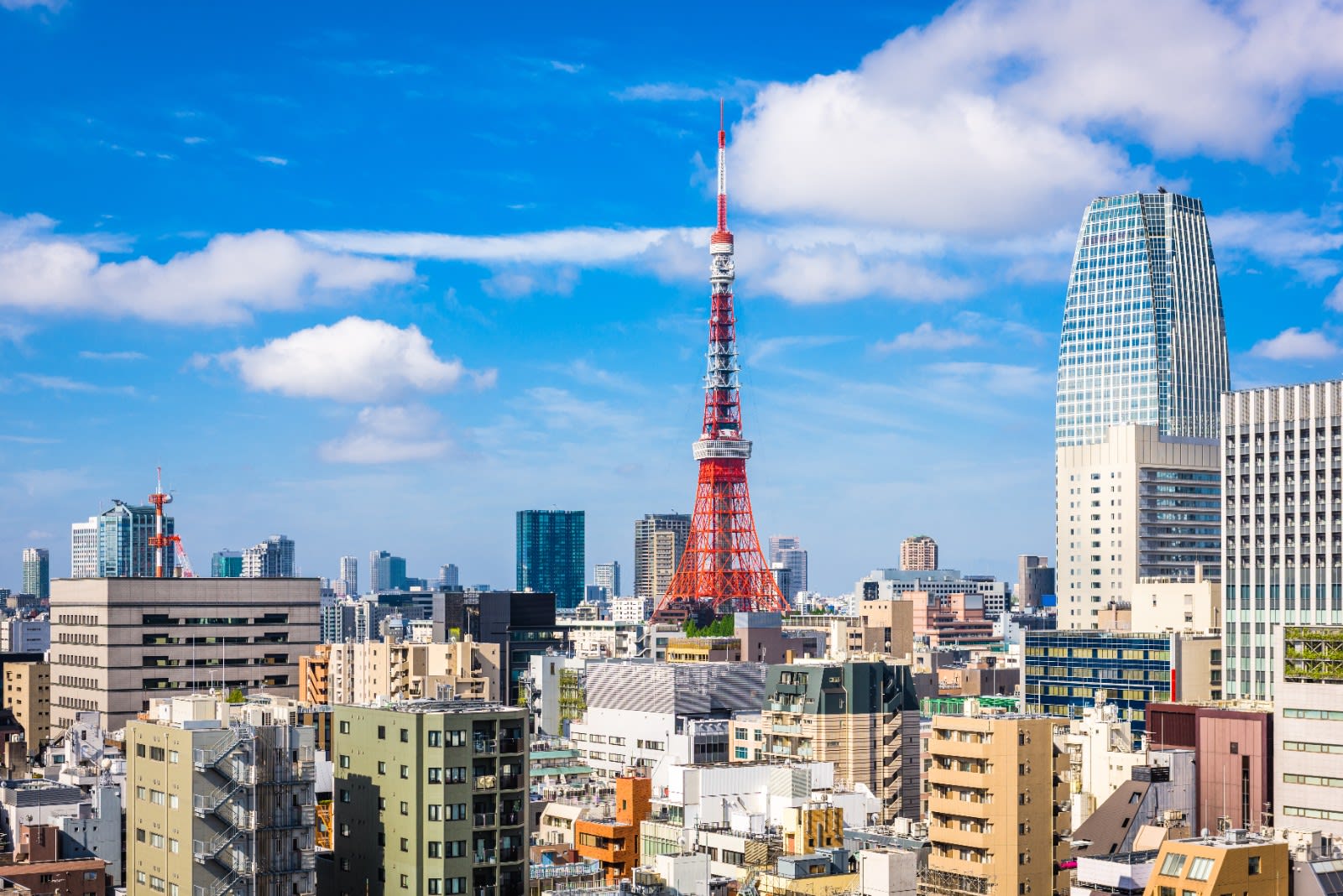
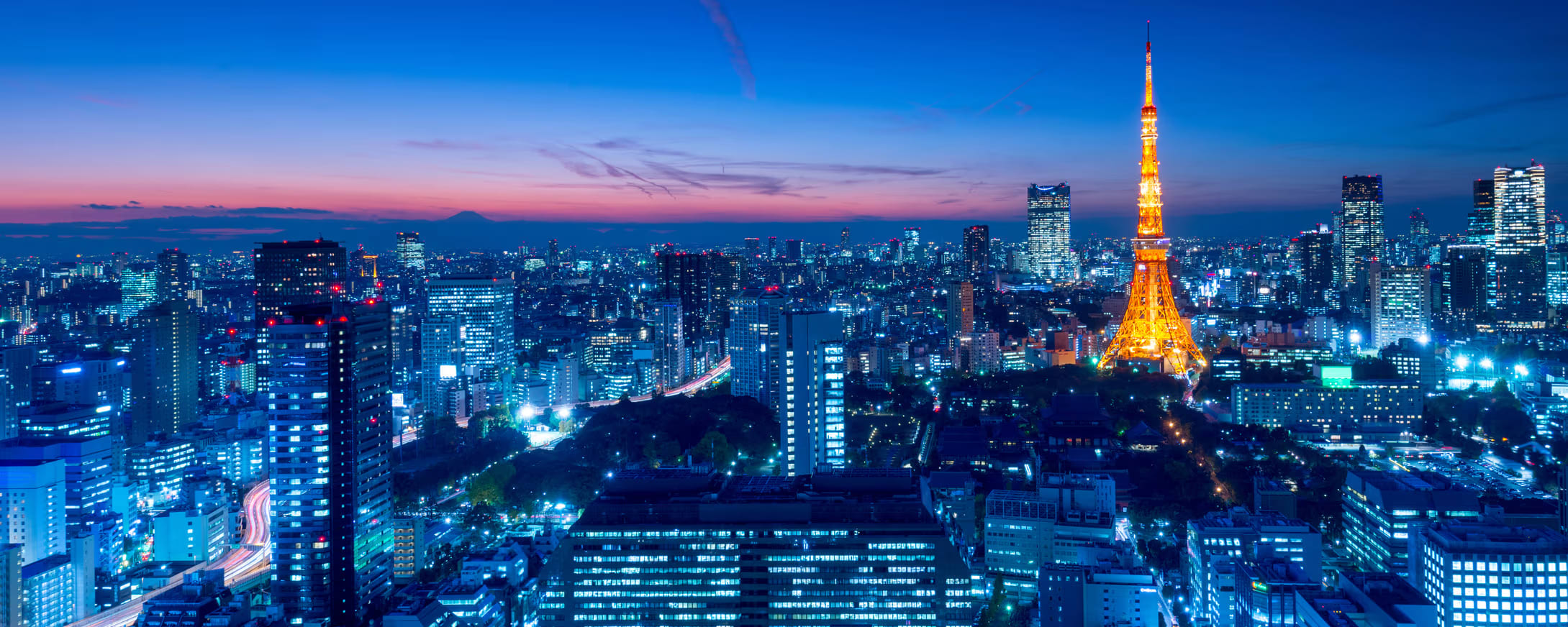
Tokyo, Japan’s capital, is a dynamic blend of tradition and modernity. Visitors can explore historical sites like the Meiji Shrine, the ancient Senso-ji Temple in Asakusa, and the Imperial Palace. Modern landmarks include the Tokyo Skytree, the bustling Shibuya Crossing, and the shopping districts of Ginza and Harajuku. Tokyo also offers tranquil green spaces like Ueno Park and Shinjuku Gyoen. The vibrant nightlife in Roppongi and Shinjuku, as well as the culinary delights of Tsukiji Outer Market, make Tokyo a city that never sleeps. Seasonal festivals like cherry blossom viewing in spring and the Sumida River Fireworks in summer add to its appeal

Areas

Shinjuku

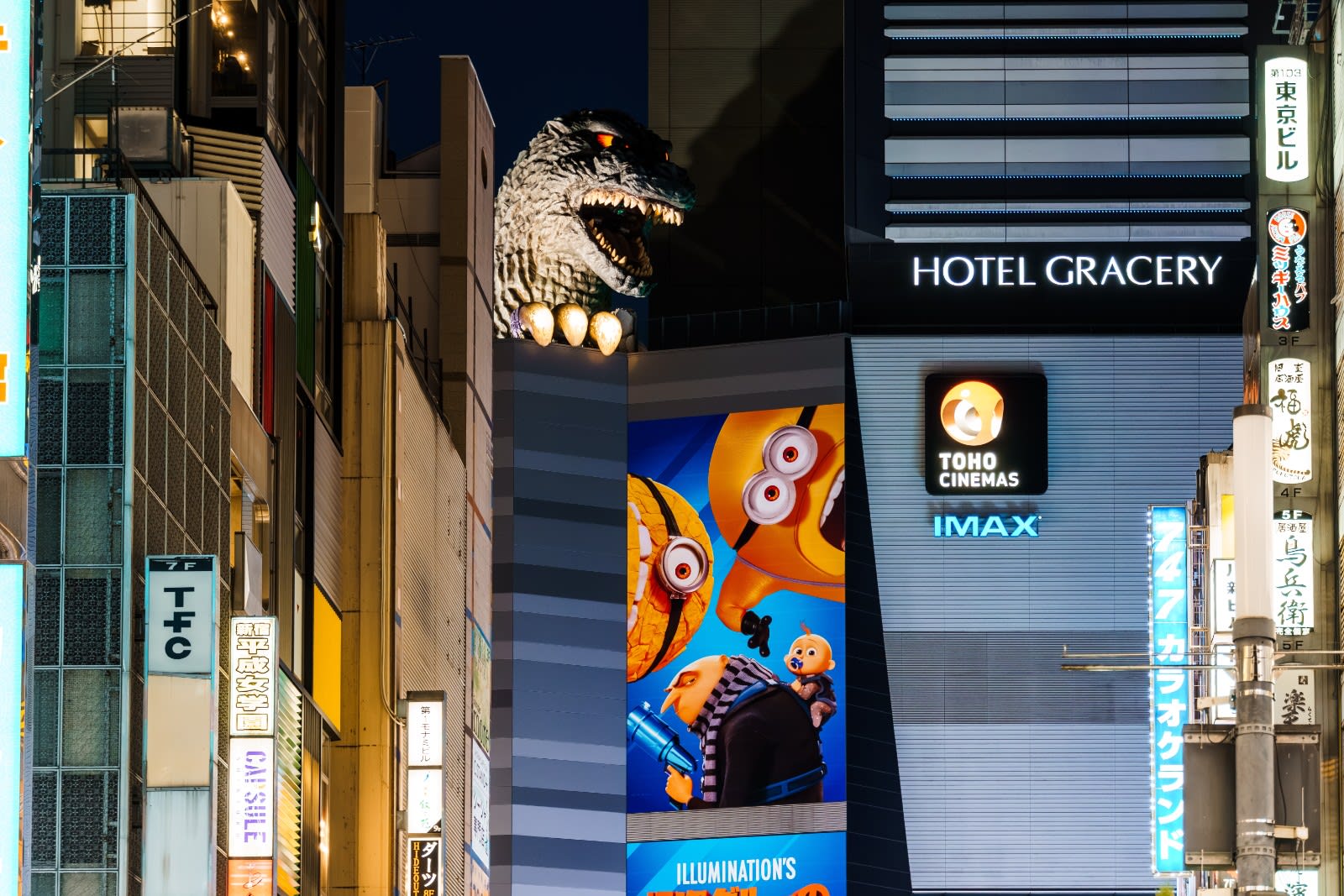
Shinjuku is one of Tokyo's most bustling districts, renowned for its entertainment, shopping, and dining scenes. It is home to some of the tallest buildings in Japan, including the Tokyo Metropolitan Government Building. Shinjuku offers a variety of experiences, from the neon-lit streets of Kabukicho to the peaceful atmosphere of Shinjuku Gyoen National Garden. This district also serves as a major transportation hub with Shinjuku Station, the busiest railway station in the world, connecting visitors to other parts of Tokyo and beyond.
Taito

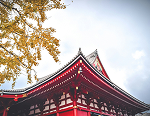
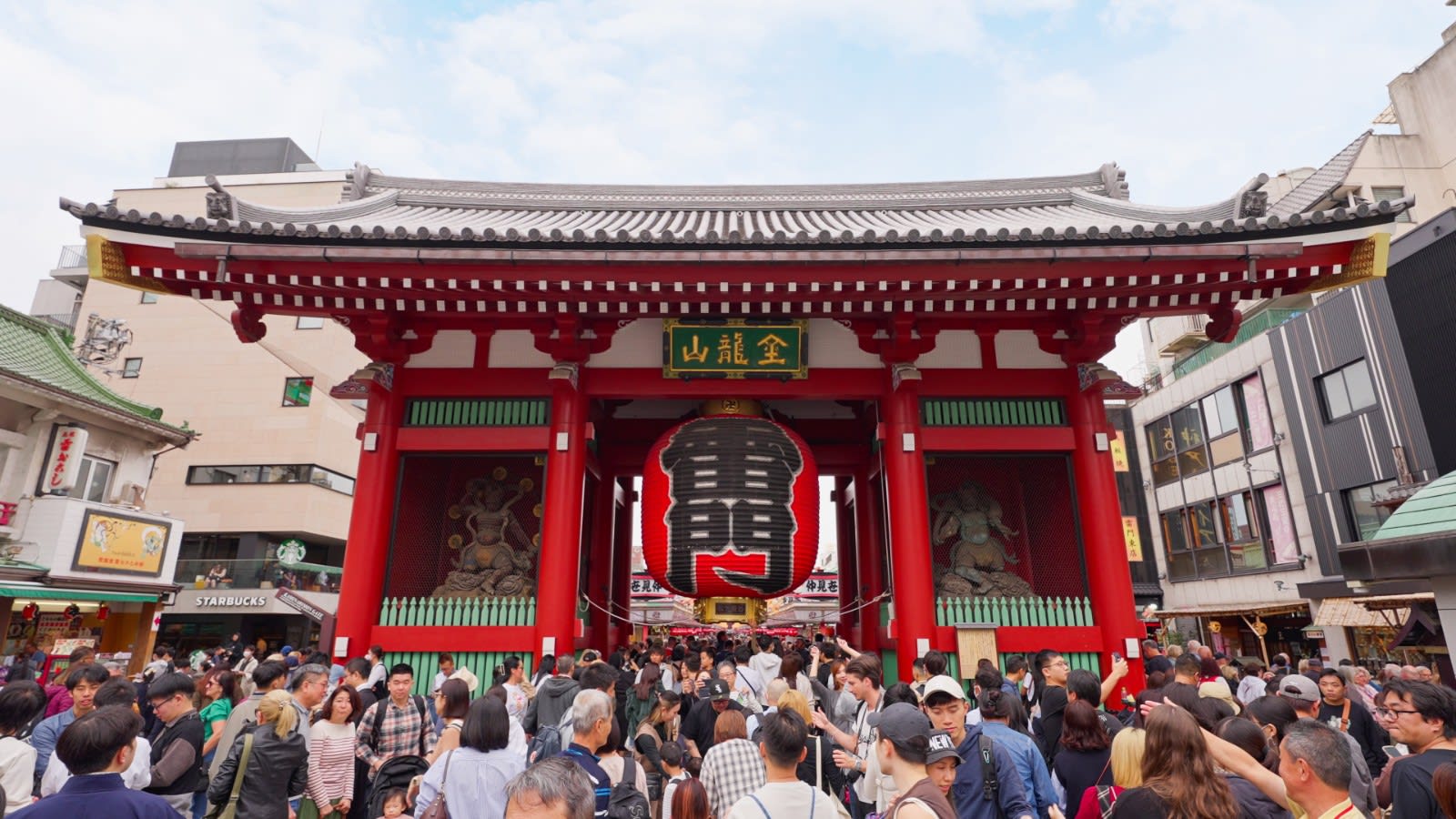
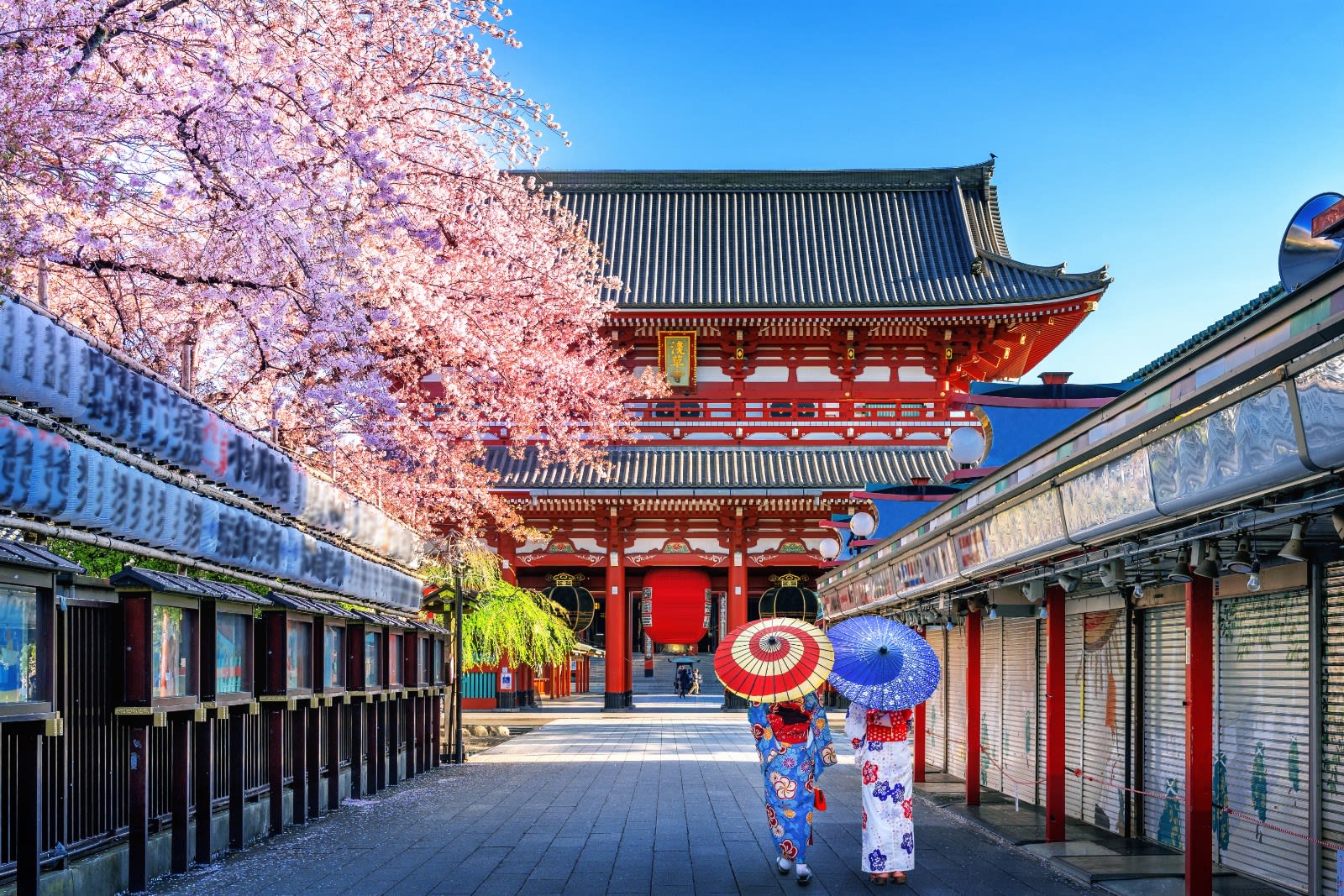
Taito is a vibrant district in Tokyo, known for its traditional and modern attractions. It is home to the famous Asakusa area, which includes the iconic Senso-ji Temple, one of the oldest and most visited temples in Japan. Taito offers a mix of traditional culture, shopping streets like Nakamise, and modern entertainment districts such as Ueno. Ueno Park, with its museums, zoo, and seasonal cherry blossoms, attracts both locals and tourists year-round.

Sumida

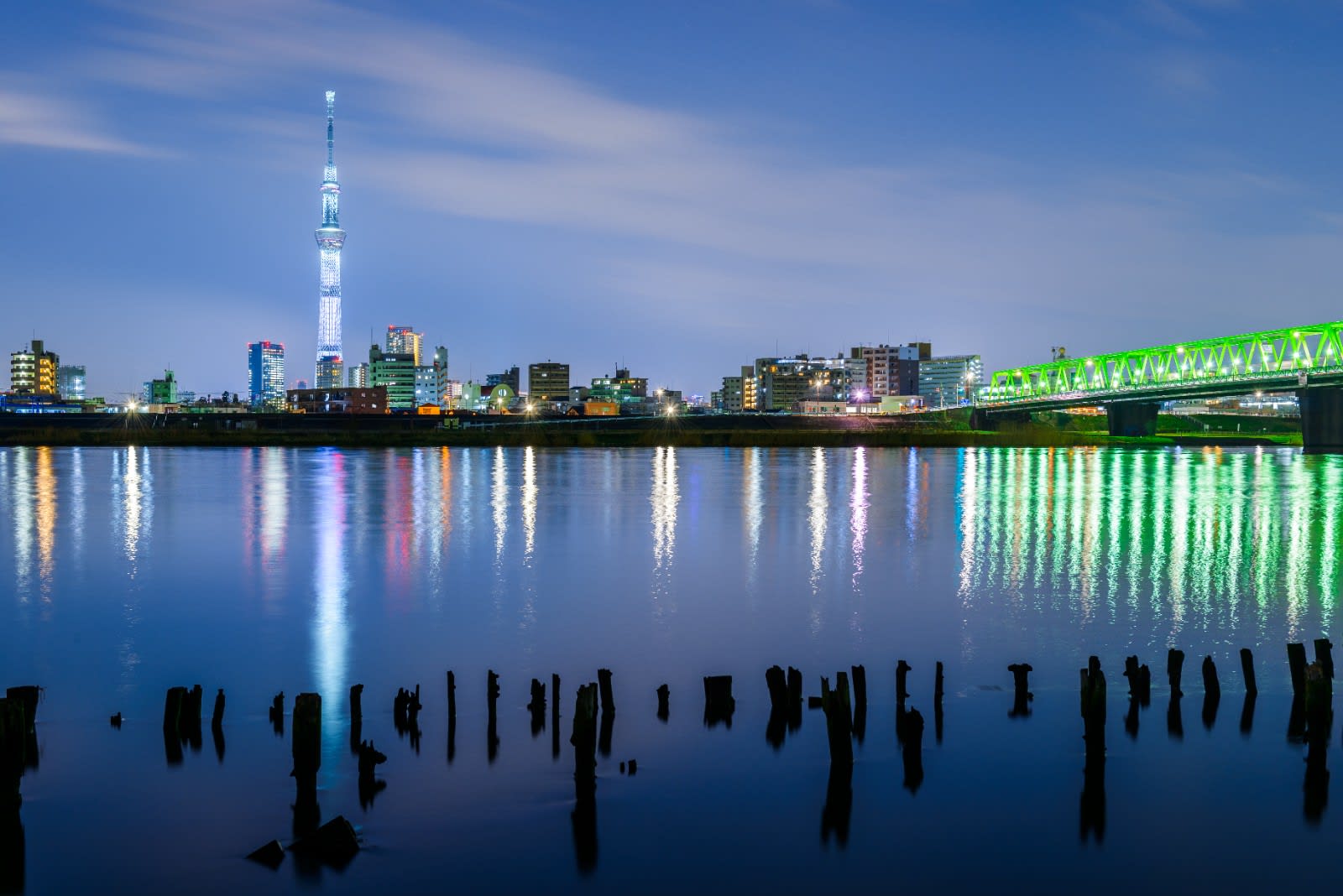
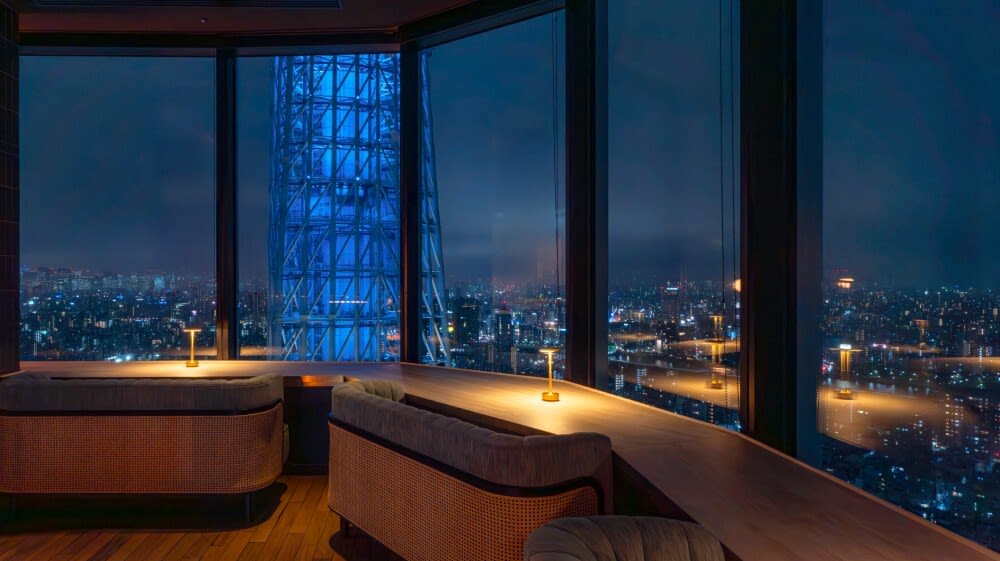
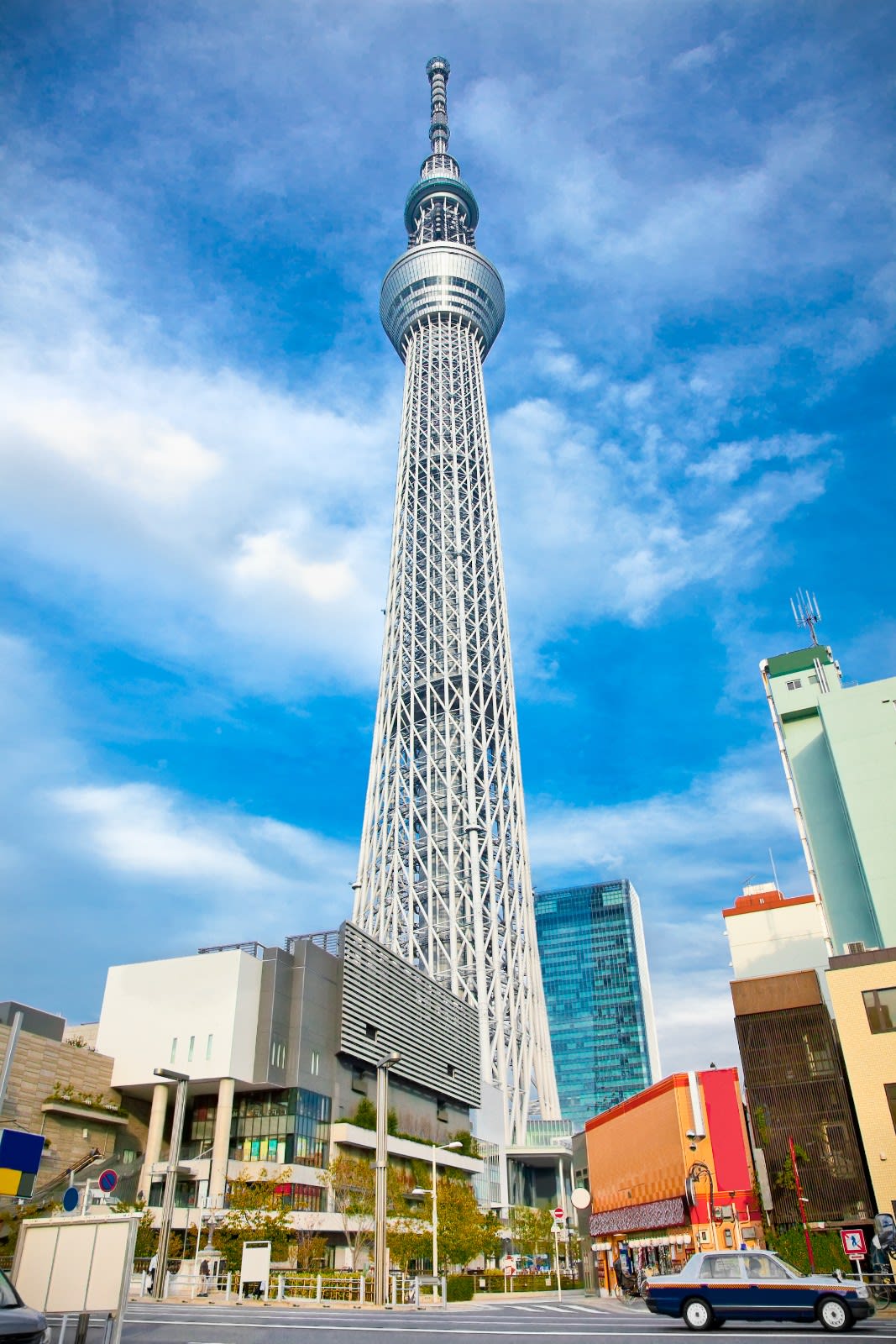
Sumida is a district located along the Sumida River and is best known for its connection to the Tokyo Skytree, the tallest structure in Japan. The district blends modern skyscrapers with historical landmarks like the Tokyo Solamachi shopping complex and Sumida Aquarium. Visitors can also explore the Sumida Aquarium, enjoy views of the river, and experience the traditional Sumida Park, famous for its cherry blossoms during the spring.

Koto

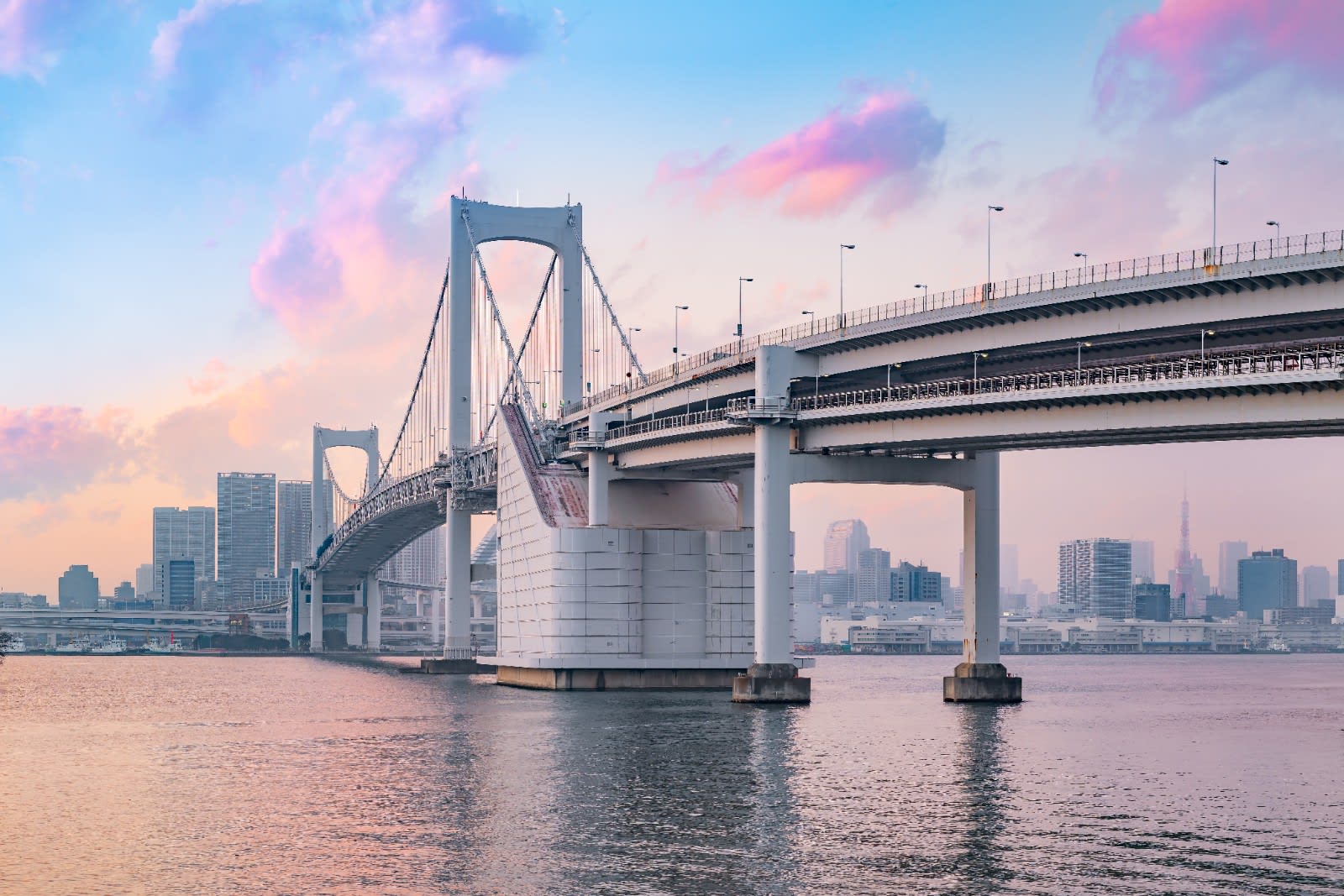
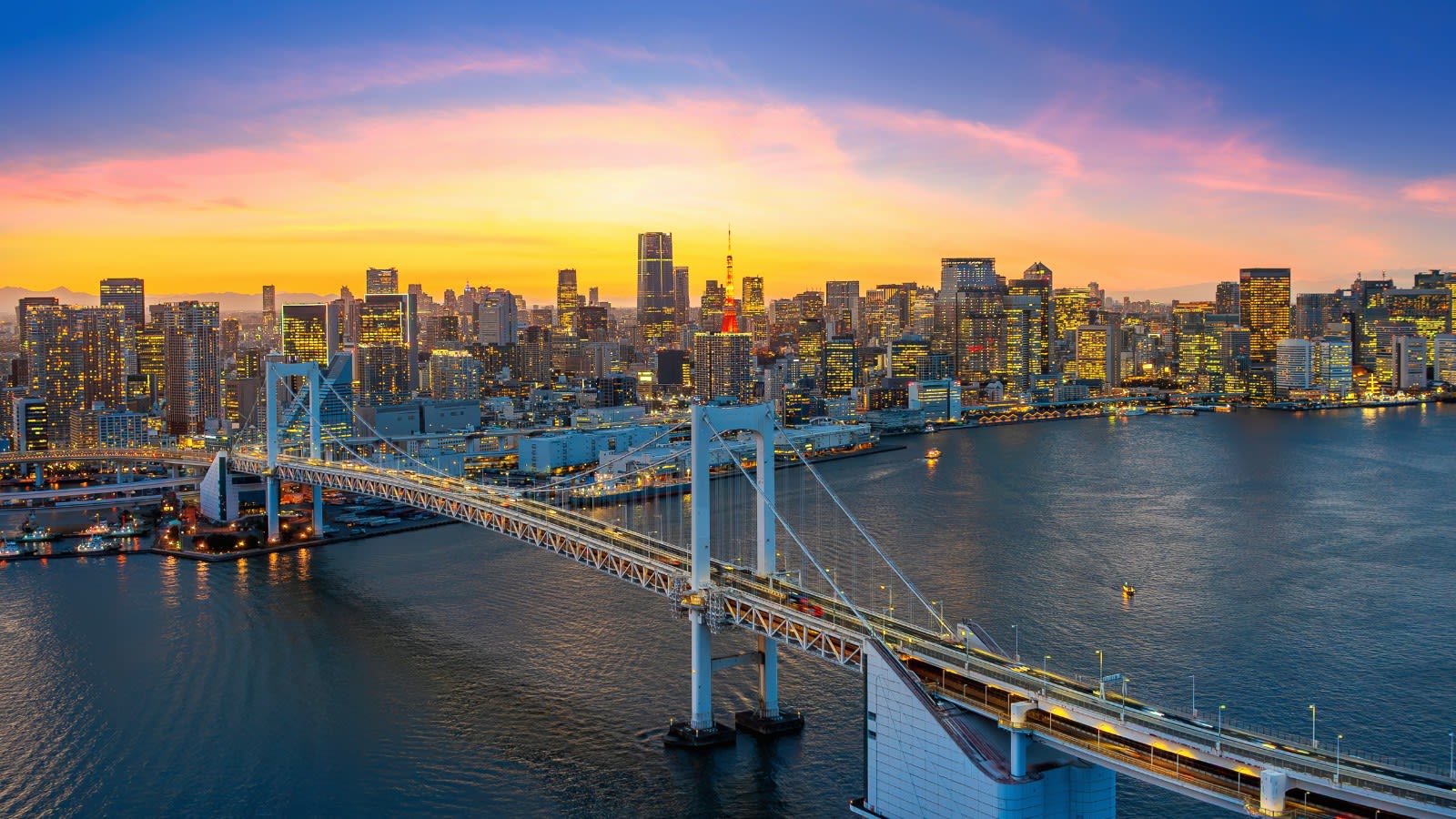
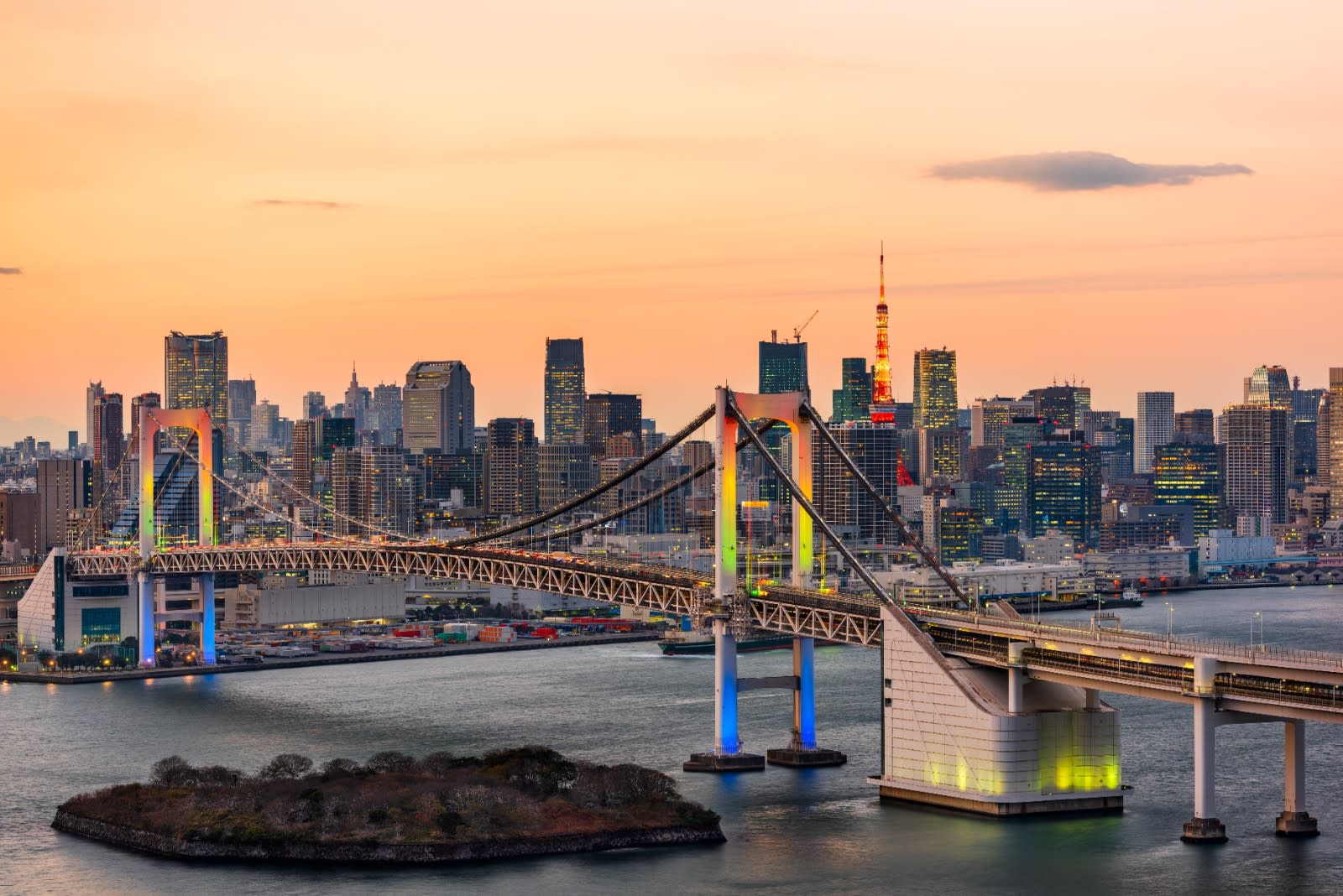
Koto is a district located in the eastern part of Tokyo, known for its waterfront attractions and modern developments. The area includes the Tokyo Big Sight, a major exhibition center, and Odaiba, a man-made island offering entertainment, shopping, and stunning views of Tokyo Bay. Koto also offers cultural experiences with attractions like the Koto Ward Sumiyoshi Shrine, a serene spot to enjoy traditional Japanese architecture.

Shinagawa

Shinagawa is a vibrant district in the southern part of Tokyo known for its transportation links, business centers, and luxurious living. It is home to Shinagawa Station, a major transportation hub that connects travelers to different parts of Tokyo and beyond. The district also offers upscale dining and shopping options, especially around the Gotanda and Oimachi areas. With a mix of old and new, visitors can explore both the historic Shinagawa Shrine and the modern Shinagawa Prince Hotel.
Meguro

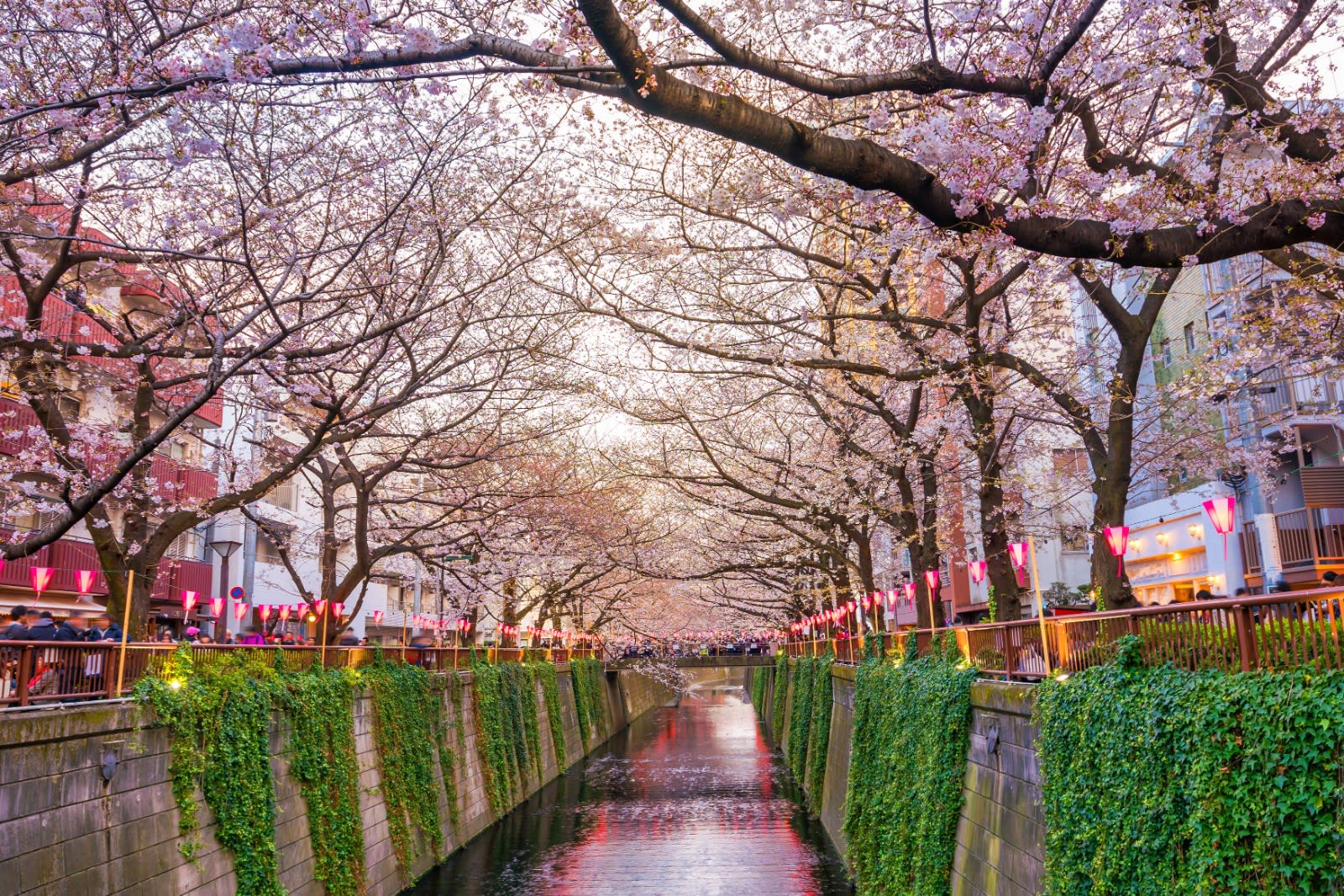
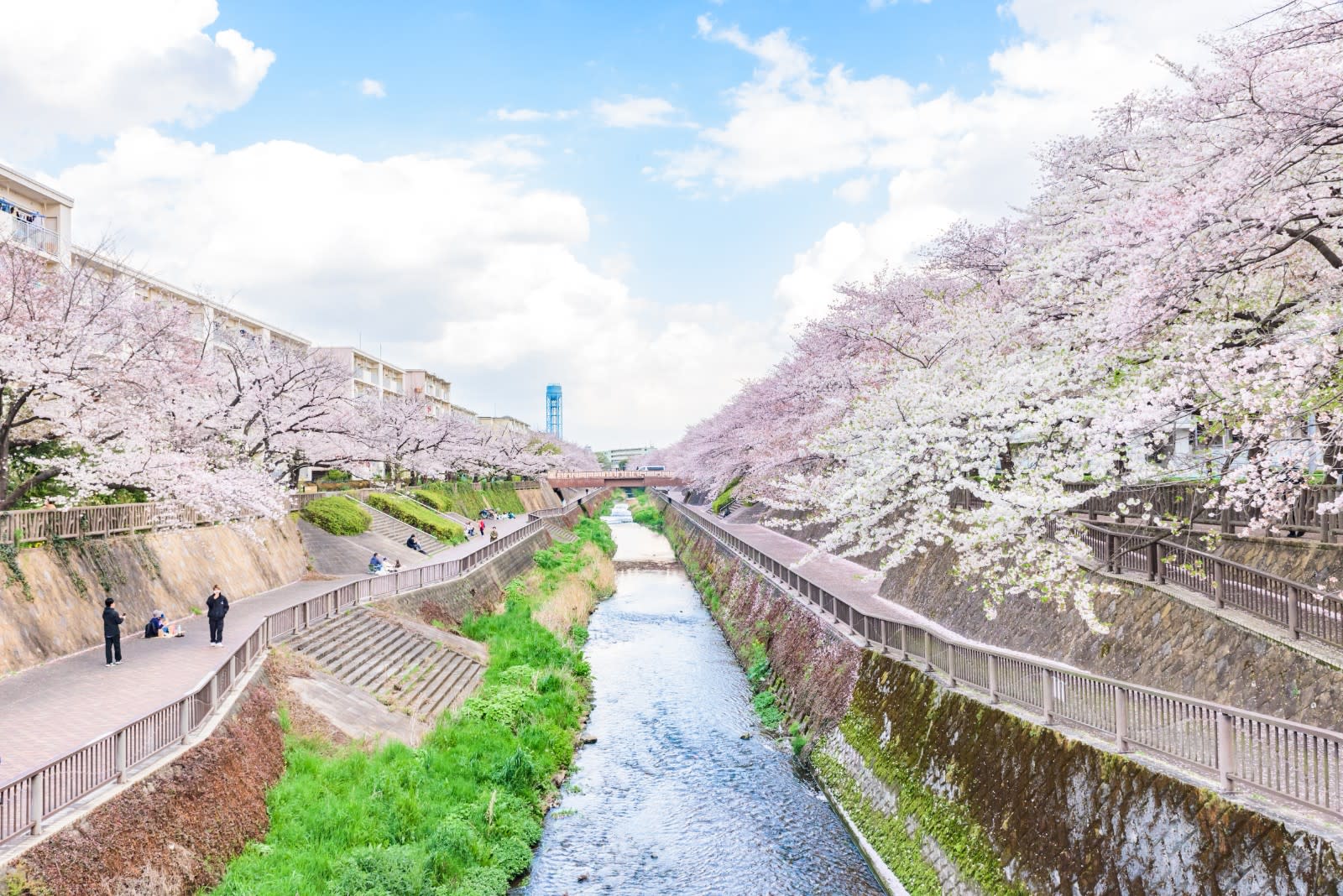
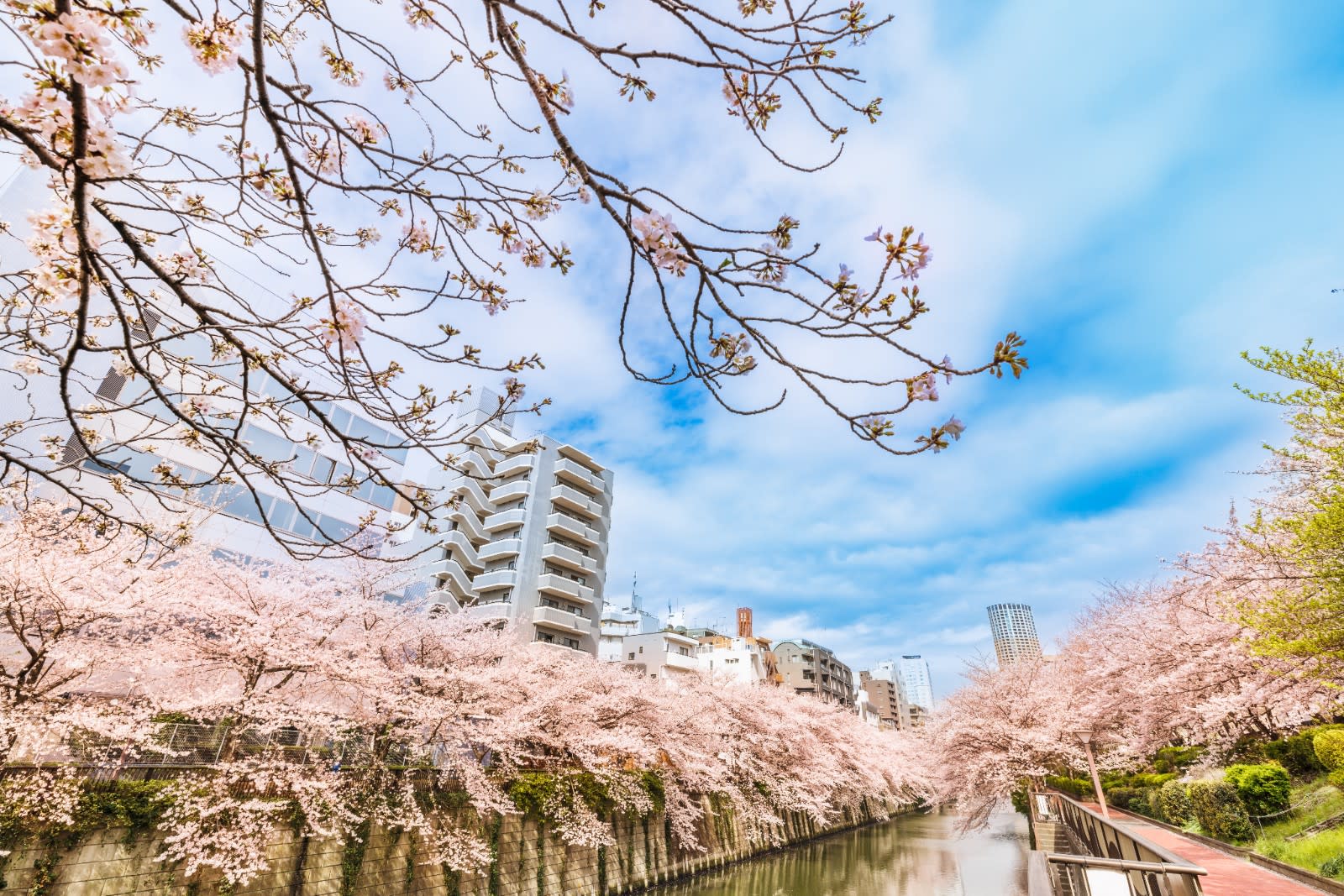
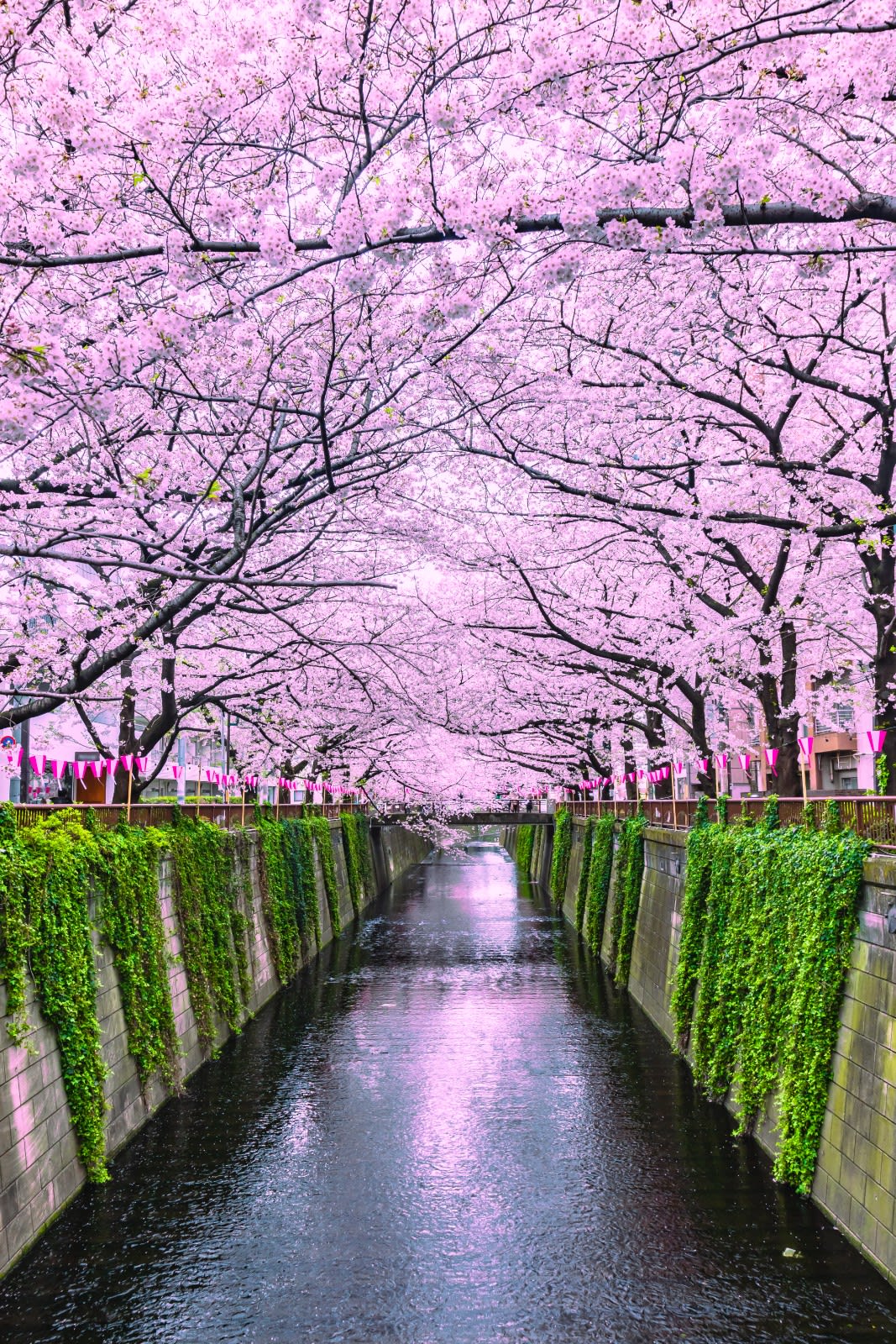
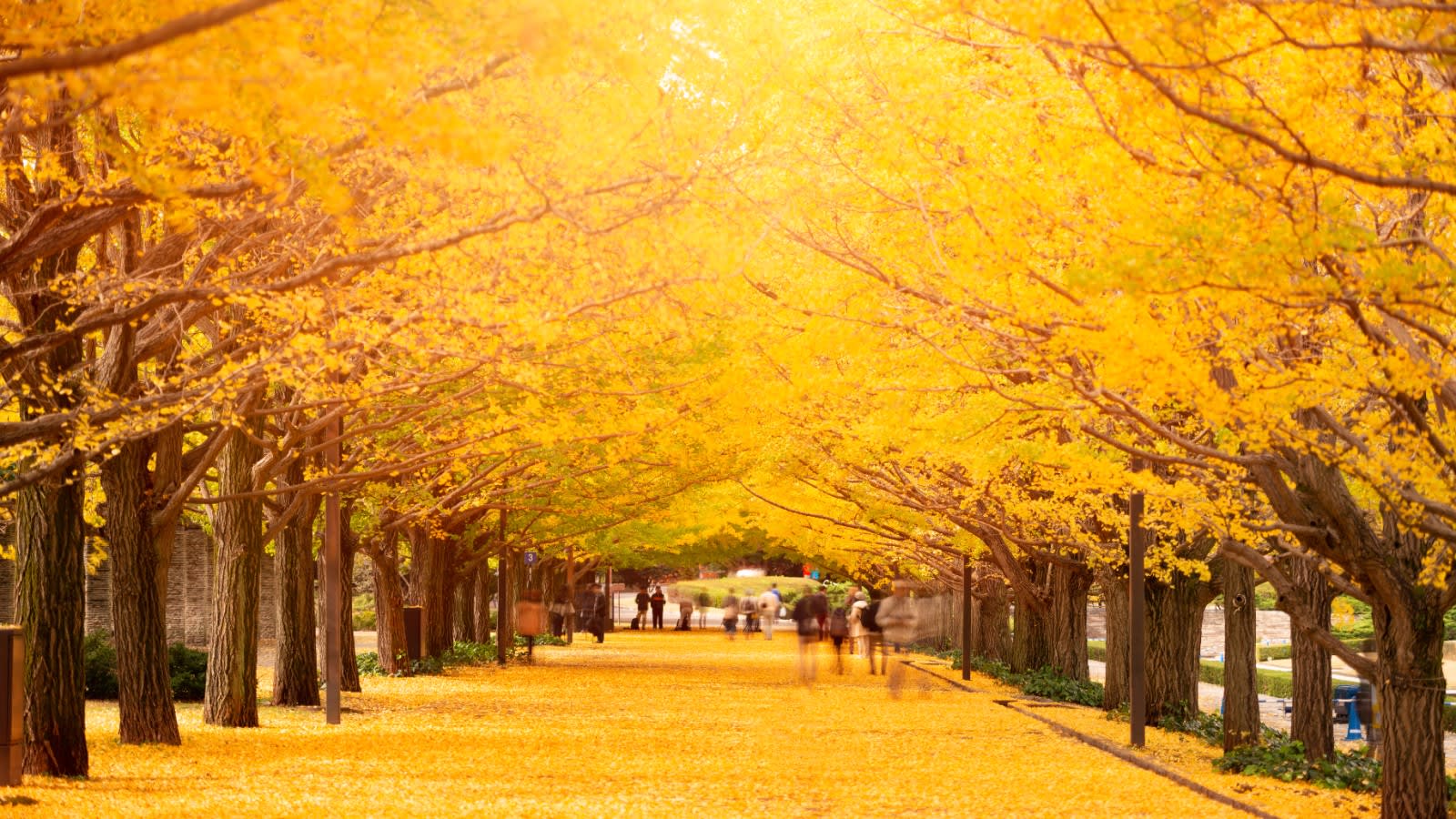
Meguro is a fashionable residential district in the heart of Tokyo, known for its quiet atmosphere and trendy cafes. It offers a mix of modern apartment buildings and traditional homes, creating a blend of old and new. Meguro is also famous for its charming Meguro River, which is lined with cherry trees, making it a popular spot for hanami (cherry blossom viewing) in spring. Additionally, it features a number of stylish boutiques, art galleries, and restaurants.

Setagaya

Setagaya is one of the largest and most affluent districts in Tokyo, offering a balance of suburban tranquility and urban conveniences. It is known for its spacious residential neighborhoods, parks, and family-friendly atmosphere. Setagaya is home to many cultural attractions, such as the Setagaya Art Museum, and offers a range of outdoor activities in places like Todoroki Valley. The district is also famous for its historic temples and shrines, making it a blend of nature, culture, and modern life.

Shibuya

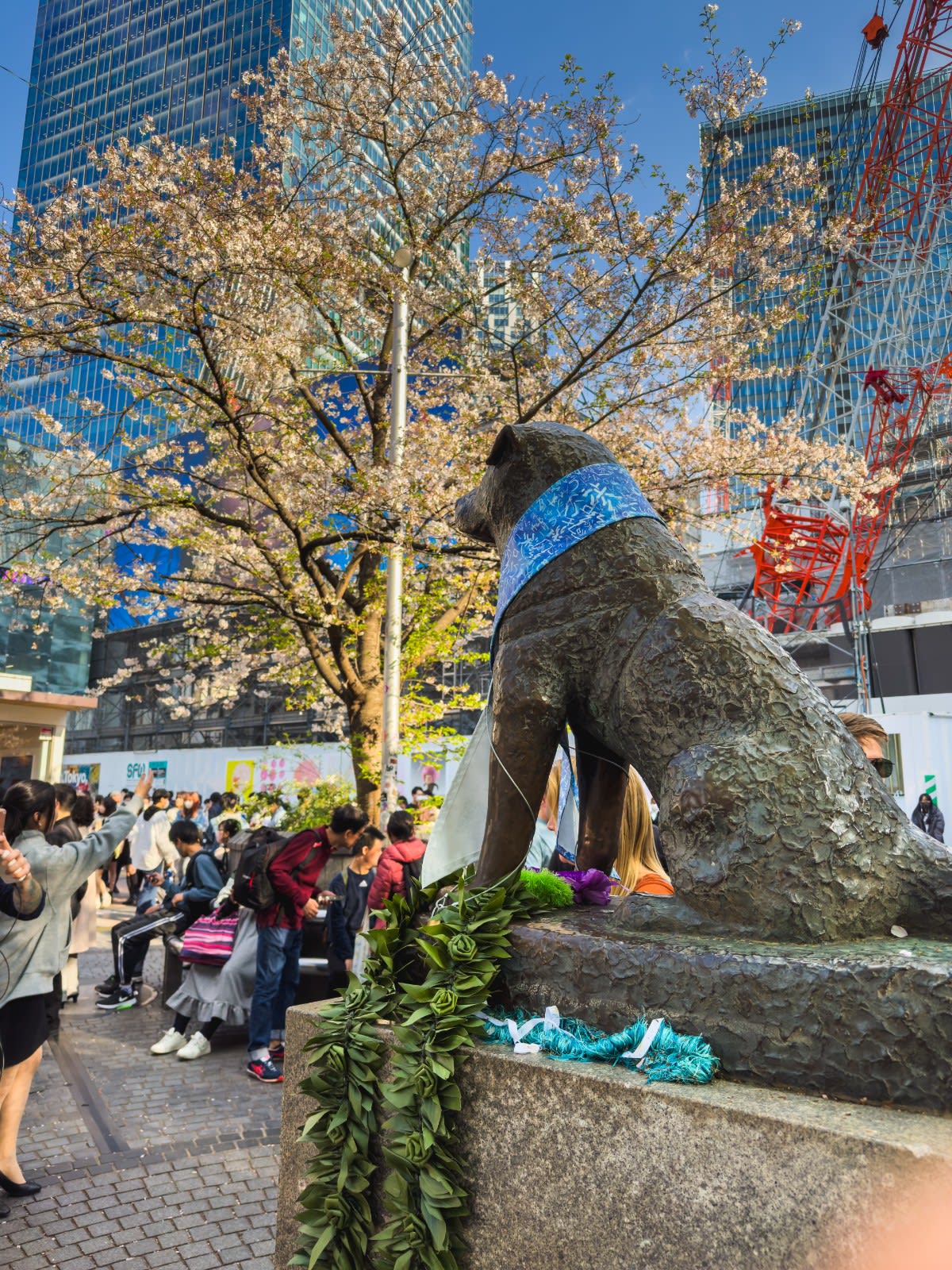
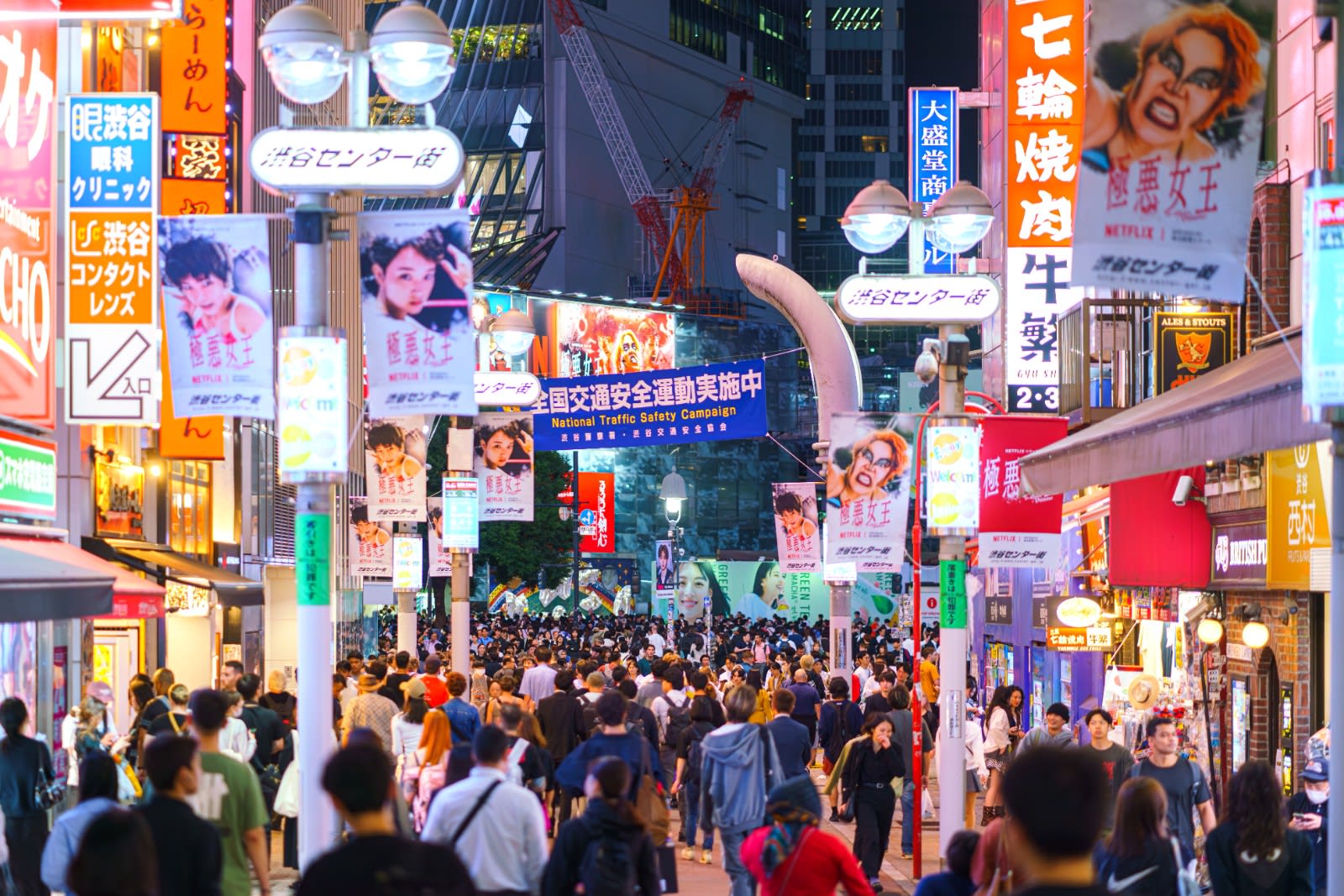
Shibuya is one of the most famous and dynamic districts in Tokyo, known globally for its iconic Shibuya Crossing, one of the busiest pedestrian crossings in the world. The area is a hub of youth culture, with vibrant shopping streets, entertainment centers, and nightlife. It is also home to cultural landmarks such as the Hachiko Statue and Meiji Shrine. Shibuya has evolved into a symbol of modern Tokyo, constantly changing and offering both traditional and contemporary attractions.
Nakano

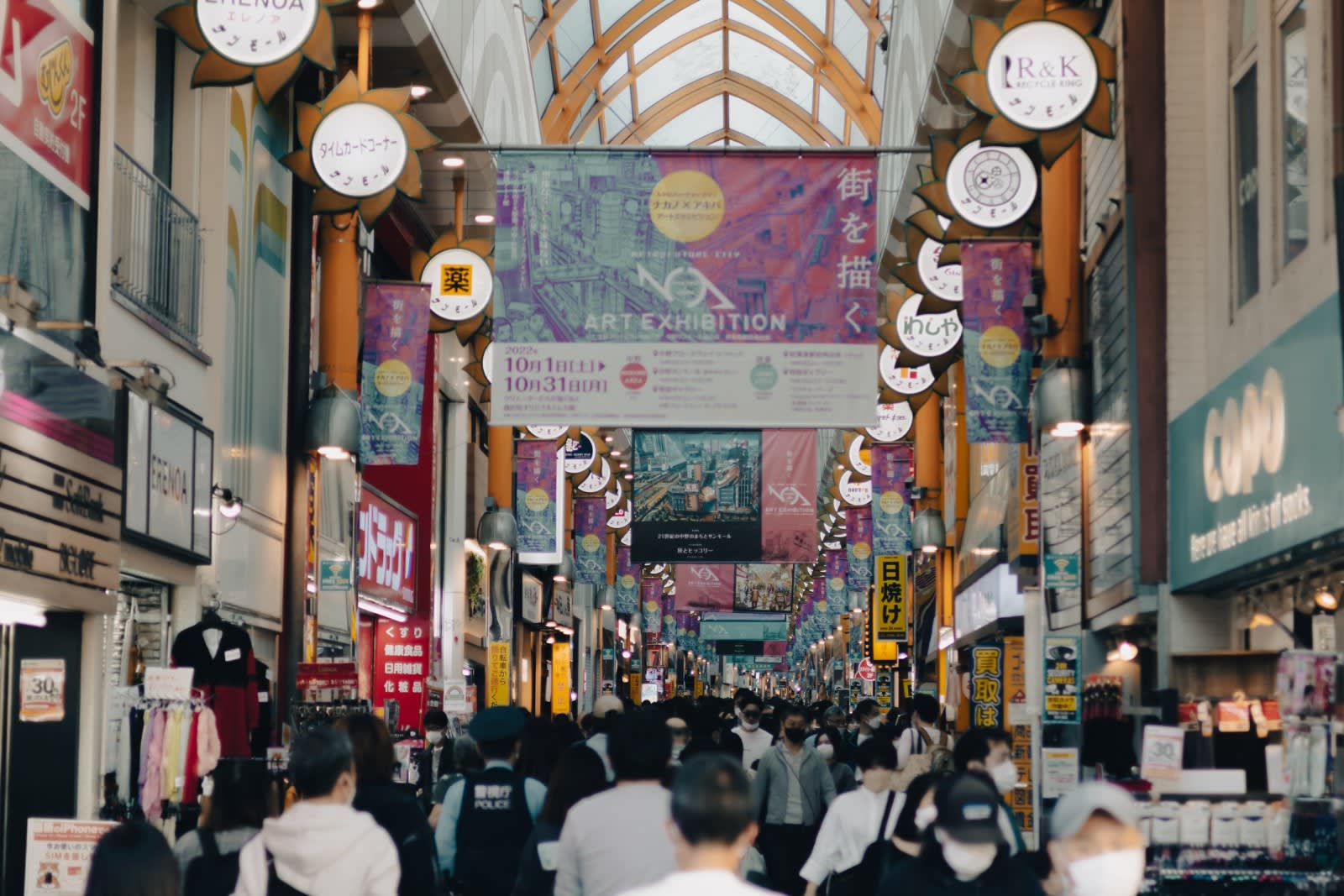
Nakano is a vibrant district located in western Tokyo, known for its lively shopping streets, diverse restaurants, and anime culture. The district's centerpiece is Nakano Broadway, a popular shopping complex that specializes in anime, manga, and collectibles. Nakano offers a blend of modern commercial areas and traditional charm, with cozy residential neighborhoods and local temples. The district also boasts beautiful parks like Nakano Shiki no Mori Park, making it an appealing place for both locals and visitors.

Arakawa

Arakawa is a nostalgic district known for the Toden tram line, neighborhoods like Machiya, and a strong sense of local community. With its traditional shopping arcades, Showa-era architecture, and abundant greenery, it serves as a peaceful pocket of Tokyo’s fast-paced urban fabric. Local festivals, craft workshops, and neighborhood eateries give it a down-to-earth and inviting personality.

Nerima

Nerima is a suburban district in the northwest of Tokyo, known for its quiet residential neighborhoods and green spaces. The area is ideal for families looking for a peaceful lifestyle while still being close to the city center. Nerima is home to several parks, including the large and scenic Nerima Tetsugaku-no-michi (Philosopher's Path). The district also has a rich history, with several traditional temples and shrines, and is famous for its involvement in Japan’s film and animation industries.

Edogawa

Edogawa is a large district in the eastern part of Tokyo, known for its riverside parks, including the iconic Edogawa Park, and its family-friendly atmosphere. It is located near the Sumida River and offers ample opportunities for outdoor activities such as walking, cycling, and boating. The district has a mix of urban developments and residential areas, making it an attractive option for those who want to live in Tokyo but seek a quieter, more suburban lifestyle. Edogawa is also known for the Tokyo Disneyland Resort, located just across the river in Urayasu.

Hachioji

Hachioji is a city located in the western part of Tokyo, known for its proximity to the mountains and outdoor activities. It offers a combination of urban conveniences and access to natural attractions, including the scenic Mount Takao, which is popular for hiking and sightseeing. Hachioji is also a commercial and educational hub, with multiple shopping malls, universities, and cultural institutions. This city is ideal for those who want to experience both city living and nature, with easy access to central Tokyo by train.

Tachikawa

Tachikawa is a city located in the western part of Tokyo, offering a perfect balance between urban life and nature. It is known for its large shopping centers, such as the Tachikawa Takashimaya and Isetan, as well as its proximity to Showa Kinen Park, a large green space ideal for outdoor activities like walking, cycling, and picnicking. Tachikawa is well-connected by rail to central Tokyo, making it a popular residential area for those who enjoy a quieter, suburban lifestyle with easy access to the city.

Mitaka

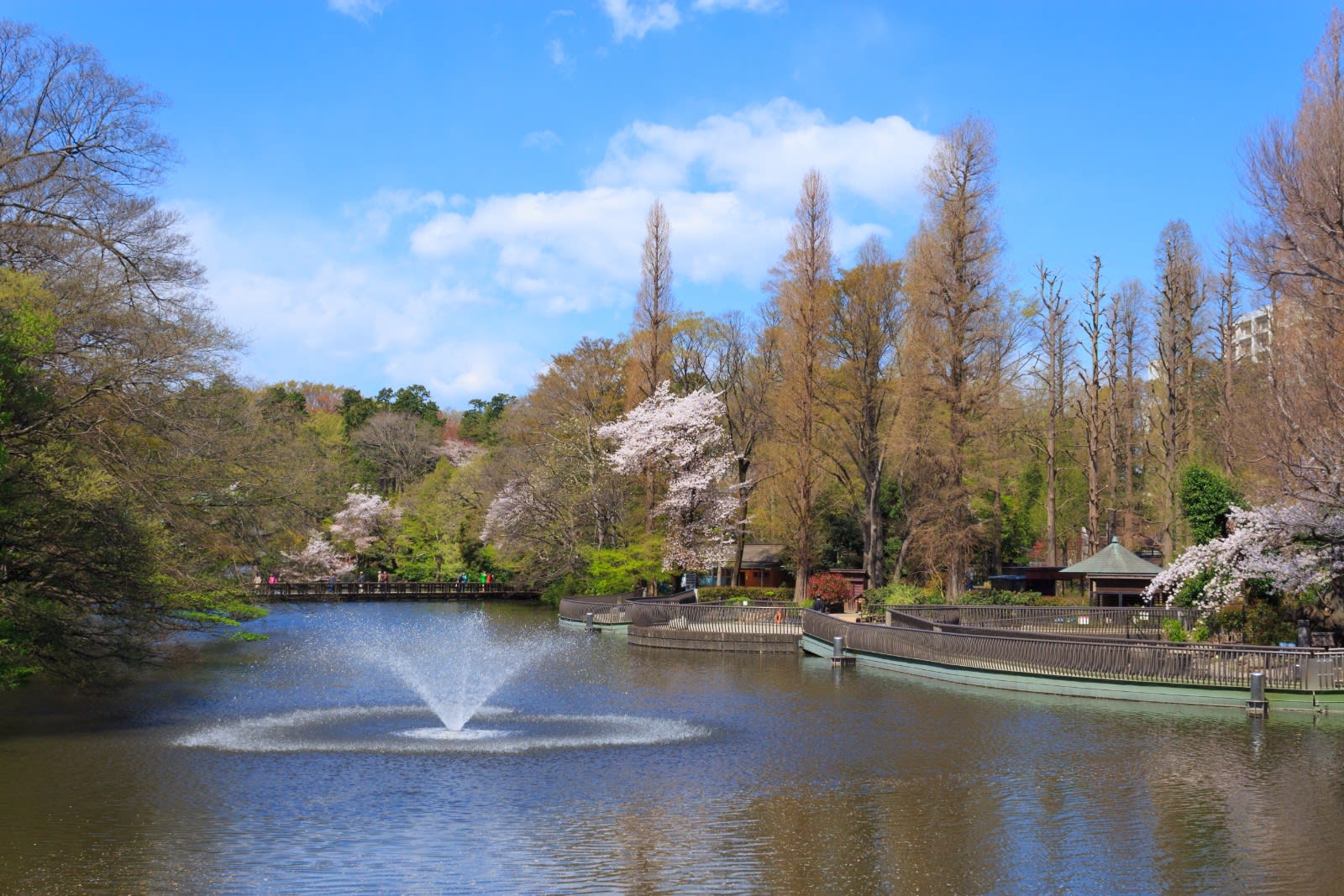
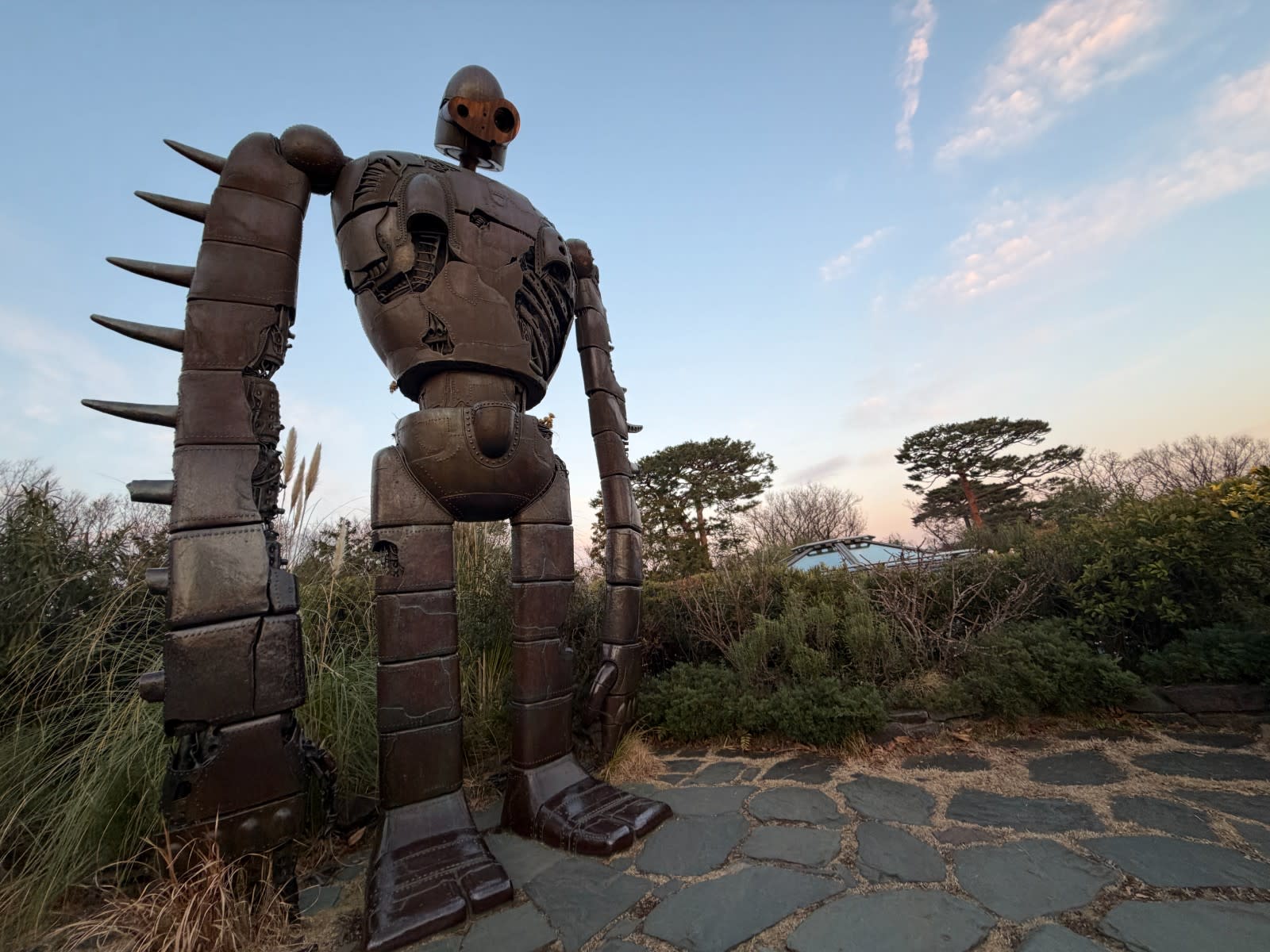
Mitaka is a city located in the western part of Tokyo, best known for being home to the famous Ghibli Museum, which attracts anime fans from all over the world. The city offers a mix of residential areas, parks, and cultural spots. Mitaka is also close to the beautiful Inokashira Park, which is popular for its ponds, walking paths, and boat rentals. The area is known for its tranquil, suburban feel, with easy access to the city center via train, making it a desirable place for families and those seeking a peaceful atmosphere.

Machida

Machida is a lively city located on the outskirts of Tokyo, known for its vibrant shopping districts and bustling entertainment scene. It offers a variety of shopping options, from large department stores like the Machida Tokyu and Odakyu to smaller, more traditional markets. Machida also has a number of parks and green spaces, providing residents with a mix of city life and nature. The city is well-connected to central Tokyo by train, making it an attractive option for commuters.

Kokubunji

Kokubunji is a city located in the western part of Tokyo, known for its historical sites and peaceful residential environment. The city is home to the famous Kokubunji Temple, a historical Buddhist temple that gives the city its name. It also offers a good mix of green spaces and urban convenience. Kokubunji provides easy access to central Tokyo via train, making it a popular choice for commuters seeking a balance between suburban tranquility and urban amenities.

Akihabara

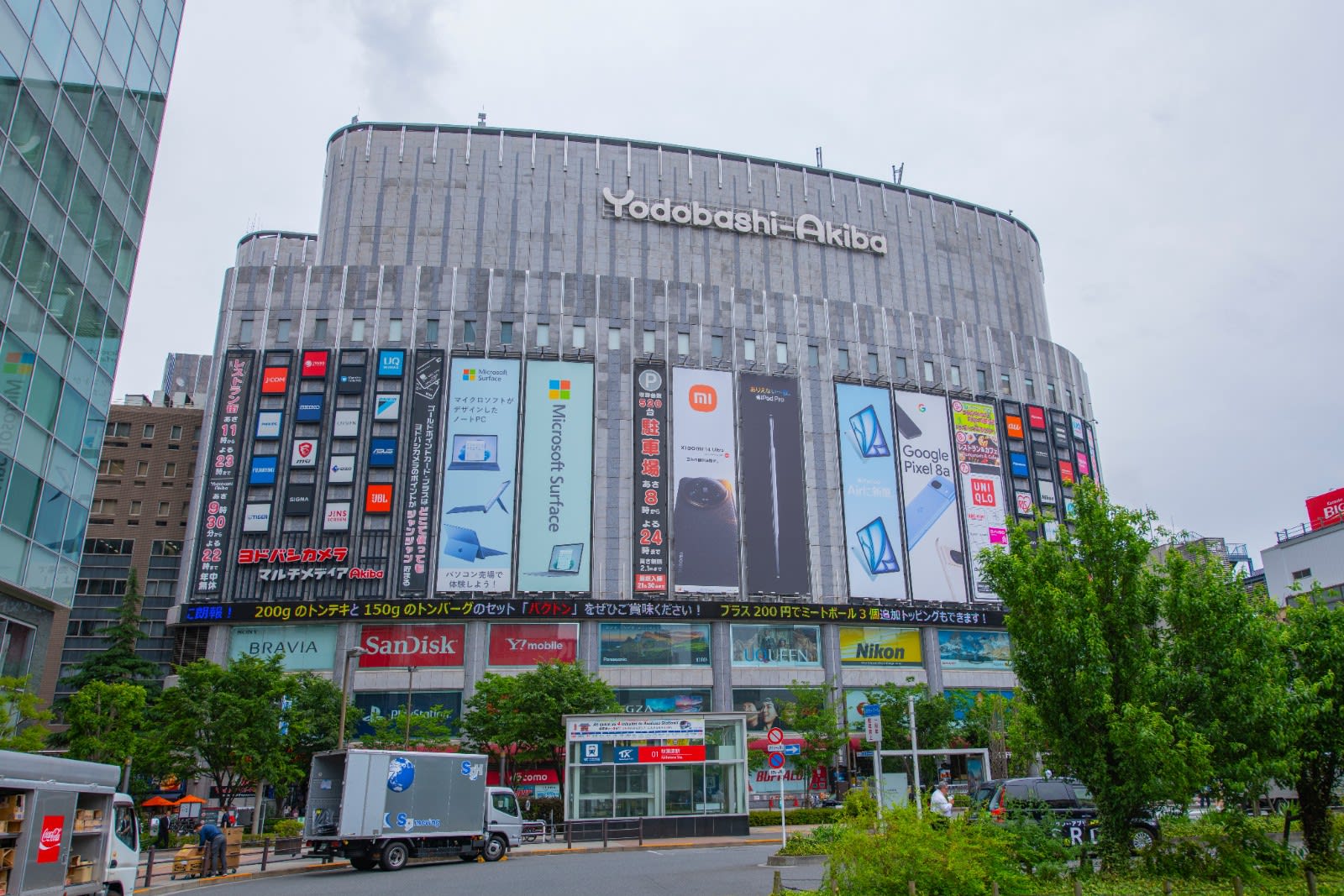
Akihabara is Tokyo’s iconic district for electronics, gaming, and otaku culture, drawing fans from all over the world. Towering tech stores like Yodobashi Camera and unique spaces like Akihabara Radio Kaikan showcase the latest gadgets and niche collectibles. Streets are filled with anime shops, themed cafés, and retro game centers that offer hours of entertainment. Whether you're a die-hard fan or simply curious, Akihabara’s electric charm and vibrant subculture offer an unforgettable Tokyo experience.

Jimbocho

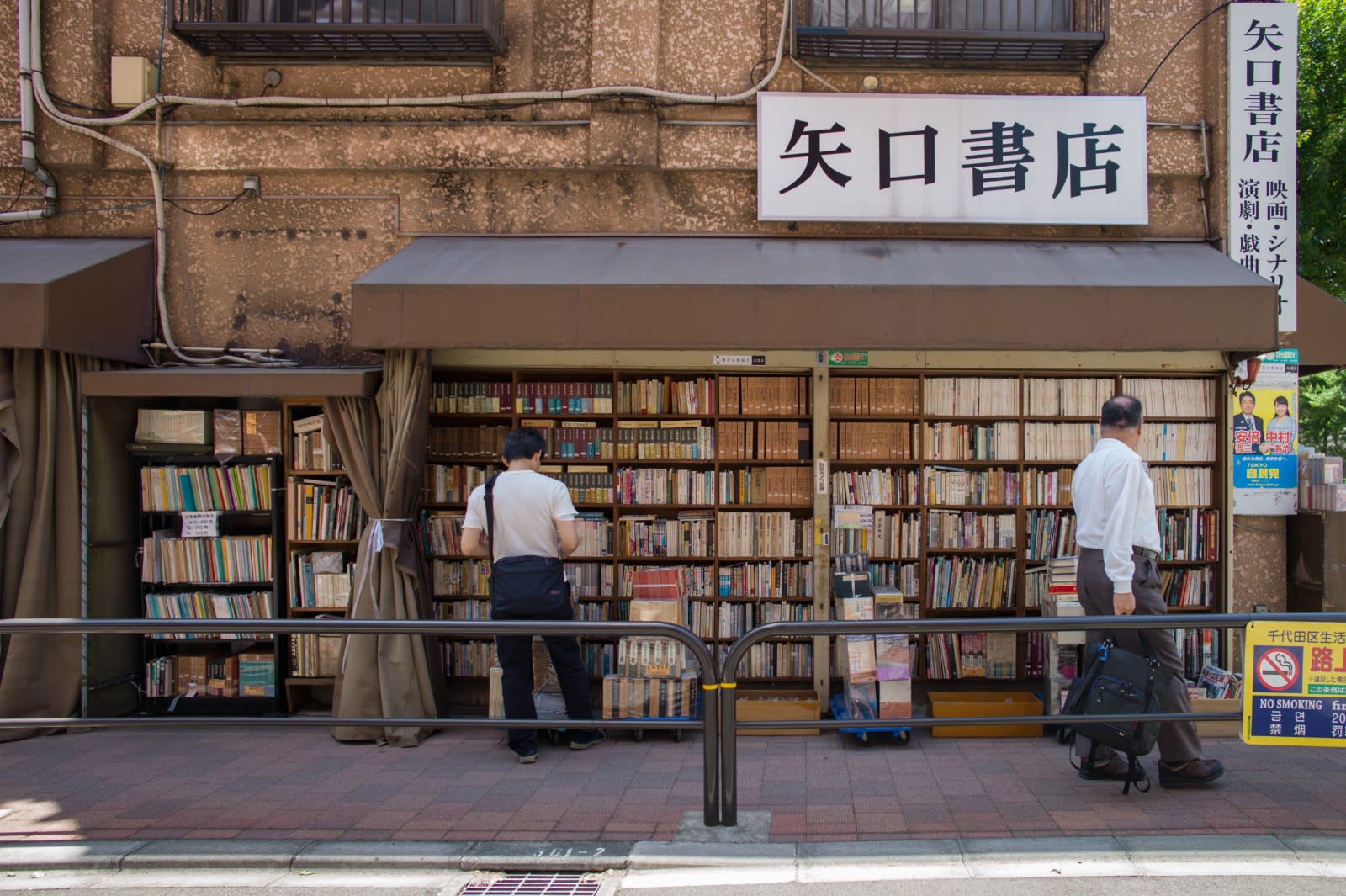
Jimbocho is Tokyo’s literary treasure trove, beloved by scholars, writers, and book lovers alike. Lined with hundreds of secondhand and rare bookstores, the district retains a nostalgic air of the Showa era. Visitors can spend hours browsing through antique volumes and academic texts. The area also features charming kissaten cafés, cozy curry shops, and proximity to institutions like Nihon University and the Tokyo Dome. It’s a peaceful yet intellectually stimulating enclave in the heart of the metropolis.

Kanda

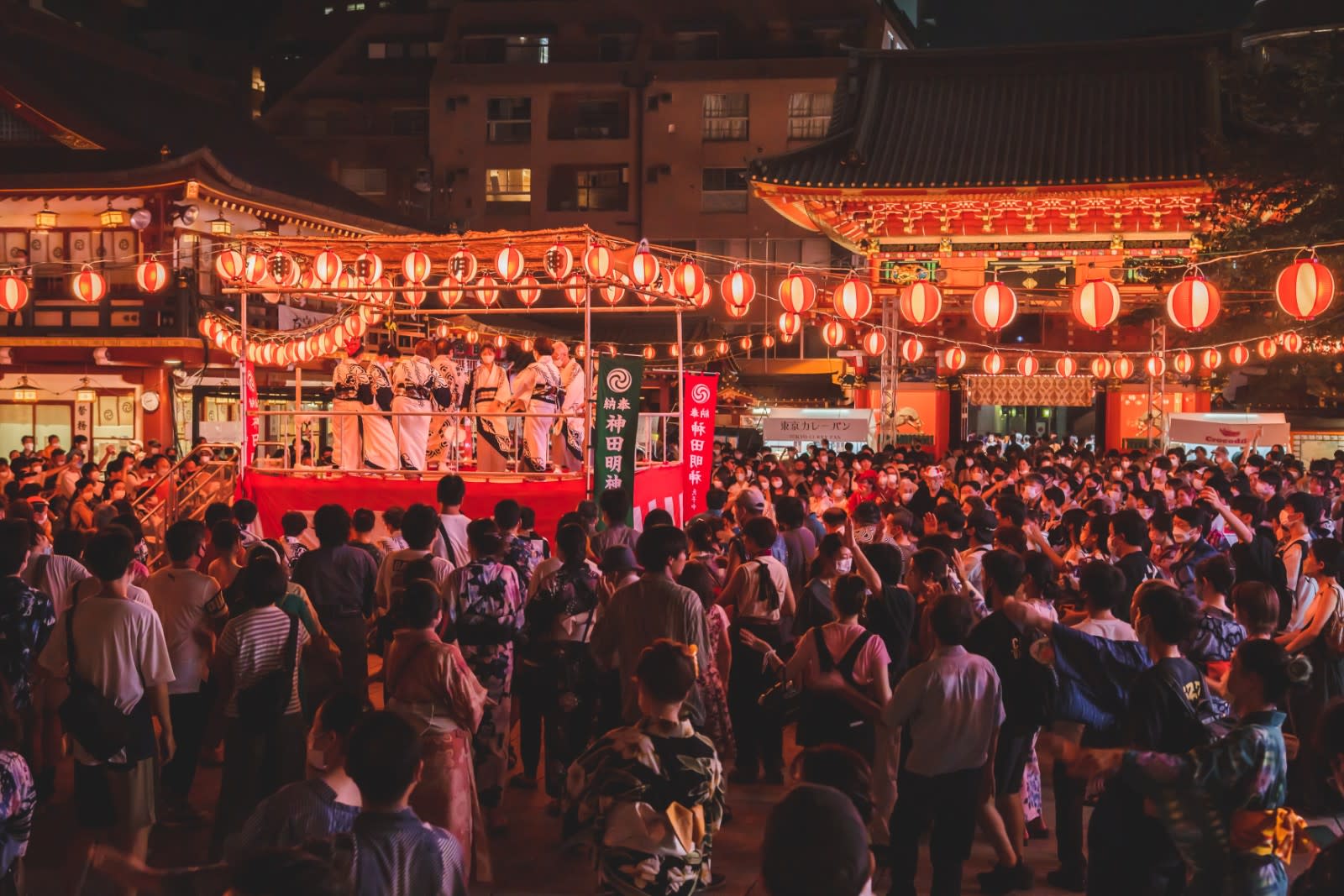
Kanda is a historic and energetic neighborhood bridging Tokyo's traditional and modern sides. Once a merchant district during the Edo period, it now hosts a variety of bookstores, retro izakayas, and tech shops. Akihabara and Jimbocho are just a short walk away, and Kanda Myojin Shrine offers a spiritual touch. The area is particularly lively during the Kanda Festival, one of Tokyo’s major Shinto celebrations.

Iidabashi

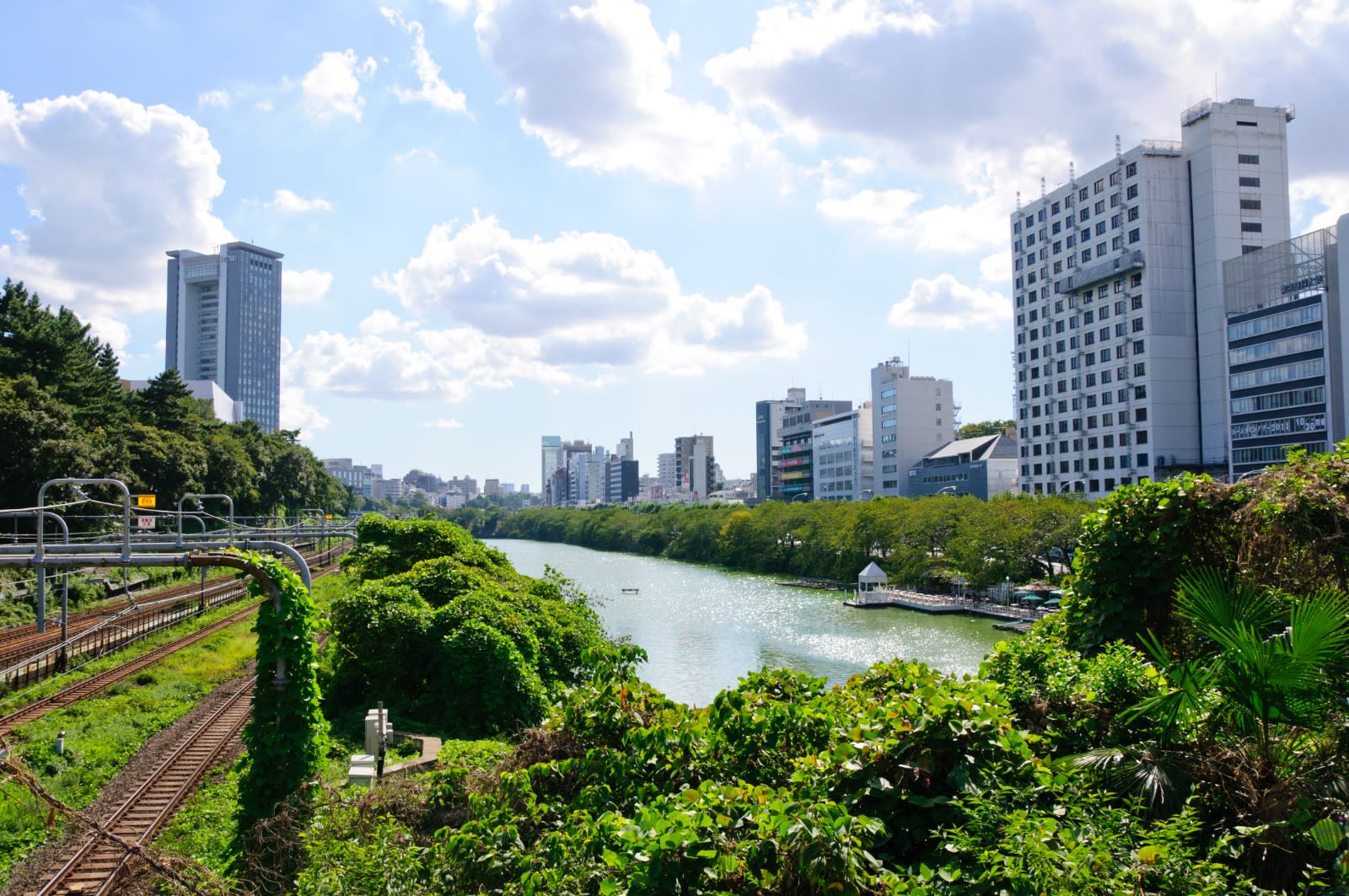
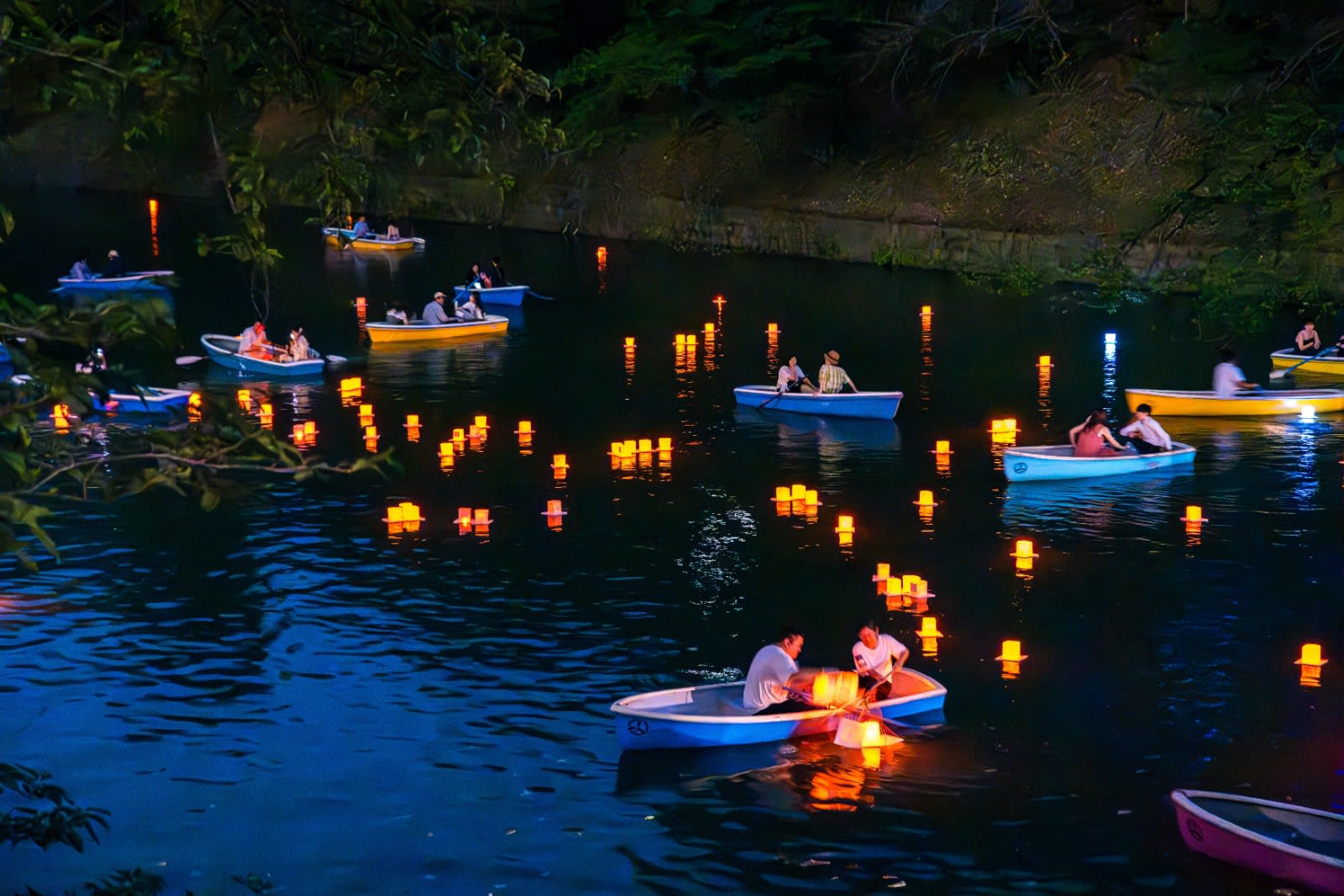
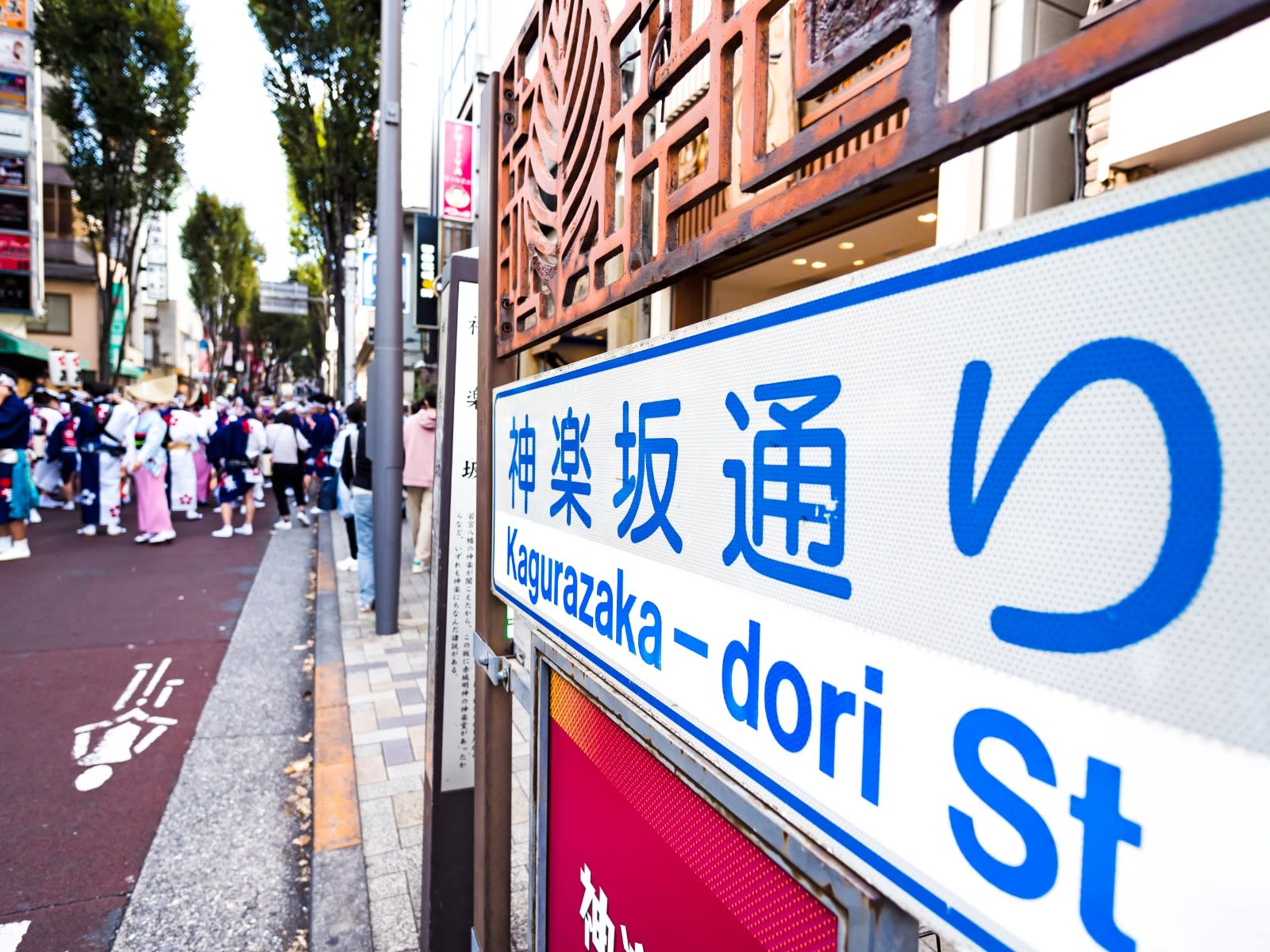
Iidabashi is a versatile riverside neighborhood known for its convenient access, relaxing urban vibe, and French influence in the nearby Kagurazaka district. The area offers scenic walking paths along the Kanda River and a blend of historical and modern architecture. Popular spots include Tokyo Daijingu, often visited for romantic blessings, and the eclectic shops and bistros of Kagurazaka. It’s perfect for a stylish yet peaceful city stroll.

Kojimachi

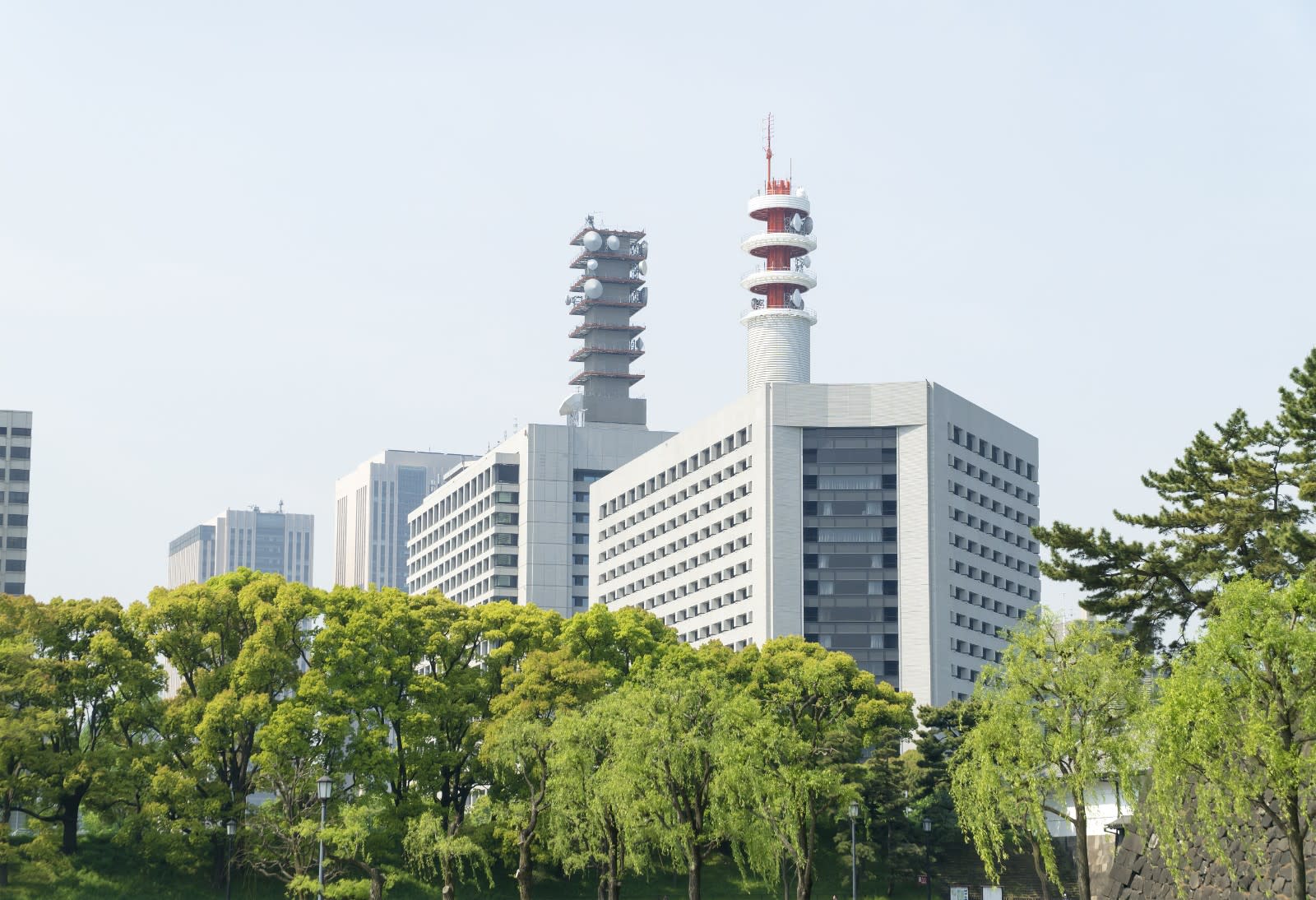
Kojimachi is a refined and historically rich district nestled near the Imperial Palace. Once the residential area for samurai and nobles, it now houses government buildings, media headquarters, and embassies. Its quiet streets, traditional eateries, and proximity to the Chiyoda business core give it a sophisticated yet serene atmosphere. For those seeking elegance, history, and calm in the heart of Tokyo, Kojimachi is a hidden gem.

Marunouchi

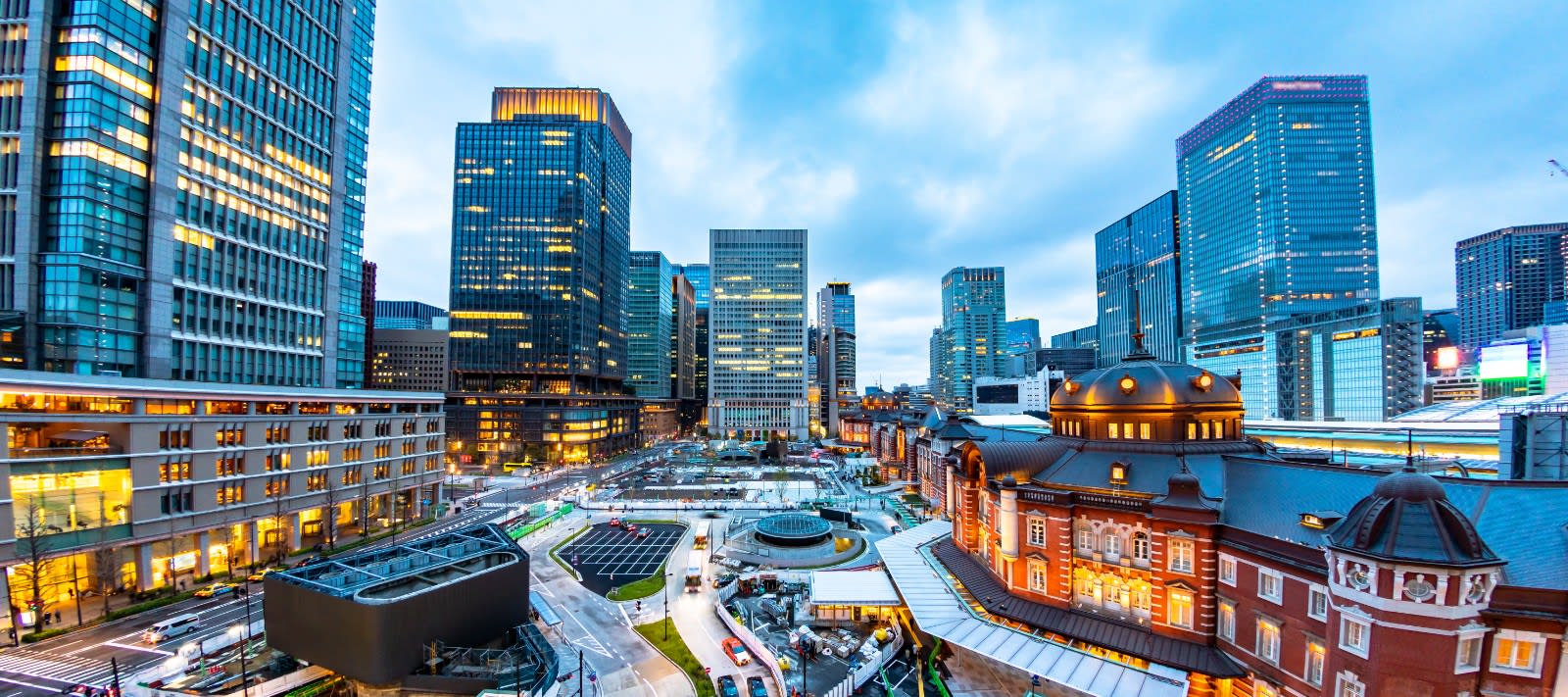
Marunouchi is Tokyo’s premier business and luxury district, nestled between Tokyo Station and the Imperial Palace. Known for its sleek skyscrapers, historical red-brick Tokyo Station building, and high-end shopping and dining at Marunouchi Building and KITTE, the area seamlessly blends old and new. With art installations, tree-lined boulevards, and elegant cafés, it’s a sophisticated gateway to central Tokyo, ideal for architecture lovers and stylish urban explorers.

Yurakucho

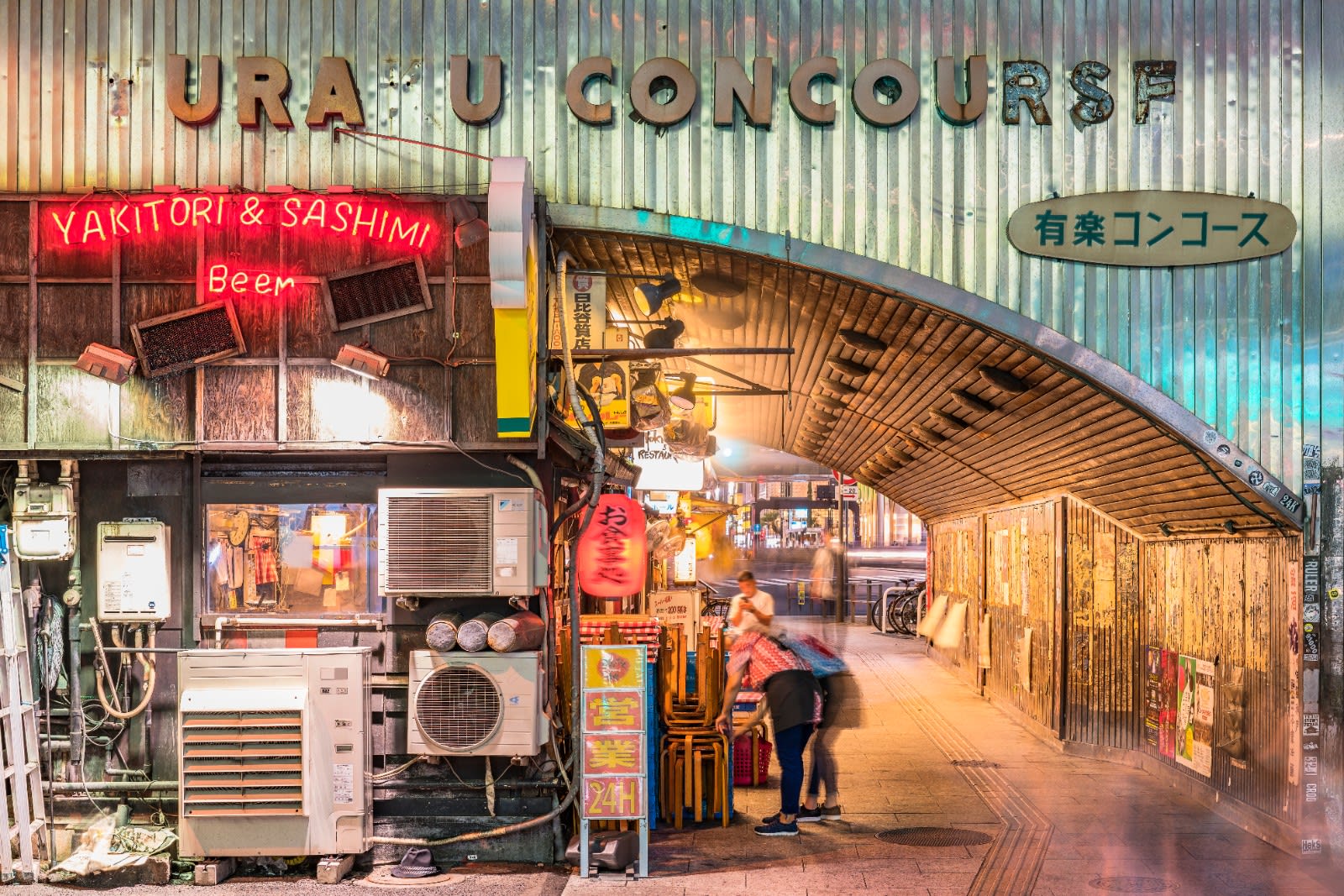
Yurakucho is a lively district located next to Ginza, blending local charm with urban convenience. It’s famous for its atmospheric yakitori alleys beneath the train tracks, bustling cinemas, and easygoing outdoor izakayas. The area also hosts Tokyo International Forum, an architectural marvel and cultural event venue. Yurakucho is perfect for those who want to experience Tokyo’s casual nightlife, authentic eats, and walkable downtown vibe.

Kasumigaseki

Kasumigaseki is Japan’s political nerve center, home to most of the country’s government ministries and administrative offices. Though not traditionally touristic, the area is rich with historic architecture and is located near Hibiya Park and the Imperial Palace. Visitors interested in politics, law, and governance will find the atmosphere intriguing. The wide streets, formal buildings, and dignified quiet offer a stark contrast to Tokyo’s livelier districts.

Hibiya

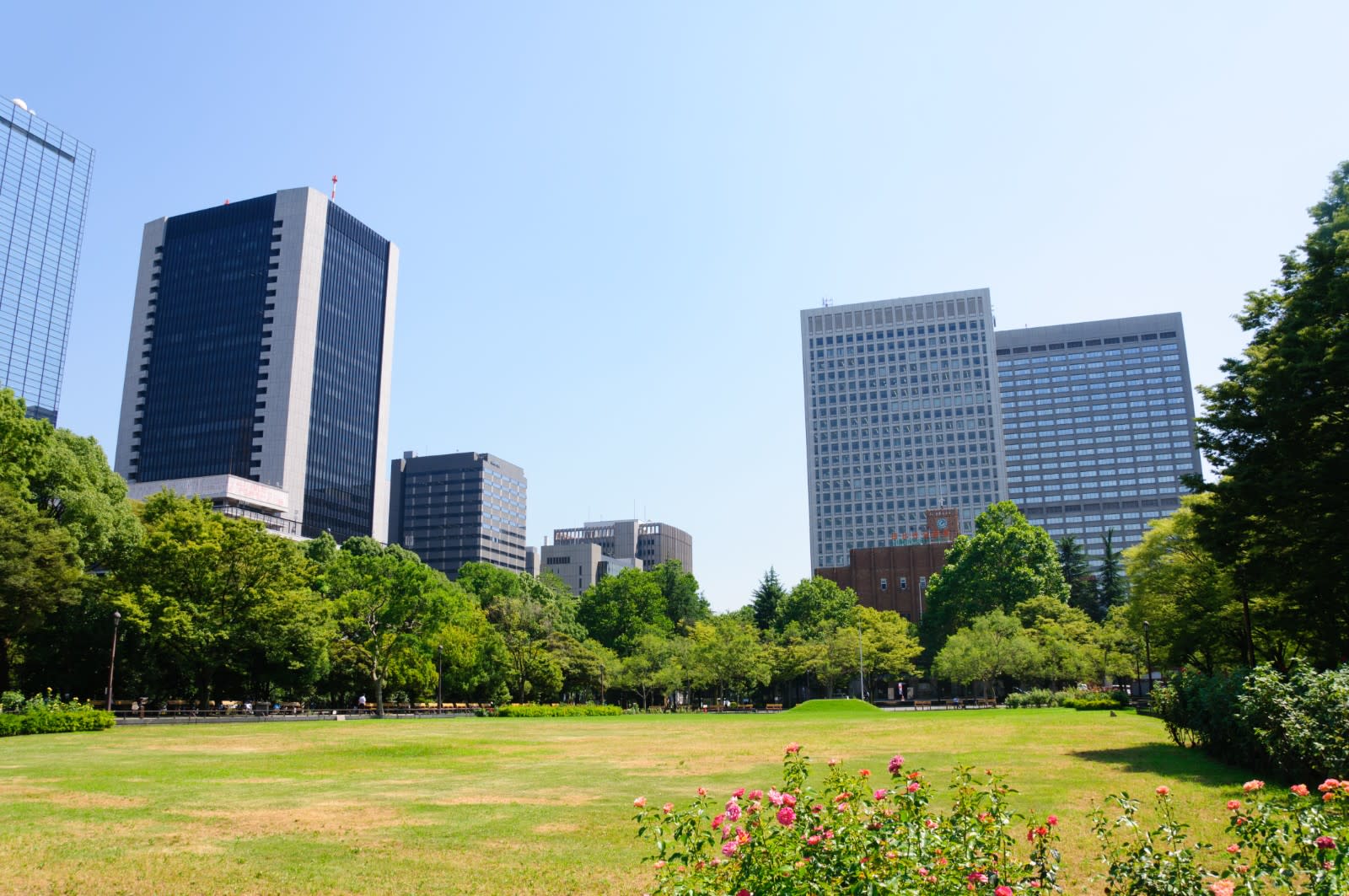
Hibiya is an elegant cultural and entertainment district, located at the southern edge of the Imperial Palace grounds. It features the historic Hibiya Park, the luxurious Tokyo Midtown Hibiya complex, and prestigious theaters like the Imperial Theatre and TOHO Cinemas. Surrounded by greenery and modern architecture, Hibiya offers a relaxing escape within central Tokyo, perfect for a romantic stroll, a theater night, or a serene afternoon café break.

Kioicho

Kioicho is a serene and refined area in central Tokyo, historically associated with samurai lords and aristocracy. Today, it houses luxury hotels like Hotel New Otani, historical gardens such as the Hotel New Otani Japanese Garden, and academic institutions like Sophia University. Its quiet streets and diplomatic presence give it a stately ambiance. With easy access to Akasaka and the Imperial Palace, Kioicho offers a quiet, polished escape in the heart of the city.

Otemachi

Otemachi is one of Tokyo’s most important financial centers, located just steps from Tokyo Station and the Imperial Palace. Skyscrapers housing major banks and multinational firms dominate the skyline, while stylish underground promenades connect shopping, cafés, and art spaces. Despite its corporate image, Otemachi is increasingly walkable and cultural, with spaces like Otemachi One Garden and nearby Wadakura Fountain Park. It’s a sleek, modern face of Tokyo’s global identity.

Ginza

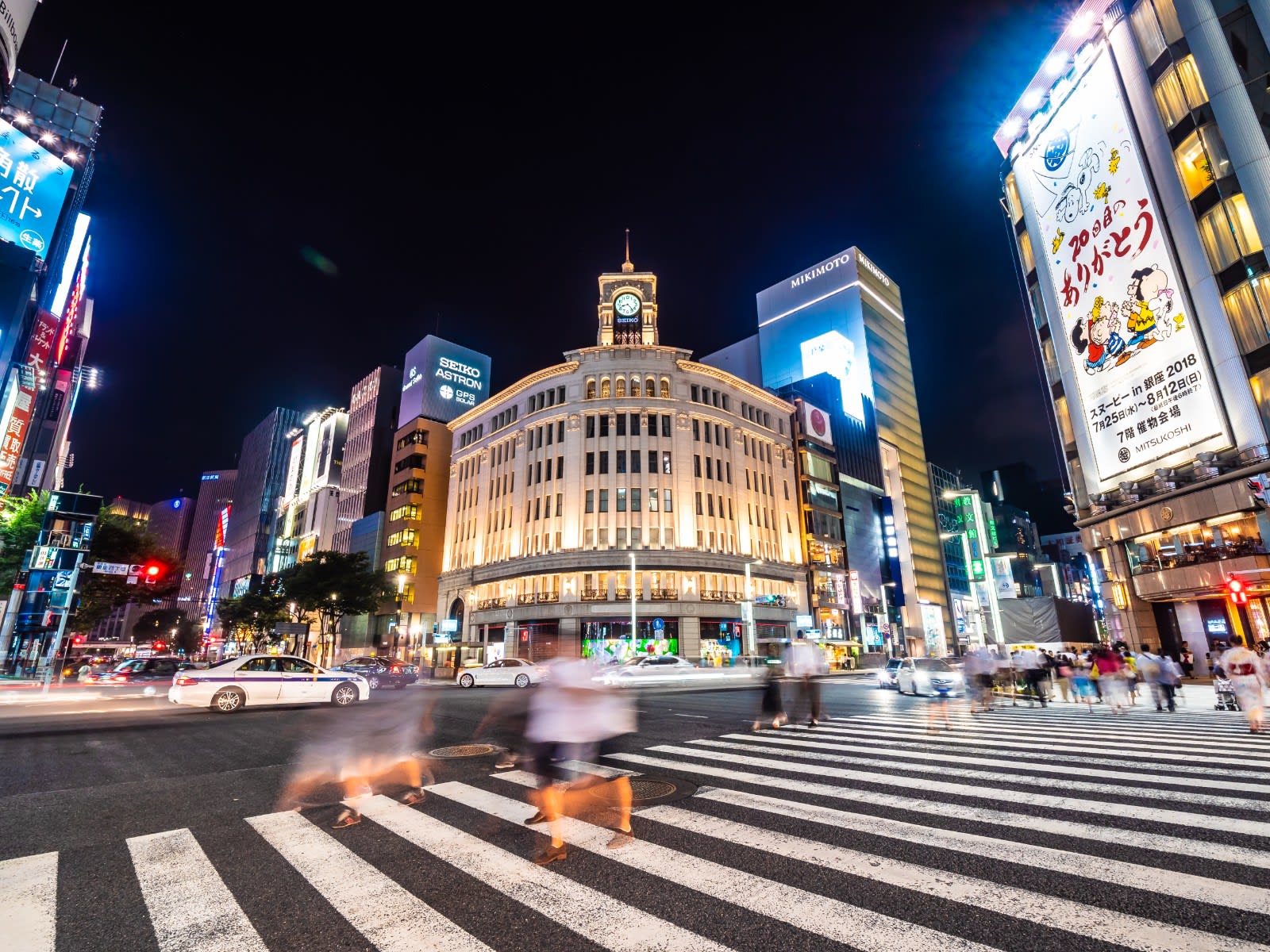
Ginza is Tokyo’s iconic luxury shopping and dining district, renowned for its elegant boulevards, high-end boutiques, and refined atmosphere. Flagship stores for global brands, historic department stores like Mitsukoshi and Matsuya, and world-class dining define the area. At night, Ginza glows with sophistication, offering theaters, bars, and art galleries. Whether you’re window shopping, fine dining, or catching a kabuki show at the Kabukiza Theatre, Ginza offers a taste of Tokyo’s most glamorous side.

Nihombashi

Nihombashi is a historic commercial center in Tokyo that once marked the starting point of Japan’s five major highways during the Edo period. Today, it combines tradition with sophistication, featuring restored architecture, luxury department stores like Mitsukoshi, and upscale dining. The area is home to the Nihombashi Bridge, COREDO shopping complexes, and cultural spots like the Currency Museum. It’s ideal for travelers seeking elegance, heritage, and a refined shopping experience.

Tsukiji

Tsukiji is a legendary food destination in Tokyo, once home to the world’s largest fish market. While the wholesale market has moved to Toyosu, the Tsukiji Outer Market remains vibrant with fresh seafood vendors, sushi stalls, and street food delights. You can sample tamagoyaki, grilled scallops, and matcha treats while exploring the maze of culinary treasures. Close to Hamarikyu Gardens and walking distance from Ginza, Tsukiji is a must-visit for food lovers and culture seekers alike.

Tsukishima

Tsukishima is a unique, island-like district known for its strong local identity and as the birthplace of monjayaki, a Tokyo-style savory pancake. The area is famous for “Monja Street,” lined with dozens of monjayaki restaurants. Traditional charm meets waterfront serenity here, with quiet residential lanes and views of the Sumida River. Just a short walk from the futuristic skyscrapers of Harumi and Toyosu, Tsukishima offers a nostalgic Tokyo flavor with a homey atmosphere.

Ningyocho

Ningyocho is a charming neighborhood that retains the atmosphere of old Edo, with narrow alleys, traditional eateries, and artisan shops. Historically associated with puppet theaters and performers, the area’s name means “Doll Town.” It’s home to classic Japanese sweets shops, long-established tempura restaurants, and cultural gems like Amazake Yokocho. With its nostalgic ambiance and walkable streets, Ningyocho is ideal for slow travel and discovering Tokyo’s human-scale charm.

Kyobashi

Kyobashi is a stylish and evolving district located between Ginza and Tokyo Station. Known for its blend of historic charm and modern design, it features art galleries, chic cafés, and redeveloped commercial complexes like Tokyo Square Garden. Once a hub of Edo-period bridges and waterways, its name lives on through elegant streets and cultural attractions such as the Artizon Museum. Kyobashi is perfect for those seeking art, calm, and a short walk from the city’s busiest hubs.

Shintomicho

Shintomicho is a low-key but charming neighborhood that offers a glimpse into everyday Tokyo life. Nestled between Ginza and Tsukiji, it’s ideal for travelers looking to explore off the beaten path. The area features local restaurants, bakeries, small shrines, and easy access to cultural spots like Kabukiza Theatre and Tsukiji Hongwanji Temple. Its peaceful residential streets and hidden gems provide a calm contrast to its bustling neighbors.

Hatchobori

Hatchobori is a riverside neighborhood with a mix of office buildings, quiet apartments, and canalside charm. Historically a district of samurai residences and canals during the Edo period, today it offers convenient access to central Tokyo while retaining a local feel. Visitors can enjoy peaceful walks along the Shinkawa River, explore small eateries, or head to nearby Nihombashi and Tsukiji. It's perfect for travelers who appreciate Tokyo's calm and practical side.

Higashi-ginza

Higashi-ginza is a vibrant cultural and commercial hub adjacent to the Ginza district. It is famous for traditional kabuki theaters, long-established restaurants, and a unique blend of Edo-era charm with modern luxury. The area attracts tourists and locals alike throughout the day and evening.

Yaesu

Yaesu is a bustling gateway district on the eastern side of Tokyo Station, known for its blend of business, travel, and shopping. The area features Yaesu underground shopping malls, luxury hotels, and direct access to expressway bus terminals and bullet train platforms. While modern in appearance, it’s named after Dutch navigator Jan Joosten, who lived in Japan during the Edo period. Whether you're arriving, departing, or exploring, Yaesu is a functional yet culturally symbolic space in Tokyo.

Akasaka

Akasaka is a refined urban district known for its political relevance, upscale hotels, and hidden culinary gems. It’s home to the Prime Minister’s residence and embassies, but also features entertainment spots like Akasaka Sacas, the historic Hie Shrine, and luxury hotels such as The Capitol Hotel Tokyu. The area seamlessly blends government presence with nightlife and culture, making it perfect for those seeking both elegance and energy in central Tokyo.

Nishiazabu

Nishiazabu is an exclusive, trendsetting neighborhood nestled between Roppongi and Hiroo. Known for its high-end residences, designer restaurants, and discreet nightlife, it’s a favorite among celebrities, creatives, and international residents. The area maintains a sense of privacy and refinement, with leafy streets and hidden venues that feel worlds away from the city's chaos. For visitors looking for Tokyo’s sophisticated underground culture, Nishiazabu is a hidden gem worth discovering.

Minamiazabu

Minamiazabu is a refined, international neighborhood known for its embassies, quiet elegance, and luxury residences. Located near Hiroo and Arisugawa Park, the area is popular with expats and families seeking peaceful urban living. With stylish cafés, gourmet bakeries, and the National Azabu Supermarket offering global products, it’s a calm, culturally rich pocket of Tokyo. Its proximity to museums and green spaces makes it perfect for slow, upscale exploration.

Aoyama

Aoyama is one of Tokyo’s most fashionable and cultured districts, known for its sleek architecture, designer boutiques, and art galleries. The area blends luxury with creativity, featuring landmarks like the Nezu Museum, Omotesando Avenue, and chic concept stores. Aoyama’s stylish cafés and tree-lined streets attract trendsetters and creatives. It’s a perfect destination for those interested in design, culture, and Tokyo’s sophisticated urban lifestyle.

Minami Aoyama

Minami Aoyama is an upscale and peaceful extension of Aoyama, known for its boutique luxury stores, exclusive salons, and modern architecture. Compared to the busier areas nearby, it offers a quieter, more refined atmosphere. It’s home to the Spiral Building, trendy florists, and specialty cafés, creating a space where style and calm coexist. For visitors looking to enjoy Tokyo’s refined charm in a quieter setting, Minami Aoyama is a hidden treasure.

Azabu

Azabu is a culturally rich and diverse neighborhood that blends traditional Tokyo with international sophistication. Once home to samurai estates, it’s now a mix of embassies, gourmet dining, and trendy spots like Roppongi Hills nearby. With charming lanes, upscale patisseries, and shrines like Juban Inari, Azabu offers a peaceful but stylish alternative to busier urban zones. It’s a favorite among diplomats, artists, and anyone seeking Tokyo with a global twist.

Azabujuban

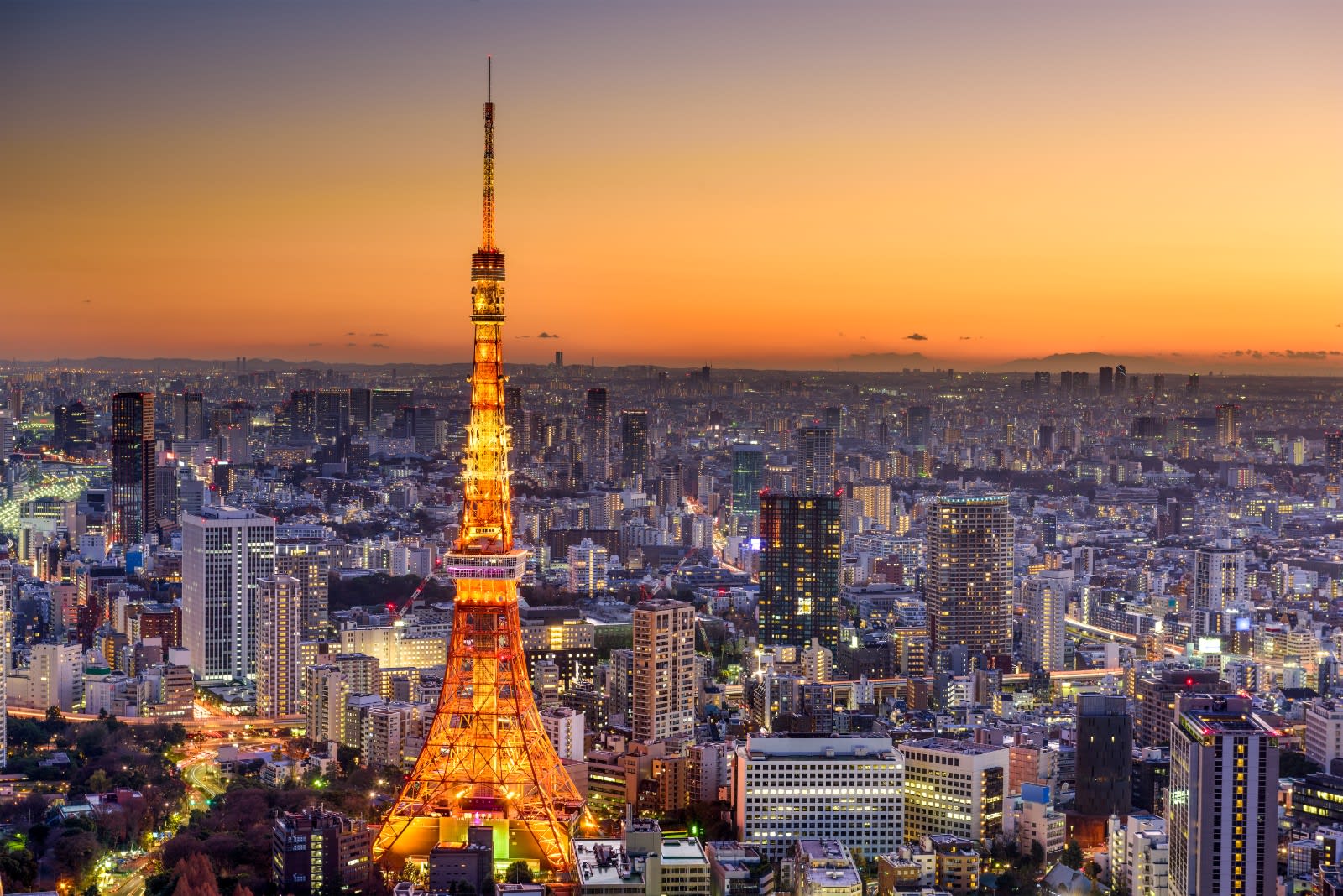
Azabujuban is a beloved neighborhood known for its nostalgic atmosphere, stylish boutiques, and deep-rooted local charm. Traditional Japanese sweet shops, craft stores, and long-standing eateries line its quaint shopping streets. It’s also home to the famous Azabujuban Festival and close to the iconic Tokyo Tower. Whether enjoying artisanal gelato or visiting the serene Juban Inari Shrine, this area offers a warm, lived-in feel within central Tokyo.

Roppongi

Roppongi is Tokyo’s international nightlife and culture hub, famous for its art museums, skyscrapers, and vibrant after-dark scene. Home to Roppongi Hills and Tokyo Midtown, the area blends luxury shopping with world-class art at the Mori Art Museum and Suntory Museum of Art. Known for stylish bars, clubs, and late-night ramen spots, Roppongi caters to both the high-end and the eclectic. It’s ideal for visitors seeking art, energy, and global flavors all in one place.

Hamamatsucho

Hamamatsucho is a practical and scenic district that serves as a major transit hub to Haneda Airport and Tokyo Bay. Famous for the iconic Tokyo Tower nearby, the area also features the tranquil Kyu-Shiba-rikyu Garden and Zojoji Temple. Business and tourism coexist here, with high-rise hotels, waterfront dining, and easy access to Odaiba. It’s a convenient launchpad for Tokyo exploration, offering a balance of greenery, culture, and city views.

Toranomon

Toranomon is an emerging business and lifestyle district undergoing sleek redevelopment with projects like Toranomon Hills. It’s close to government ministries and the Imperial Palace, blending Tokyo’s political and economic core with modern elegance. The area features luxury hotels, fine dining, and proximity to historical sites like Atago Shrine. Toranomon is increasingly becoming a destination for urban professionals and travelers seeking refined, cutting-edge Tokyo experiences.

Shimbashi

Shimbashi is Tokyo’s classic salaryman district, filled with izakayas, yakitori stands, and nostalgic post-war alleyways. Known as the birthplace of Japan’s first railway station, it has deep historical roots while embracing Tokyo’s energetic working culture. The iconic steam locomotive plaza and nearby Hibiya and Ginza make it a convenient and atmospheric spot for experiencing Tokyo’s after-work life.

Shirokane

Shirokane is a prestigious and tranquil residential area, known for its elegant streets, lush greenery, and upscale living. The area around Shirokane-Takanawa Station is home to gourmet restaurants, European-style cafés, and stylish boutiques. Places like the Institute for Nature Study and Platinum Street add to its charm. Shirokane is ideal for visitors who enjoy calm, refined city strolls away from the crowds.

Shibaura

Shibaura is a bayside area located near Tamachi Station, offering a calm atmosphere with modern residential complexes, riverside promenades, and corporate offices. Its scenic location and convenient access to central Tokyo make it an appealing choice for professionals and families alike.

Daiba

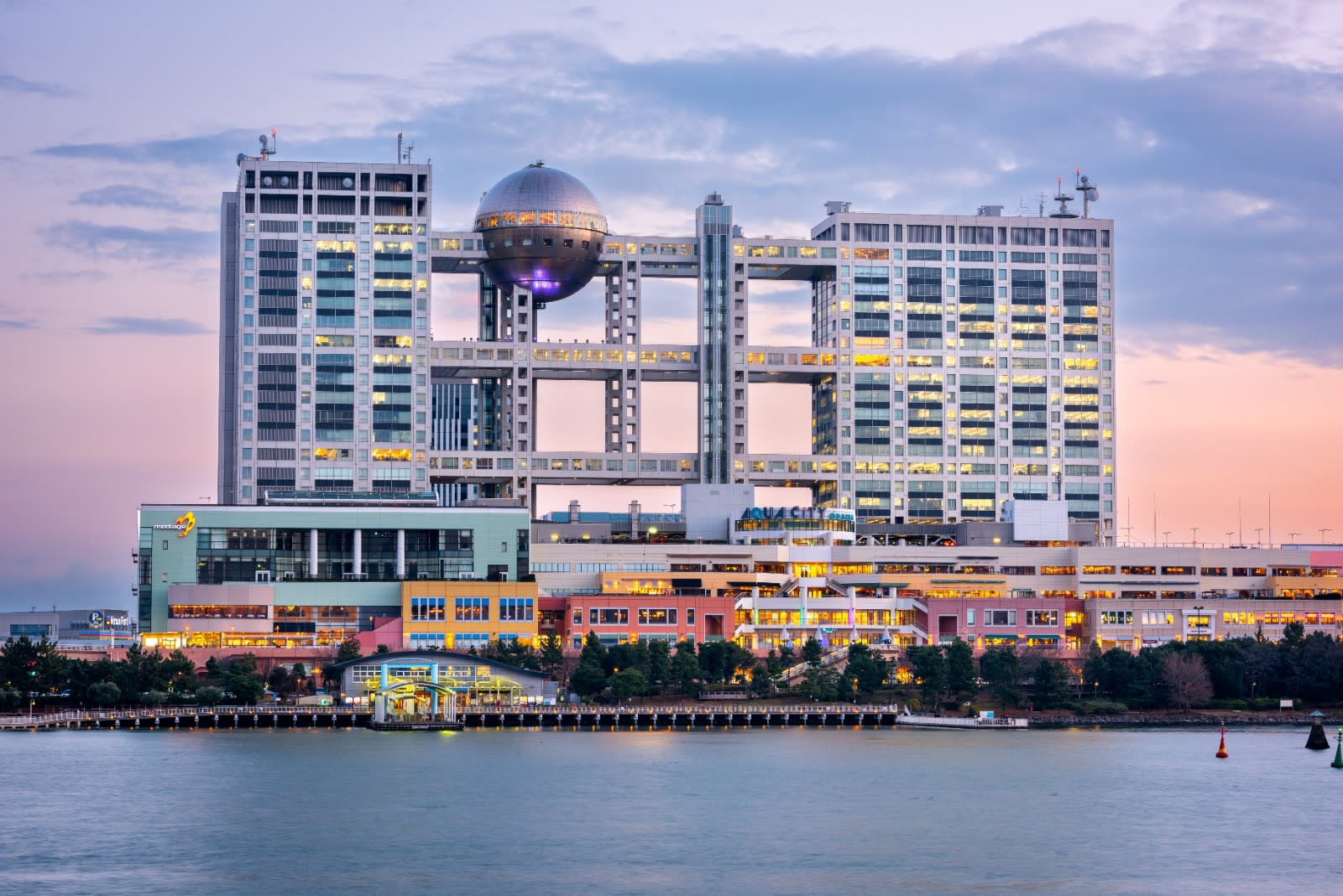
Daiba is a futuristic entertainment island built on reclaimed land in Tokyo Bay. It’s known for its seaside views, giant Gundam statue, shopping complexes like DiverCity and Aqua City, and attractions such as teamLab Borderless. With romantic nightscapes, waterfront parks, and family-friendly activities, Daiba offers a refreshing, fun-filled break from Tokyo’s urban intensity.

Konan

Konan is a sleek urban district south of Shinagawa Station, featuring high-rise residences, corporate headquarters, and attractive waterfront walkways. It has emerged as a business and residential hub, with new developments and modern infrastructure enhancing its livability.

Nogizaka

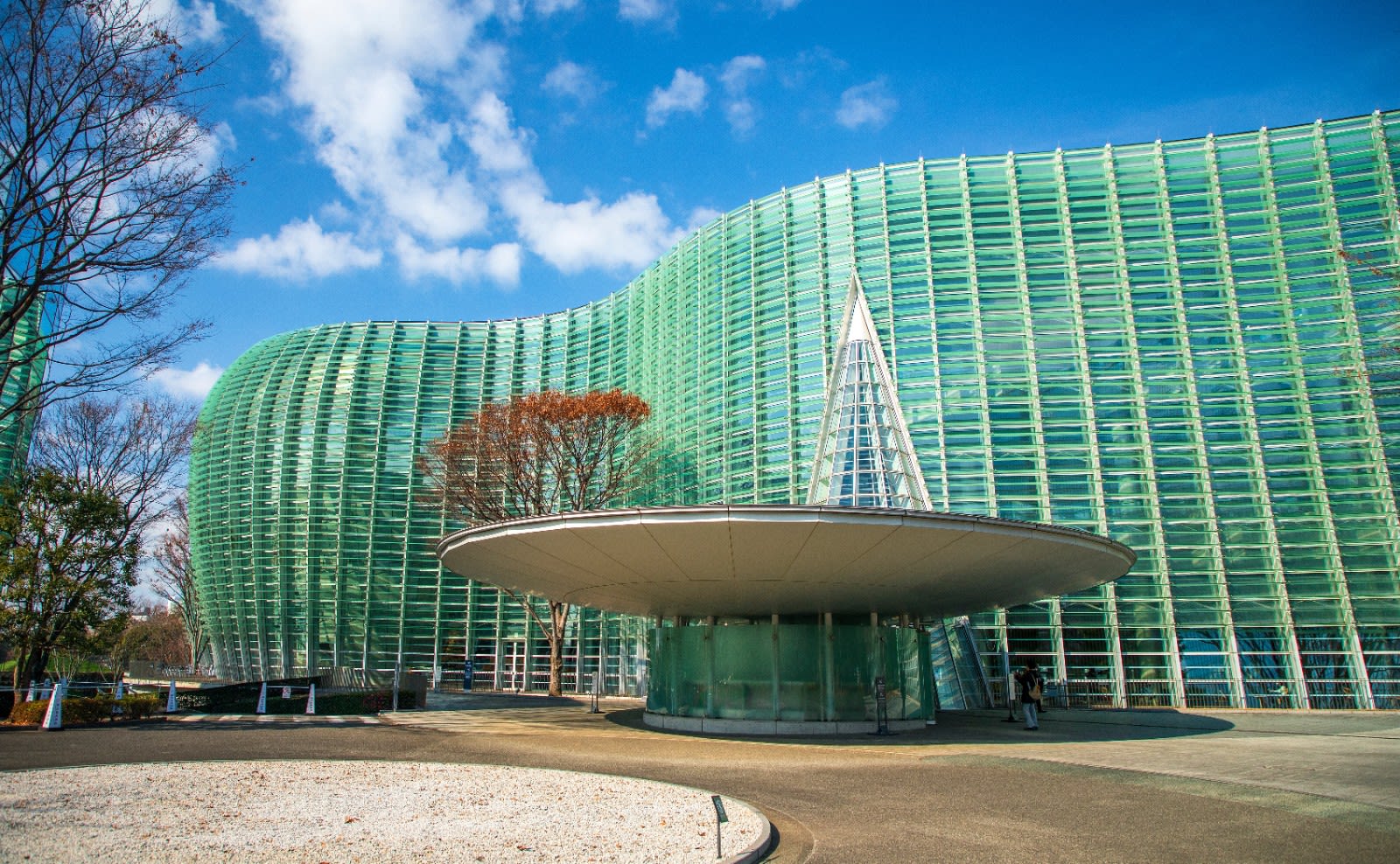
Nogizaka is a refined cultural district known for the world-renowned National Art Center Tokyo and its peaceful, modern urban vibe. Located between Akasaka and Roppongi, it offers easy access to art, fashion, and fine dining. The area is also home to Nogi Shrine, adding a historical touch to its contemporary feel. Nogizaka is perfect for those seeking inspiration in Tokyo’s quieter artistic corners.

Mita

Mita is a peaceful and intellectual district with a strong academic and historical presence. Home to Keio University’s main campus, it features refined streets, historic temples like Saikai-ji, and proximity to Tokyo Tower. The area balances tradition and sophistication, with charming cafés and quiet residential lanes. It’s ideal for those seeking a calm, cultural experience near central Tokyo.

Tamachi

Tamachi is a business-oriented area that has recently evolved into a lively mix of office buildings, residential towers, and waterfront developments. The area offers easy access to Tokyo Bay, with scenic promenades and connections to the Yamanote Line. It’s also home to modern attractions like msb Tamachi and traditional sites like Kamezuka Park. A great base for travelers who want urban convenience with touches of nature and local history.

Shiodome

Shiodome is a modern waterfront business and media hub known for its high-rise architecture and scenic bay views. Once a former railway terminal, it’s now home to corporate headquarters, hotels, and attractions like the Nippon TV Tower and Shiodome City Center. The restored old Shimbashi Station building adds historical flavor to this sleek urban space. Shiodome offers futuristic charm just a short walk from Hamarikyu Gardens and Ginza.

Yotsuya

Yotsuya is a historically rich and centrally located neighborhood, blending political legacy, academia, and old Edo charm. Once a samurai quarter, it’s now home to institutions like Sophia University and landmarks such as Yotsuya Suga Shrine. With quiet residential streets, quaint cafés, and proximity to the Imperial Palace, Yotsuya offers a peaceful, well-connected base for those exploring central Tokyo’s quieter side.

Kagurazaka

Kagurazaka is a charming hillside district often referred to as “Tokyo’s little Paris,” known for its cobblestone alleys, French cafés, and hidden ryotei. Once a geisha district, it retains its traditional flair while blending in modern chic. Visitors can explore temples, gourmet bakeries, and boutique shops tucked into narrow paths. It’s an ideal spot for slow walks, cultural exploration, and romantic dining.

Takadanobaba

Takadanobaba is a lively student district filled with energy, thanks to its proximity to Waseda University and several language schools. Known for its affordable ramen shops, retro game arcades, and casual izakayas, the area has a friendly, down-to-earth vibe. It’s also famous for its ties to the creator of Astro Boy, Osamu Tezuka, with themed melodies playing at the station. Great for budget travelers and those seeking local student culture.

Arakicho

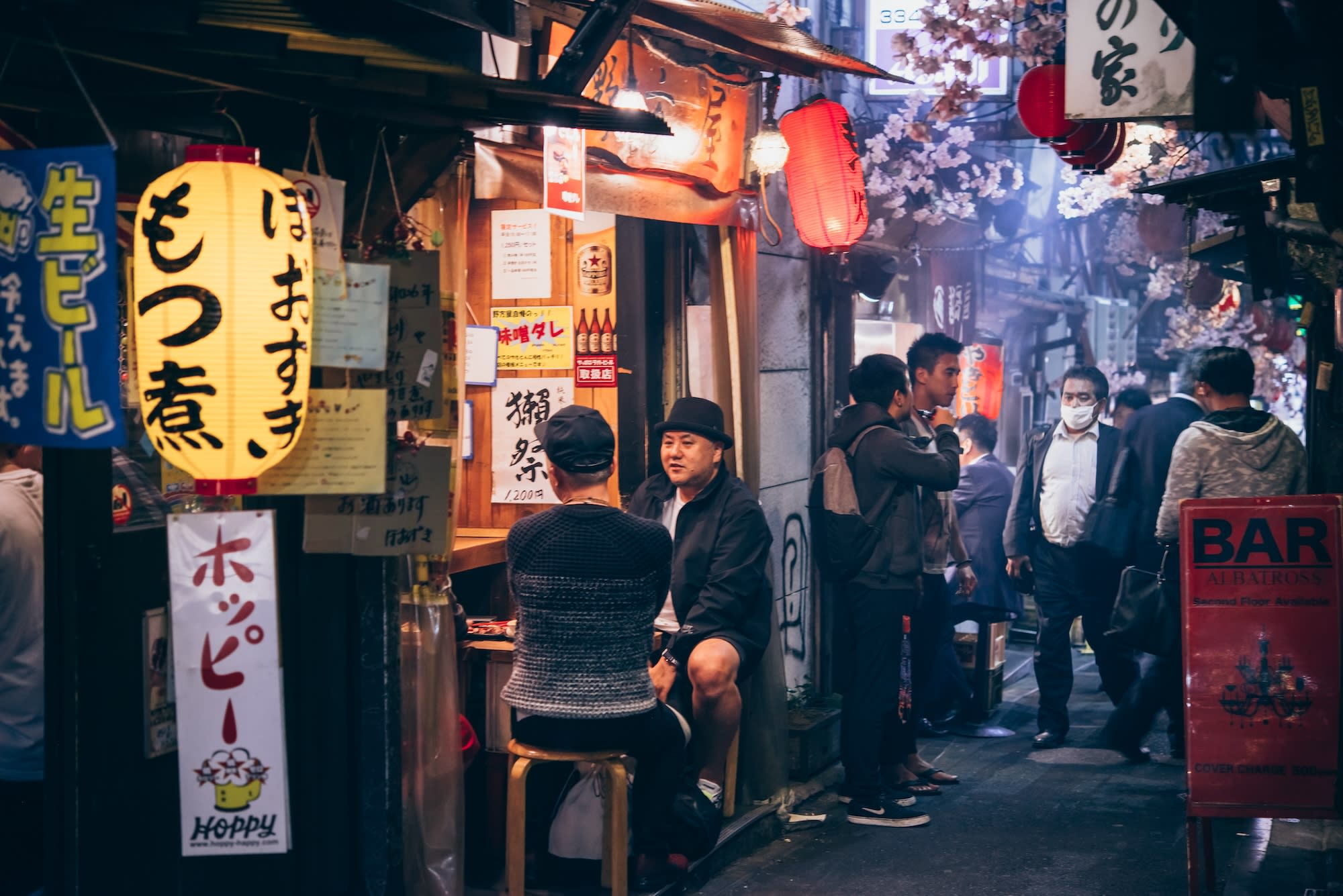
Arakicho is a hidden gem in Shinjuku, known for its preserved post-war charm and maze-like alleys packed with intimate bars and restaurants. Once a geisha district, it retains a nostalgic air with lantern-lit lanes and family-run eateries. Unlike Shinjuku’s glitzier areas, Arakicho feels like a step back in time. It’s a must-visit for food lovers and travelers seeking an authentic, cozy nightlife scene.

Sendagi

Sendagi is a quiet, traditional neighborhood that forms part of the historic Yanesen area (Yanaka, Nezu, Sendagi). It’s known for its narrow alleys, wooden houses, and peaceful shrines like Yanaka Ginza and Dainenji Temple. The area offers a glimpse into Tokyo's pre-war charm, with small cafés, artisan shops, and nostalgic scenery. Sendagi is ideal for travelers seeking a slow-paced, culturally rich walking experience.

Korakuen

Korakuen is a family-friendly and entertainment-rich district, best known for Tokyo Dome City, a complex featuring an amusement park, shopping, and baseball stadium. The area also houses Koishikawa Korakuen Garden, one of Tokyo’s oldest and most scenic traditional gardens. With its combination of excitement and serenity, Korakuen offers something for everyone—from thrill-seekers to cultural explorers.

Hongo

Hongo is a prestigious academic district, home to the University of Tokyo’s historic campus and a strong literary legacy. Its tree-lined streets and Meiji-era architecture give the area a refined atmosphere. Many famous authors, including Natsume Soseki, once lived here. With quiet cafés, bookstores, and museums like the University of Tokyo's Intermediatheque nearby, Hongo is ideal for travelers who appreciate intellect, history, and quiet beauty.

Yushima

Yushima is a culturally rich neighborhood known for Yushima Tenmangu Shrine, dedicated to the deity of learning. Especially popular during exam season, it draws students and scholars alike. The area also features old-fashioned sweets shops, narrow streets with a traditional feel, and proximity to Ueno Park and cultural landmarks. For travelers seeking spiritual energy and a touch of old Tokyo, Yushima is a peaceful, rewarding stop.

Ueno

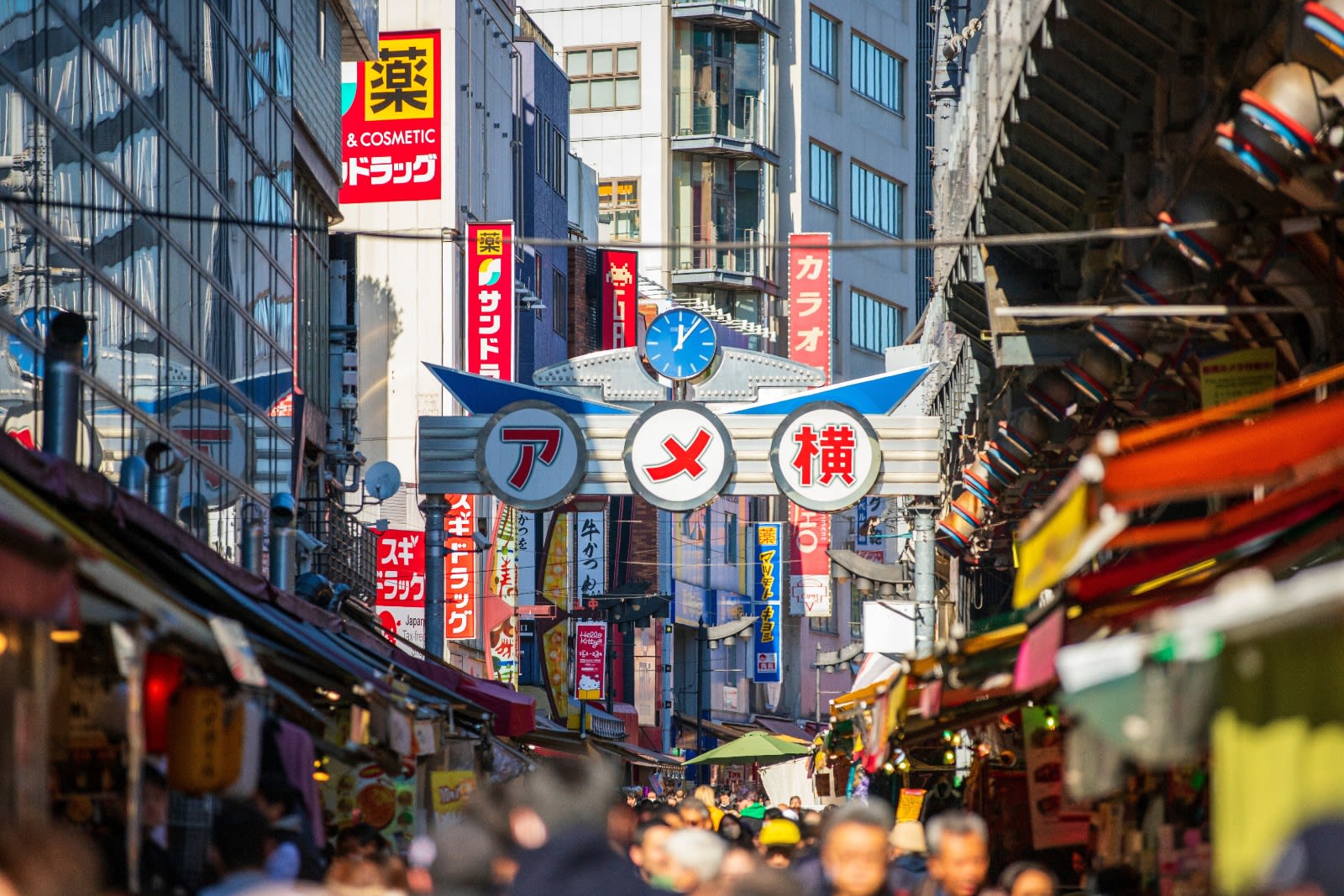
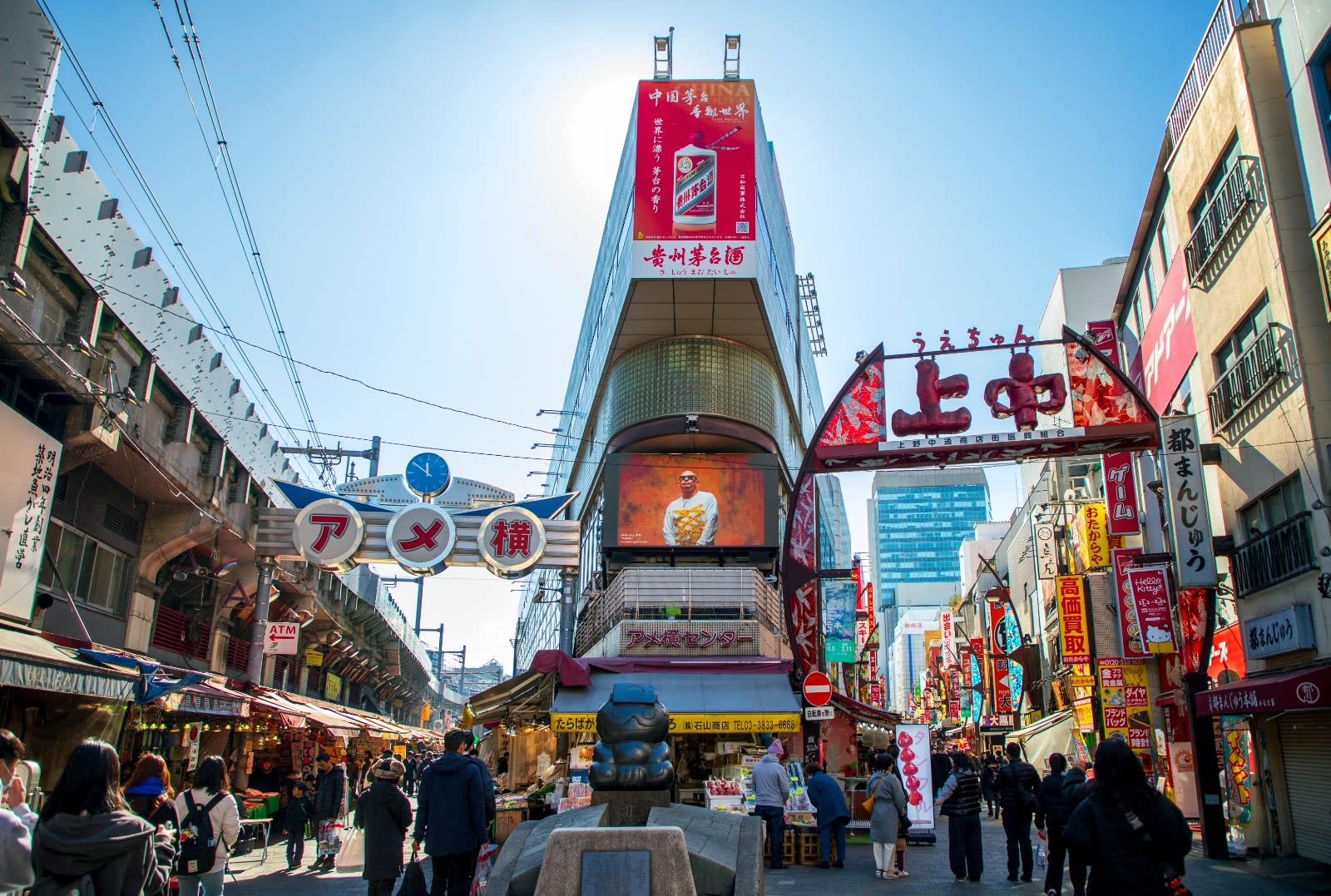
Ueno is one of Tokyo’s major cultural and historical centers, famous for Ueno Park, which houses top museums like the Tokyo National Museum and Ueno Zoo. In spring, the park becomes a cherry blossom hotspot. The area is rich with street food, art, and history, offering a lively yet educational atmosphere. With Ameya-Yokocho market nearby, Ueno is perfect for families, students, and anyone who wants a taste of vibrant Tokyo.

Asakusa

Asakusa is one of Tokyo’s most iconic cultural destinations, home to the famous Senso-ji Temple, the city’s oldest Buddhist temple. The area’s Nakamise Street offers traditional snacks and souvenirs, while rickshaws, yukata rentals, and Sumida River cruises enhance the historical experience. Despite modern touches, Asakusa retains a distinctly old Edo charm, making it a must-visit for those seeking classic Tokyo.

Ryogoku

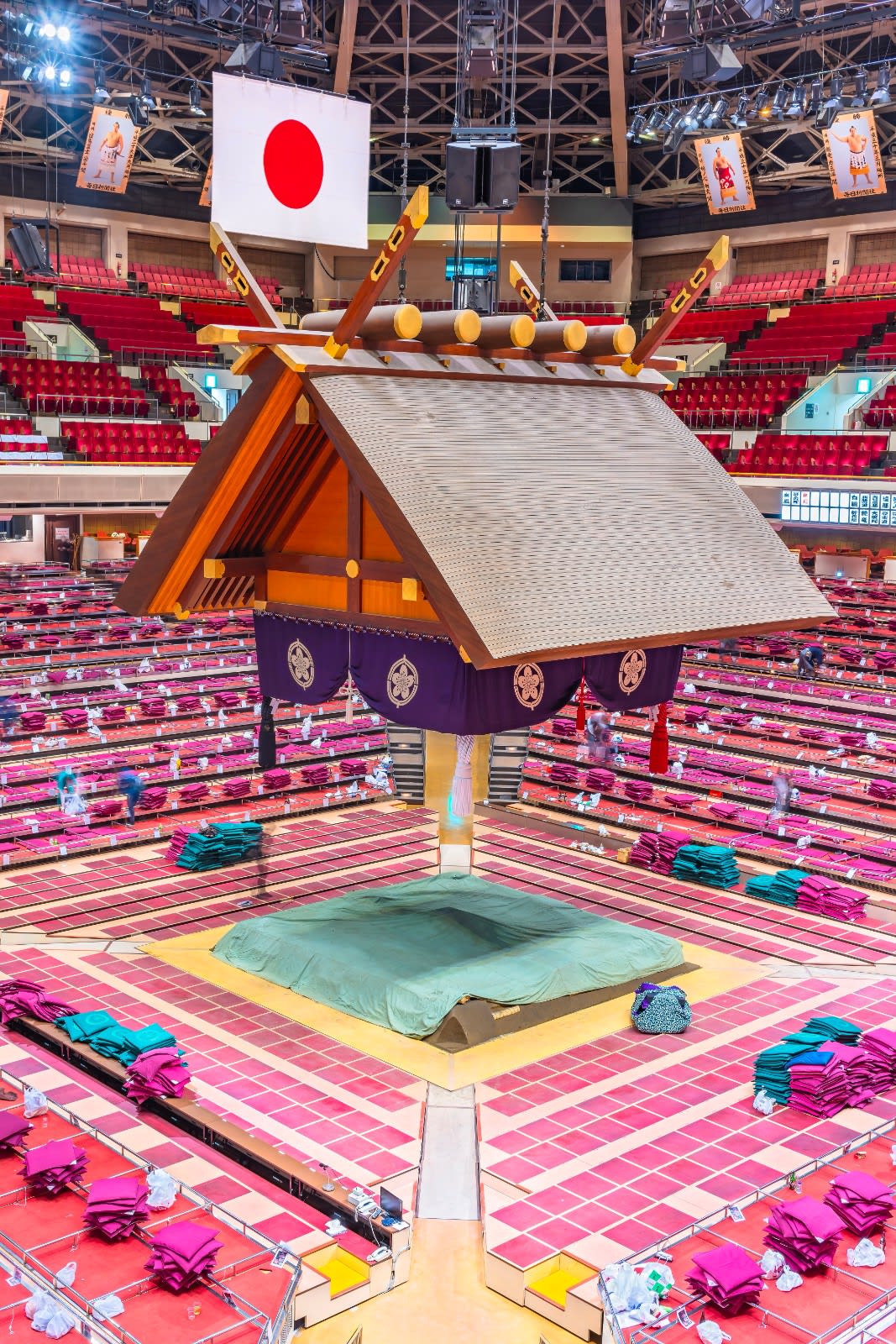
Ryogoku is Tokyo’s historic sumo district, home to the Ryogoku Kokugikan (Sumo Hall), where major tournaments are held three times a year. The area also features the Edo-Tokyo Museum and traditional chanko nabe restaurants where sumo wrestlers dine. With old merchant houses, temples, and riverside views, Ryogoku provides a unique window into Edo-period life and Japan’s national sport.

Kinshicho

Kinshicho is a lively commercial and entertainment district with a mix of shopping malls, local izakayas, and tall office towers. It serves as a gateway to eastern Tokyo and is known for its balance between nightlife and family-friendly facilities. Kinshi Park, with its stunning view of the Skytree, offers green space amid the urban bustle. It’s an ideal base for casual dining, shopping, and Tokyo Skytree access.

Oshiage (skytree)

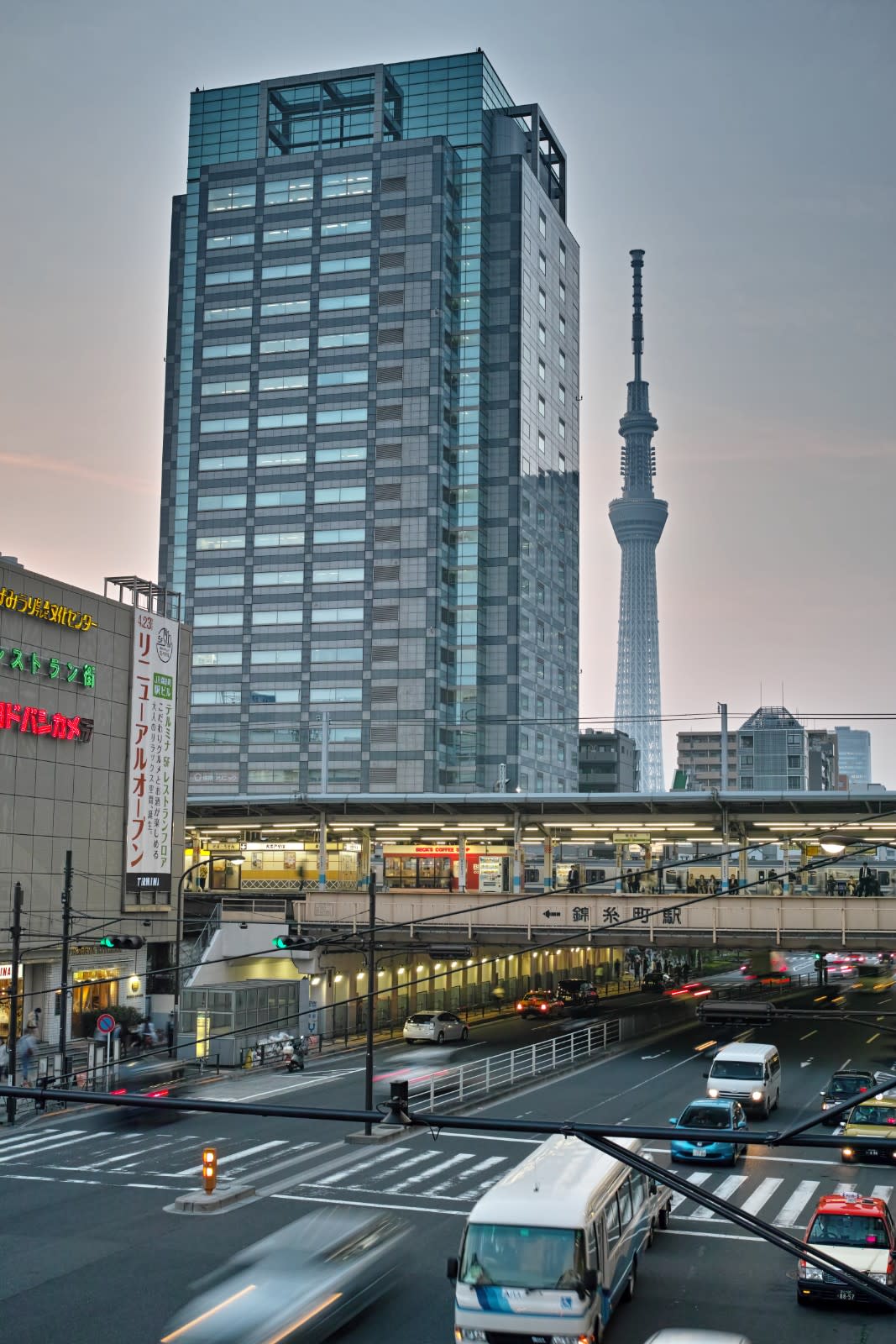
Oshiage is the closest neighborhood to Tokyo Skytree and serves as the entrance to the towering landmark. Skytree Town includes shopping, dining, an aquarium, and a planetarium. Beyond the tower, Oshiage retains a quiet, local feel with small shrines, local eateries, and residential charm. It’s a great blend of futuristic spectacle and community warmth, ideal for all types of visitors.

Monzennakacho

Monzennakacho is a charming area where Edo-period spirit thrives, known for its historic temples, traditional festivals, and relaxed riverside atmosphere. The Fukagawa Fudoson Temple and Tomioka Hachimangu Shrine are cultural anchors, and the area is particularly lively during the Fukagawa Hachiman Festival. With its nostalgic streets and classic izakayas, Monzennakacho offers a true taste of old Tokyo.

Gotanda

Gotanda is a diverse and bustling neighborhood offering a mix of office towers, casual dining, and hidden nightlife. Conveniently located on the Yamanote Line, it connects business travelers and locals alike. The Meguro River runs nearby, offering a peaceful walking route especially beautiful during cherry blossom season. Gotanda’s relaxed but urban feel makes it a great stop for food lovers and Tokyo wanderers.

Osaki

Osaki is a modern and well-developed business district featuring sleek skyscrapers, corporate headquarters, and connected shopping plazas like ThinkPark and Gate City Osaki. The area is clean, organized, and pedestrian-friendly, with plenty of cafés and lunch spots for office workers. Though business-focused, it’s also home to small parks and residential spaces, ideal for those wanting a polished, local Tokyo experience.

Oimachi

Oimachi is a lively hub in Shinagawa, offering excellent transportation, shopping malls, and entertainment. It serves as both a business and residential center, with easy access to central Tokyo and the bay area.

Nakameguro

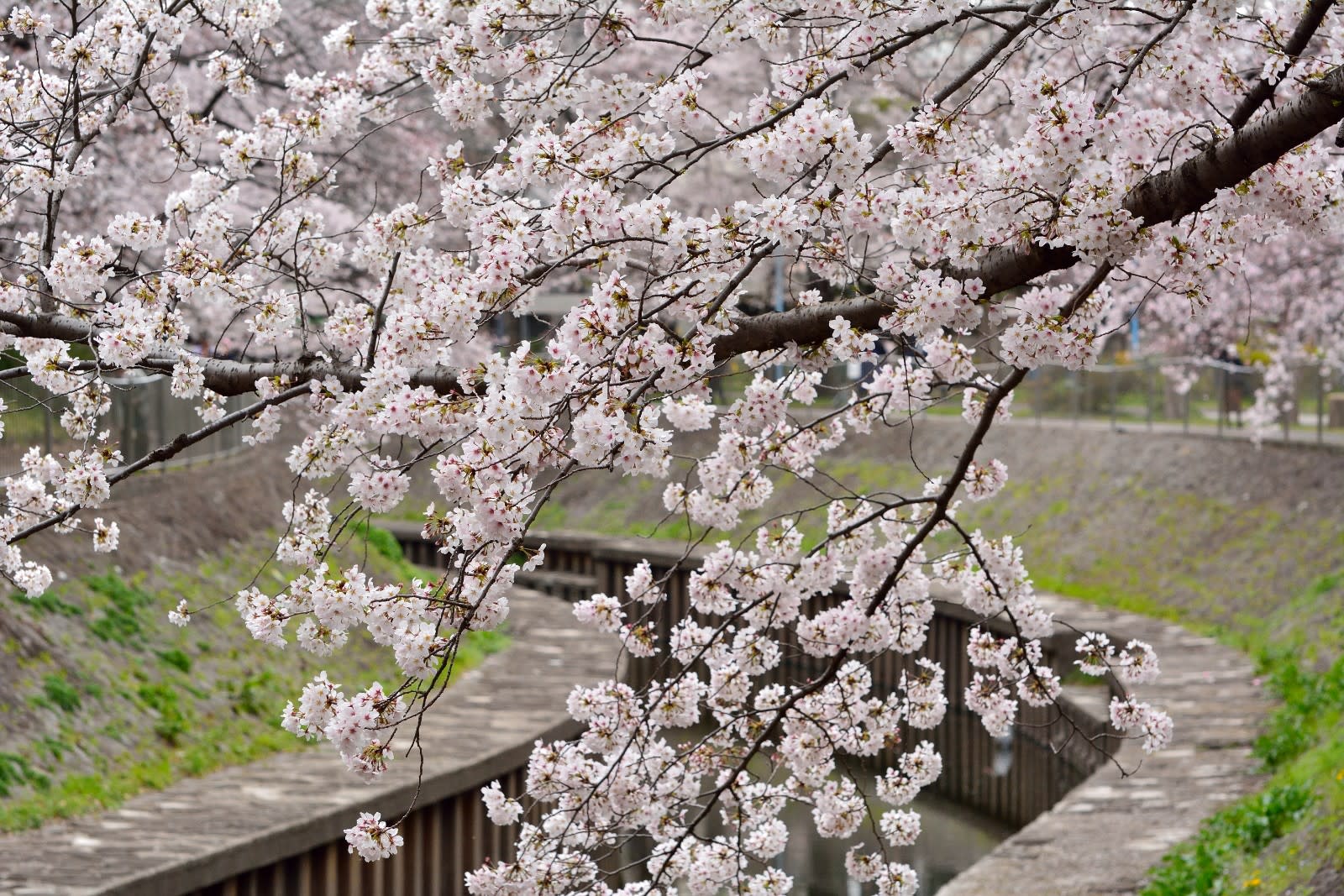
Nakameguro is a trendy and stylish district loved for its cherry blossom-lined Meguro River, fashionable boutiques, and hip cafés. It attracts creatives and young professionals with its blend of urban chic and natural beauty. During hanami season, the river becomes a glowing tunnel of blossoms and lanterns. Nakameguro is perfect for those who love art, design, and relaxed city life.

Yutenji

Yutenji is a peaceful residential neighborhood with a warm, local feel and a touch of retro charm. Named after the Yutenji Temple, the area features small bakeries, cozy cafés, and family-run shops. With its slower pace and easy access to Nakameguro and Daikanyama, Yutenji is perfect for those who want to stay close to the action while enjoying quiet, daily Tokyo life.

Jiyugaoka

Jiyugaoka is a charming and elegant neighborhood known for its European-inspired streets, stylish cafés, dessert shops, and boutique shopping. It’s one of Tokyo’s most desirable areas to live, often called “Tokyo’s Little Europe.” Visitors come for its photogenic spots, pancake cafés, and calm, fashionable vibe. It’s perfect for a relaxing day of strolling, sweets, and lifestyle inspiration.

Kamata

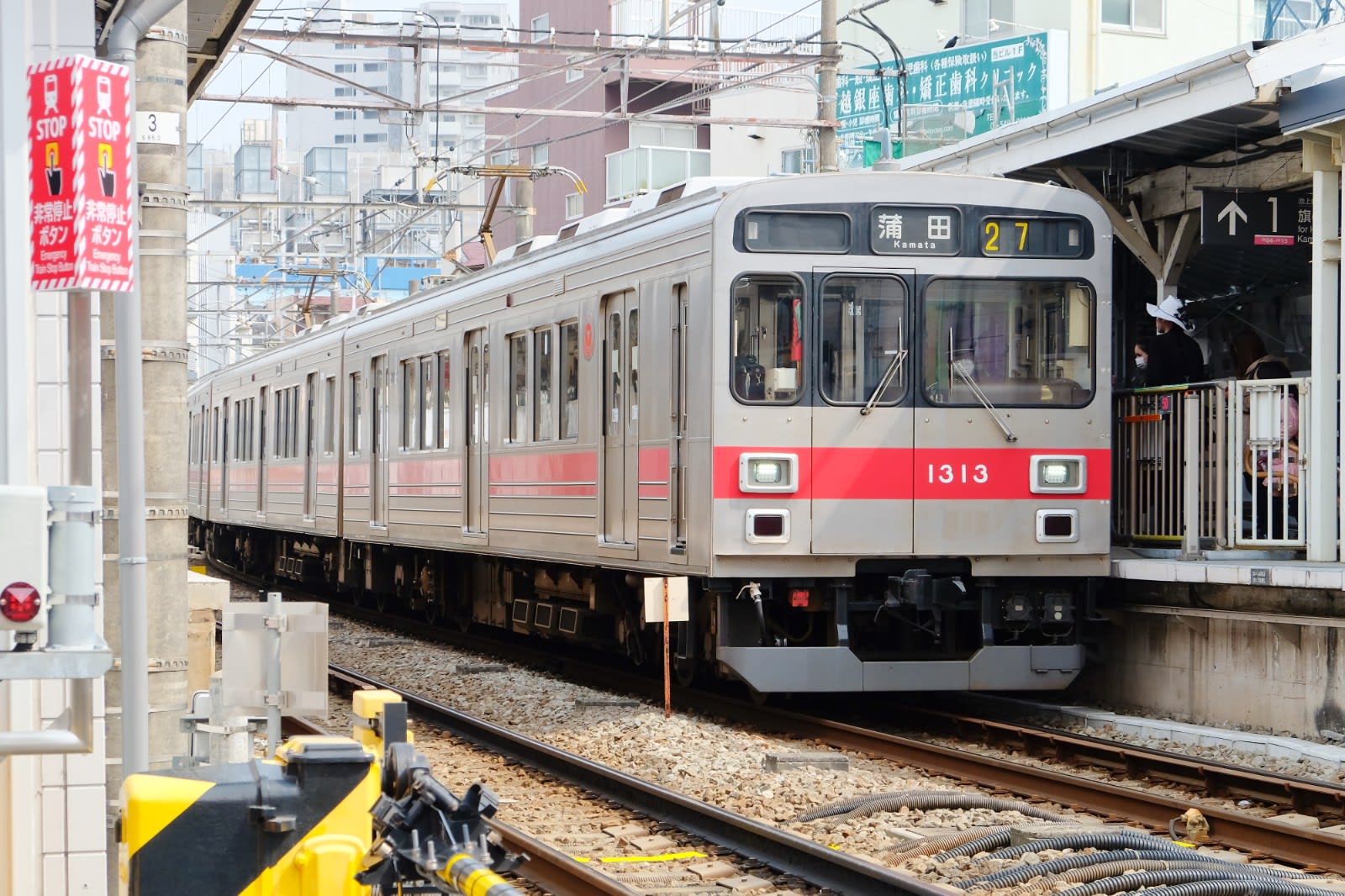
Kamata is a lively and down-to-earth area in southern Tokyo, known for its old-school shopping arcades, public bathhouses (sento), and Chinese food. It’s close to Haneda Airport and offers a retro, everyday Tokyo experience. Kamata’s onsen-style baths using black mineral water are especially popular, making it a great spot to unwind after traveling.

Omori

Omori is a residential and historical area with a mix of modern convenience and cultural depth. Known for the Omori Shell Mounds archaeological site and peaceful parks, the area also features shopping centers and traditional izakayas. With easy access to Shinagawa and Haneda Airport, Omori is a convenient and relaxed option for travelers interested in both comfort and heritage.

Futakotamagawa

Futakotamagawa is an upscale riverside district known for its stylish lifestyle offerings, scenic views of the Tama River, and the sprawling Futako Tamagawa Rise complex. It's a favorite among young professionals and families, offering nature, shopping, and gourmet dining all in one. The area’s balance of greenery and modernity makes it one of Tokyo’s most livable and photogenic neighborhoods.

Seijo

Seijo is an elegant and prestigious neighborhood in western Tokyo, often associated with affluent living and refined culture. It’s home to Seijo University, quiet tree-lined avenues, and luxurious homes. With its boutique bakeries, gourmet supermarkets, and classical atmosphere, Seijo is perfect for travelers curious about Tokyo’s elite residential districts.

Sangenjaya

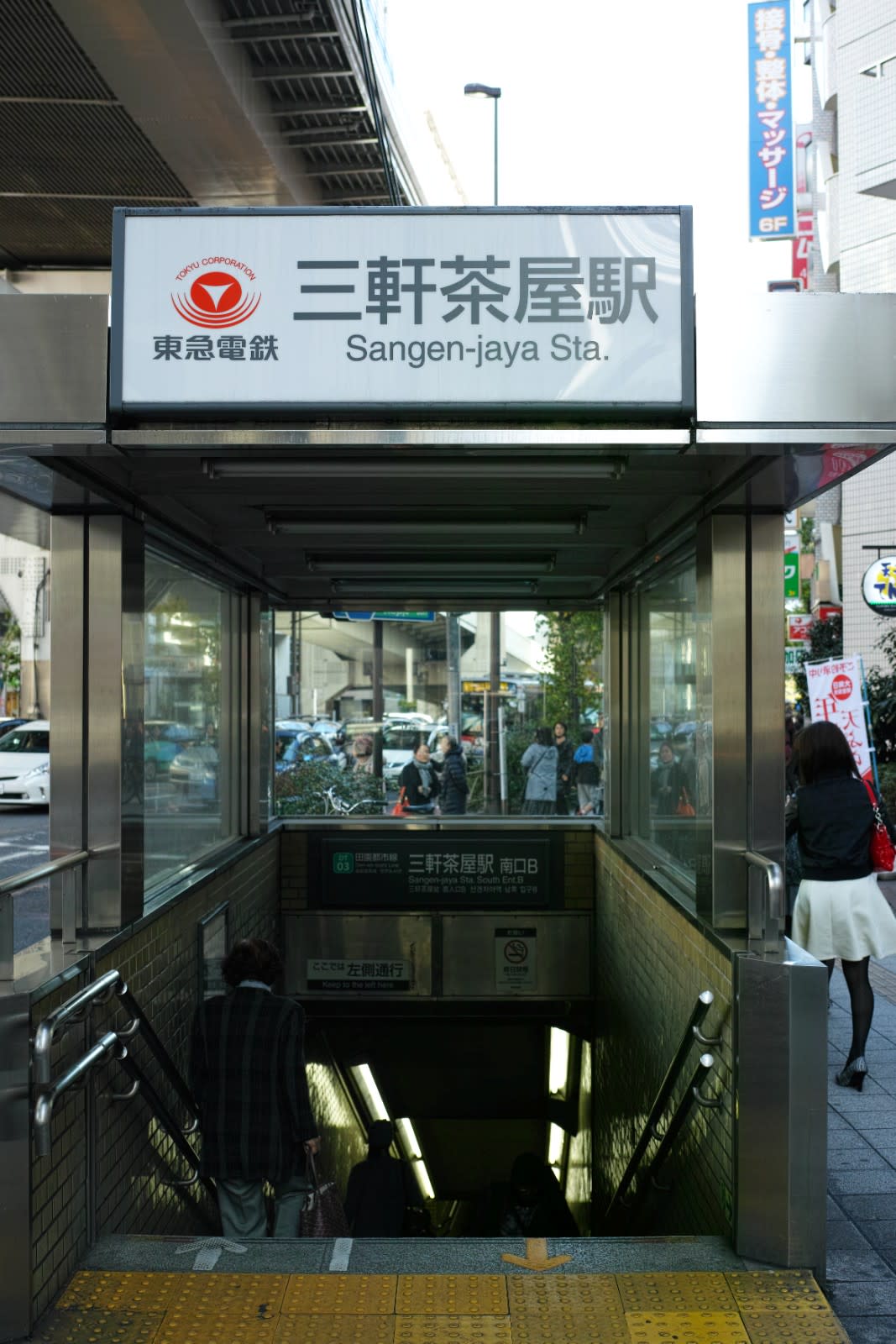
Sangenjaya, or “Sancha” as locals call it, is a hip and eclectic neighborhood loved for its mix of retro charm and modern flair. Located just minutes from Shibuya, it’s known for cozy bars, secondhand shops, and winding backstreets filled with character. Sancha is ideal for casual night-outs, café hopping, and exploring Tokyo’s indie creative scene.

Shimokitazawa

Shimokitazawa is Tokyo’s bohemian and youth-culture epicenter, loved for its maze-like alleys packed with vintage clothing stores, indie music venues, and quirky cafés. Often called “Shimokita,” it has a strong alternative scene, drawing artists, students, and creatives. Whether you're crate-digging for vinyl, catching a play in a tiny theater, or sipping coffee in a plant-filled café, Shimokitazawa offers an immersive, artsy urban adventure full of personality.

Harajuku

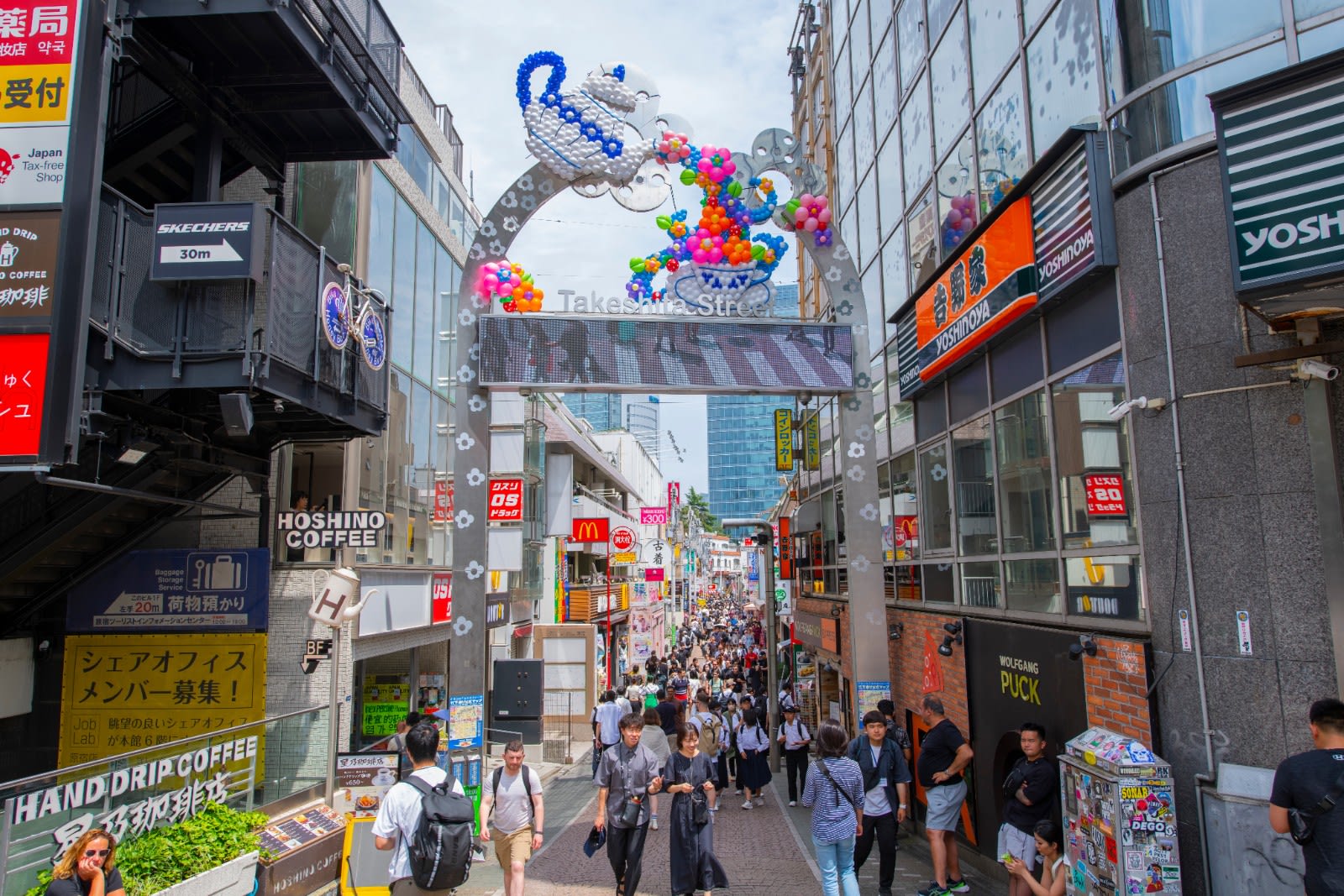
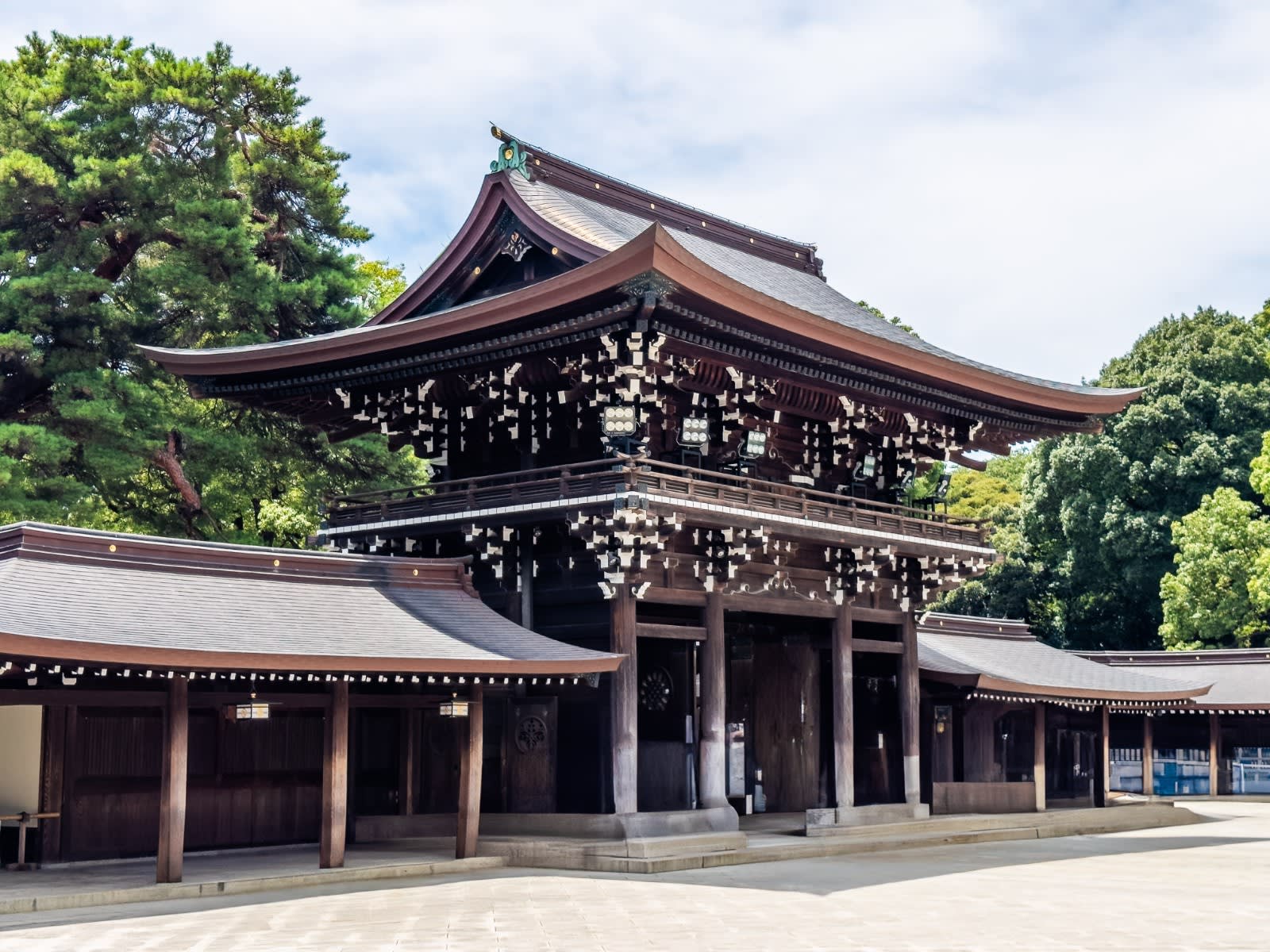
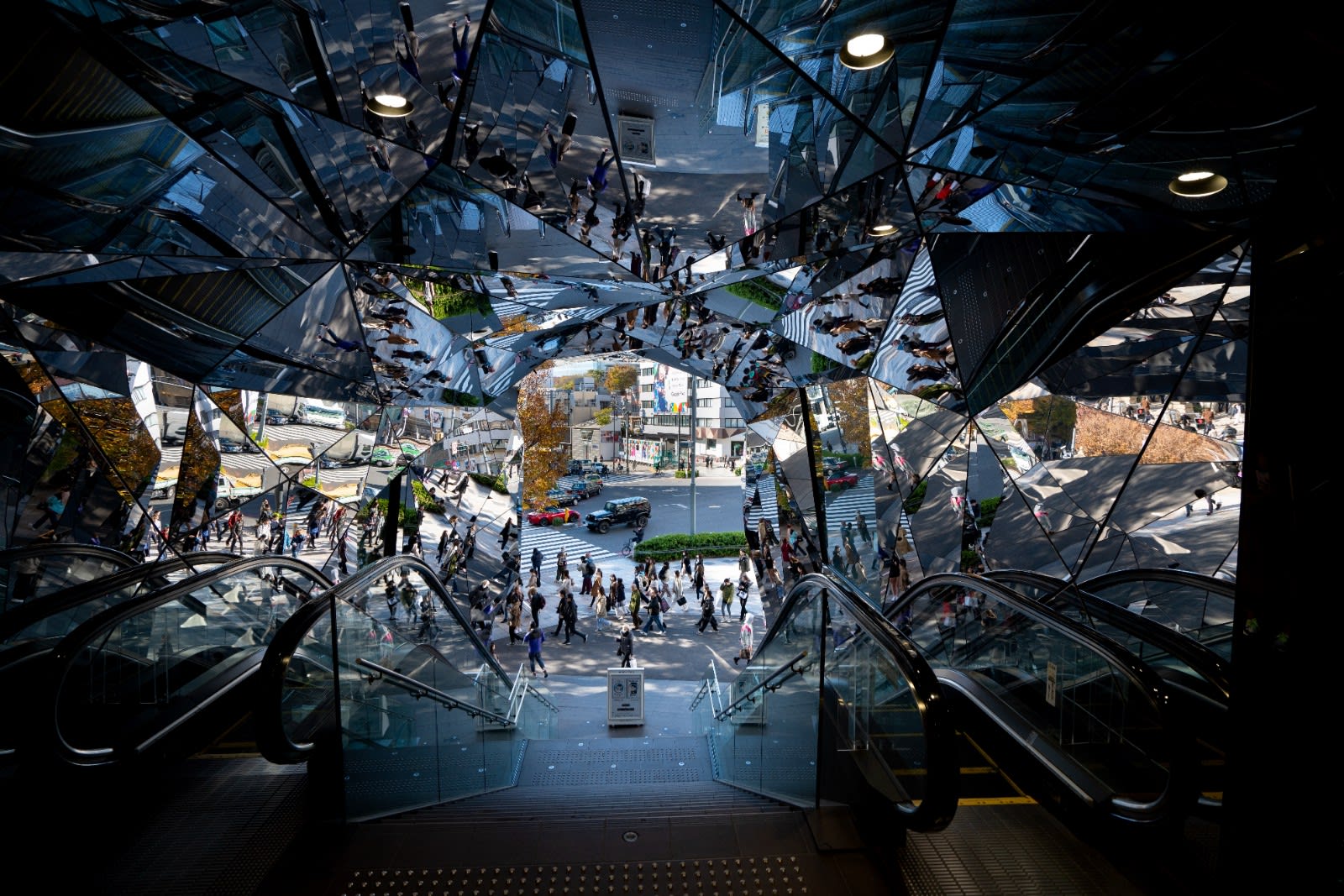
Harajuku is Tokyo’s capital of youth culture and eclectic fashion, famously home to Takeshita Street, a vibrant lane filled with colorful shops, crepe stands, and trendy boutiques. Just steps away lies the serene Meiji Jingu Shrine and the expansive Yoyogi Park, offering a peaceful contrast to the hustle. Harajuku is a must-visit for anyone wanting to experience Tokyo’s creativity, from kawaii culture to high-end streetwear and everything in between.

Yoyogi

Yoyogi is a versatile and well-connected neighborhood adjacent to Shinjuku, offering a balance of calm residential streets and bustling transit hubs. It’s home to Yoyogi Park and Yoyogi National Gymnasium, often hosting major events and festivals. The area also includes a mix of affordable eateries, language schools, and small design studios. For travelers, Yoyogi is a perfect home base—central yet peaceful, with nature, culture, and local life all within reach.

Sendagaya

Sendagaya is a refined neighborhood with deep ties to sports, culture, and architecture. Known for the newly rebuilt National Stadium, it also hosts the Japan Olympic Museum, the Shogi Hall, and a number of art studios and design offices. Despite its central location, Sendagaya is surprisingly peaceful, with tree-lined streets and cozy cafés. For visitors interested in Tokyo’s blend of tradition, innovation, and sport, Sendagaya offers a unique and underexplored charm.

Hiroo

Hiroo is an elegant, international neighborhood nestled between Ebisu and Roppongi. Known for its tranquil atmosphere, embassies, and international schools, it caters to expats and locals seeking sophistication. Arisugawa-no-miya Memorial Park offers a natural escape, while Hiroo Shopping Street is lined with gourmet bakeries, upscale grocers, and boutique cafés. It’s a refined and peaceful corner of Tokyo, ideal for those who enjoy quiet luxury.

Daikanyama

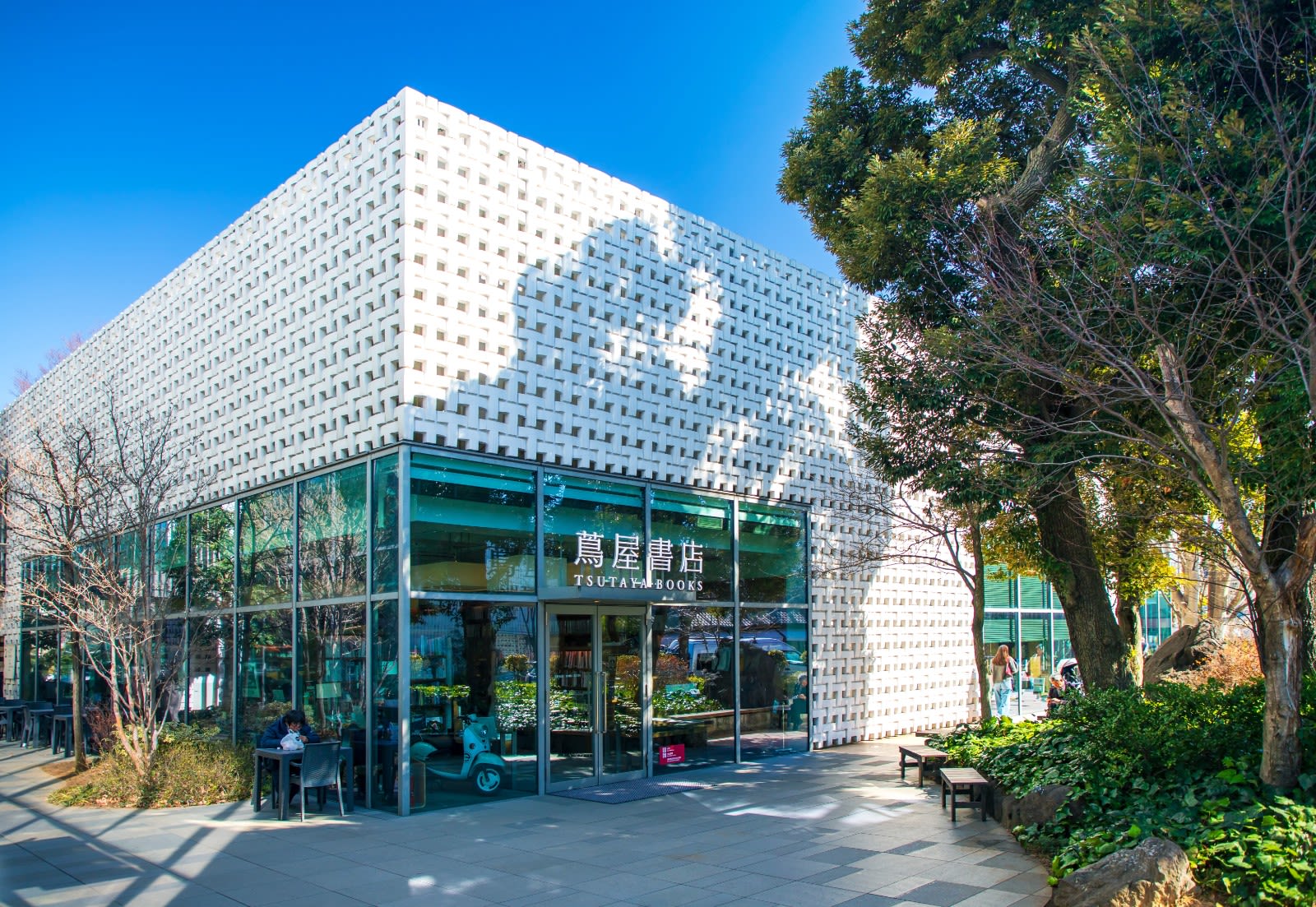
Daikanyama is a fashionable and leafy enclave beloved by Tokyo’s style-conscious crowd. With European-inspired streets, stylish cafés, bookstores, and design boutiques, the area exudes quiet sophistication. Daikanyama T-Site, a lifestyle complex centered around Tsutaya Books, is a cultural icon. It’s a peaceful, walkable neighborhood perfect for those who love architecture, design, and upscale slow living.

Ebisu

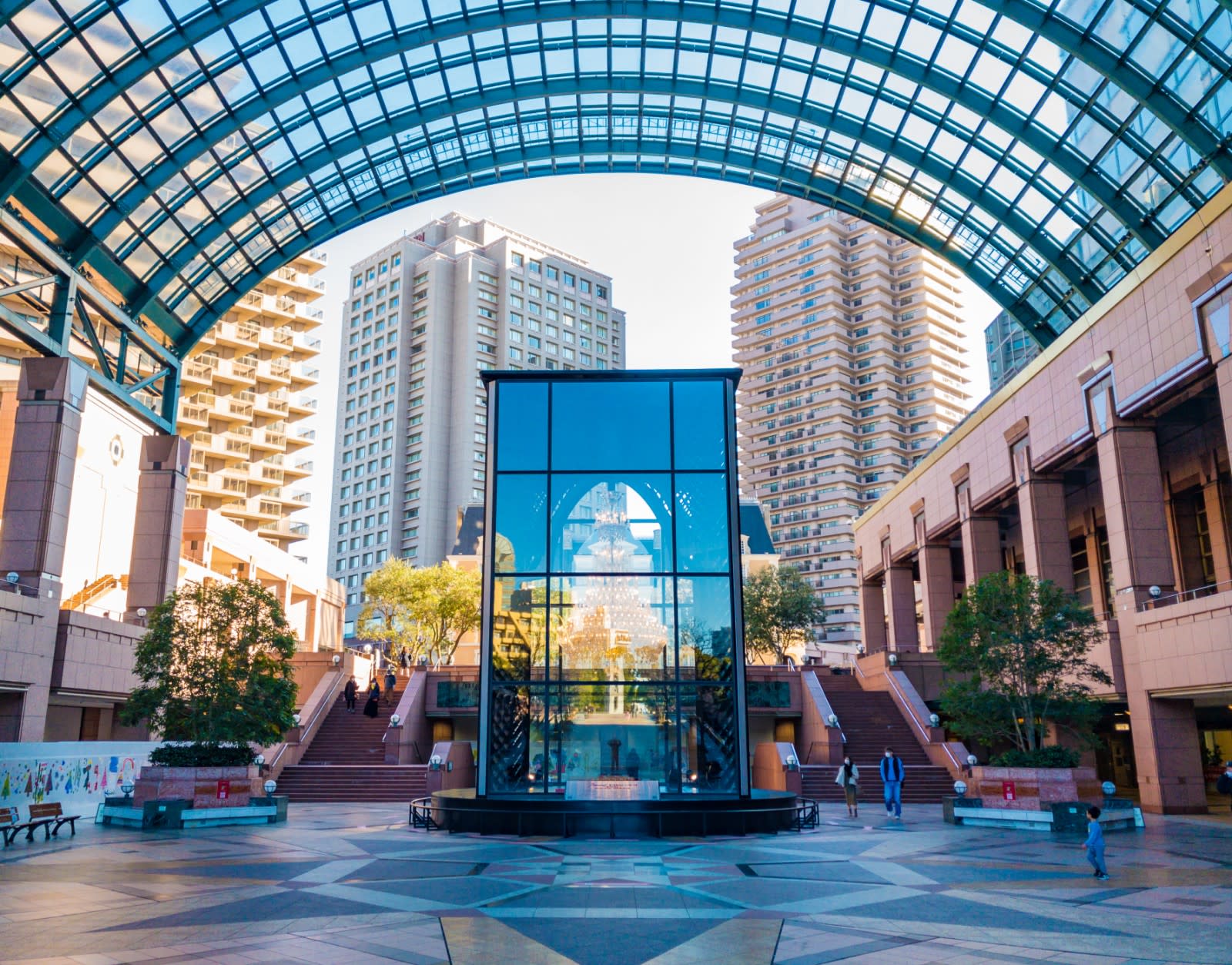
Ebisu is a dynamic and stylish area that blends culinary excellence with urban comfort. Once a brewery town, it’s now famous for Ebisu Garden Place—a mixed-use complex with fine dining, a museum, and views of Tokyo Tower. The neighborhood is dotted with gourmet restaurants, izakayas, and trendy bars. With easy access to Shibuya and Roppongi, Ebisu is perfect for food lovers and those seeking a refined yet vibrant Tokyo experience.

Uehara

Uehara in Shibuya is a peaceful upscale neighborhood known for its embassies, international schools, and cultural spots. It offers a blend of global sophistication and local charm.

Shinsen

Shinsen is a hidden gem just a short walk from bustling Shibuya, offering a quiet, grown-up vibe filled with tucked-away bars, gourmet dining, and low-key sophistication. Sometimes called the "backdoor of Shibuya," it's popular among locals who want to escape the noise. With its blend of traditional eateries and modern izakayas, Shinsen is perfect for those seeking a stylish yet intimate Tokyo night.

Omotesando

Omotesando is Tokyo’s most refined fashion and architecture avenue, often compared to the Champs-Élysées. Known for flagship boutiques, luxury brands, and architectural marvels like Omotesando Hills and Prada Aoyama, it's also lined with sophisticated cafés and art galleries. A stroll through Omotesando reveals a mix of global style, cultural depth, and modern Japanese elegance, ideal for fashionistas and design lovers.

Ogikubo

Ogikubo is a well-balanced residential area known for its laid-back atmosphere, delicious ramen (especially Ogikubo-style shoyu ramen), and access to green spaces like Zenpukuji Park. The station area is lively with shopping arcades and casual eateries, while quieter streets lead to peaceful shrines and local cafés. With a strong community feel and great food culture, Ogikubo offers an authentic and comfortable Tokyo experience.

Asagaya

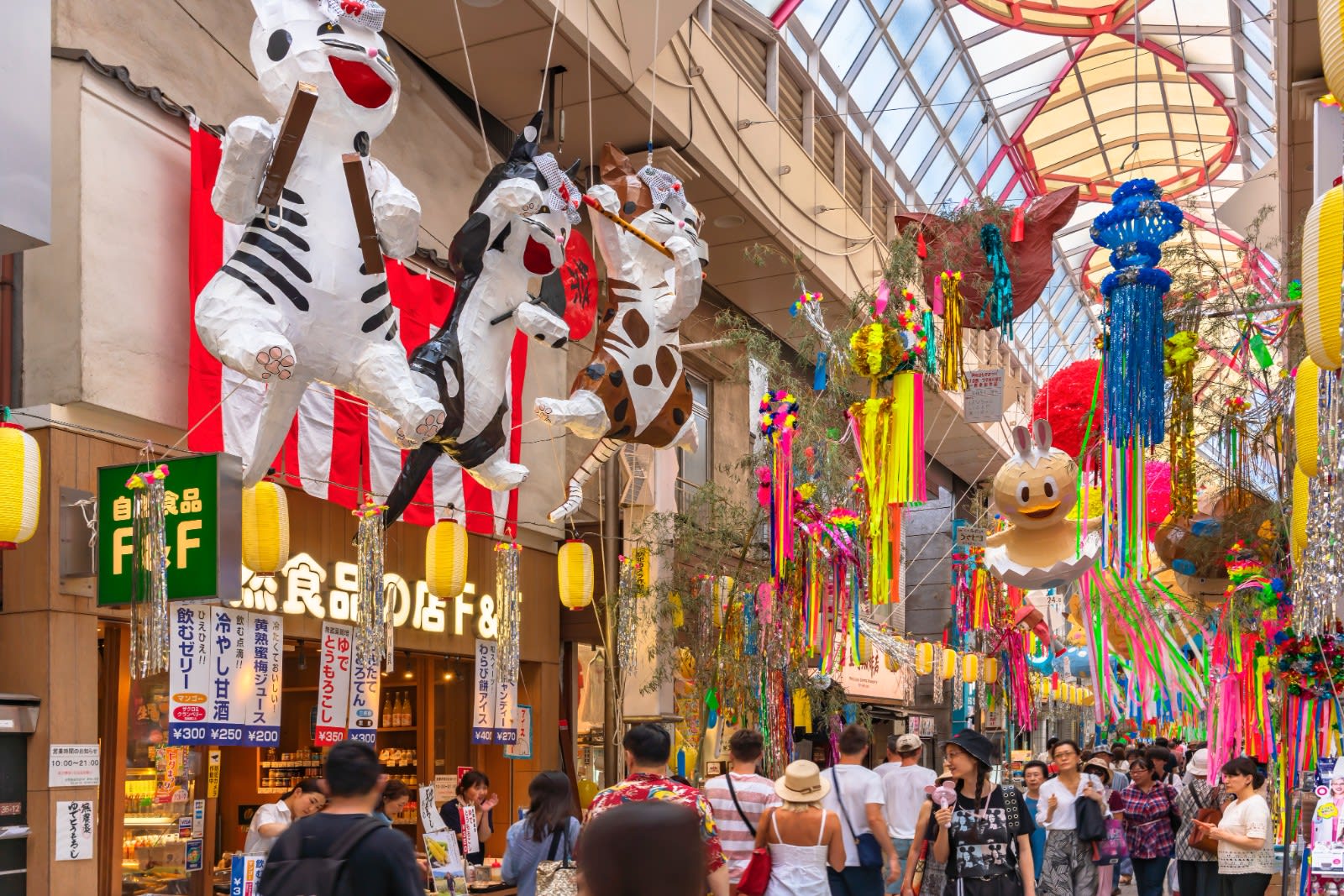
Asagaya is a community-driven neighborhood famous for its music culture, local festivals, and nostalgic shotengai. It hosts events like the Asagaya Jazz Street and Tanabata Festival, drawing large crowds with warm hospitality. The station area is dotted with cozy izakayas, live music bars, and traditional sweets shops. Asagaya feels like a tight-knit town within the city, perfect for those who want to enjoy Tokyo’s festive, yet familiar, side.

Koenji

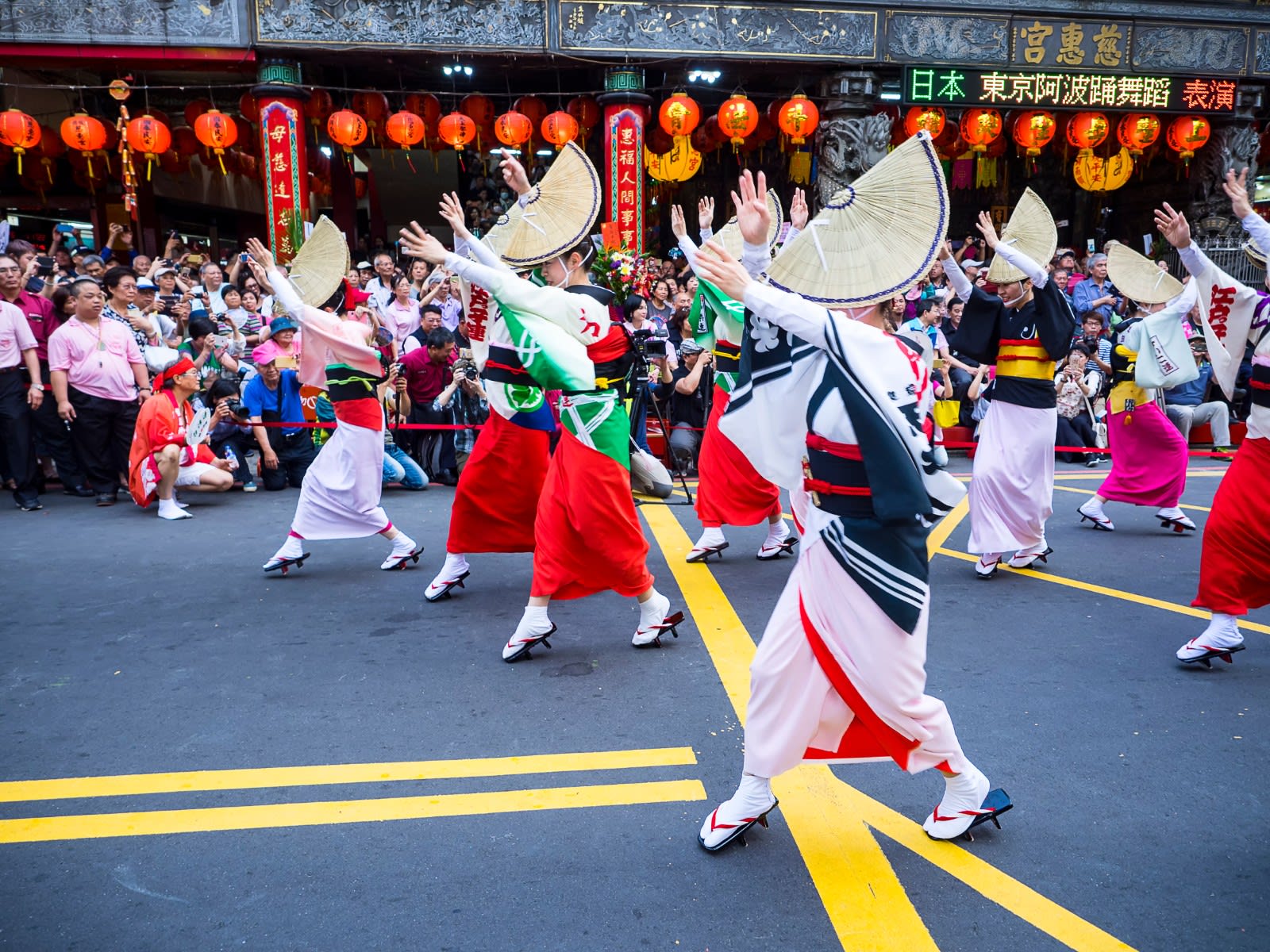
Koenji is a vibrant and edgy neighborhood that has become a hub for vintage fashion, alternative music, and youth culture. With narrow alleys packed with thrift stores, underground music venues, and lively izakayas, it’s the place to discover Tokyo’s indie scene. The area also hosts the famous Koenji Awa-Odori festival, drawing dancers and tourists from across Japan. Koenji is a must-visit for lovers of street culture and creative rebellion.

Ikebukuro

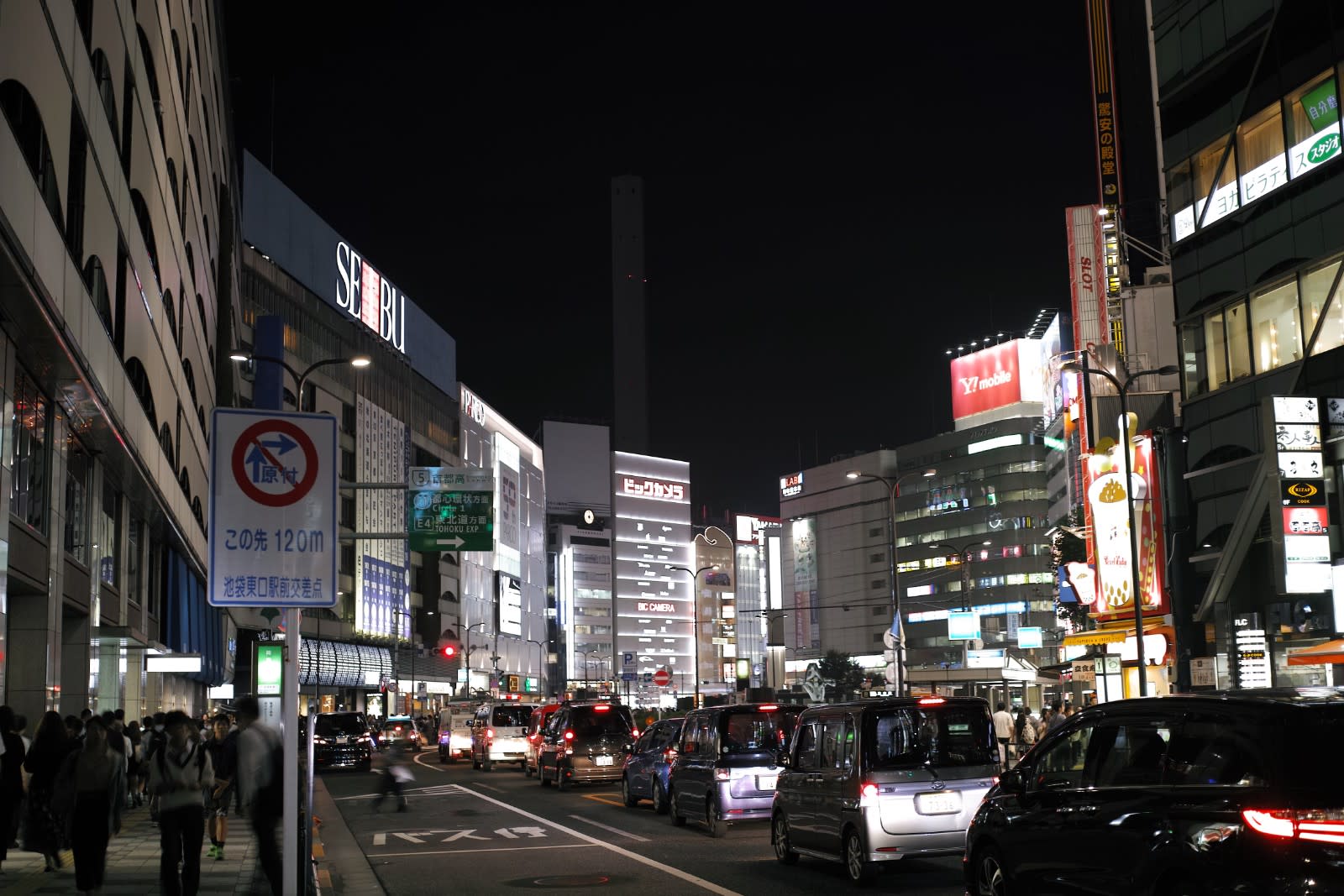
Ikebukuro is one of Tokyo’s major city centers, known for its massive shopping complexes like Sunshine City, entertainment venues, and strong pop culture scene. From anime stores in Otome Road to the Planetarium and aquarium, the area offers something for everyone. It’s also a transport hub with easy access to many parts of Tokyo. Lively day and night, Ikebukuro is ideal for families, solo travelers, and otaku alike.

Mejiro

Mejiro is an elegant and academic neighborhood on the Yamanote Line, known for its calm residential streets, prestigious schools, and hidden cultural gems. Home to Gakushuin University and Mejiro Garden, the area balances refinement with nature. With stylish bakeries, bookshops, and a relaxed pace, Mejiro offers an upscale, intellectual Tokyo experience, ideal for travelers seeking tranquility just minutes from Ikebukuro.

Otsuka

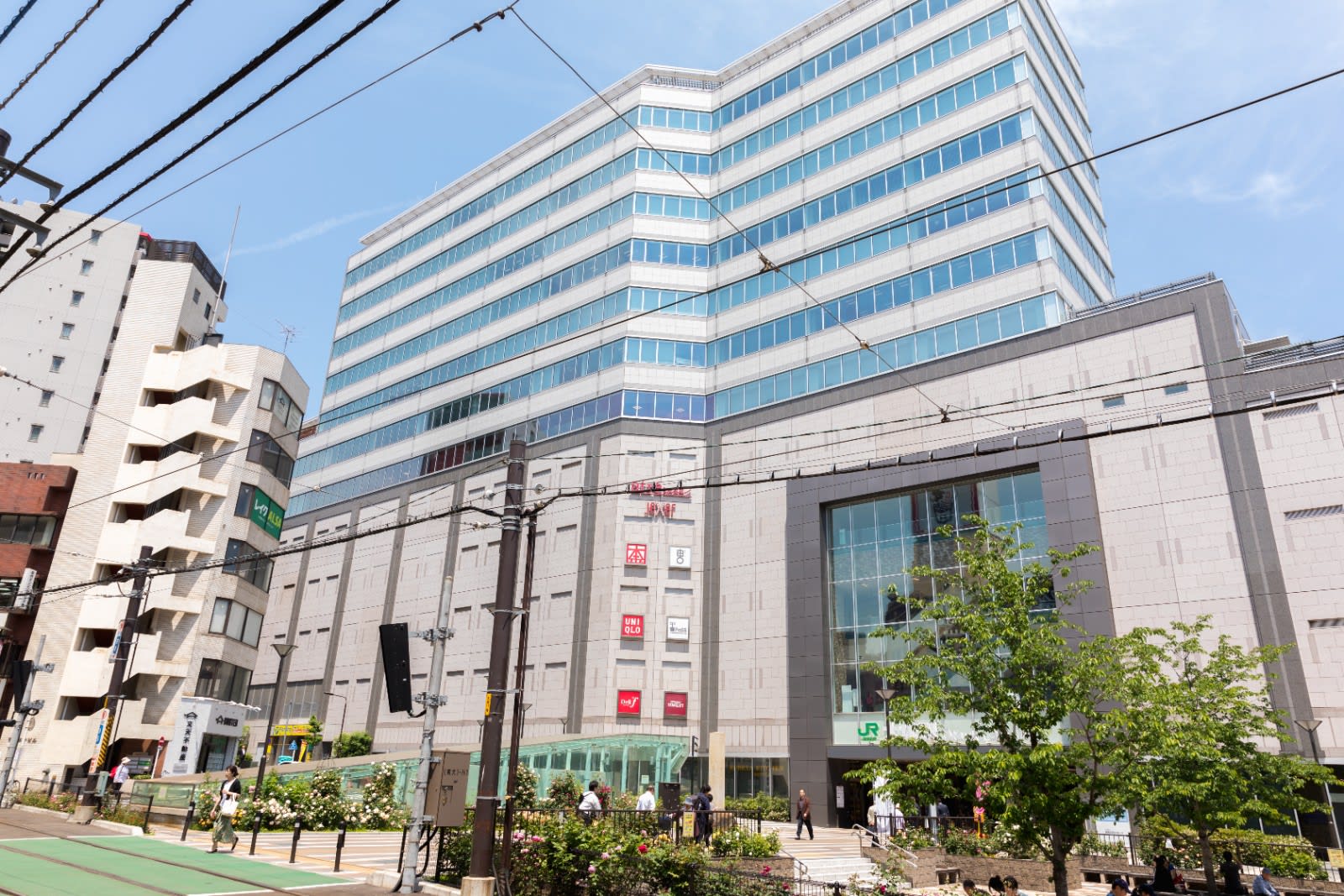
Ōtsuka in Toshima Ward is a lively district centered around JR Ōtsuka Station, located on the Yamanote Line. The area is known for its nostalgic charm, with retro-style shopping streets, traditional izakayas, and the Toden Arakawa Line running through. Recently, redevelopment has brought new hotels, cafes, and public spaces. Events like “Ōtsuka Monogatari” offer guided tours that highlight the town’s evolving blend of history, community, and urban renewal. Its walkable streets and welcoming atmosphere make it popular among locals and tourists alike.

Akabane

Akabane is a lively and affordable neighborhood in northern Tokyo, famous for its friendly atmosphere and bustling drinking culture. The area around Akabane Station is filled with izakayas, standing bars, and retro shopping streets like Akabane Ichibangai. Close to the Arakawa riverside and offering great local vibes, Akabane is perfect for foodies and those who want to explore Tokyo beyond the tourist zones.

Kitasenju

Kitasenju is a dynamic hub in northeast Tokyo that blends nostalgic shitamachi charm with modern convenience. The area offers a mix of traditional shopping arcades, atmospheric izakayas, and student-friendly cafes due to its proximity to several universities. Places like Senju Honcho and the Adachi Market show Tokyo’s everyday culture in full color. It’s a lively yet livable destination for travelers wanting a taste of real Tokyo.

Kichijoji

Kichijoji is one of Tokyo’s most beloved neighborhoods, famous for its mix of vibrant shopping streets, trendy cafés, and lush Inokashira Park. With attractions like Ghibli Museum, a lively music and art scene, and fashionable alleyways like Harmonica Yokocho, it appeals to all ages. Kichijoji offers the perfect blend of nature, culture, and urban energy—making it consistently ranked among Tokyo’s most livable areas.

Kiyosumi Shirakawa

Nagatacho

What to Eat in Tokyo

Things to Do in Tokyo